Quote
Manufacturing & Capabilities
Othilapak is a high-end custom packaging solutions manufacturer specializing in beauty, cosmetic, makeup, skincare, personal care, and emerging consumer product categories. Our portfolio spans bottles, jars, tubes, labels, cartons, gift boxes, and complete packaging sets, delivering one-stop, end-to-end services from concept design to fully finished packaging. Backed by integrated factories, flexible production lines, and a rigorous quality control system, we help brands build reliable, premium, and scalable packaging programs—supporting both fast-growing independent labels and established global beauty brands.
• End-to-end, one-stop manufacturing
Othilapak can handle the full journey from concept, design, and prototyping through tooling, mass production, decoration, assembly, QC, and global logistics under one roof or unified management. This one-stop model simplifies vendor management for brands, shortens timelines, and keeps quality and branding consistent across every component.
• Strong engineering, molds & quality systems
With industry-leading mold capabilities and technical teams experienced in serving top global beauty brands, Othilapak can deliver both fast standard solutions and complex custom structures. A rigorous multi-stage inspection system tests durability, sealing, and surface performance so packaging meets or exceeds cosmetic industry standards.
• Scalable capacity for growing brands
Extensive manufacturing capacity and optimized processes allow Othilapak to support everything from smaller runs to large-scale, multi-region launches without sacrificing lead times or consistency. Brands benefit from reliable replenishment, planned capacity, and cost-effective production that scales as their product lines expand.
• Deep focus on sustainable packaging
Othilapak offers recyclable, refillable, PCR, and biodegradable solutions, supported by specialized sustainable material sourcing and eco-focused design expertise. This lets brands hit their sustainability targets with packaging that reduces environmental impact while still looking premium and performing reliably on the shelf.
About Factory Capabilities
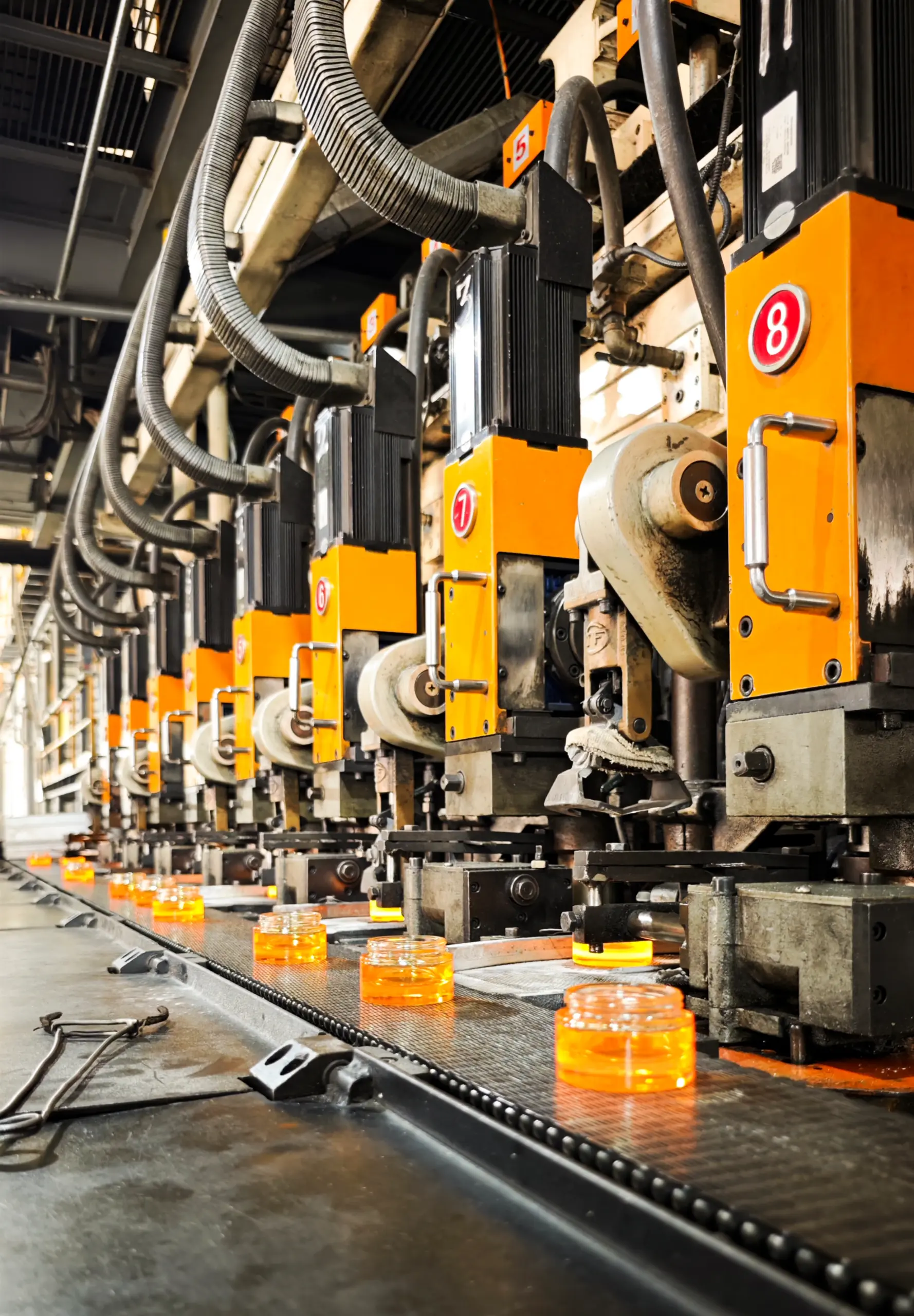
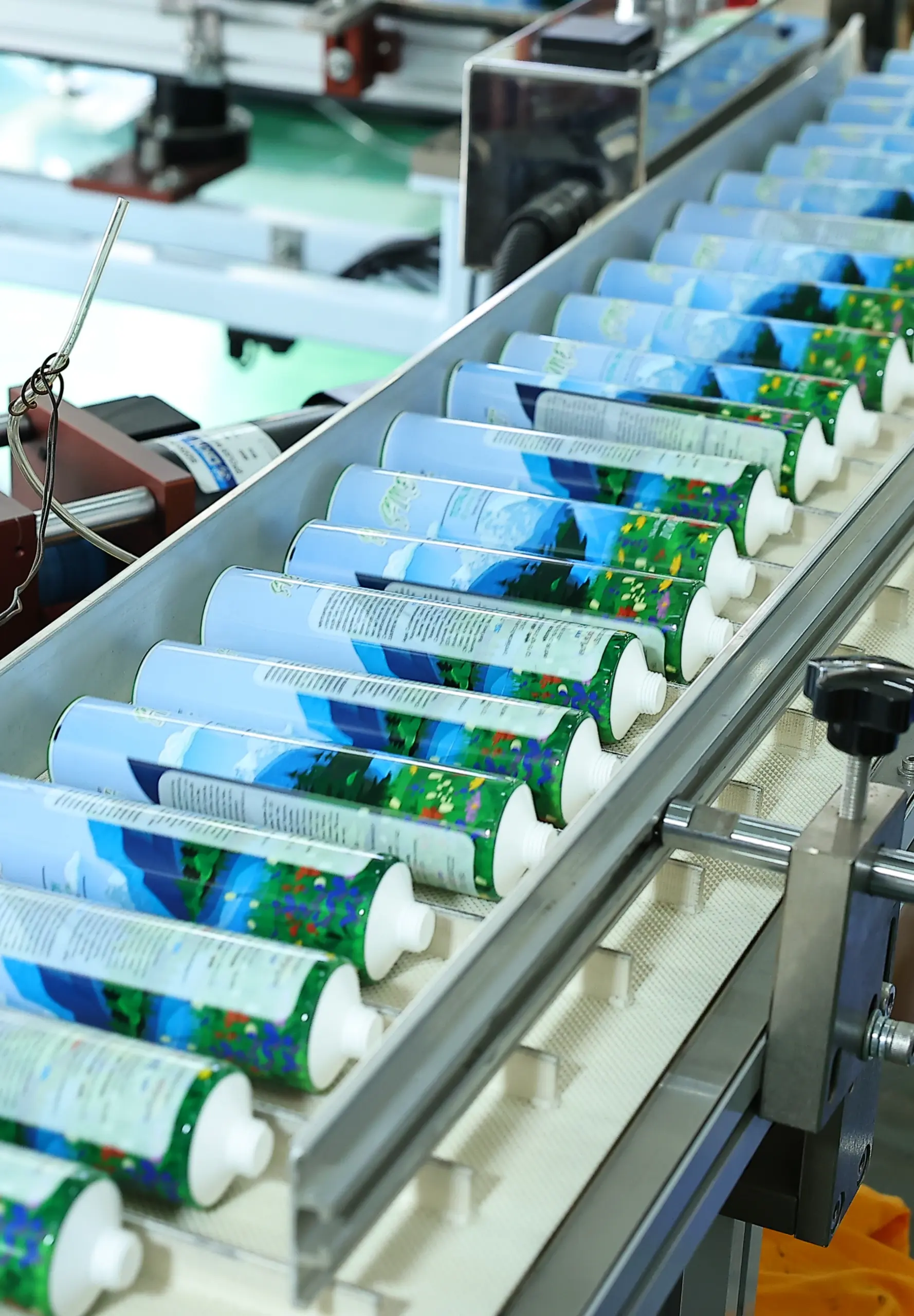
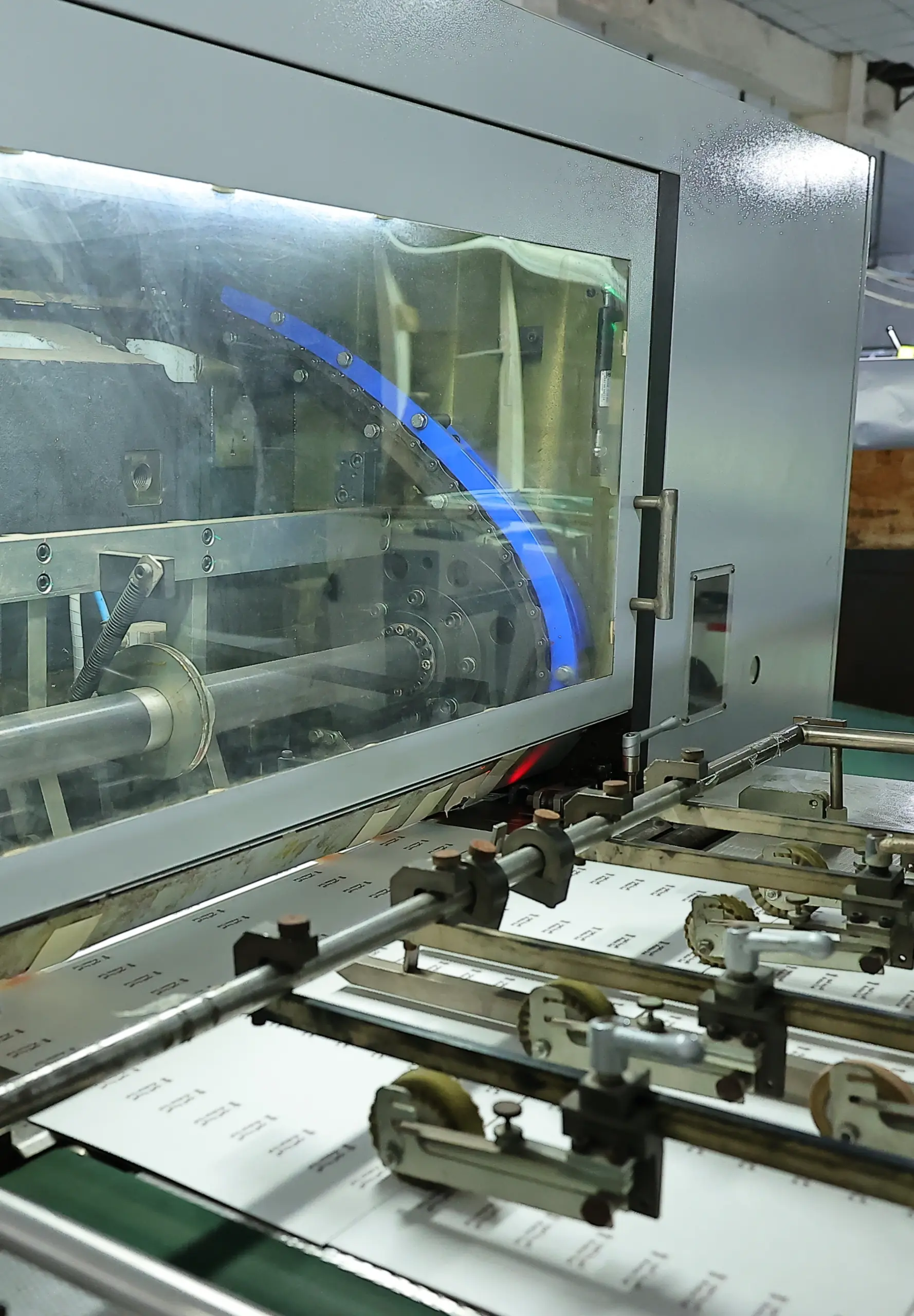
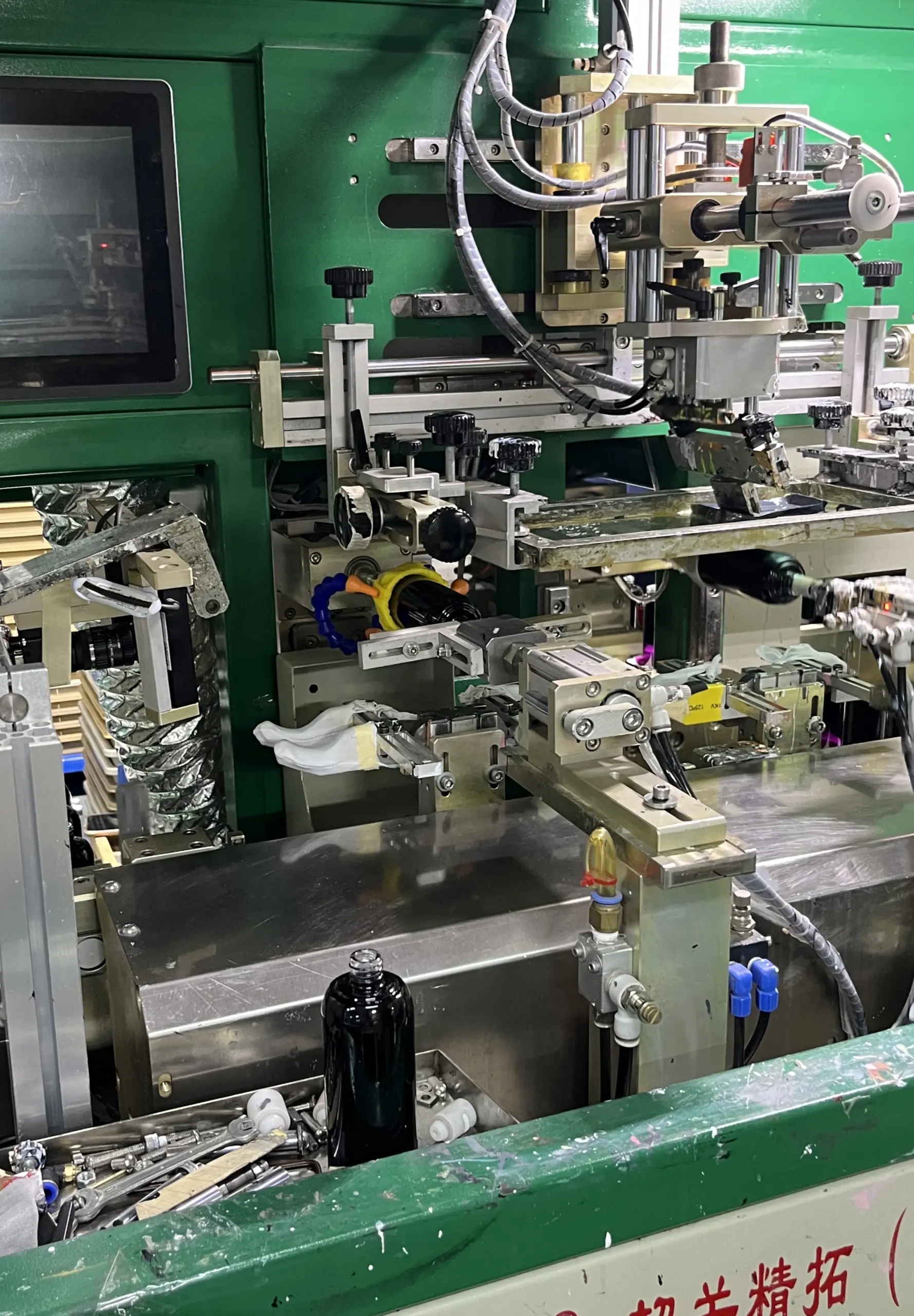
Othilapak’s factories are organized around specialized production lines for glass, plastics, assembly and decoration, allowing each material and process to be optimized for efficiency and quality. Across these facilities, automated equipment works alongside skilled operators to maintain consistent output while enabling customization for OEM and ODM projects.
Key Factory Strengths:
• Specialized, self-owned factories for glass, plastic, cardboard and decoration provide true one-stop packaging customization with strong technical and service support.
• Large, well-equipped workshops and automated lines enable high-efficiency production with flexible setups for both standard and fully custom OEM/ODM projects.
• High daily capacity—around 500,000 glass bottles, 200,000 plastic bottles and 500,000 caps—ensures reliable supply for both growing and established global brands.
End‑to‑end Production Process
From first design discussion to final shipment, Othilapak follows a clear, documented production flow to reduce risk and shorten time to market. Each stage is supported by engineering, project management and quality teams to keep projects on track and transparent.
01 Project planning & technical evaluation:
Each project begins with a clear brief capturing brand positioning, target markets, design references, volume forecasts, decoration requirements and launch timelines, followed by a technical review to assess feasibility and risk. Engineering specialists recommend suitable materials, structures and surface treatments that balance aesthetics, formula compatibility, performance and cost-efficiency.
02 Mold development & sample validation:
Based on the approved concept, molds are newly developed or adapted from existing tools, with careful attention to wall thickness, neck finishes and compatibility with pumps, droppers or closures. Pilot samples are then produced to check functionality, sealing, ergonomics and visual consistency, and feedback loops continue until both technical and brand teams sign off.
03 Stable mass production execution:
Once specifications are locked, the project moves into standardized, repeatable production on dedicated lines, using documented work instructions and process controls. Capacity is scheduled according to the agreed forecast so that volumes, colors and finishes remain consistent from batch to batch, even across multi‑SKU or series packaging programs.
04 Decoration, finishing & assembly:
After molding, components enter decoration stages such as spraying, silk‑screen printing, hot stamping, labeling or metallization, depending on the design. Finished parts are then assembled into complete packs—bottles with pumps, droppers with caps, sets with matching closures—according to the final bill of materials to ensure ready‑to‑fill packaging for customers.
05 Final quality control, packing & shipping:
Completed products undergo final quality checks, including visual inspection, dimensional sampling and functional testing where required, to ensure they meet agreed standards. Goods are then packed with appropriate surface protection, labeled and documented with traceable records before being shipped, giving brands confidence in both product quality and logistics transparency.
Molds & Custom Excellence
Molds sit at the heart of packaging performance and aesthetics, so Othilapak treats tooling as a strategic capability rather than a simple supplier service. As part of Jarsking Group, Othilapak operates one of the biggest mold factories in Guangzhou, China, giving the team strong control over tooling quality, speed and maintenance. A wide library of existing molds across bottles, jars and closures allows many projects to move quickly, while custom supports unique brand stories and shapes.
Custom Capabilities Include:
• Extensive ready-mold library
Access numerous proven molds for bottles, jars and closures, enabling fast-launch projects that skip new tooling and move directly into mass production with speed and reliability.
• Custom mold development
Create signature designs with special necks, unique capacities or ergonomic features that build distinctive brand identity and deliver ownable packaging aesthetics that stand out on shelf.
• Full design & sampling support
Leverage experienced engineering teams for 2D/3D technical drawings and rapid prototyping to optimize wall thickness, weight and component compatibility before committing to full tooling investment.
• Lifecycle maintenance & optimization
Benefit from continuous mold maintenance, repair and optimization to extend tool life, preserve dimensional accuracy and ensure repeatable, consistent quality throughout long production runs.
Materials We Work with
Othilapak works with a wide range of materials, chosen to balance performance, aesthetics, regulatory needs and sustainability goals. Material selection is guided by formula compatibility, brand positioning and the desired end‑user experience.
Glass packaging materials
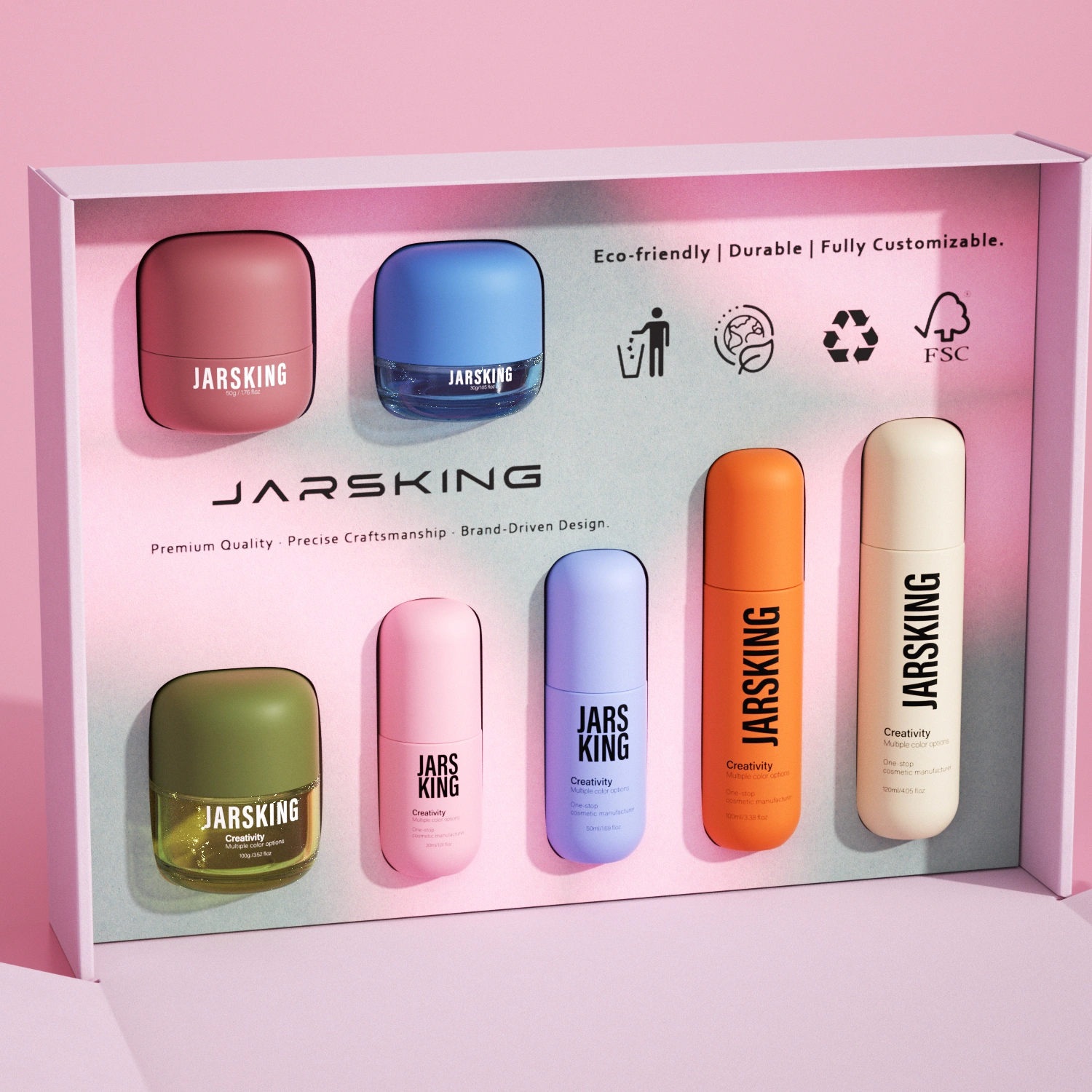
Used for skincare, fragrance and high-end beauty, glass provides weight, clarity and premium perception while being infinitely recyclable. Available in clear, frosted, colored and custom-tinted options, glass supports luxury positioning and protects sensitive formulas from light and air. It pairs seamlessly with advanced decoration techniques including frosting, metallization and multi-color printing for sophisticated brand expression.
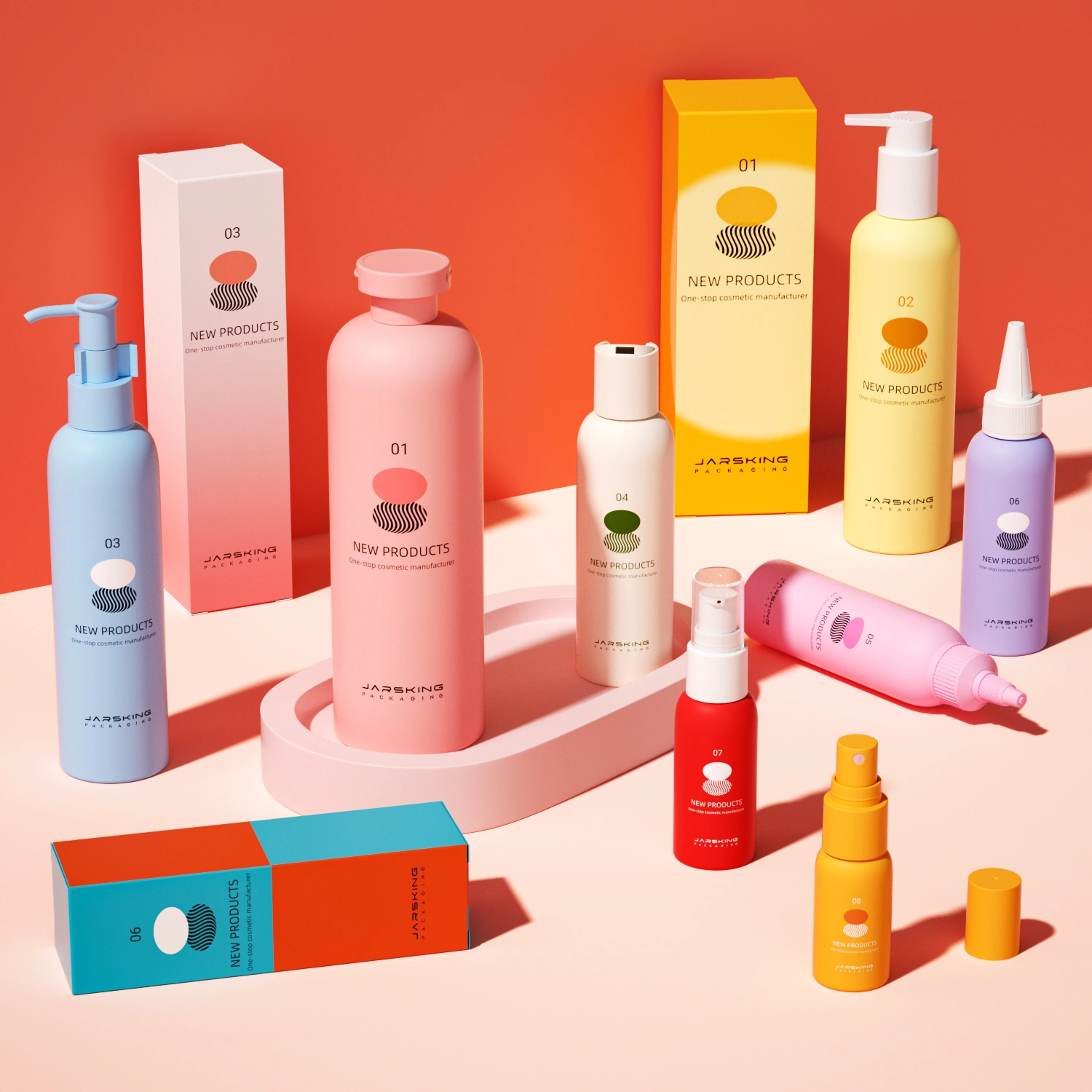
Plastic packaging materials
Plastics (PET, PE, PP, acrylic, etc.) – offer durability, impact resistance and design freedom across bottles, jars, tubes and functional components such as caps. These materials enable lightweight, shatter-resistant packaging ideal for travel sizes, active lifestyles and cost-sensitive product lines. Plastic substrates also accommodate complex geometries, squeeze functionality and integrated dispensing features that glass cannot achieve.
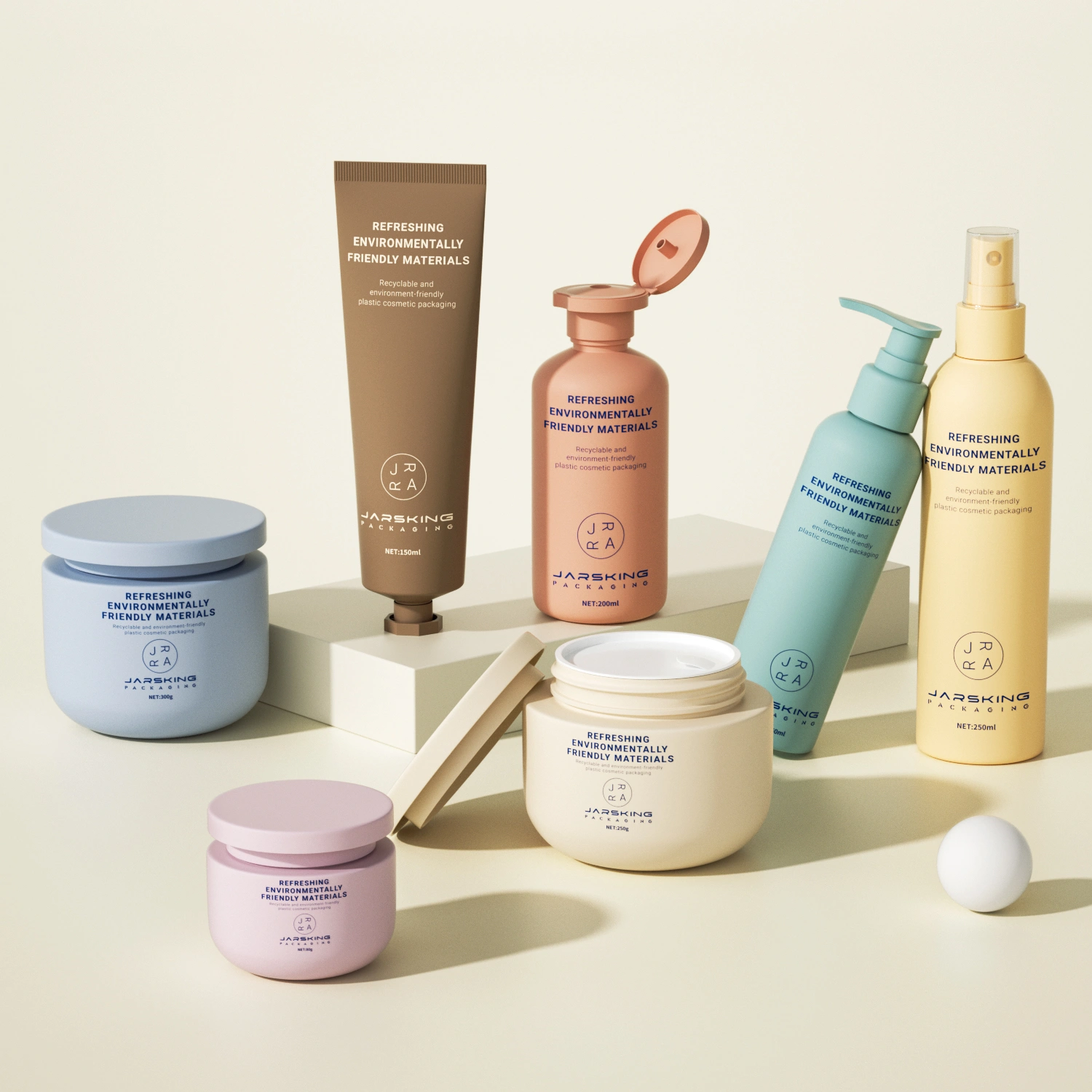
Sustainable & eco-oriented options
Including recyclable structures, refillable designs, PCR (post-consumer recycled) resins and biodegradable materials to support brands’ sustainable packaging roadmaps and environmental commitments. Othilapak offers mono-material solutions that simplify end-of-life recycling, refillable systems that reduce single-use consumption, and post-consumer resin blends that lower virgin plastic dependency. Meeting regulatory objectives and corporate sustainability commitments.
Assembly & Component Integration
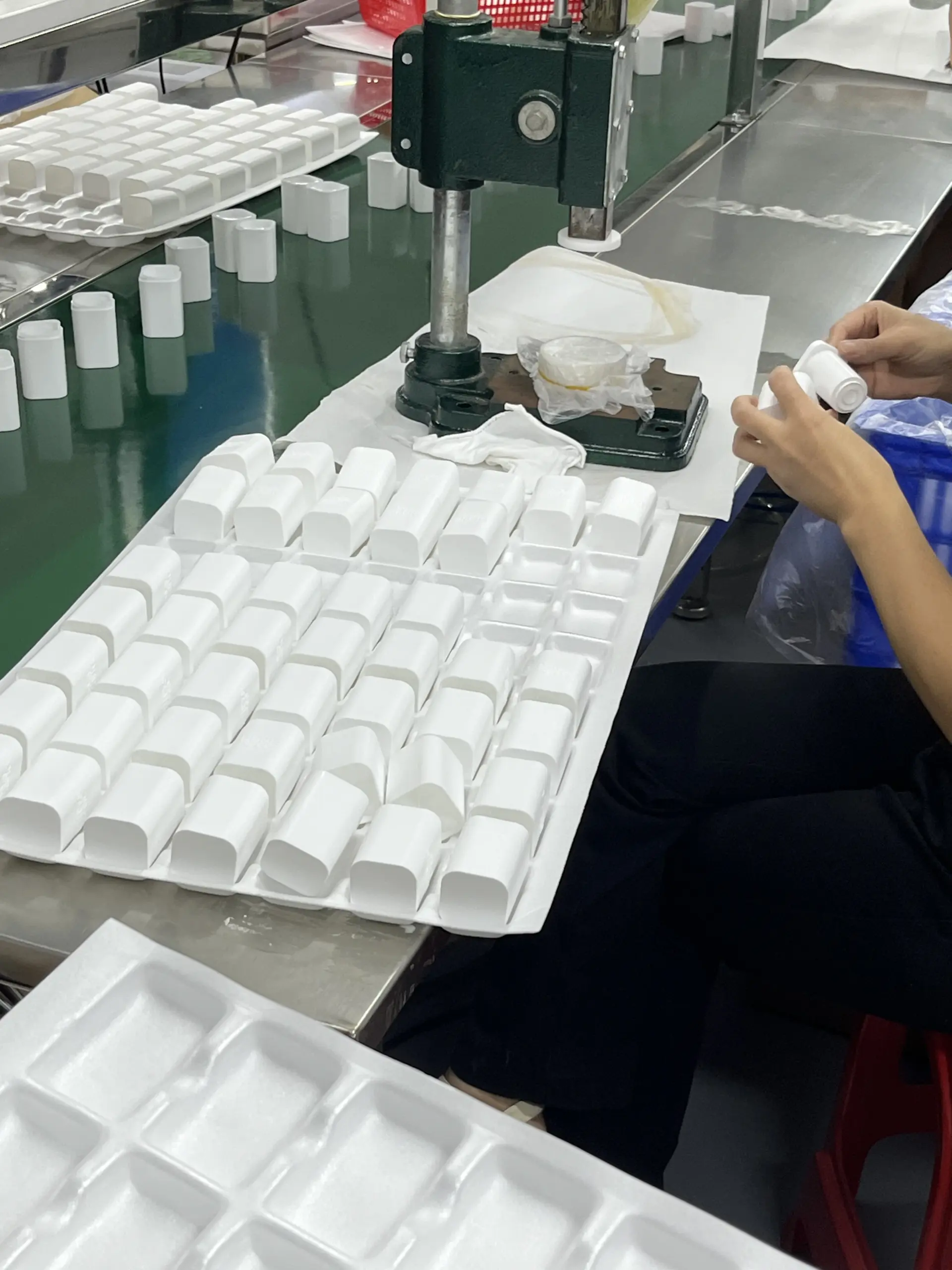
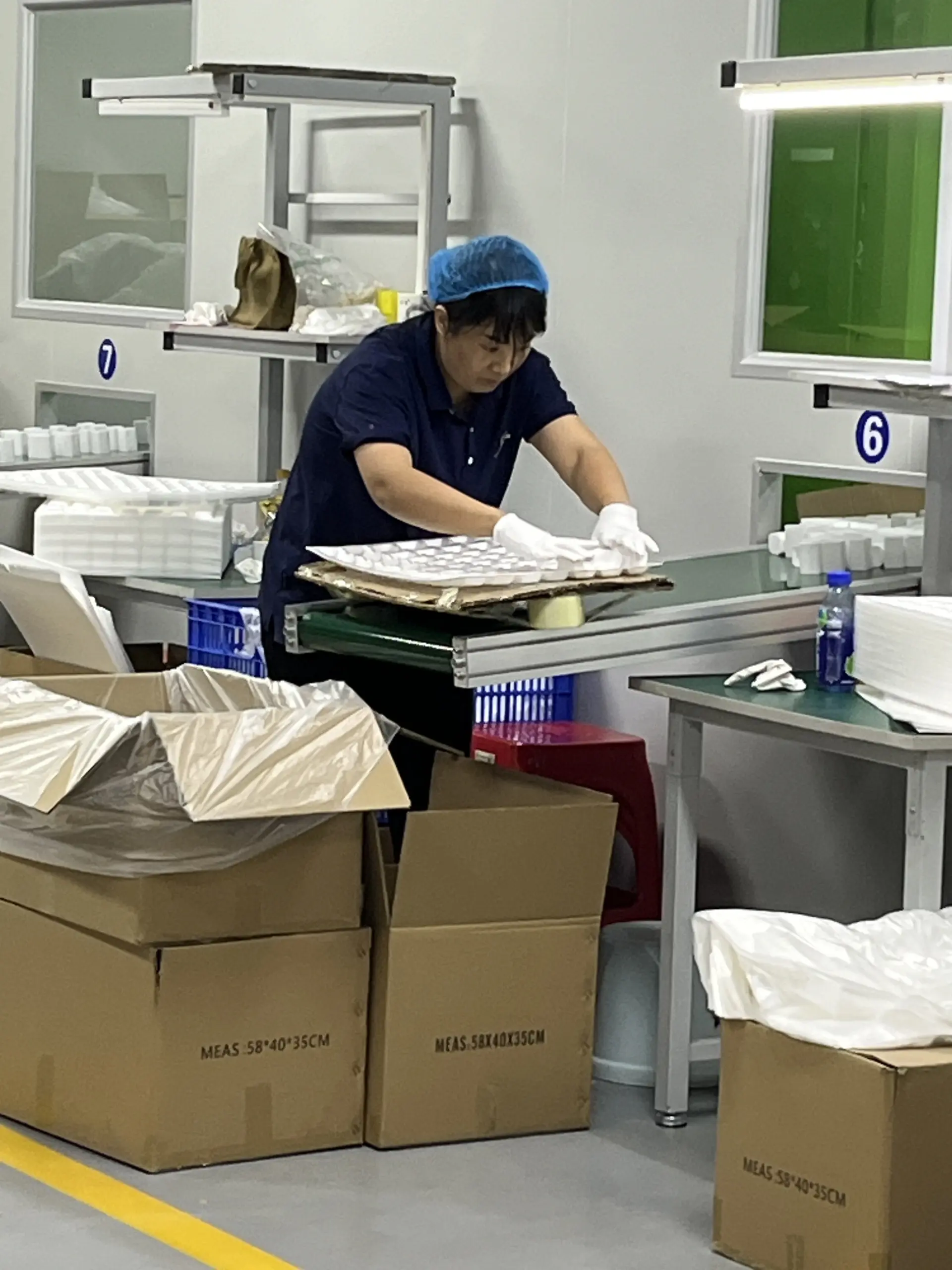
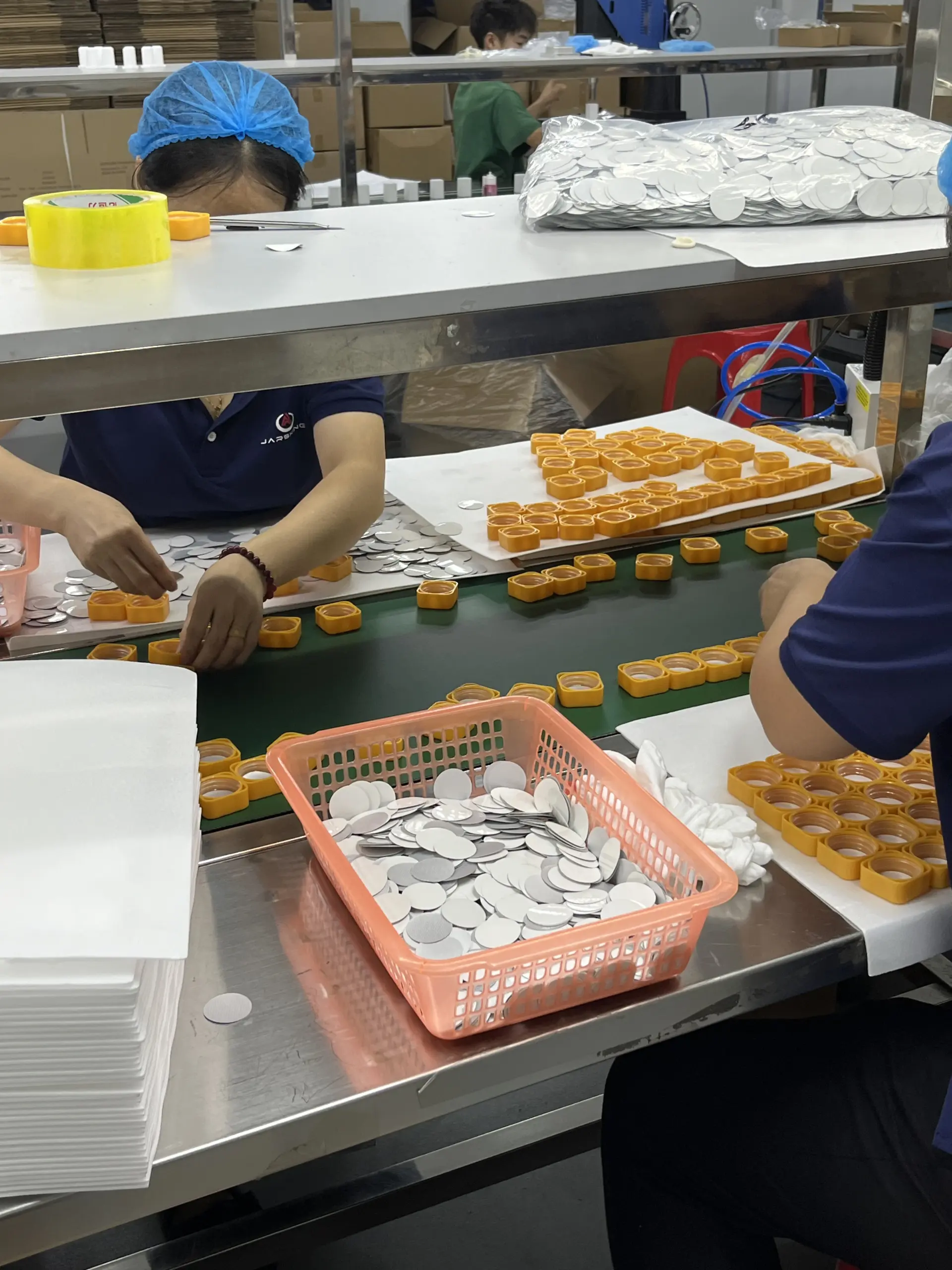
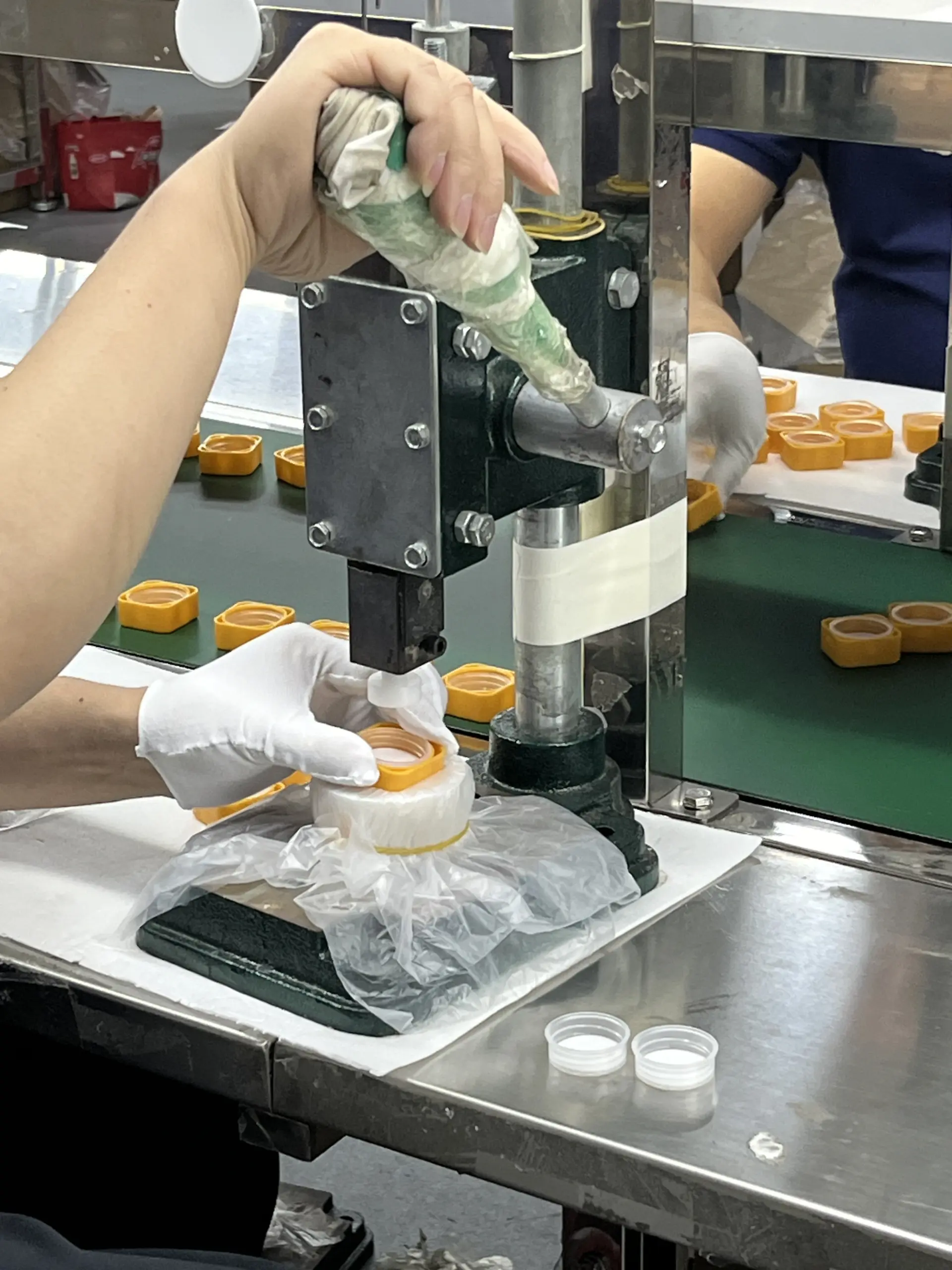
As part of the one-stop production system, dedicated assembly capabilities ensure that bottles, caps, pumps, droppers and accessories work together seamlessly before reaching filling lines. Automated and semi-automated assembly solutions help maintain consistent performance, especially for pumps, droppers and other functional parts.
Pump, sprayer and dropper assembly with controlled torque, insertion depth and fit tolerances to ensure reliable actuations, precise dosing and leak-free sealing across thousands of uses. Each functional component is tested for performance metrics such as output volume, spray pattern and dropper flow rate before integration.
Pre-assembly of multi-part caps, inner liners, gaskets and sealing components to simplify filling line operations for customers and reduce the risk of assembly errors or contamination during production. This turnkey approach means brands receive ready-to-fill packaging that requires minimal handling at the filling facility.
Kitting and configuration of coordinated sets, such as matching bottles and jars, or complete product families with consistent decoration, finishes and component styles to streamline brand launches and ensure visual cohesion across SKUs. Sets can be pre-packed for retail distribution or bundled for e-commerce fulfillment.
Assembly operations include inline inspection for component fit, function testing for pumps and droppers, and visual checks to confirm proper alignment and finish integrity before final packing. This integrated quality control helps catch issues early and ensures that assembled packaging arrives at the customer ready for immediate use.
Surface Treatment & Decoration
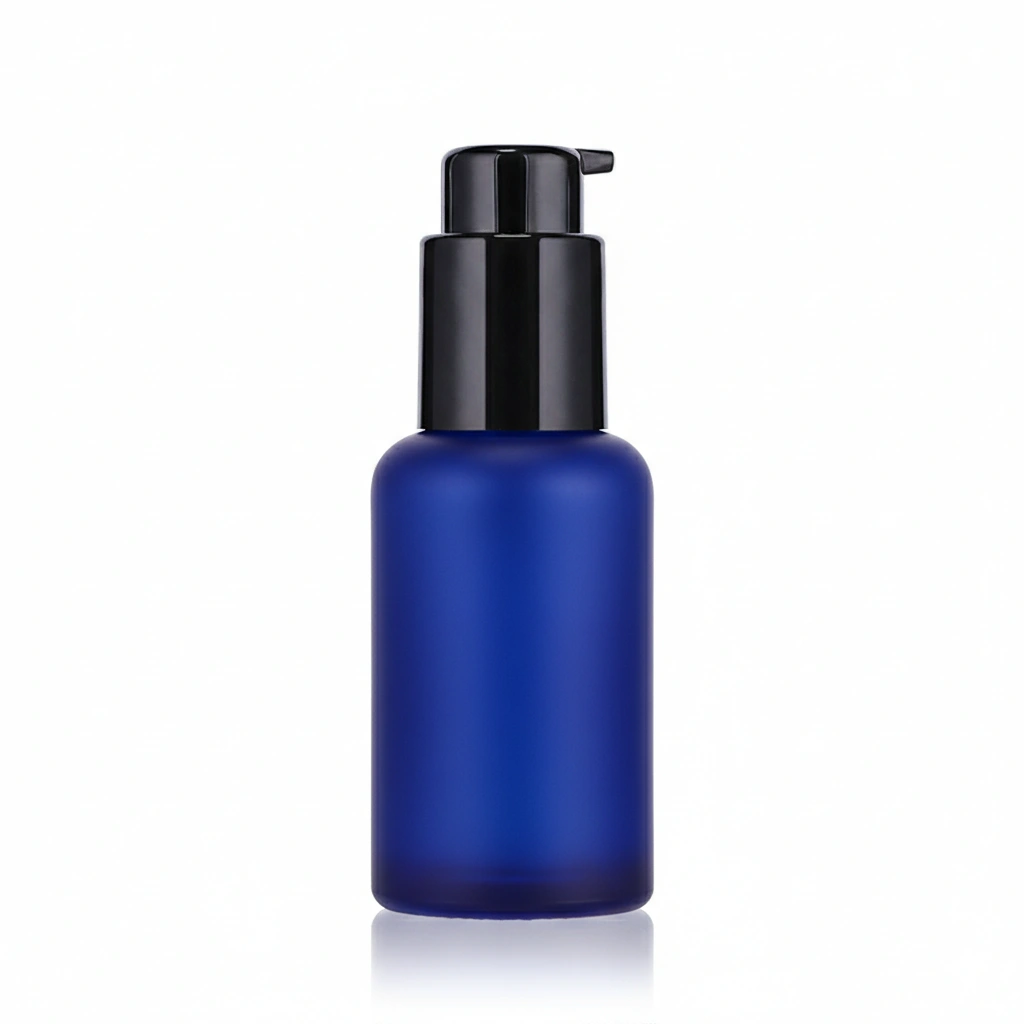
Color Coating
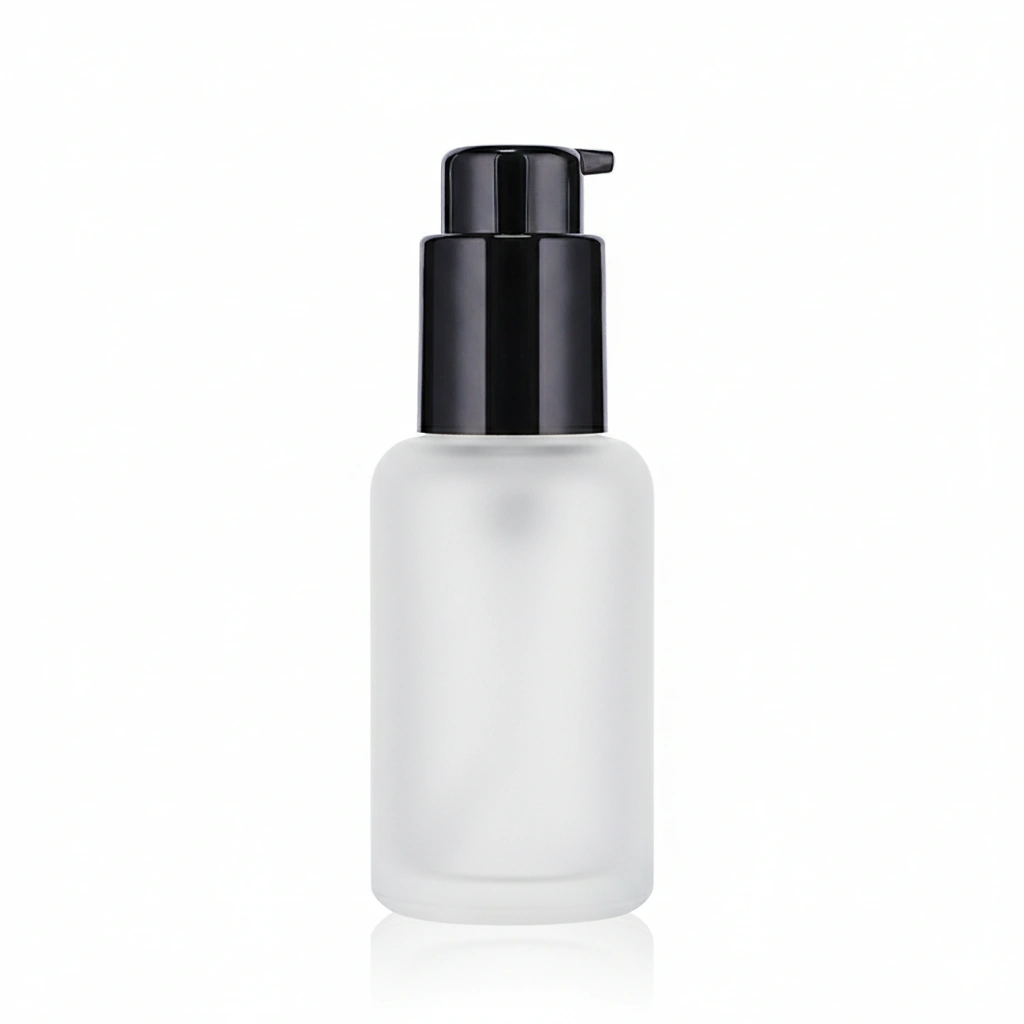
Frosting
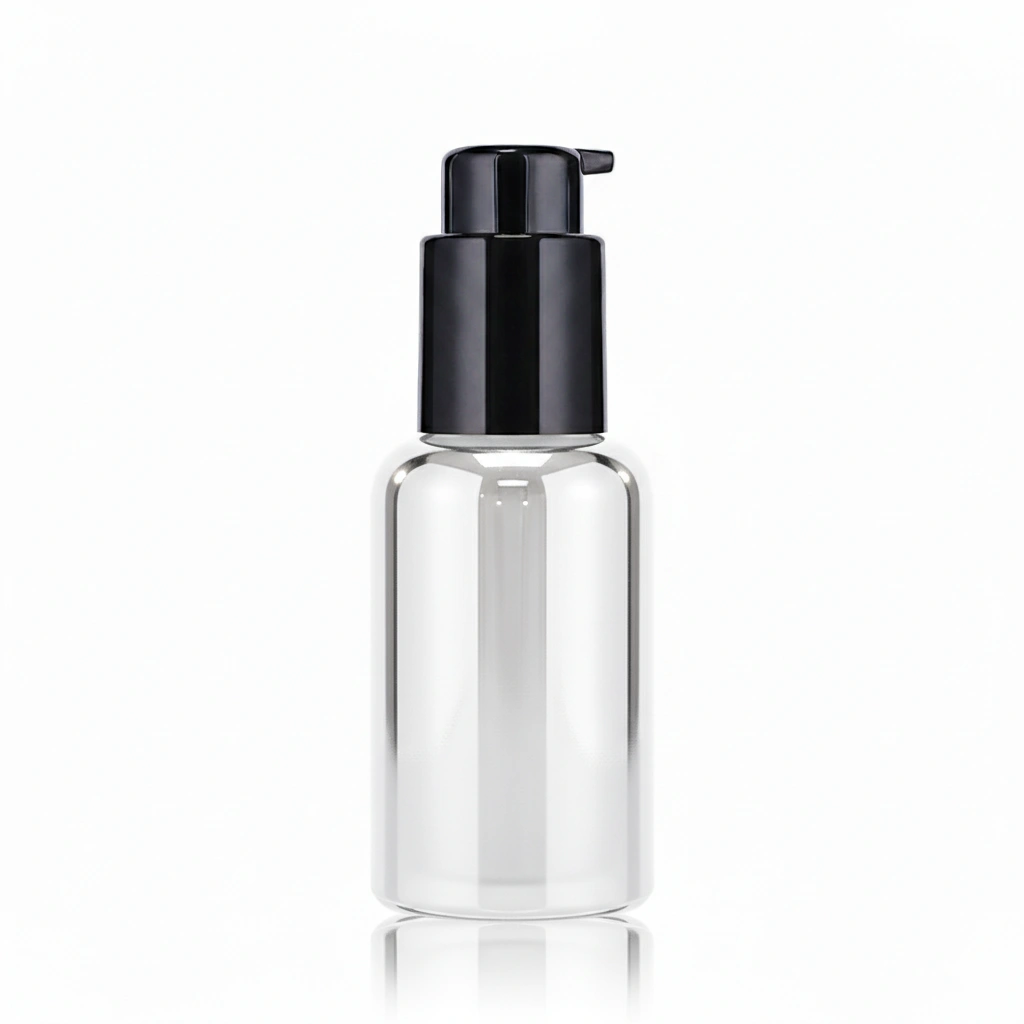
UV Coating
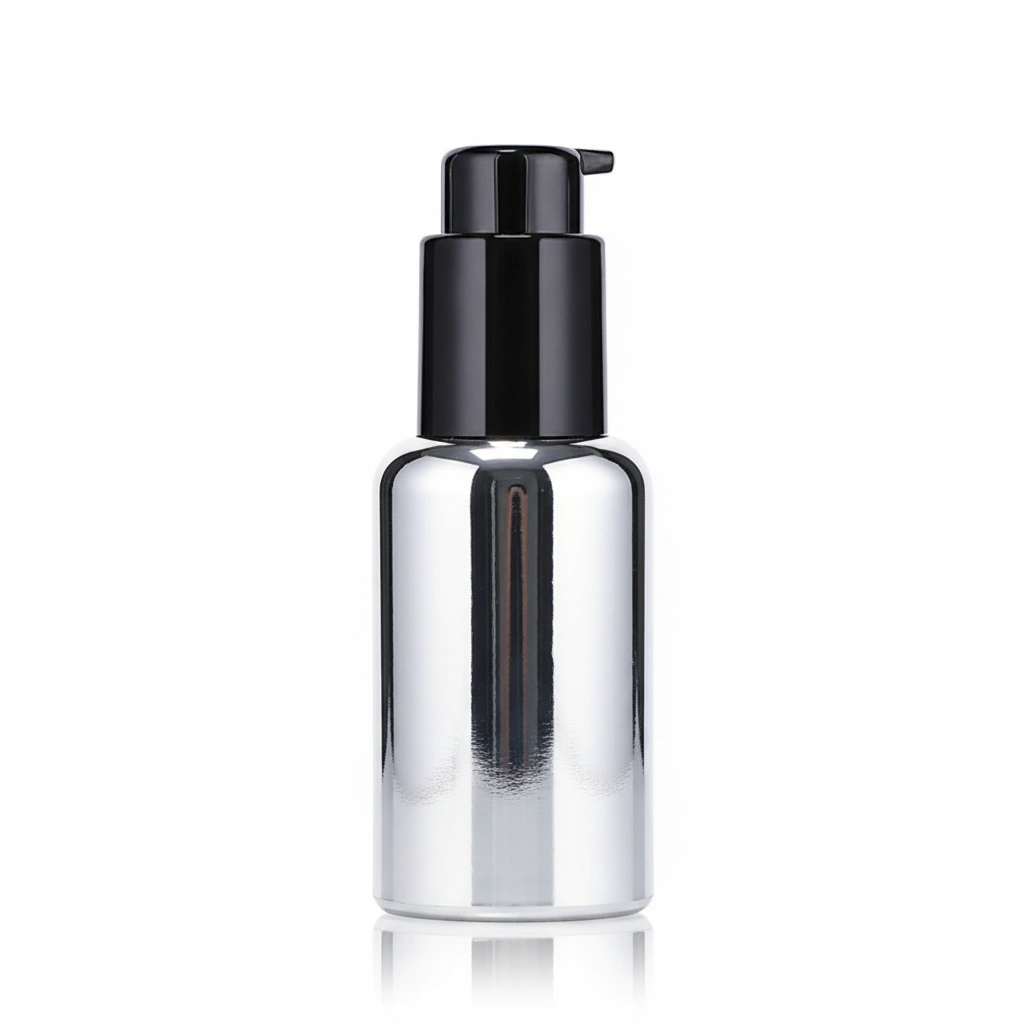
Electroplating
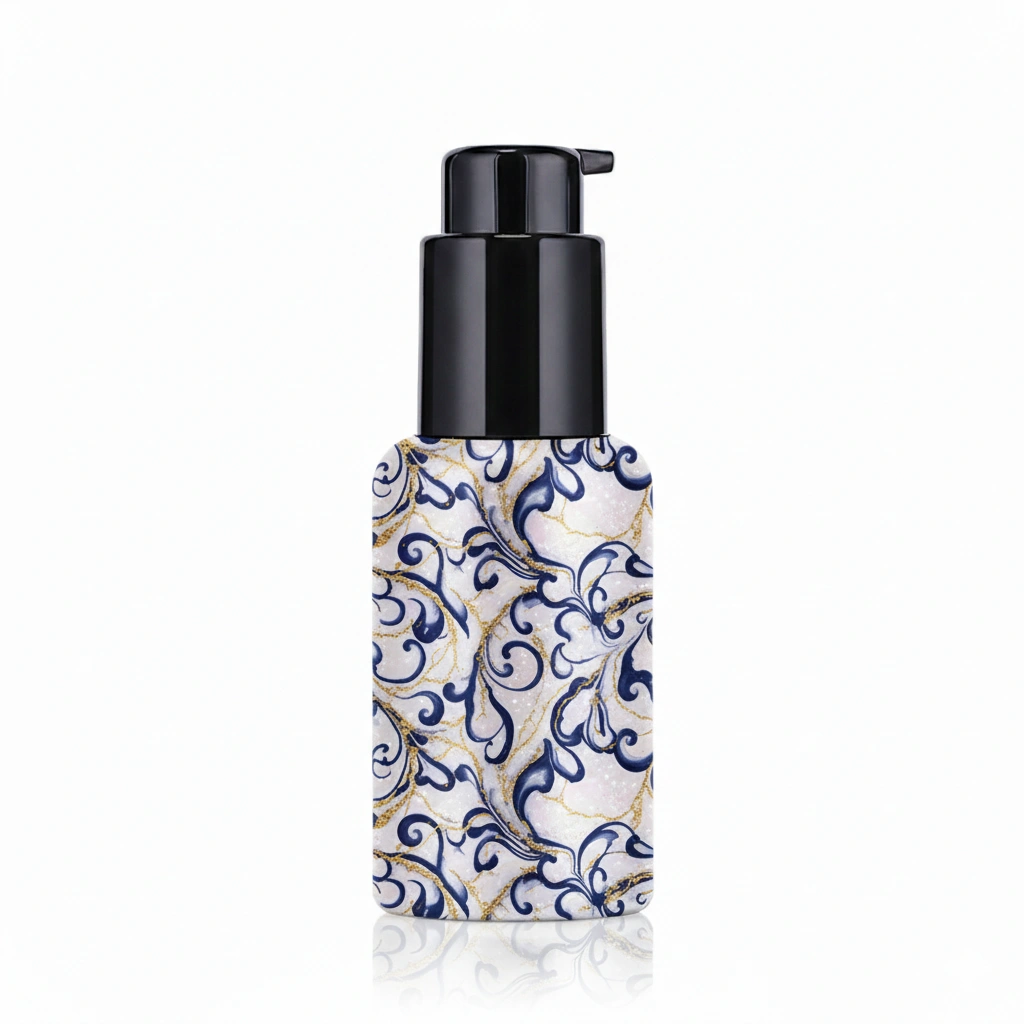
Hydro-graphics Transfer
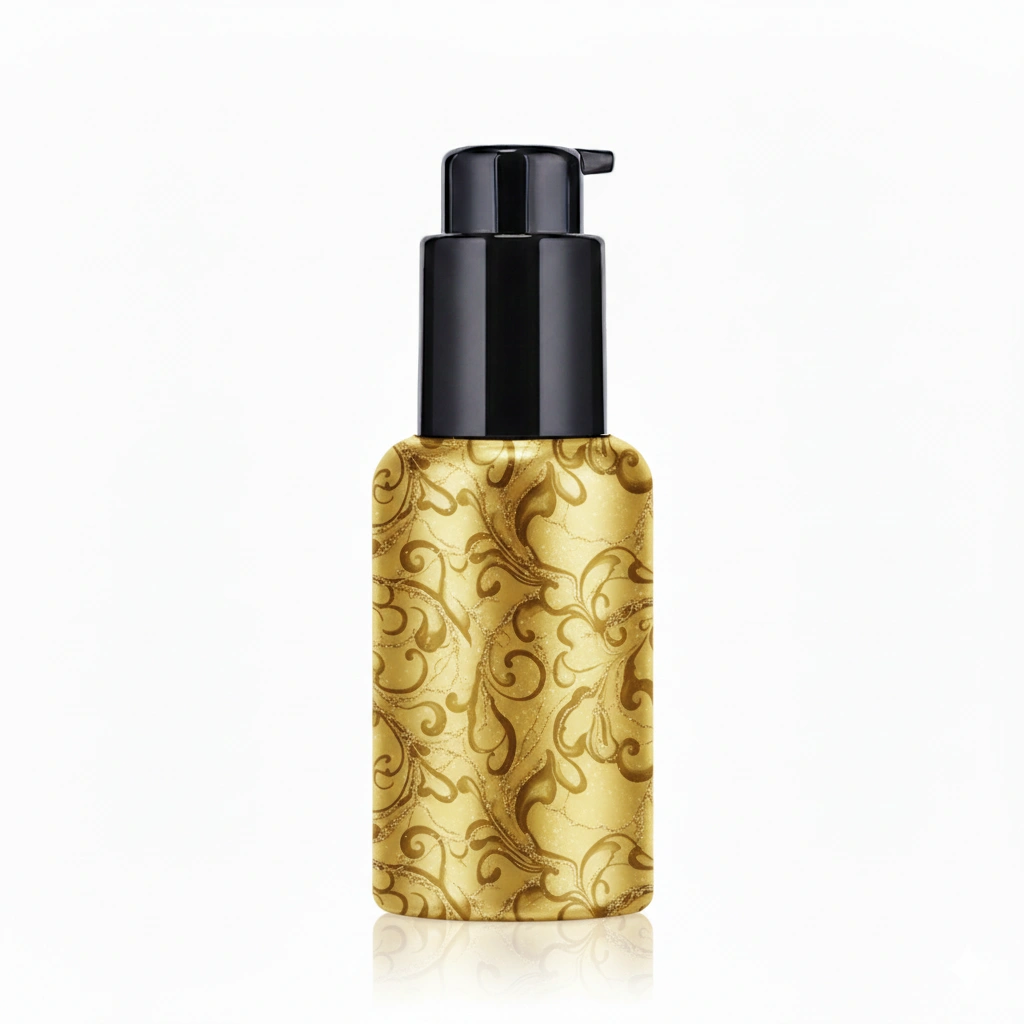
Metallization
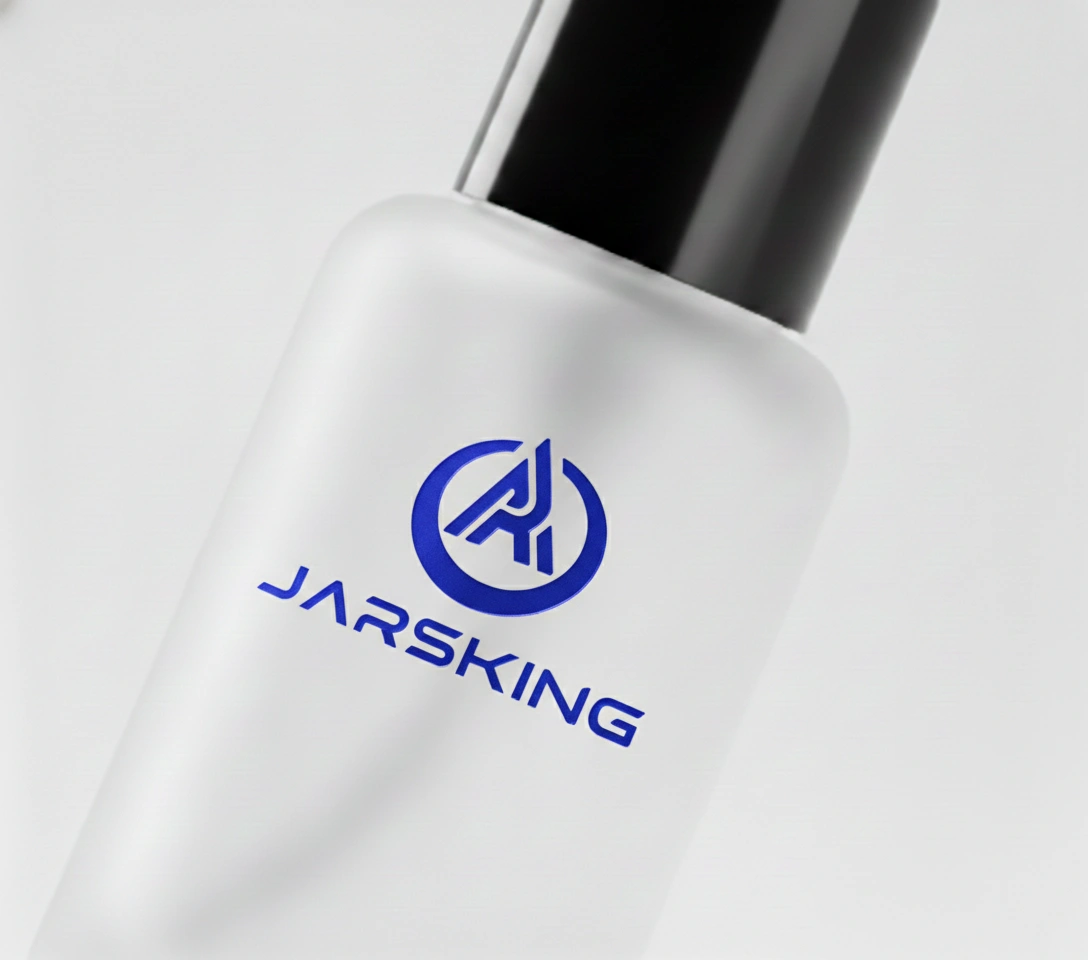
Silk Screen Printing
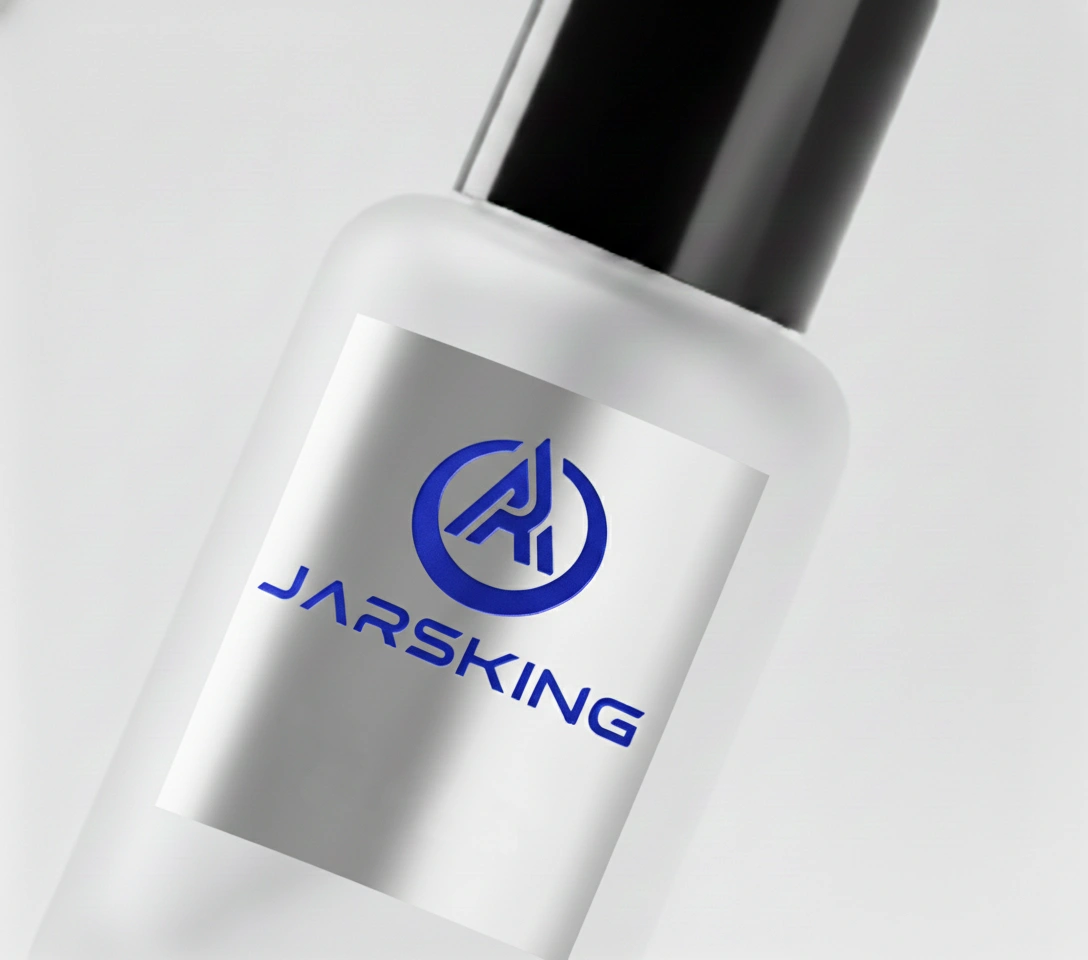
Labeling
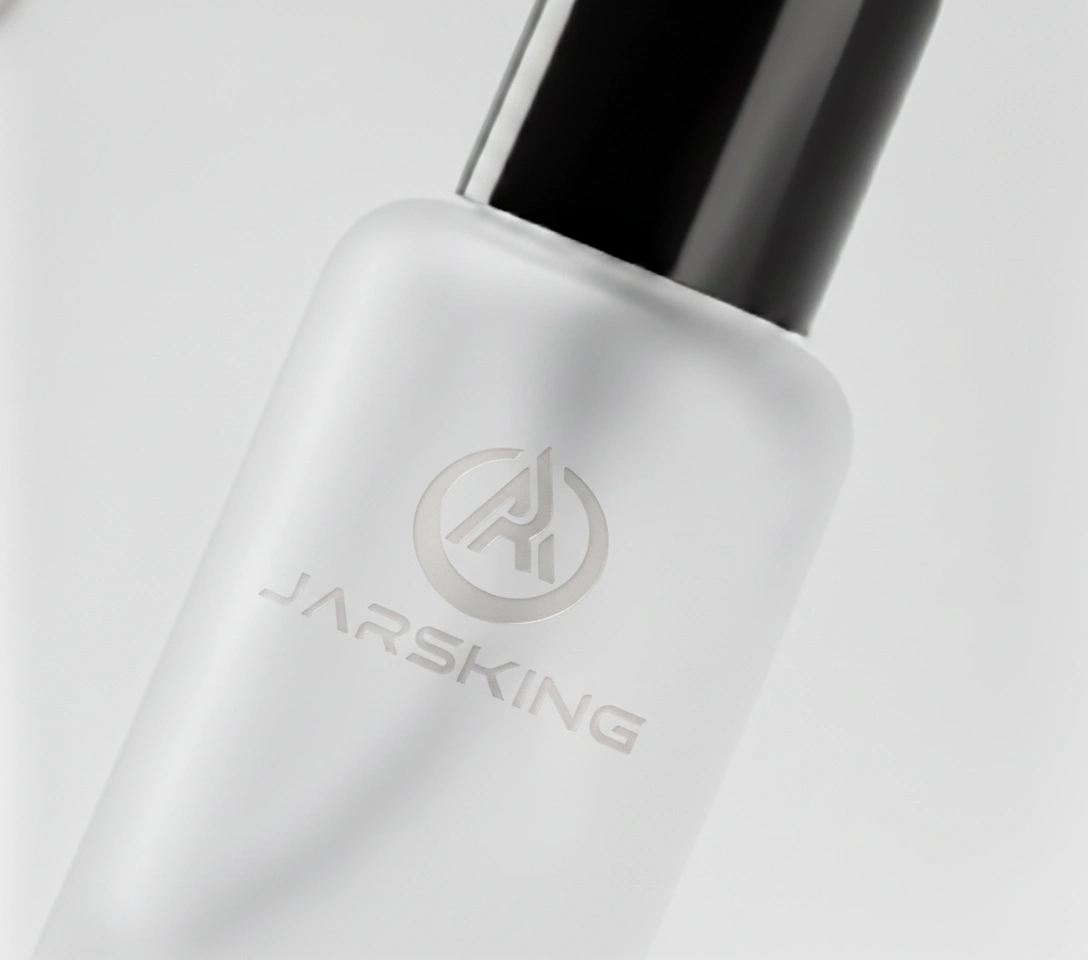
Laser Engraving
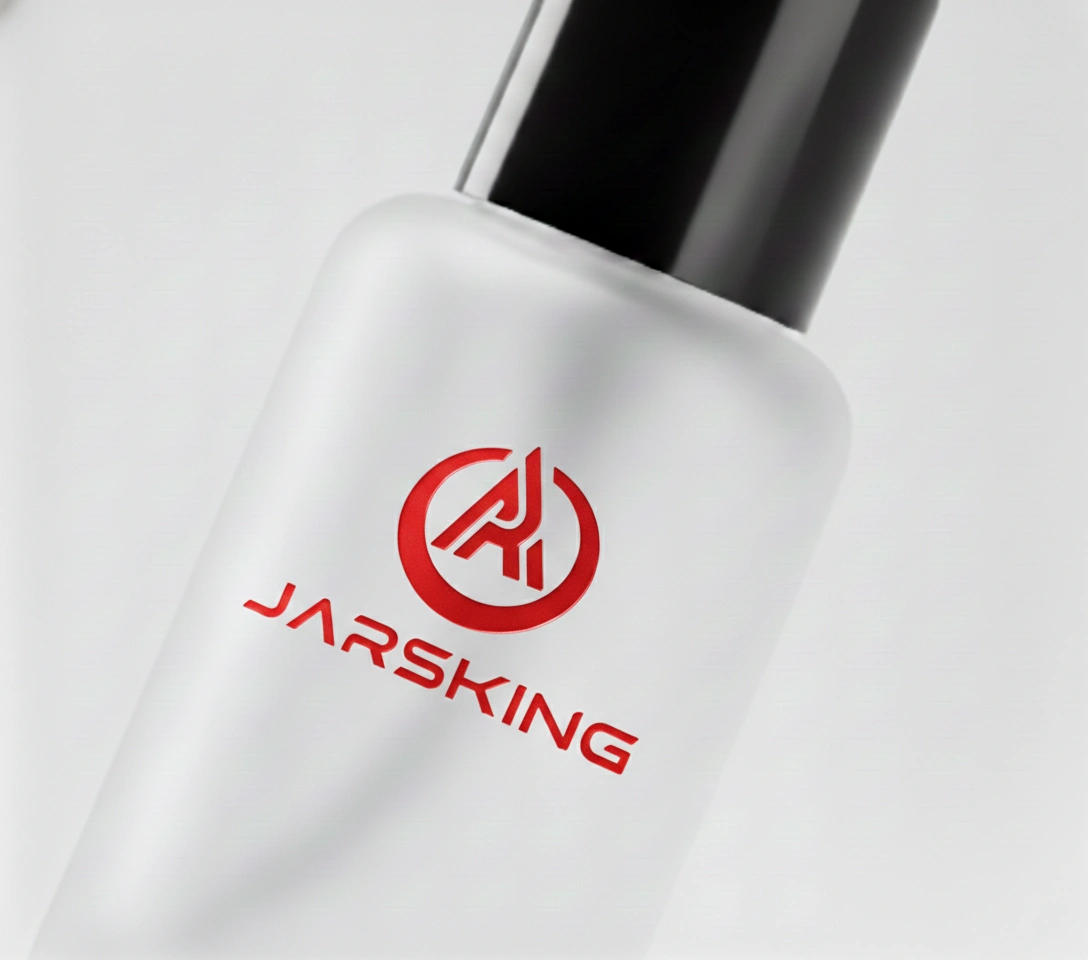
Pad Printing
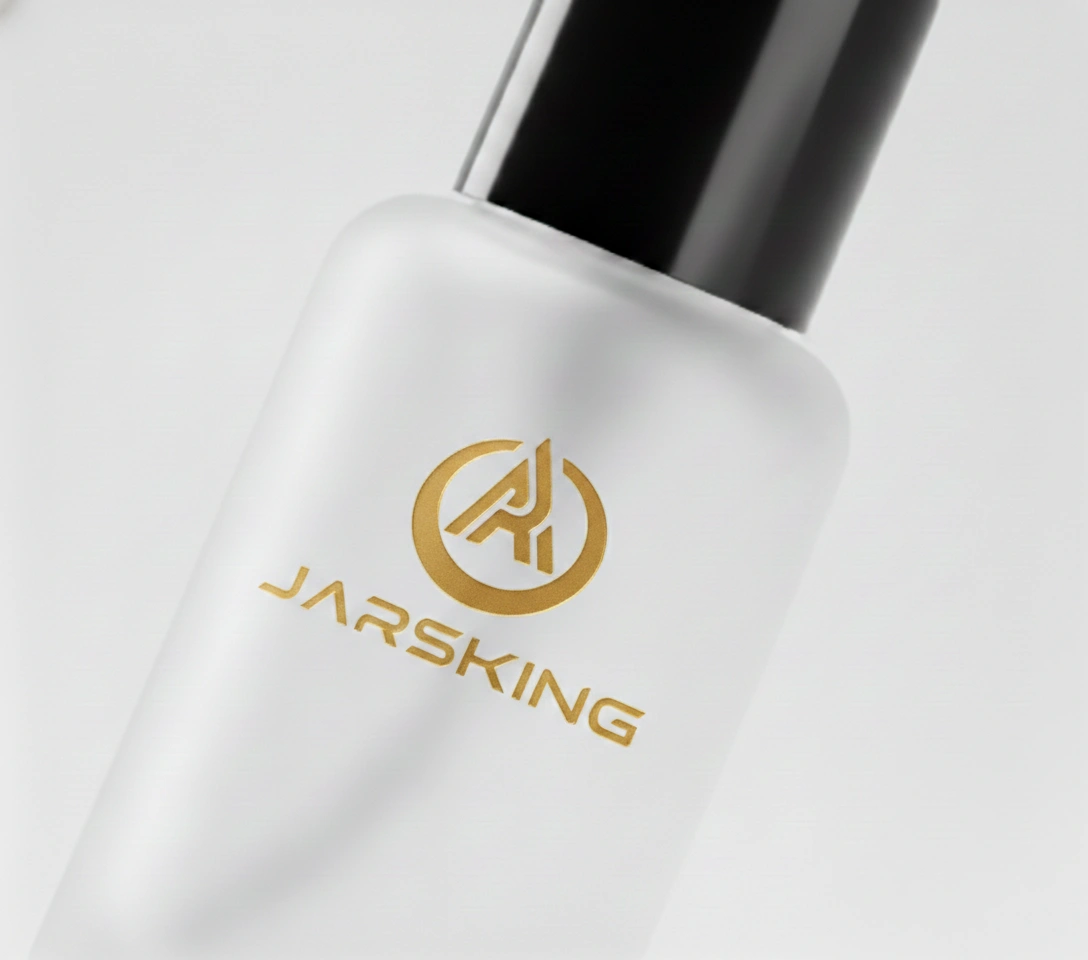
Hot Stamping
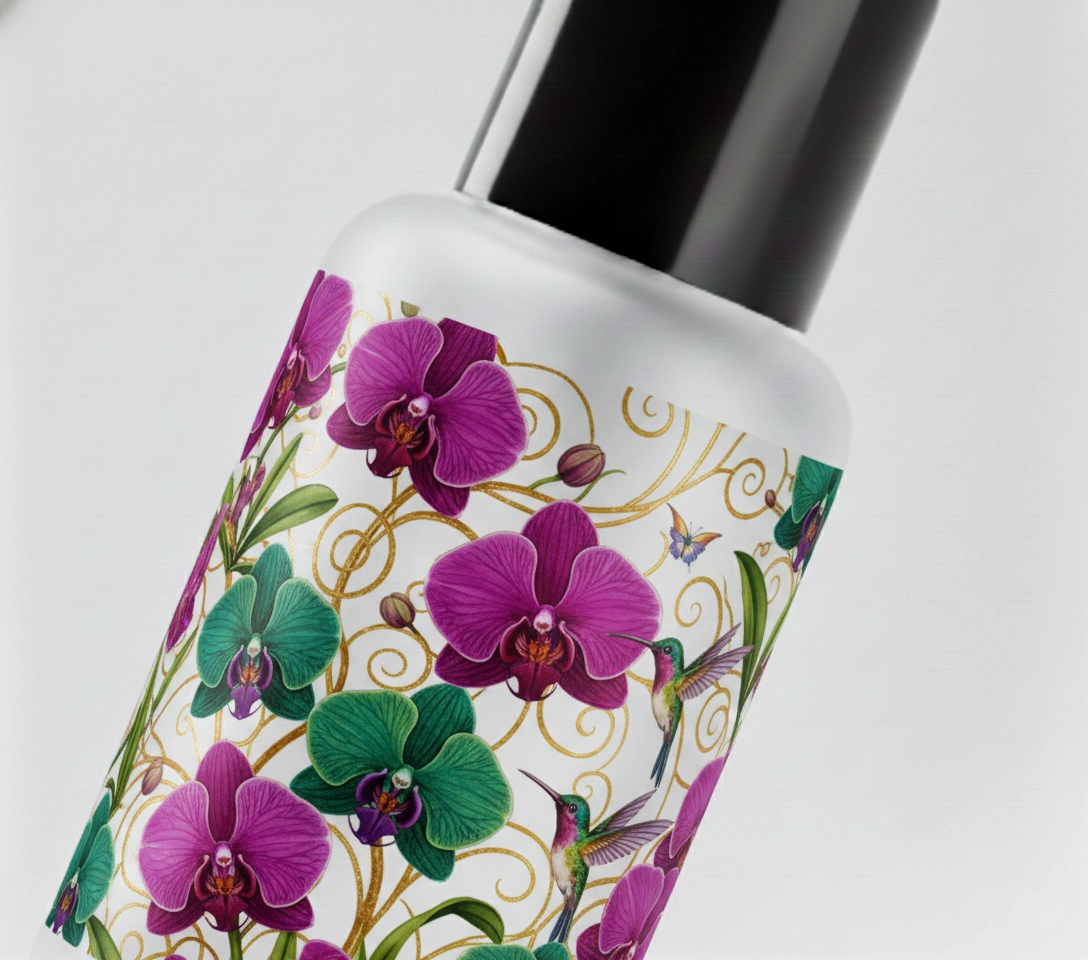
Heat Transfer Printing
Quality Control
Othilapak operates a comprehensive 100% inspection and quality test system that combines automated inspection equipment with trained visual checks, alongside documented procedures and full traceability, ensuring compliance with international standards for cosmetic and personal care packaging.
Incoming materials inspection
Verification of raw materials, glass cullet, plastic resins, components and accessories against agreed specifications before they enter production lines. This gate prevents non-conforming inputs from reaching manufacturing and ensures consistent baseline quality across batches.
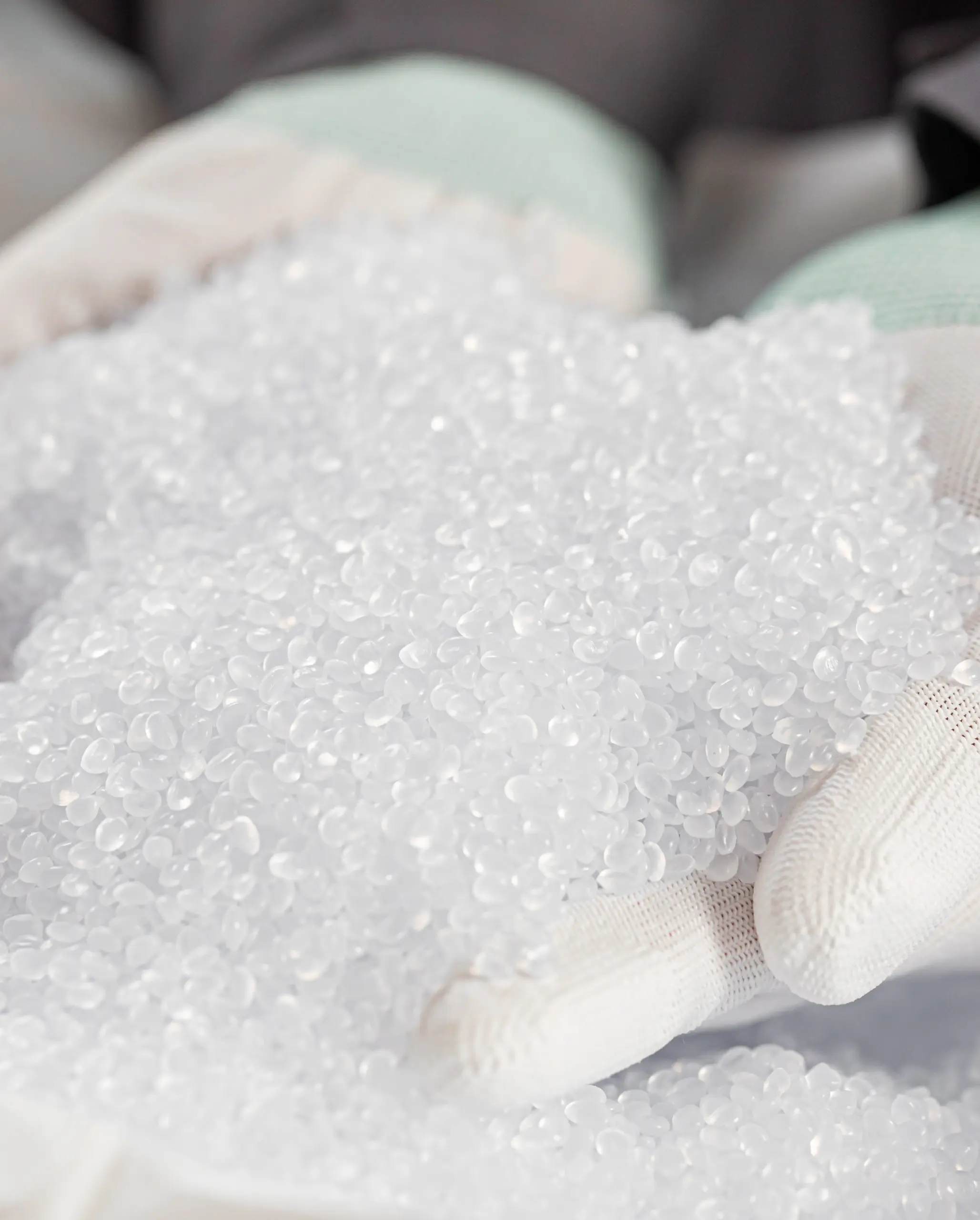
In-process quality checks
Dimensional and visual inspections after molding and after key processing steps to control defects at the source and minimize waste. Specification tests include dimension verification, weight control and visual checks for surface defects, cracks or imperfections.
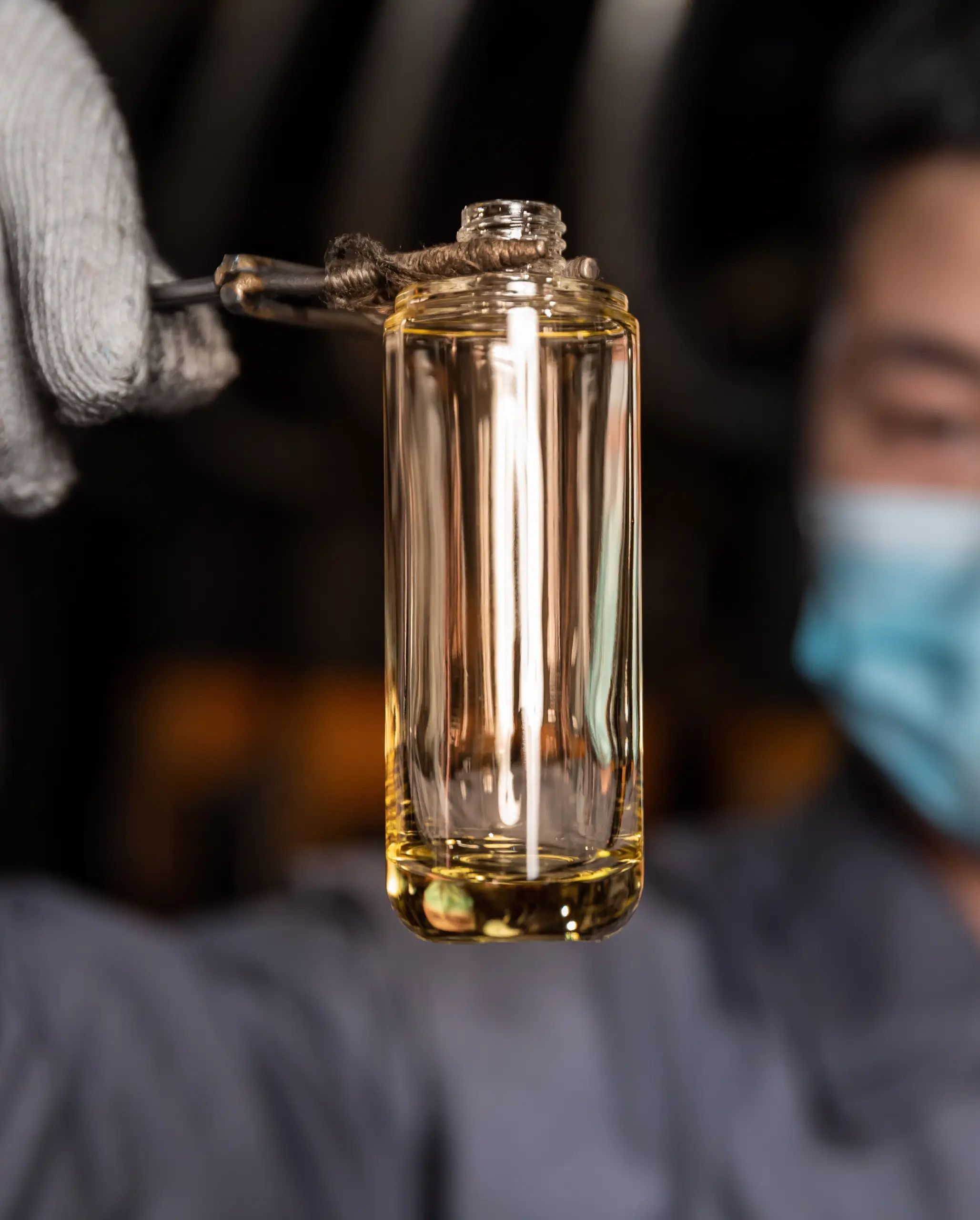
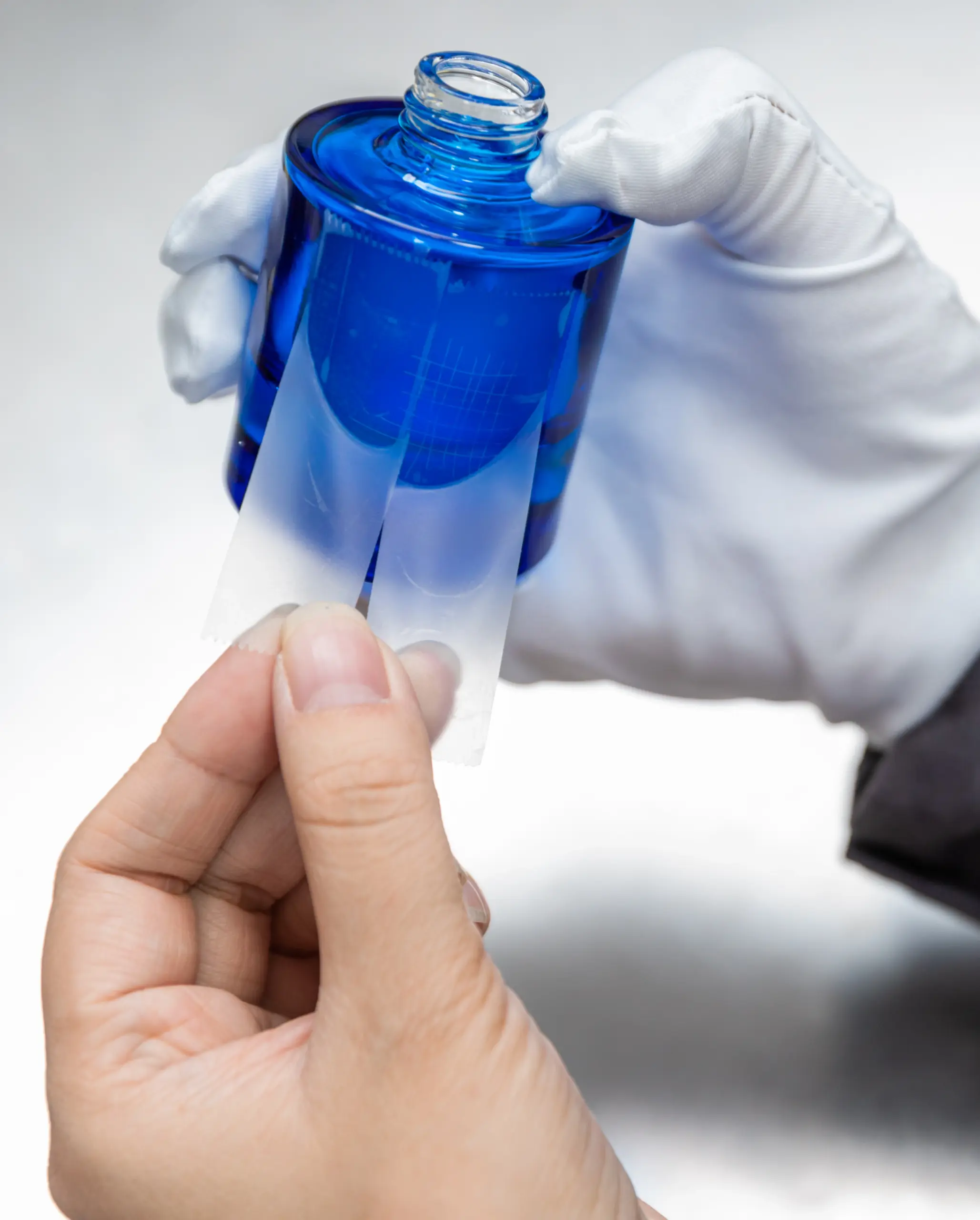
Post-decoration & assembly testing
Comprehensive tests for coating and print adhesion using 3M tape testing, rubbing resistance tests, boiling water resistance tests, and color consistency verification to ensure decoration durability. Functional tests include vacuum testing for sealing integrity, pump actuation checks and dropper flow-rate validation.
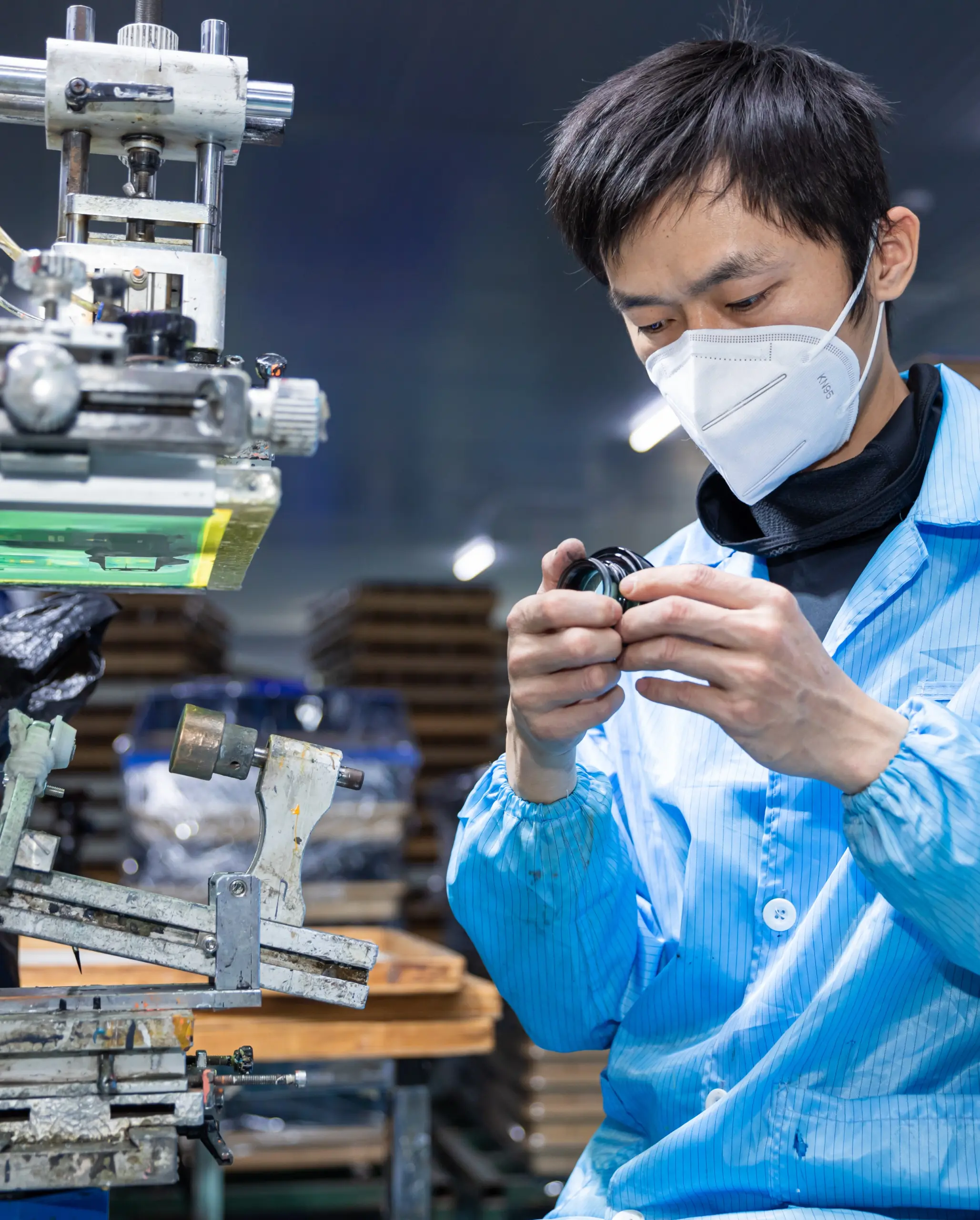
Final inspection & packing verification
Sampling based on agreed AQL (Acceptable Quality Limit) standards, plus packing checks to ensure correct labeling, accurate product counts and appropriate protective packaging for shipping. Finished goods are documented with traceable batch records before release, providing transparency and accountability throughout the supply chain.
Ready to Start
your Project? →
Othilapak partners with brands, providing support from early concept stages to mass production, integrating engineering expertise, robust manufacturing capabilities, and an unwavering commitment to exceptional quality. Simply share your drawings, samples, or ideas, and our team will recommend materials, structures, and finishing options that align with your brand positioning, budget, and time-to-market schedule. A dedicated project manager will coordinate mold development, production, and logistics to ensure your packaging arrives on time.