Quality Control & Certifications
Othilapak’s Quality Control & Certifications page demonstrates our commitment to delivering cosmetic packaging that meets the highest international standards for safety, reliability, and regulatory compliance. This comprehensive resource provides customers, partners, and stakeholders with complete transparency into our quality management systems, testing protocols, and certifications.
Four-Stage Quality Control Process
Our quality control process spans the entire product lifecycle, from raw material selection to final shipment. Each stage is documented, measured, and audited to ensure consistent performance and compliance.
☑ Raw Material Inspection
• Approved supplier list and supplier qualification process.
• Verification of incoming materials against specifications and certificates.
• Sampling and inspection of raw materials for appearance, dimensions, and performance-related properties.
• Full traceability of materials from intake to finished products through batch and lot records.
☑ In-Process Quality Control
• Real-time monitoring of critical production parameters on each line.
• In-process inspections at defined checkpoints to detect and correct issues early.
• SPC (statistical process control) where applicable to keep key dimensions and tolerances within limits.
• Process validation and periodic revalidation to confirm stability and capability over time.
☑ Final Product Testing & Inspection
• 100% visual inspection or sampling inspection, depending on product and customer requirements.
• Testing for functional performance such as sealing, closure torque, fit, and compatibility with product formulas where applicable.
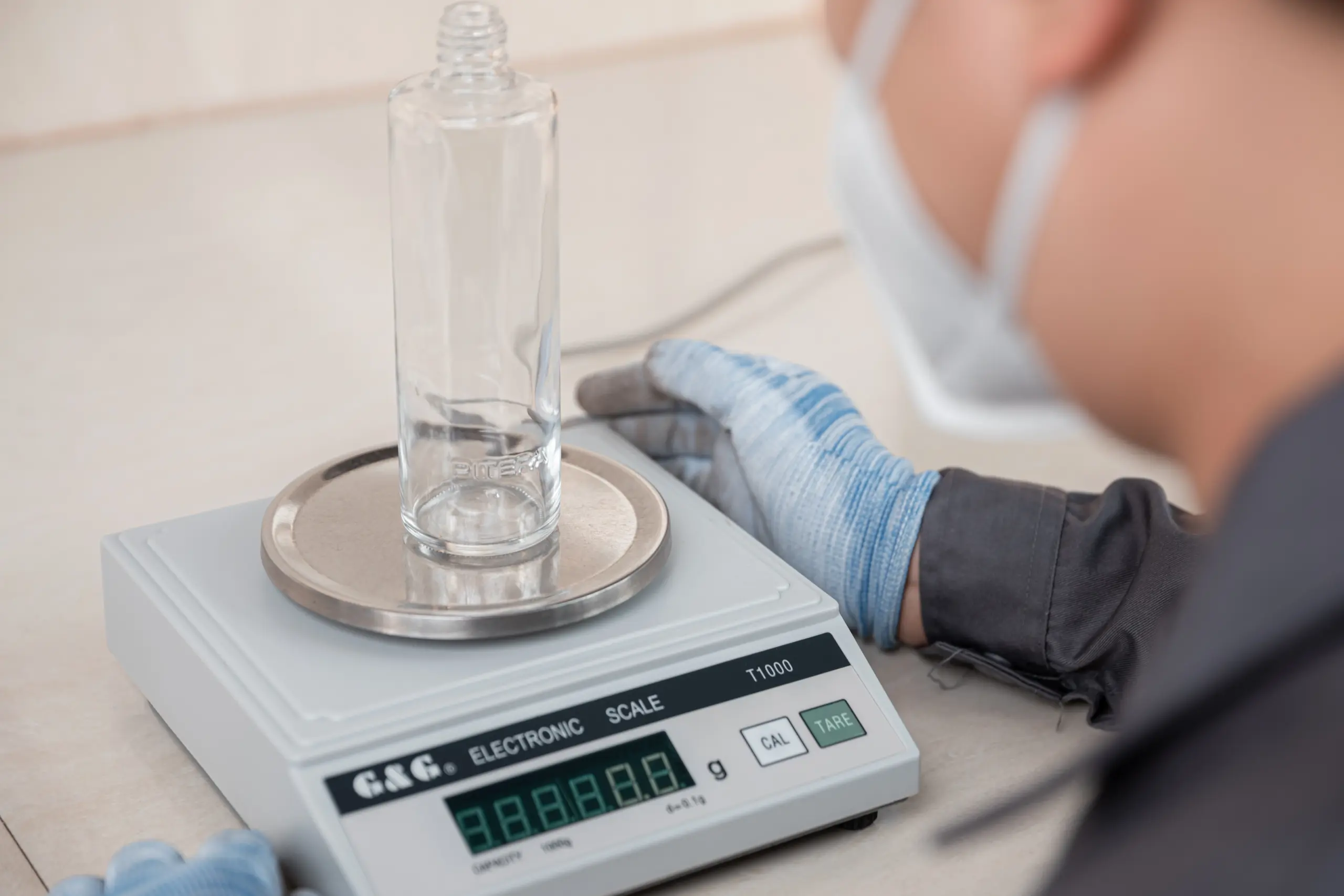
• Dimensional checks using calibrated gauges and measurement tools.
☑ Pre-Shipment Quality Verification
• Confirmation that all inspections and tests have been completed and approved.
• Random sampling of finished goods before packing and dispatch.
• Verification of labeling, documentation, and packaging against customer and regulatory requirements.
• Final release authorization to ensure only conforming products are shipped.
Quality Management Foundation
We operate under a structured quality management system that defines clear responsibilities, standardized procedures, and measurable objectives throughout our organization. Our system encompasses:
– Documented quality policies and procedures aligned with international standards.
– Risk-based thinking that identifies and mitigates potential quality issues before they occur.
– Clearly defined quality objectives with regular performance monitoring and management review.
– Continuous improvement methodology using data-driven insights and feedback loops.
– Internal audit programs that verify compliance and identify opportunities for enhancement.
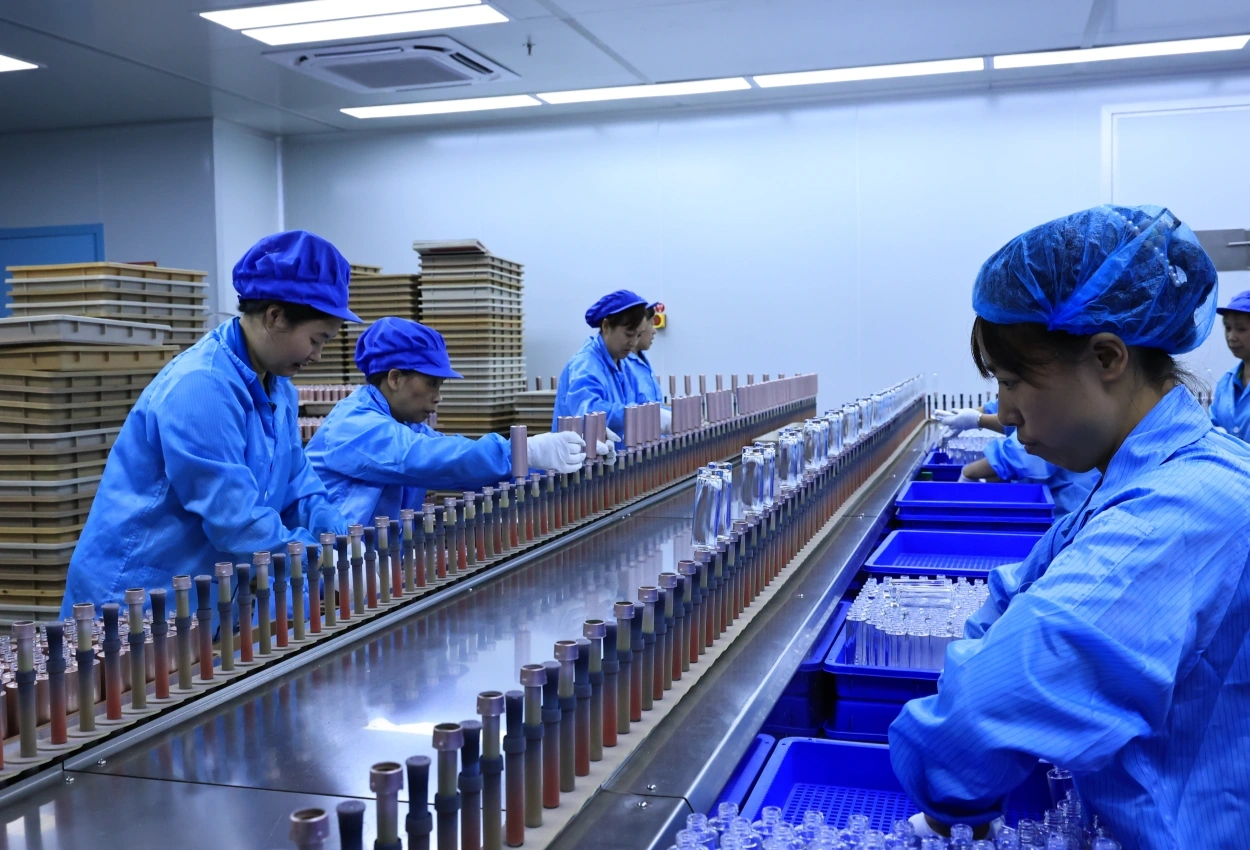
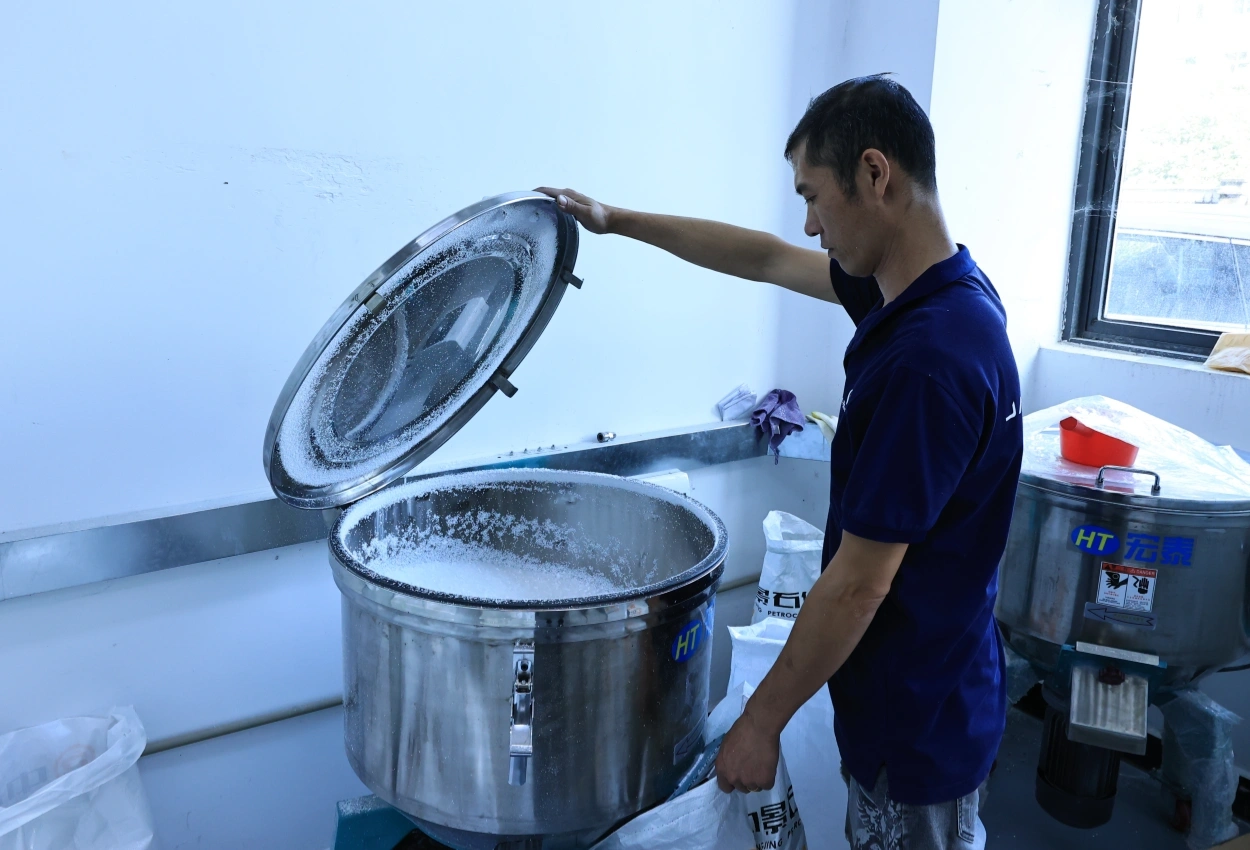
Quality begins with our supply chain. We maintain rigorous supplier management protocols to ensure every raw material and component meets our exacting standards:
– Approved supplier qualification process with thorough evaluation of capabilities, certifications, and quality systems.
– Regular supplier audits and performance reviews based on delivery, quality, and compliance metrics.
– Incoming material inspection and verification against specifications and certificates.
– Collaborative partnerships with suppliers to address issues proactively and drive mutual improvement.
– Supplier scorecards and corrective action processes to maintain accountability and continuous enhancement.
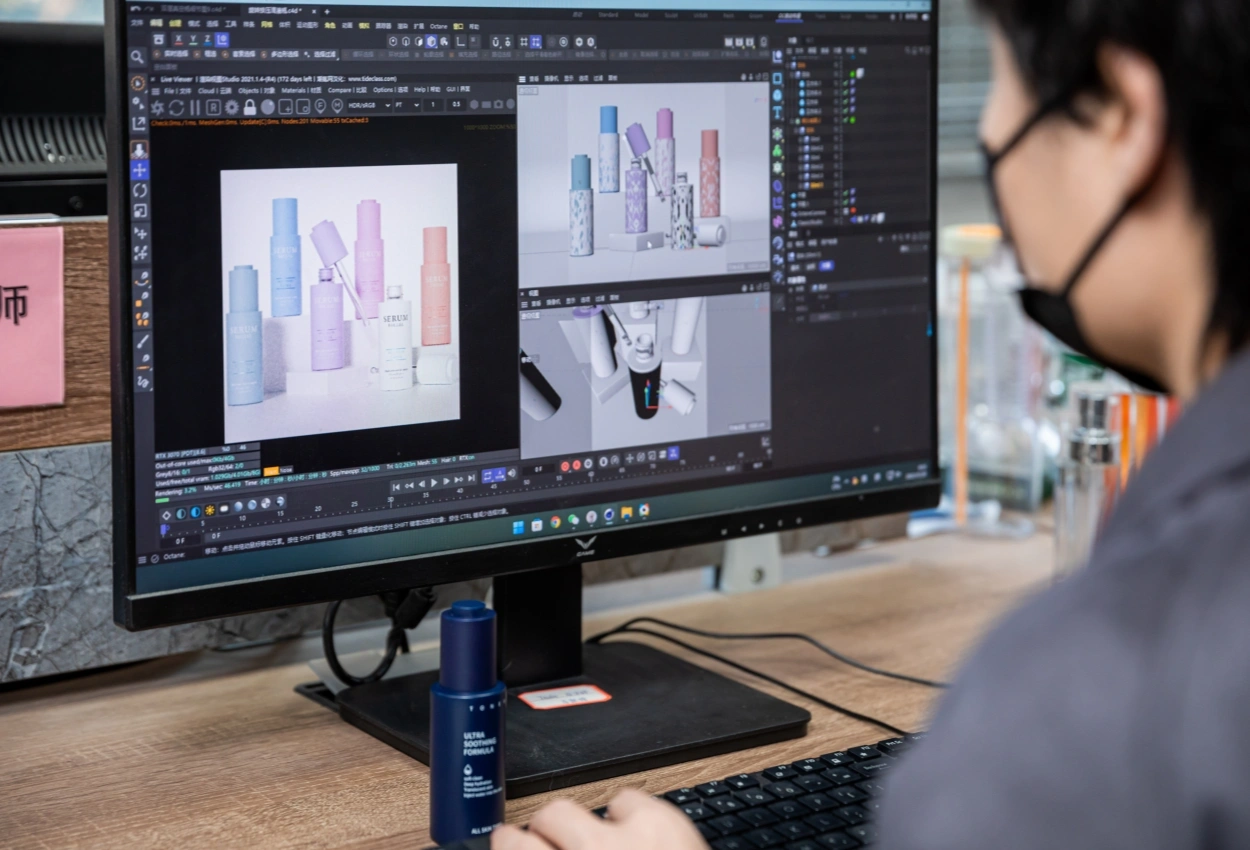
Quality is designed into our products from the earliest stages. Our design and development process integrates quality considerations at every step:
– Design review procedures that evaluate manufacturability, compliance, and performance requirements.
– Prototyping and validation testing to confirm designs meet functional and aesthetic specifications.
– Design for manufacturing (DFM) principles that reduce complexity and variation.
– Material selection guided by compatibility, safety, and regulatory requirements.
– Design control documentation ensuring traceability from customer requirements through final specifications.
Effective quality management depends on seamless communication and information flow across all functions. Our information transmission system ensures:
– Real-time data capture and reporting from production lines to quality teams.
– Standardized documentation formats for inspection records, test results, and non-conformance reports.
– Digital quality management tools that centralize data and enable rapid access and analysis.
– Clear escalation procedures for quality alerts and deviations requiring immediate attention.
– Customer communication protocols for timely updates on quality status, certifications, and compliance documentation.

Testing Standards & Methodologies
Our testing methods are aligned with international standards and industry best practices to ensure repeatable and reliable results. Dedicated inspection and testing teams work with calibrated equipment and documented methods, backed by certifications including ROHS, TUV, ISO, REACH and BSCI to meet global regulatory requirements.
Physical Performance Tests
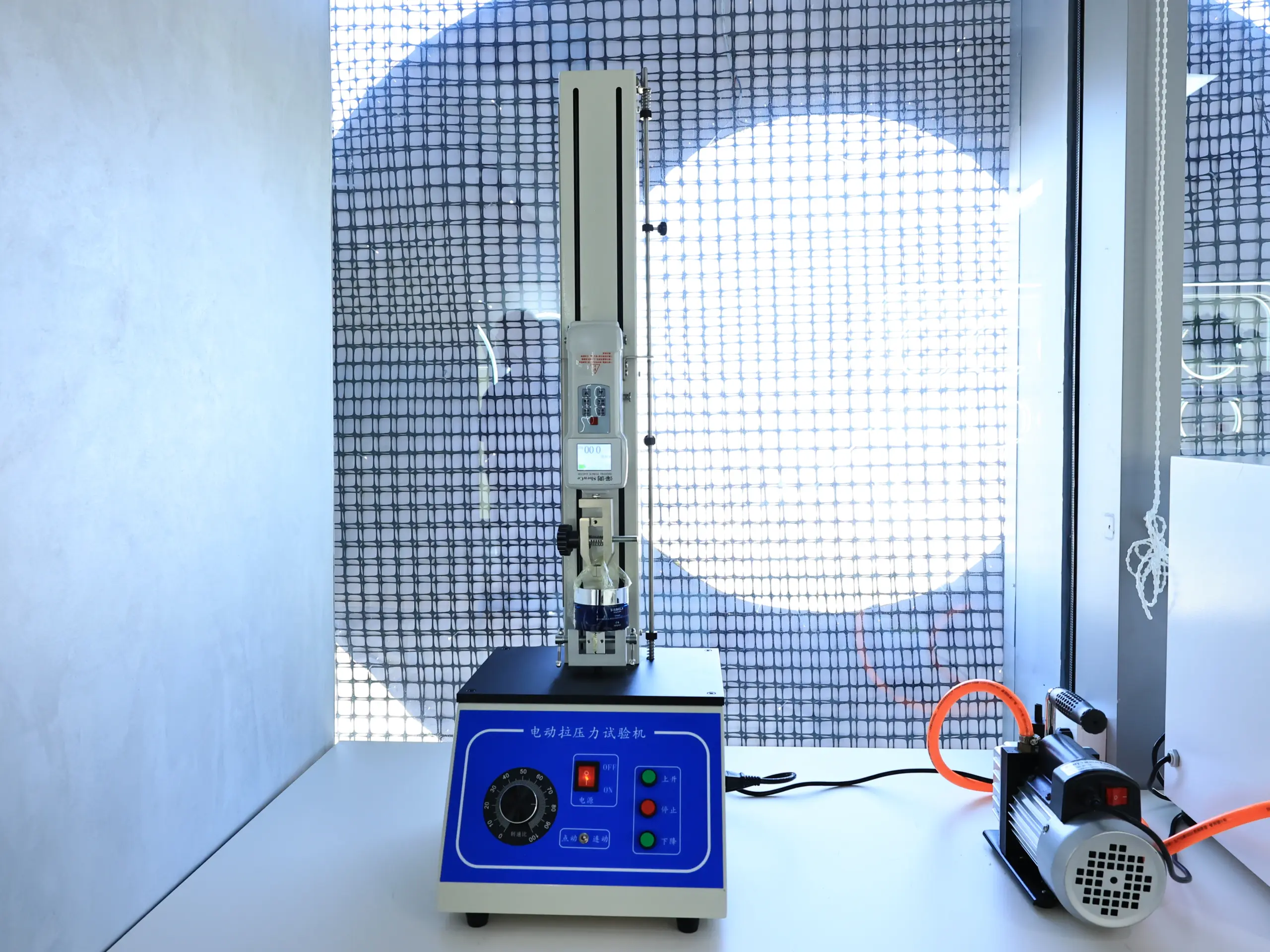
Impact resistance, stress and load tests, drop tests, leak tests, and pressure tests where required to validate structural integrity and functional reliability under real-world handling and transportation conditions.


Dimensional Measurement
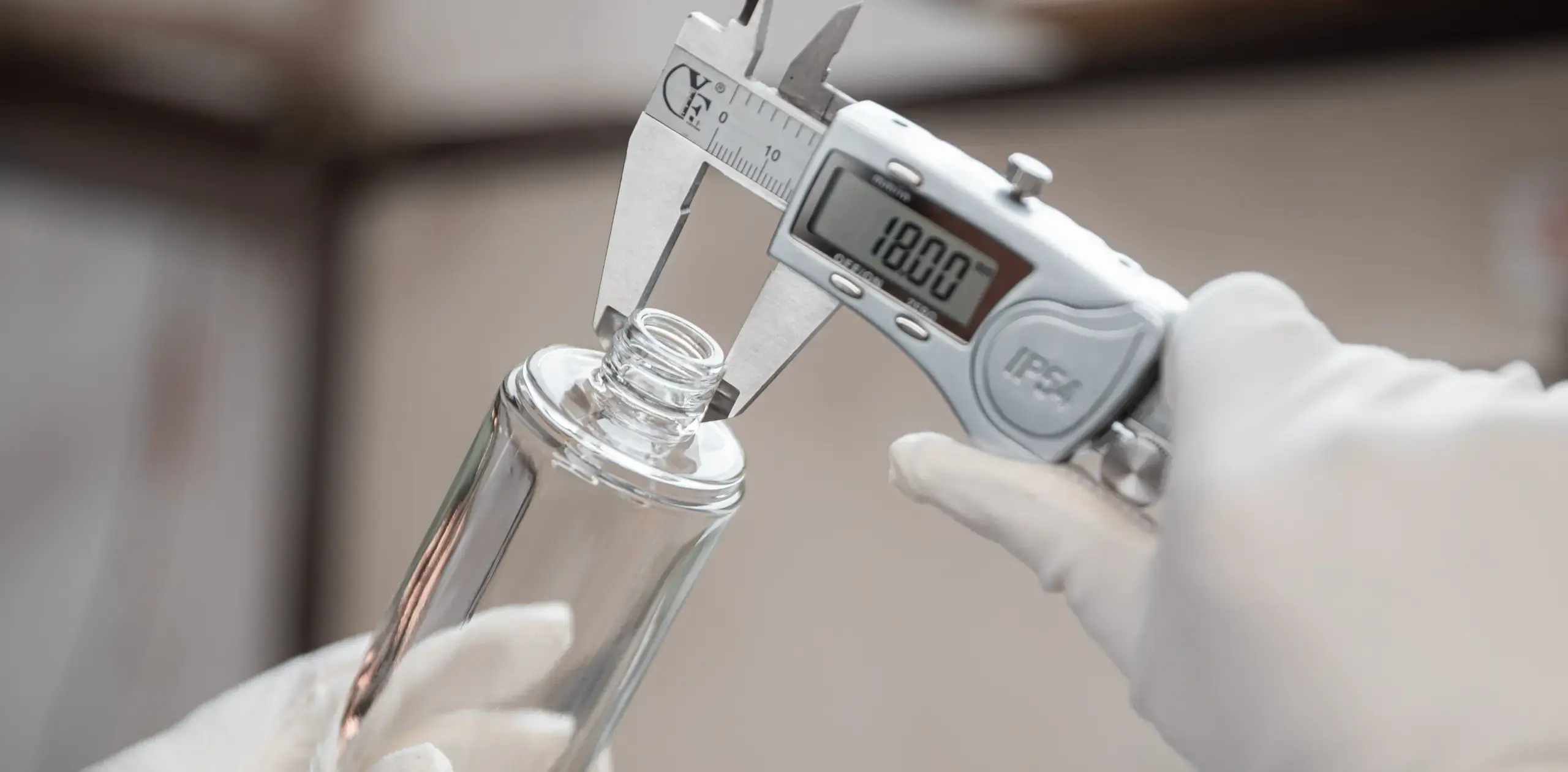
Critical dimensions, wall thickness uniformity, neck finish profiles, and thread specifications to ensure compatibility with equipment. Precise measurement using calipers, micrometers and optical comparators validates that molded parts meet tight tolerances throughout production runs.
Visual Inspection Protocols
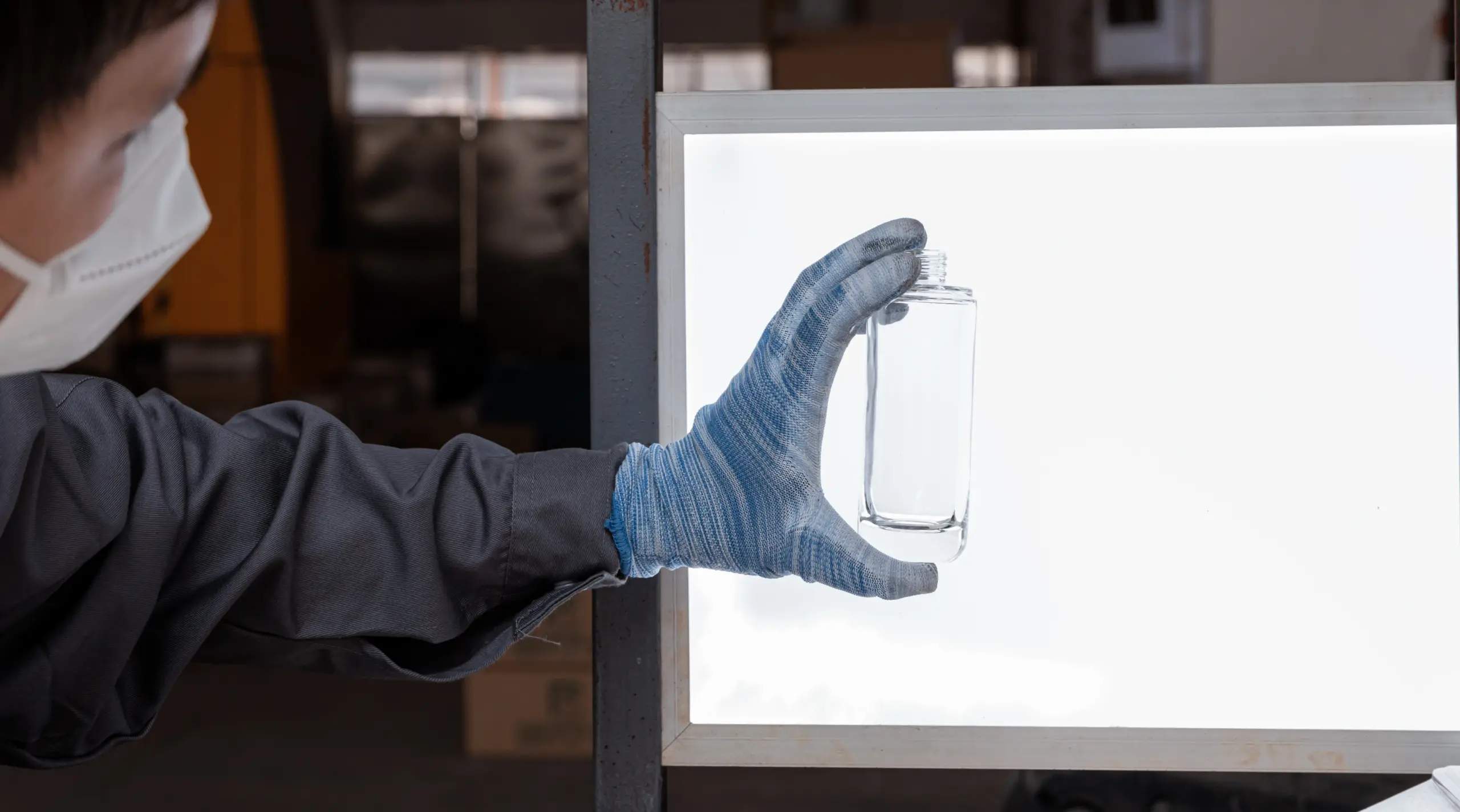
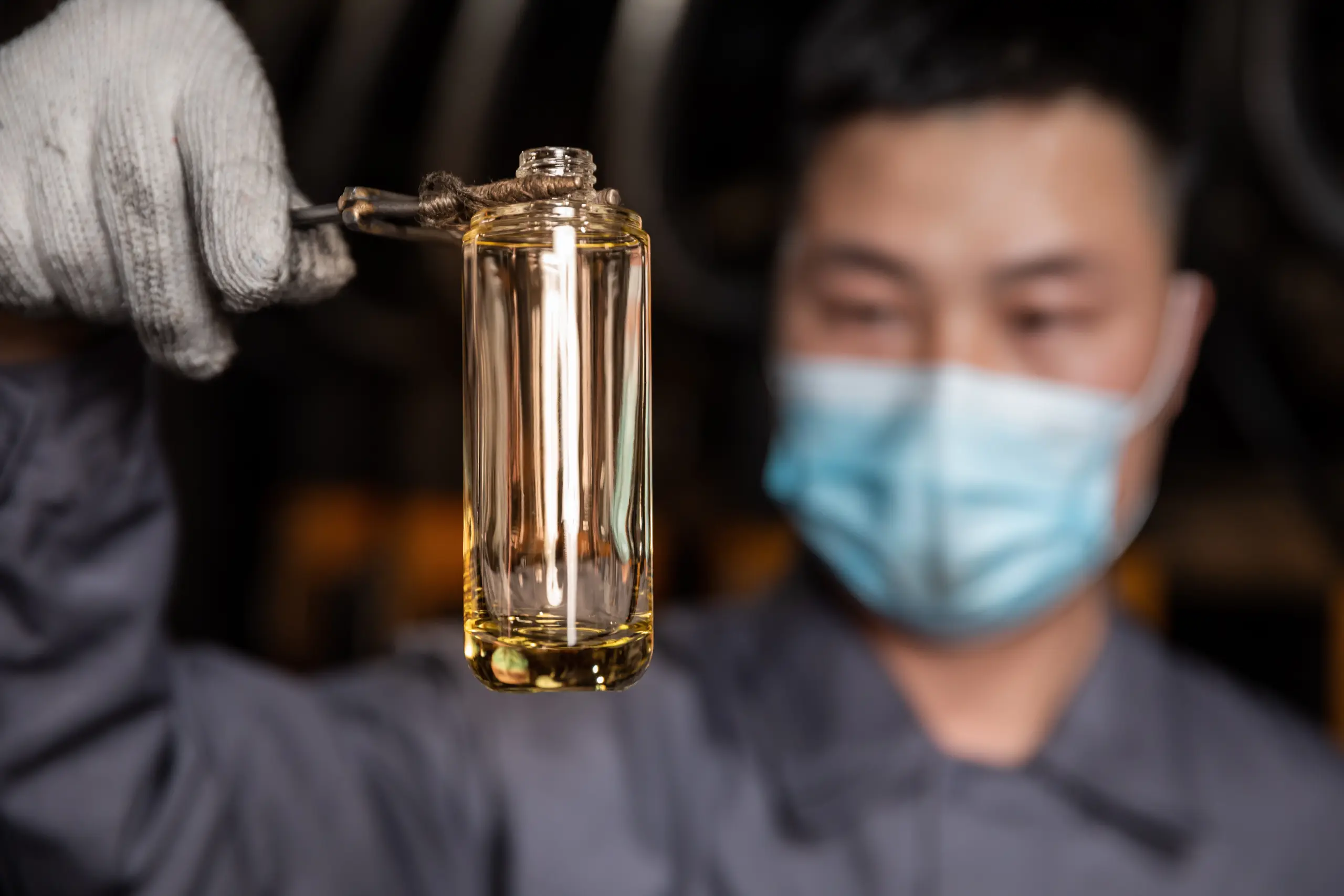
Inspect the surface finish, color consistency, print clarity, decoration alignment, and check for defects such as cracks, warping, scratches, bubbles, or contamination. Use standardized lighting equipment and reference samples to ensure consistency in judgment across different shifts and production batches.
Adhesion & Durability Testing
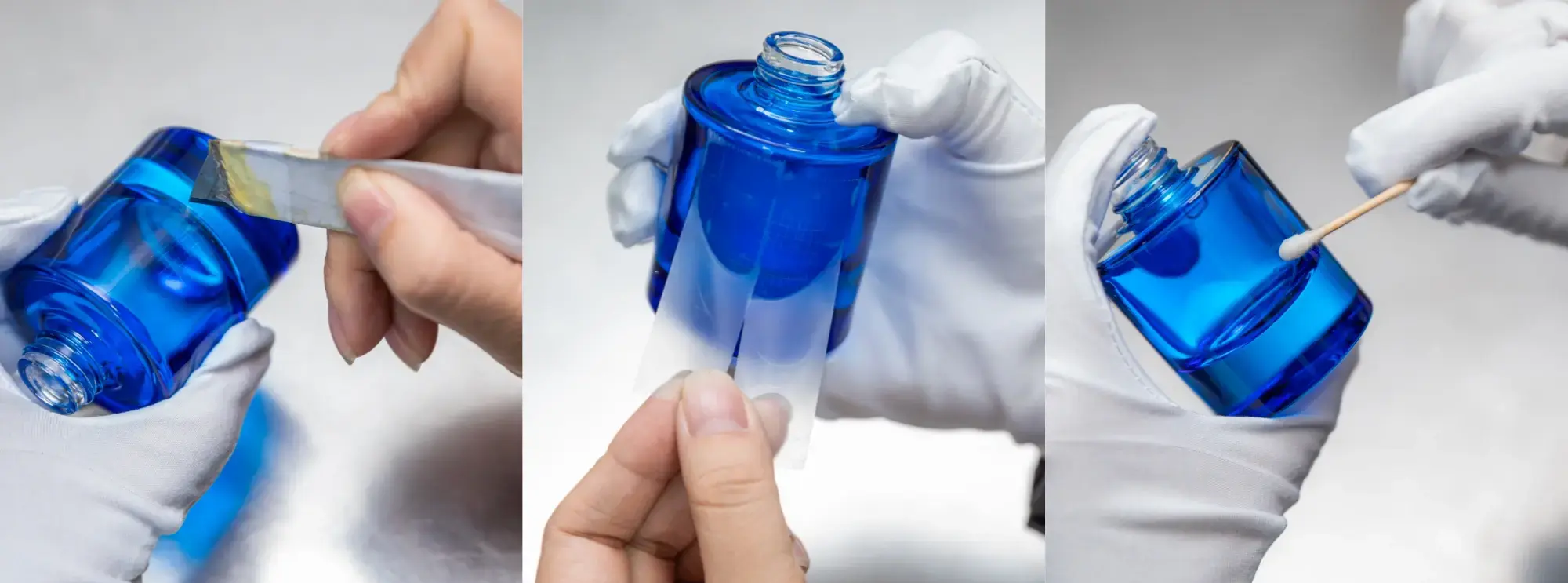
• 3M tape test is pressed firmly onto the decorated surface and rapidly pulled away. The test passes if no coating or ink lifts off.
• Rubbing resistance test: A cloth is rubbed repeatedly across the printed surface to simulate handling. The decoration must remain intact without fading or transfer.
• Cross-hatch adhesion test: A grid is cut through the coating, tape is applied and removed. Less coating removal indicates better adhesion.
• Boiling water resistance test: Decorated packaging is submerged in boiling water to test heat and moisture durability. Coatings must not blister or peel.
Functional Performance Validation
Critical dimensions, wall thickness uniformity, neck finish profiles, and thread specifications to ensure compatibility with equipment. Precise measurement using calipers, micrometers and optical comparators validates that molded parts meet tight tolerances throughout production runs.

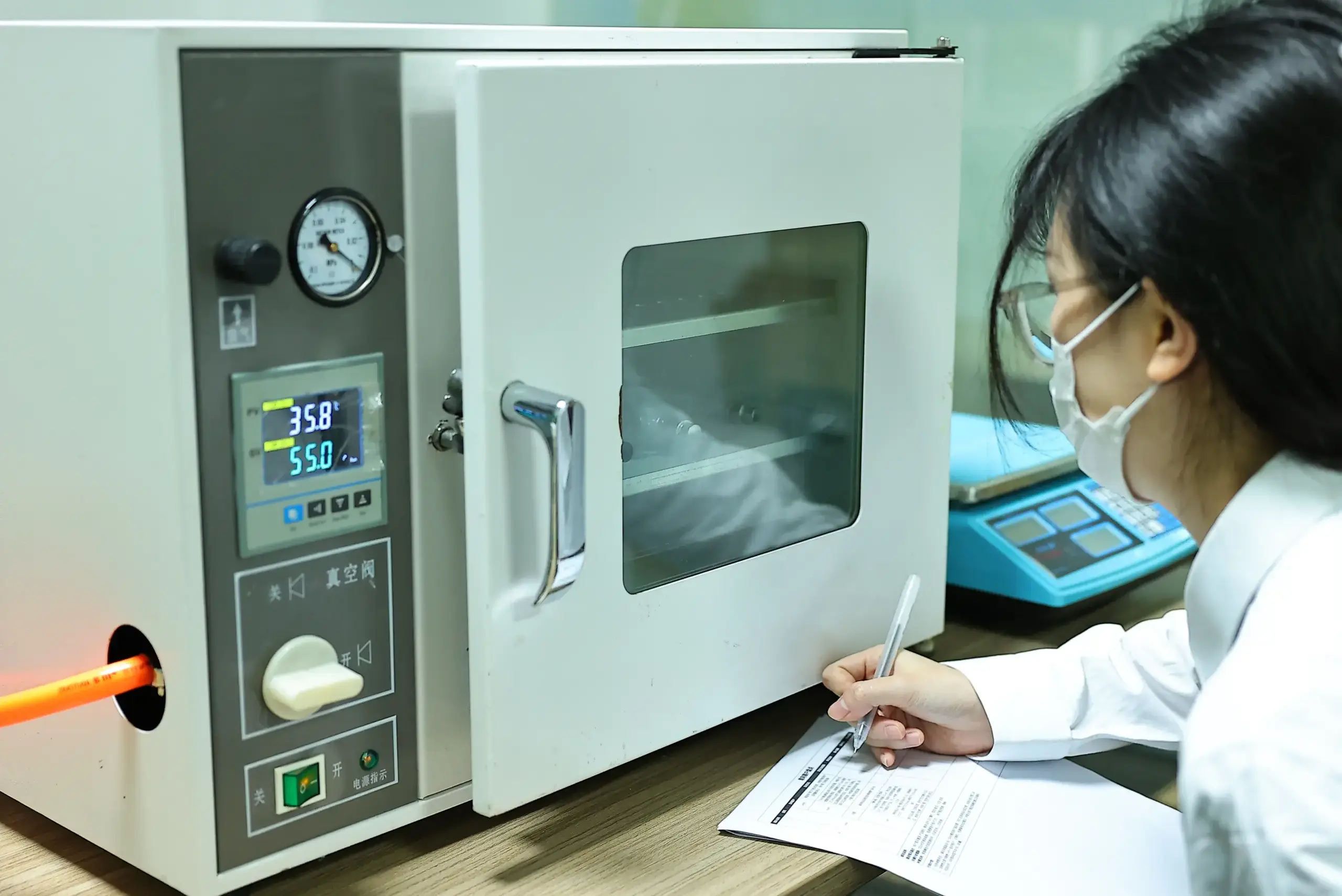
Chemical & Compatibility Checks

International Quality Certifications
Othilapak aligns its operations with internationally recognized quality and compliance frameworks, supported by certifications such as ISO, REACH, ROHS, and BSCI. These credentials demonstrate our dedication to product safety, environmental responsibility, ethical production, and consistent performance in cosmetic, personal care, makeup, and skincare packaging.
ISO Quality Systems & Manufacturing Practices
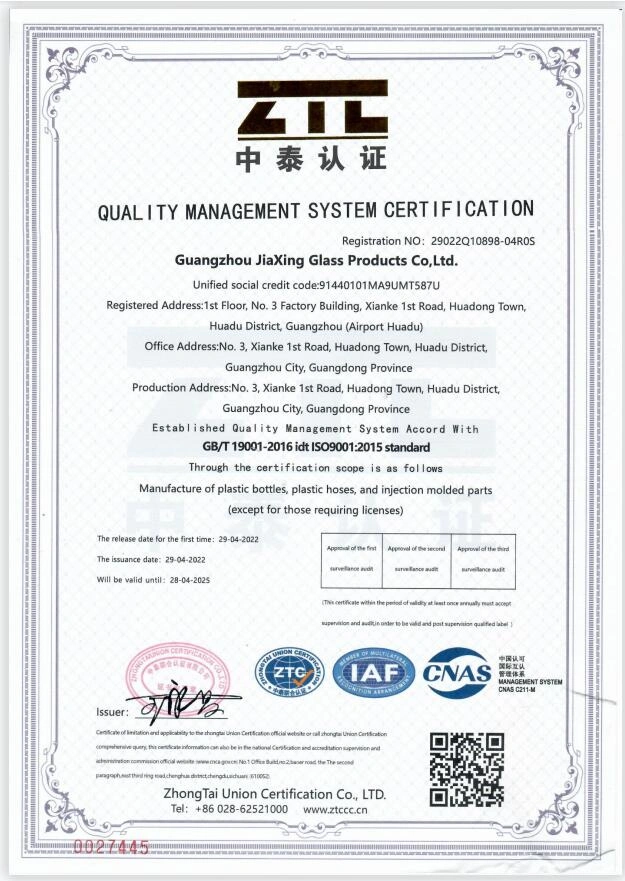
Our production sites operate under ISO-based quality management systems that govern every stage of the manufacturing process. This framework ensures standardized procedures, clear documentation, and robust process controls, so every batch is produced to the same high standard. Independent external audits are conducted on a regular basis to confirm that our systems meet international requirements and that we continuously monitor, review, and improve how we work.
Ethical Production & Social Responsibility
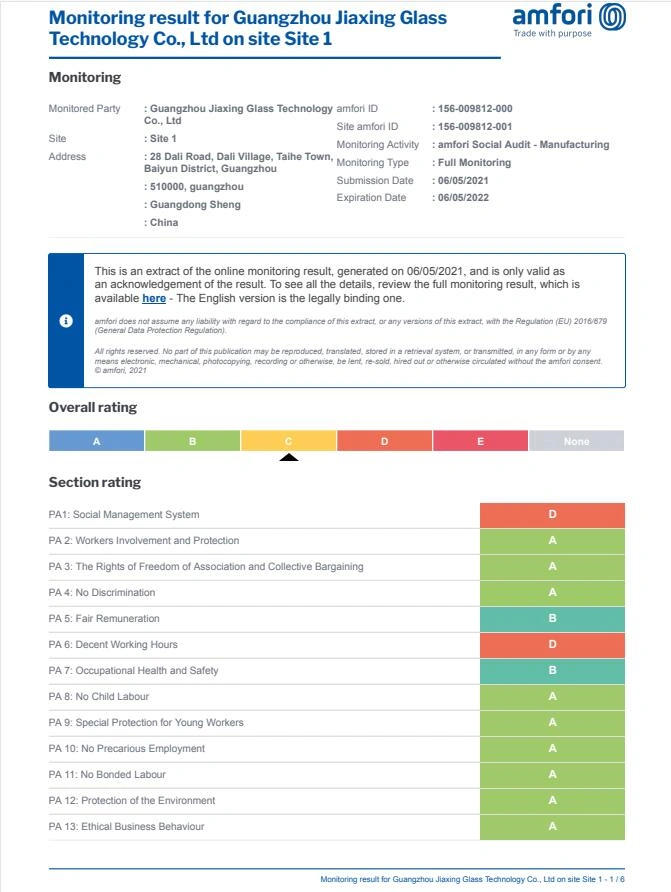
Our BSCI (Business Social Compliance Initiative) certification underlines our commitment to responsible and ethical manufacturing. Through regular social compliance assessments, we monitor working conditions, employee safety, fair remuneration, and environmental practices within our facilities. By adhering to BSCI principles, we ensure that our supply chain respects human rights, supports safe workplaces, and minimizes negative impact on the environment.
Safety & Chemical Compliance
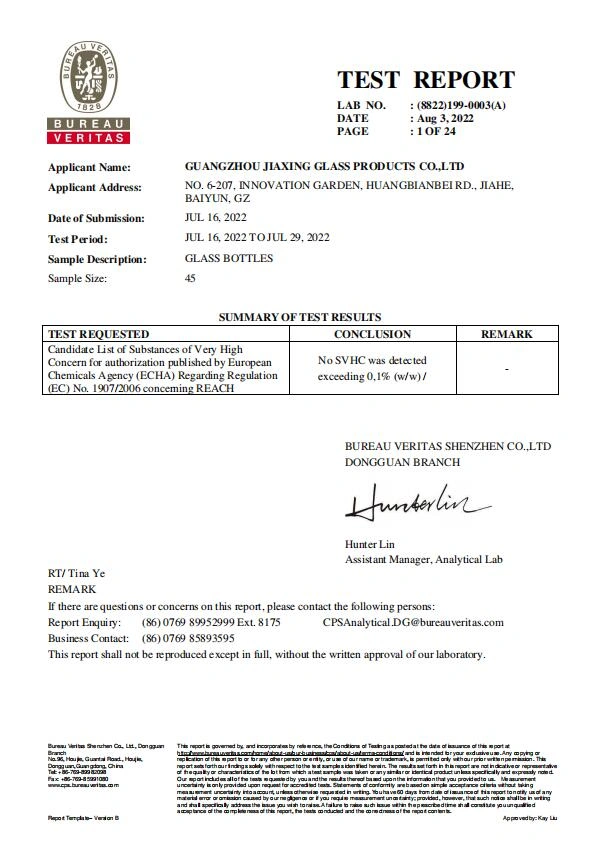
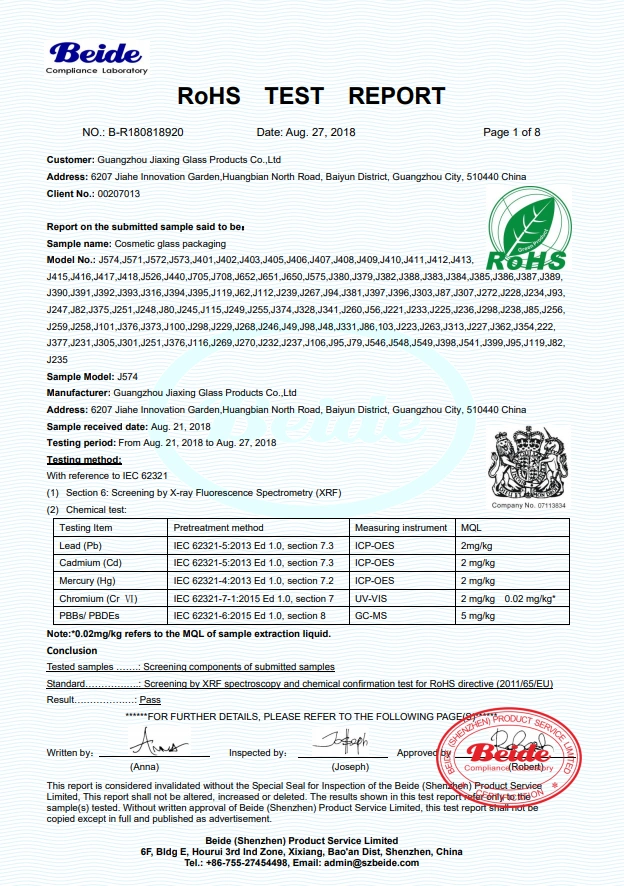
Othilapak holds ROHS, and REACH certifications to ensure our packaging materials meet stringent European regulatory expectations for chemical safety. ROHS compliance verifies that our products avoid restricted substances, including heavy metals such as lead, mercury, and cadmium. REACH compliance demonstrates that relevant chemical substances are properly assessed, registered, and controlled.
Specialized Product Safety Certifications
For applications that require enhanced protection, we maintain product-specific certifications. Our packaging designs undergo rigorous performance testing, including torque, pressure, and tensile force evaluations, to verify that safety mechanisms function as intended. These certifications give our customers confidence when operating in strictly regulated markets where product safety and regulatory conformity are essential.
FAQ Regarding QC & Certifications
Q: Can quality inspections be conducted according to our own standards?
A: Yes. In addition to our internal quality control system, we can implement inspection criteria based on your brand’s specifications, drawings, samples, or approved golden samples. For regulated markets or premium brands, we routinely align inspections with client-defined tolerances, functional requirements, and aesthetic standards to ensure consistency with your product positioning.
Q: Can you support compliance documentation for multiple international markets?
A: Yes, we provide compliance support documentation for various global markets including the European Union, North America, and other regions. Our team can supply material declarations, safety data sheets, regulatory statements, and market-specific certifications to facilitate your product registrations and market entry requirements.
Q: Is quality control applied equally to small orders and mass production?
A: Yes. All orders, regardless of volume, follow the same quality control framework. While sampling ratios may vary based on order size, core inspection steps—including material verification, in-process checks, and final inspection—are never skipped. This ensures consistent quality from pilot runs to large-scale production.
Q: How do you ensure batch traceability and quality accountability?
A: Each production batch is documented with material records, inspection reports, and process parameters. In the event of a quality concern, we can trace the issue back to specific materials, production stages, and inspection points, allowing for fast root-cause analysis and corrective action.
Q: What happens if a quality issue is identified before shipment?
A: If any non-conformance is detected, the shipment is immediately placed on hold. Our quality team conducts a root-cause analysis, implements corrective actions, and re-inspects the affected products. Only items that fully meet the agreed specifications are approved for shipment.
Q: Can you provide inspection reports and compliance documentation with each order?
A: Yes. Inspection reports, testing results, and compliance documents can be provided upon request, either per batch or per shipment. These documents support your internal quality audits, regulatory filings, and downstream distribution requirements.
Partner With Othilapak for Certified Quality
Choosing Othilapak means partnering with a manufacturer that takes quality, safety, and compliance as seriously as you do. From concept to delivery, we support your brand with reliable packaging, transparent documentation, and a structured approach to risk and regulatory requirements.
If you need additional information about our certifications, testing capabilities, or compliance support for a specific market or product, our team is ready to help.