
CUSTOM STICK CONTAINER
Stick Container Manufacturer
Custom Personal Care Packaging
“A stick container isn’t just a tube with a dial. It needs to match your formula’s hardness, survive your supply chain’s temperature range, pass your retailer’s drop test, and communicate your brand before the cap comes off.”

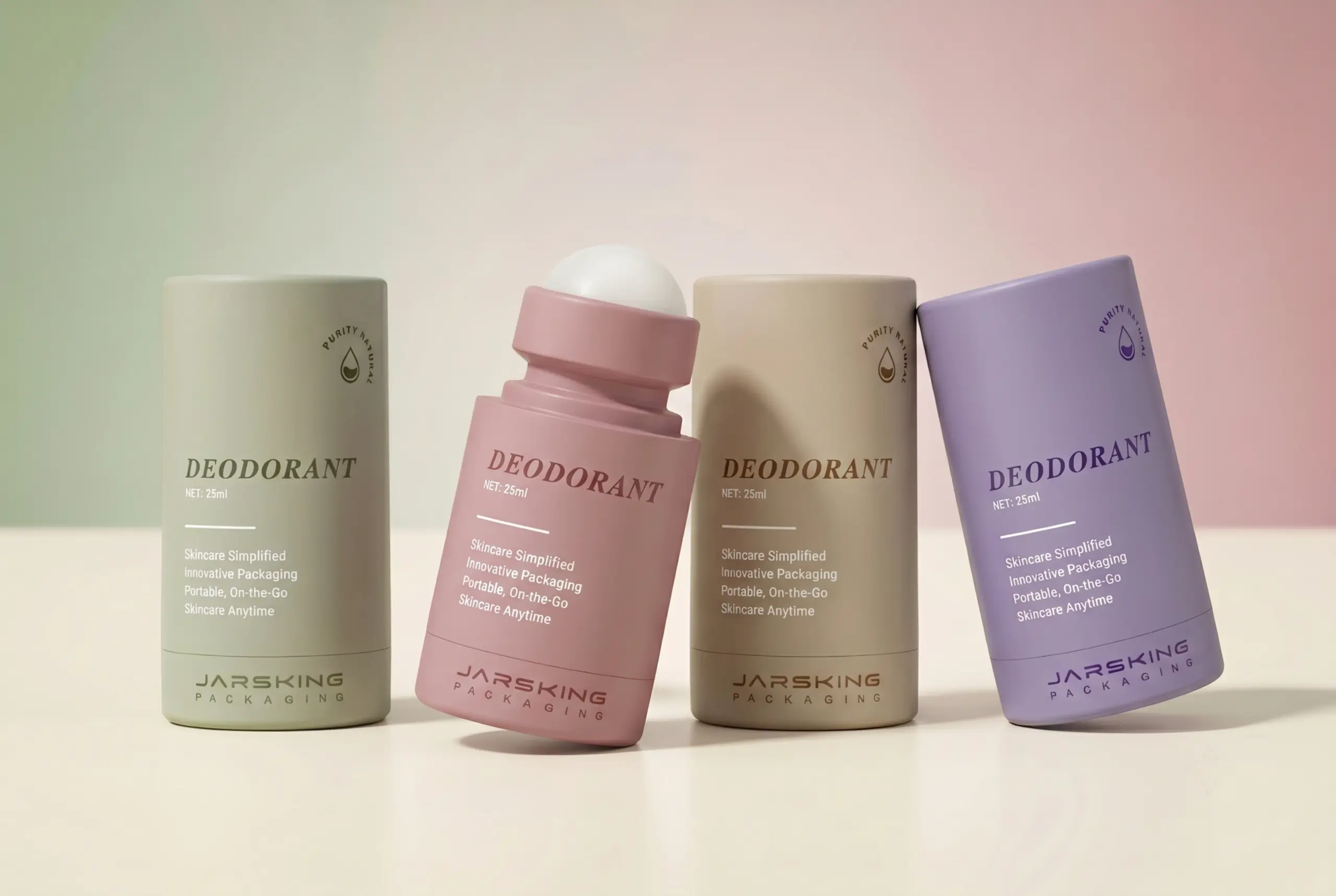
Deodorant

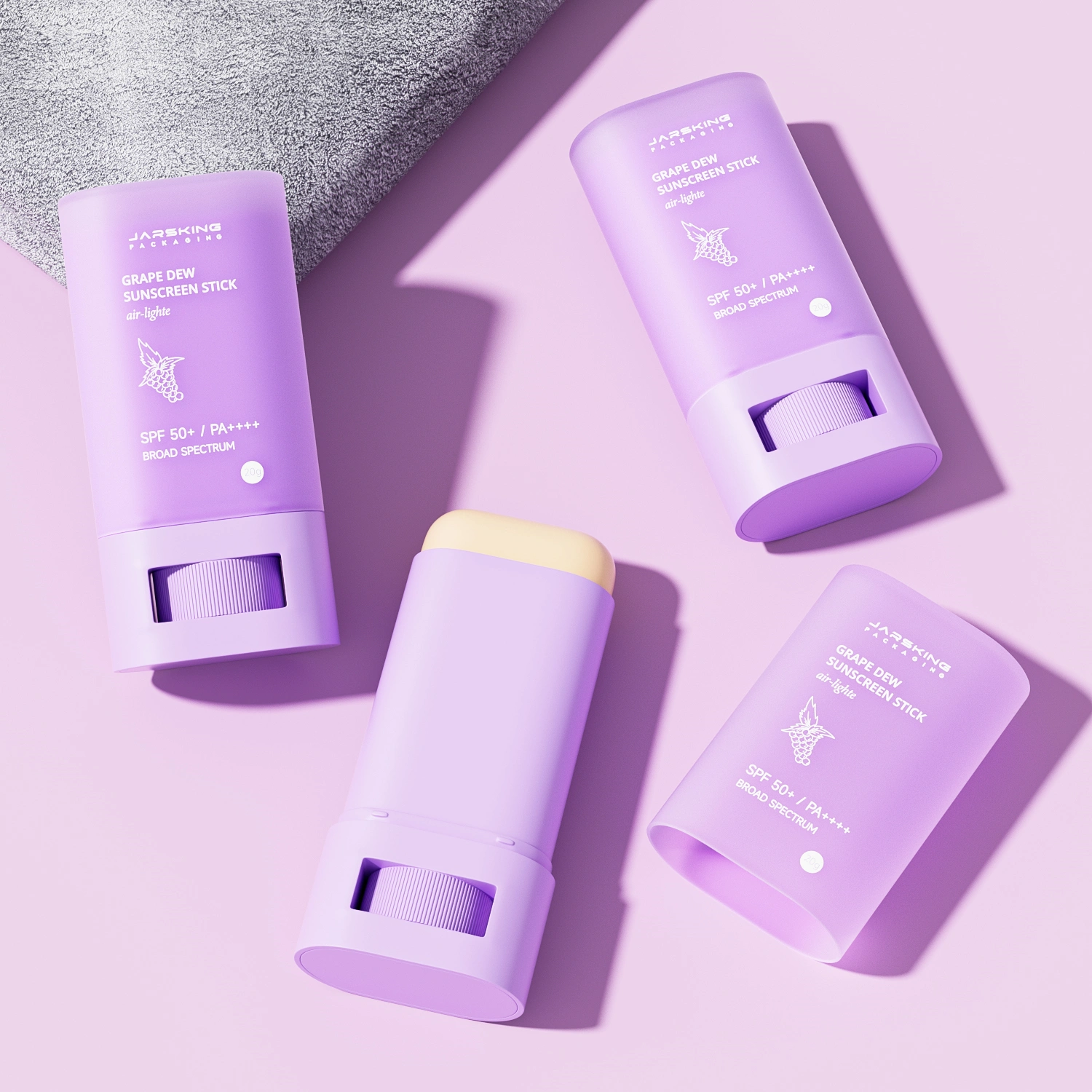
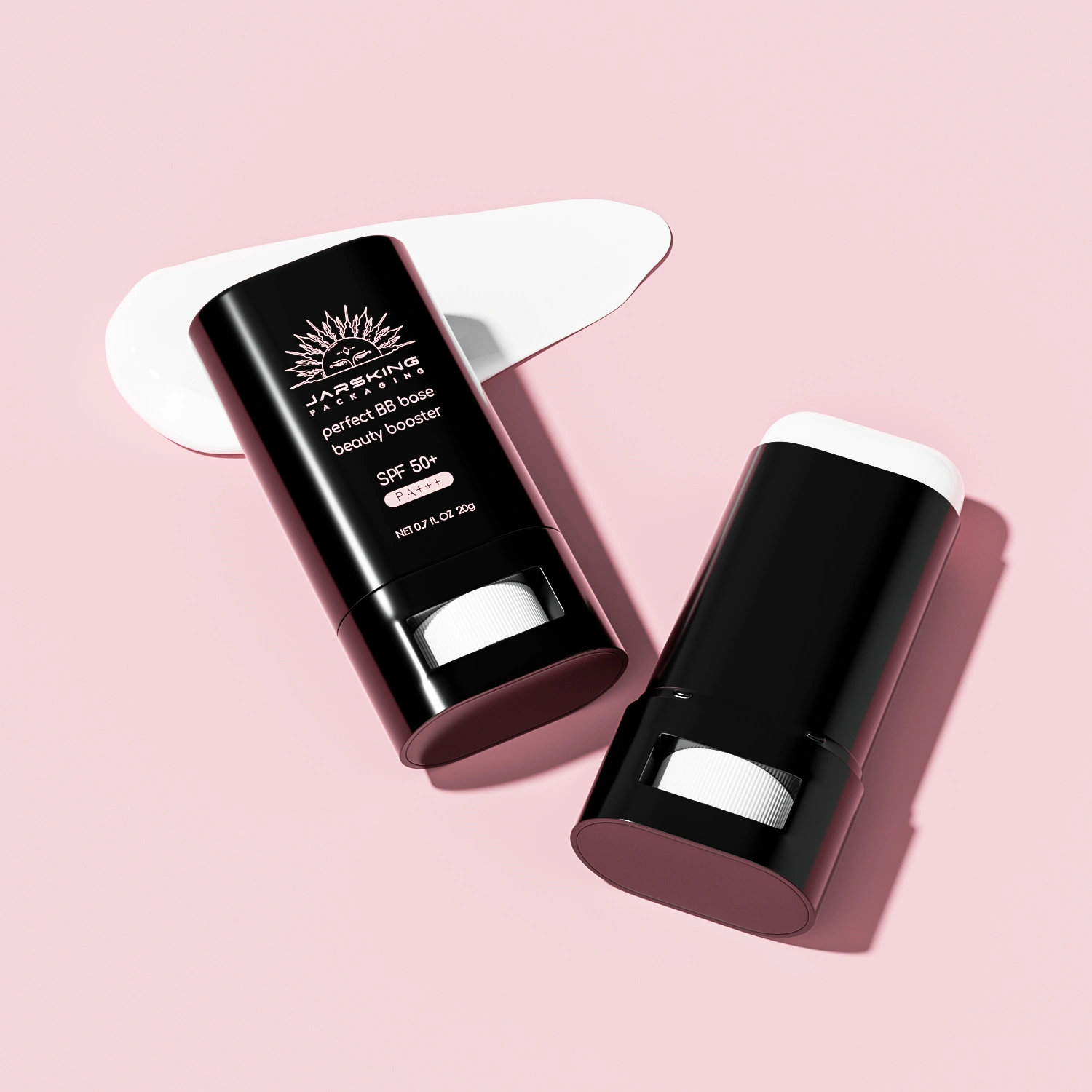
Sunscreen Sticks

Solid Perfume

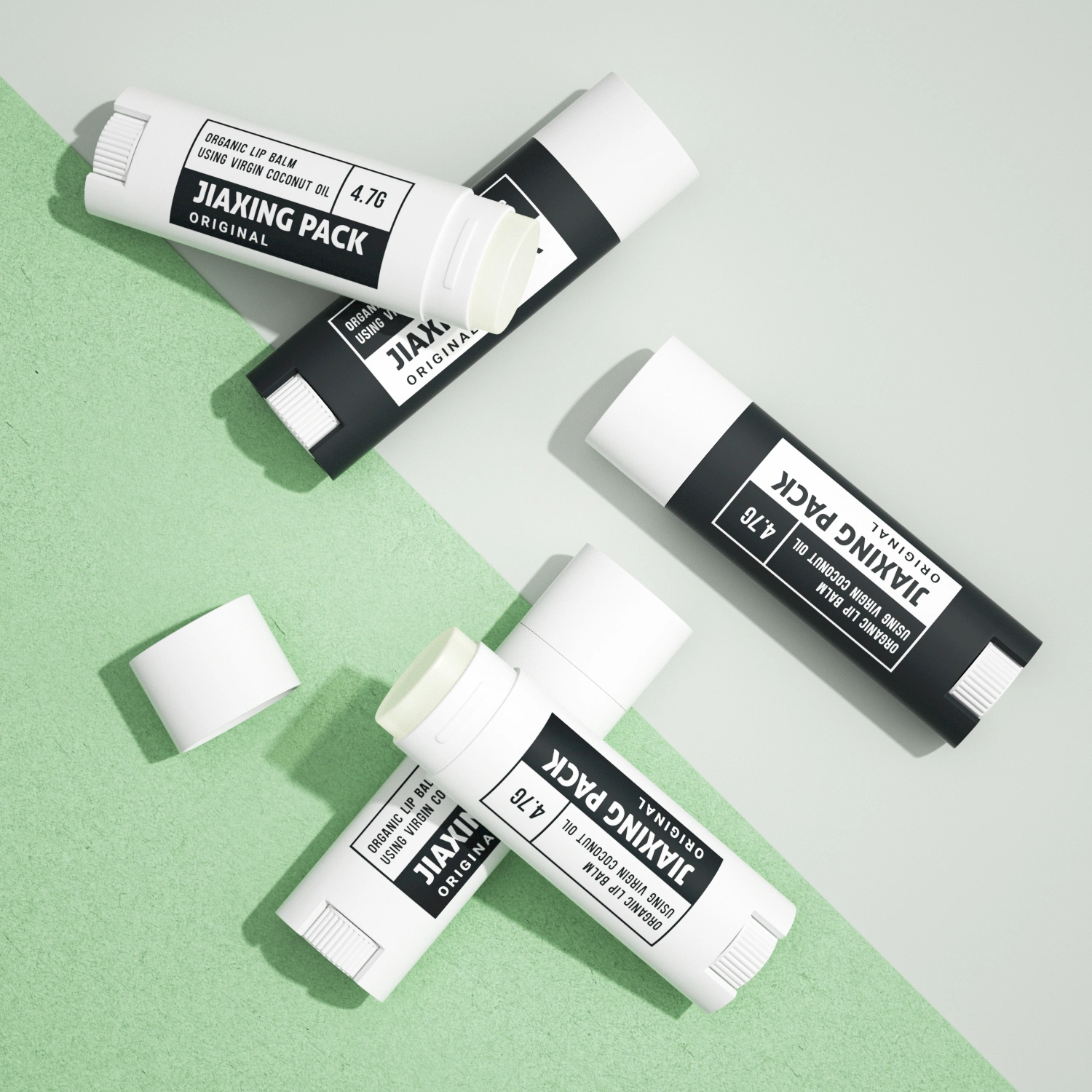
Lip Balm & Lip Color

Highlighter & Blush

Hair Care Sticks

Men's Grooming

Pharmaceutical Balms
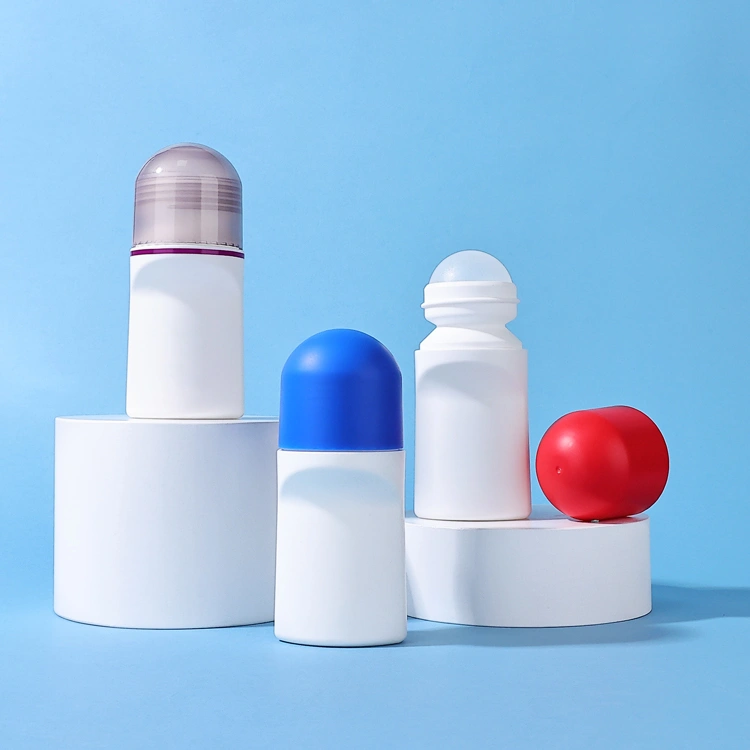
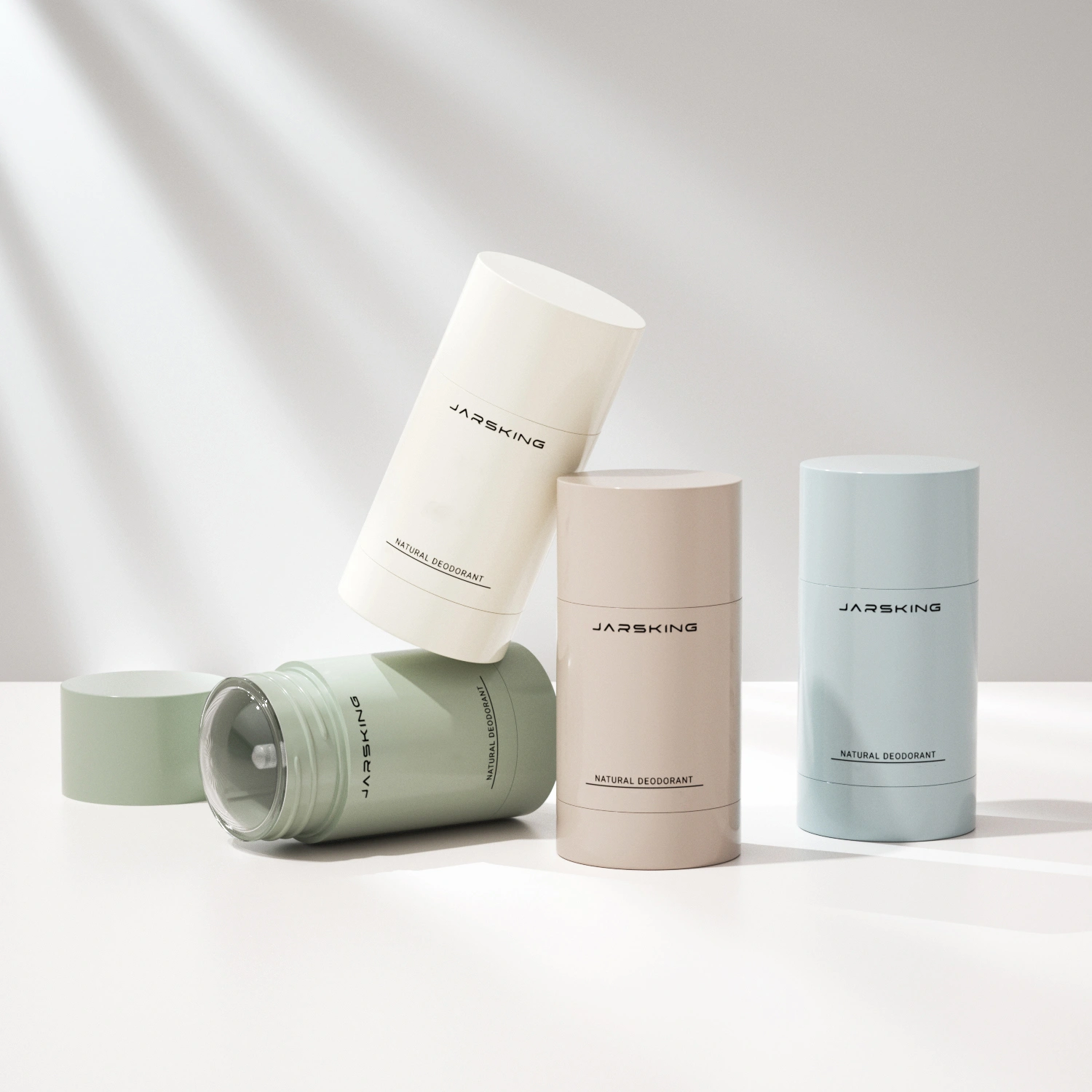
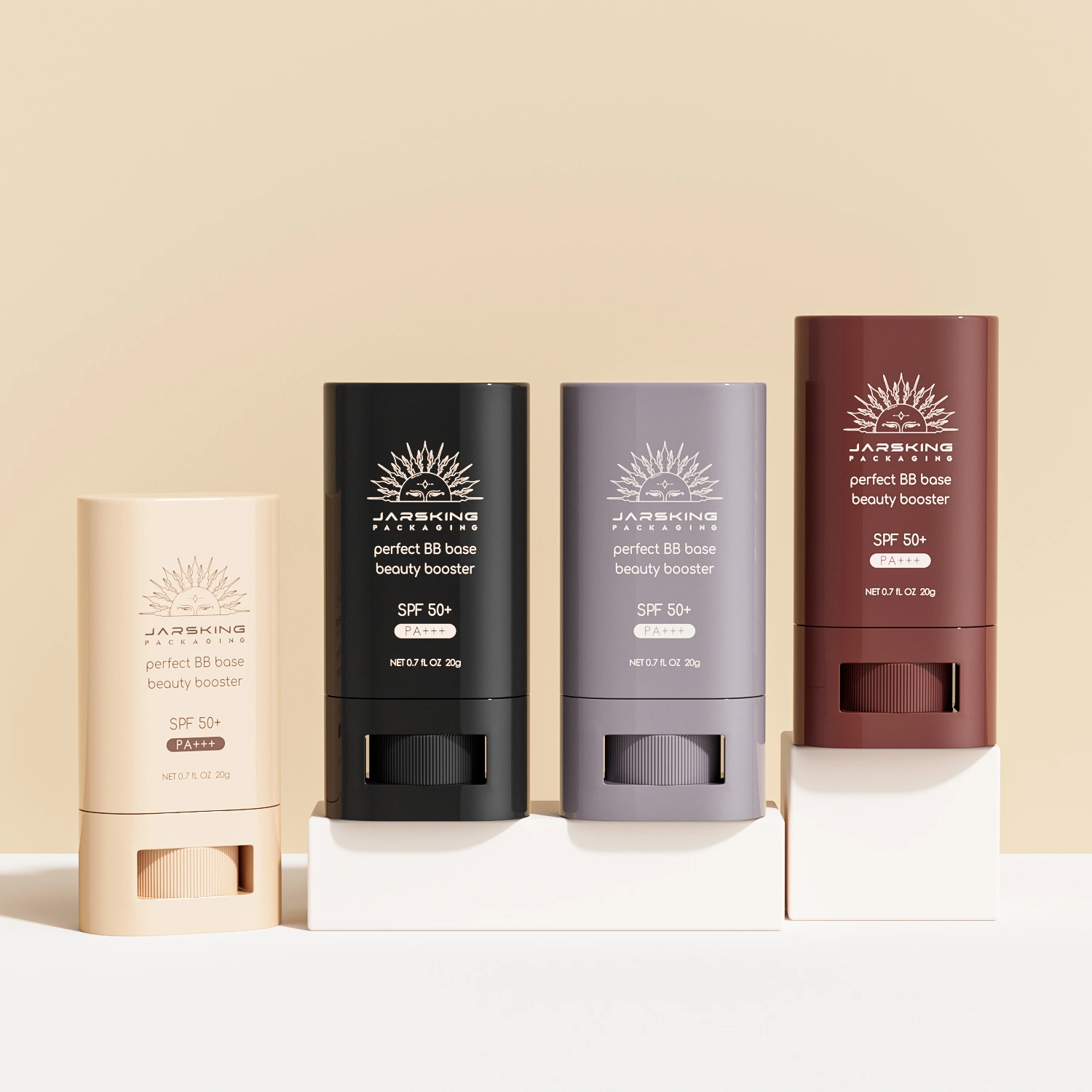
Stick Container Applications Across Industries
“Stick containers have revolutionized packaging across multiple industries by offering unmatched convenience, hygiene, and versatility. Their user-friendly design and customizable features make them the preferred choice for brands seeking to enhance product portability, ensure precise application, and strengthen branding.”
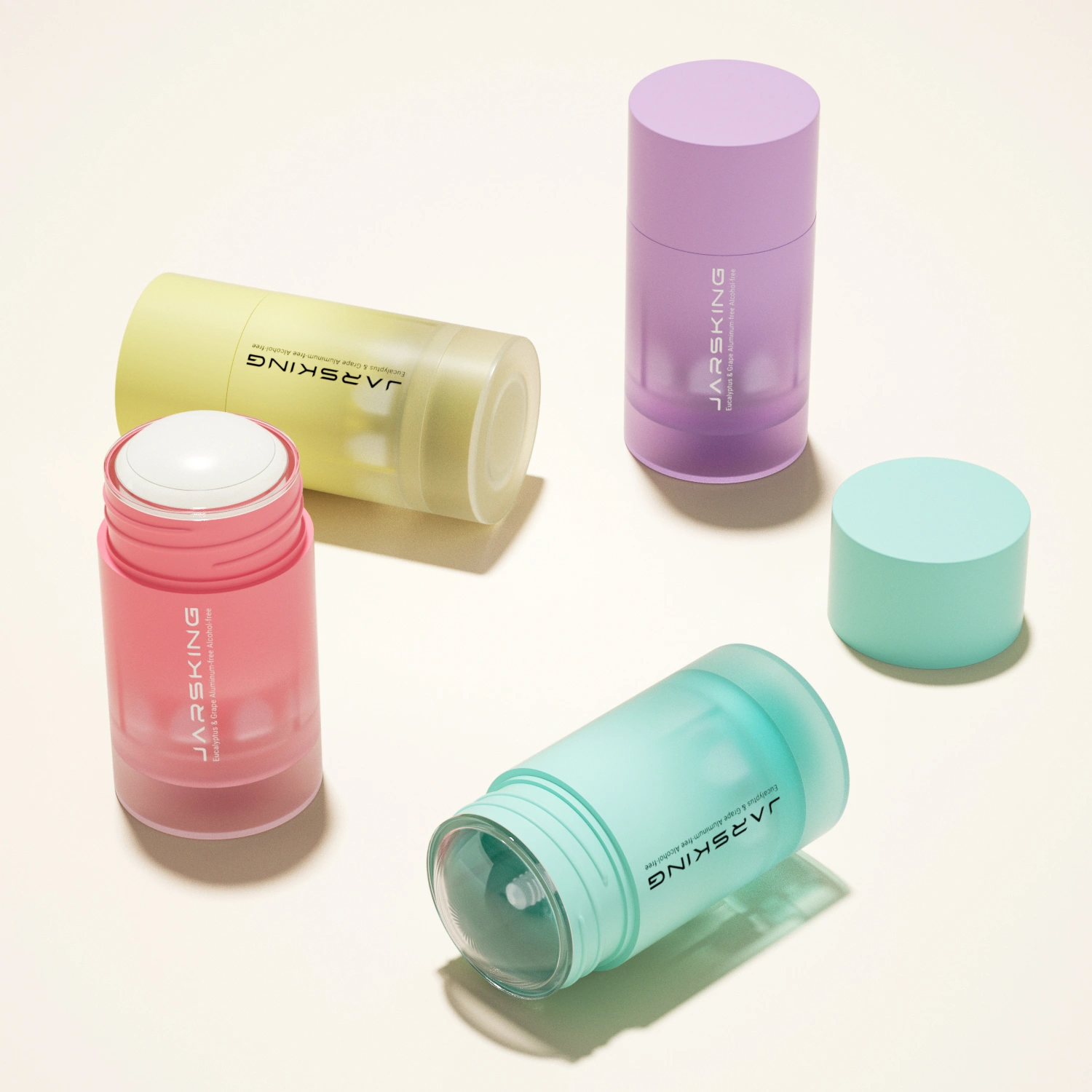
Materials —
What's Inside the Wall Matters More Than the Surface
“Stick containers are almost universally PP or PE. That’s a starting point, not a specification. The material grade, wall thickness, and recycled content percentage determine whether your container survives a cold-chain shipment, resists formula swell at 40 °C, and holds its geometry under the mechanical stress of a snap-fit cap. Choose the surface finish after you’ve locked the material — not before.”
Polypropylene (PP)
The industry standard for stick containers. PP is rigid, chemical-resistant, and compatible with most wax and gel formulations. Wall thickness of 1.2–1.8 mm is typical for a 50 g format; below 1.0 mm, the body deflects under cap snap-fit force and cracks before the product runs out.
Polyethylene (PE / HDPE)
More flexible than PP with marginally lower chemical resistance, but meaningfully better cold-temperature performance. PE is the practical choice for formulas stored or shipped below 5 °C, where PP becomes brittle under repeated mechanical stress and increases the risk of body fracture during transit.
PCR PP or PE
Available in 30%, 50%, and up to 100% recycled content, supporting EU PPWR compliance and FTC Green Guide alignment. PCR material shows higher color variation batch-to-batch; if your brand uses a natural or undyed finish, confirm the PCR grade and request a color tolerance report before approving production.
Size Reference — Formats by Channel and Use Case
“Not every stick format works for every channel — a 75 g salon deodorant and a 15 g travel balm share the same mechanism logic but serve completely different purchase decisions, shelf positions, and production economics.”
| Format | Volume Range | Approx. Diameter | Recommended Channel |
| Mini / travel | 15–25 g | 35–40 mm | Travel retail, sampling, gifting |
| Standard retail | 30–50 g | 40–48 mm | Mass retail, DTC |
| Full size | 50–75 g | 48–56 mm | Grocery, pharmacy, salon |
| Professional / bulk | 75–100 g | 54–60 mm | Salon professional, bulk DTC |
All dimensions above are reference ranges. Production units are manufactured to confirmed technical drawings — if your formula has a specific viscosity or hardness requirement, the platform travel and tube inner diameter are adjusted accordingly.
Common Packaging Challenges & Our Solutions
Engineered for a Better Consumer Experience
“Even the best deodorant or sunscreen formula can fail if the packaging doesn’t perform. Our engineering team focuses on solving the most common consumer complaints through optimized structure, precision molding, and rigorous testing.”
01 Twist Mechanism Gets Stuck
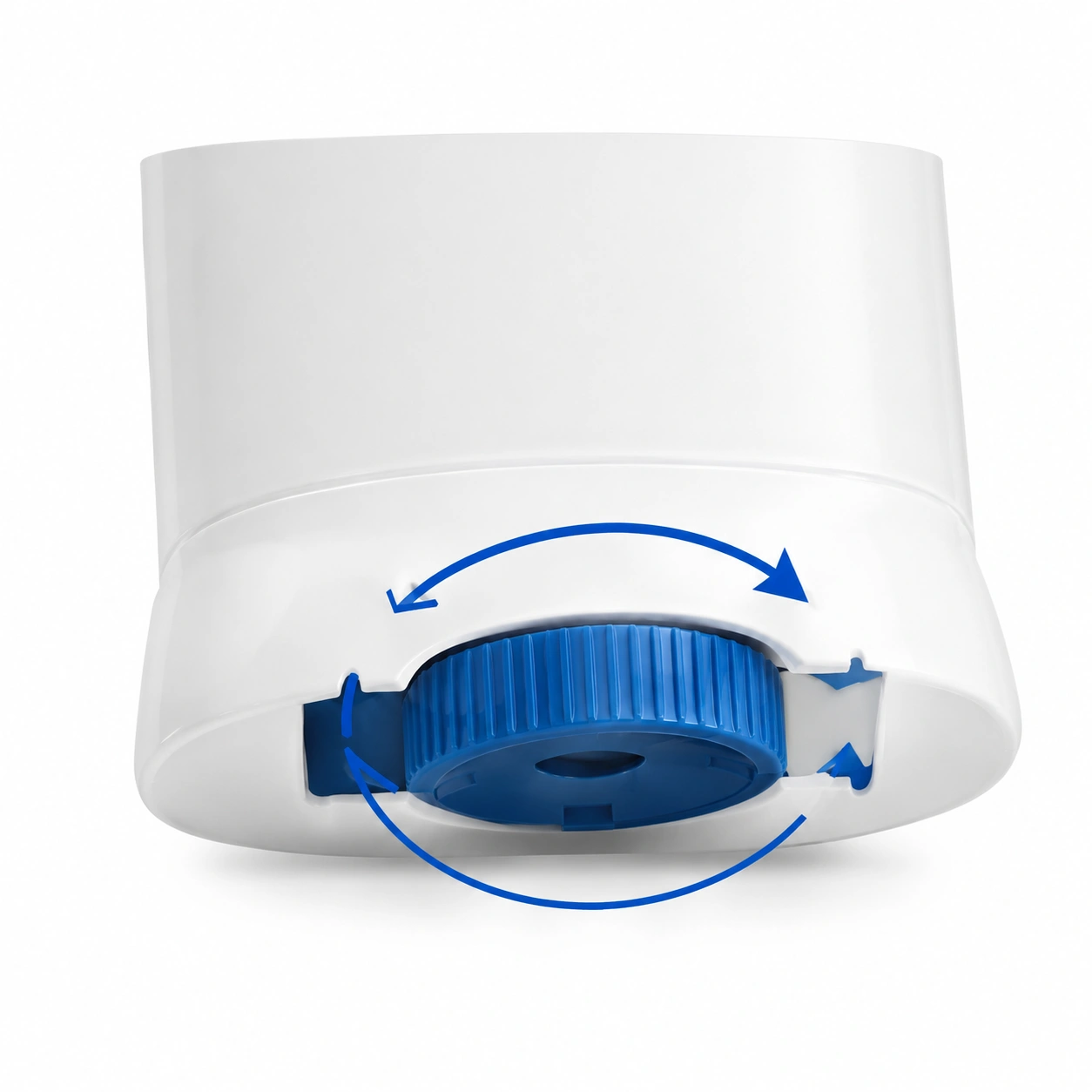
Customer Complaint:
“The dial stopped working after a few uses.”
Our Solution:
✔ Optimized screw thread geometry for smoother rotation
✔ Precision tolerance control during molding
✔ Consistent torque from first to last use
✔ High & low temperature performance validation
02 Product Won't Dispense Completely
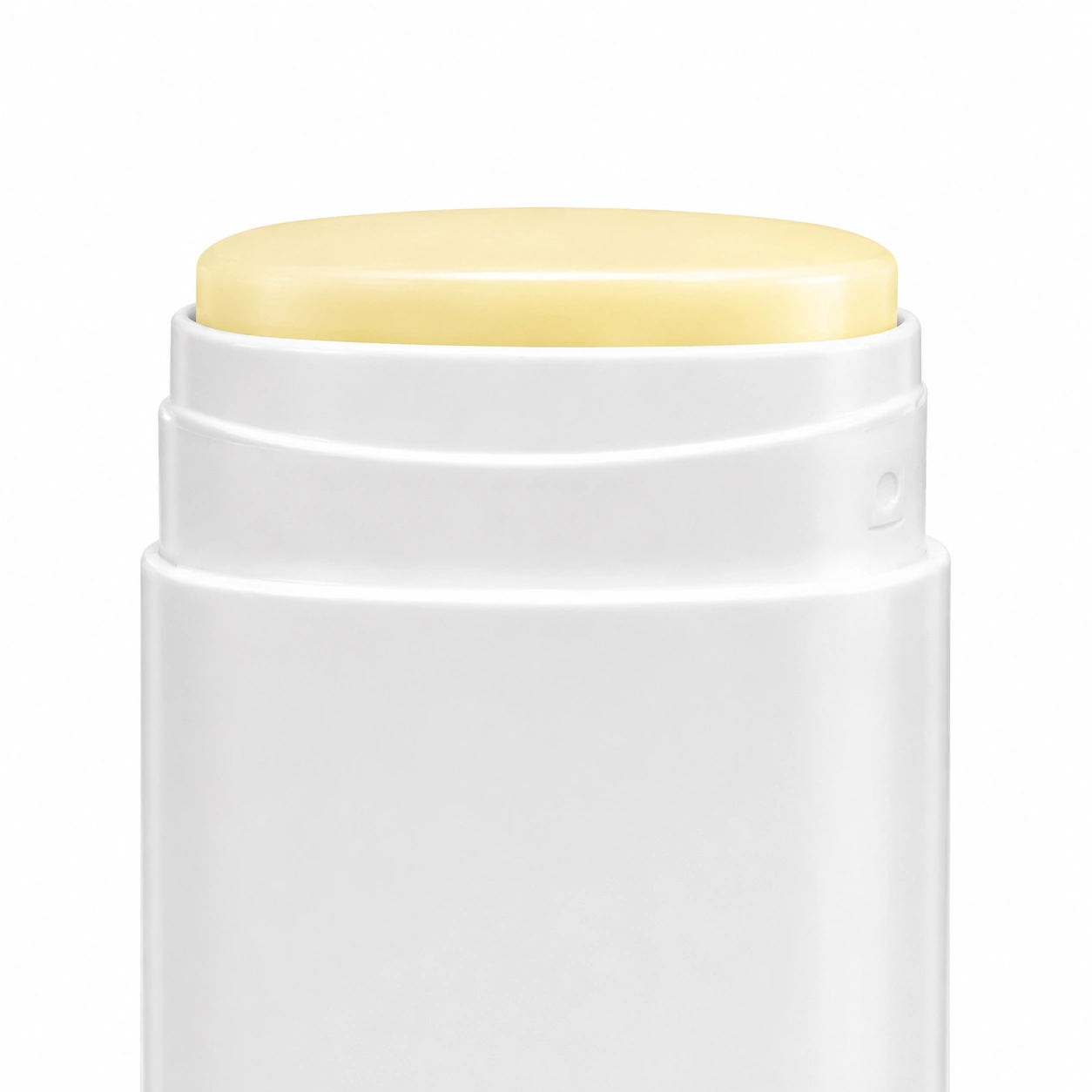
Customer Complaint:
“Half of the product is left inside.”
Our Solution:
✔ Extended lift travel for maximum product access
✔ Optimized elevator cup design
✔ Reduced dead volume to minimize product waste
✔ Secure cup engagement for stable lifting
03 Stick Won't Retract
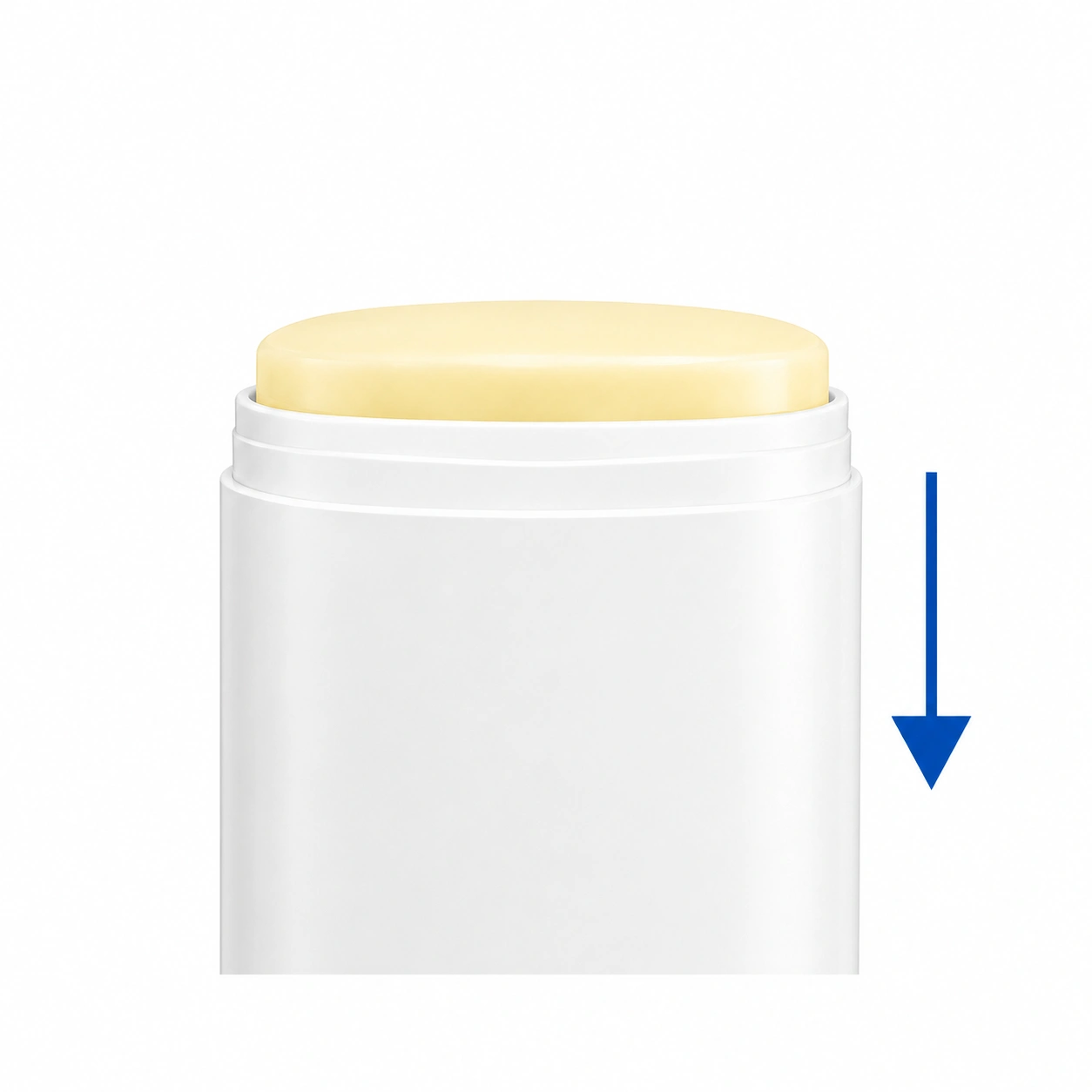
Customer Complaint:
“It won’t twist back down.”
Our Solution:
✔ Low-friction inner wall finish
✔ Optimized clearance between stick and barrel
✔ Stable guide structure to prevent jamming
04 Stick Falls Out During Use
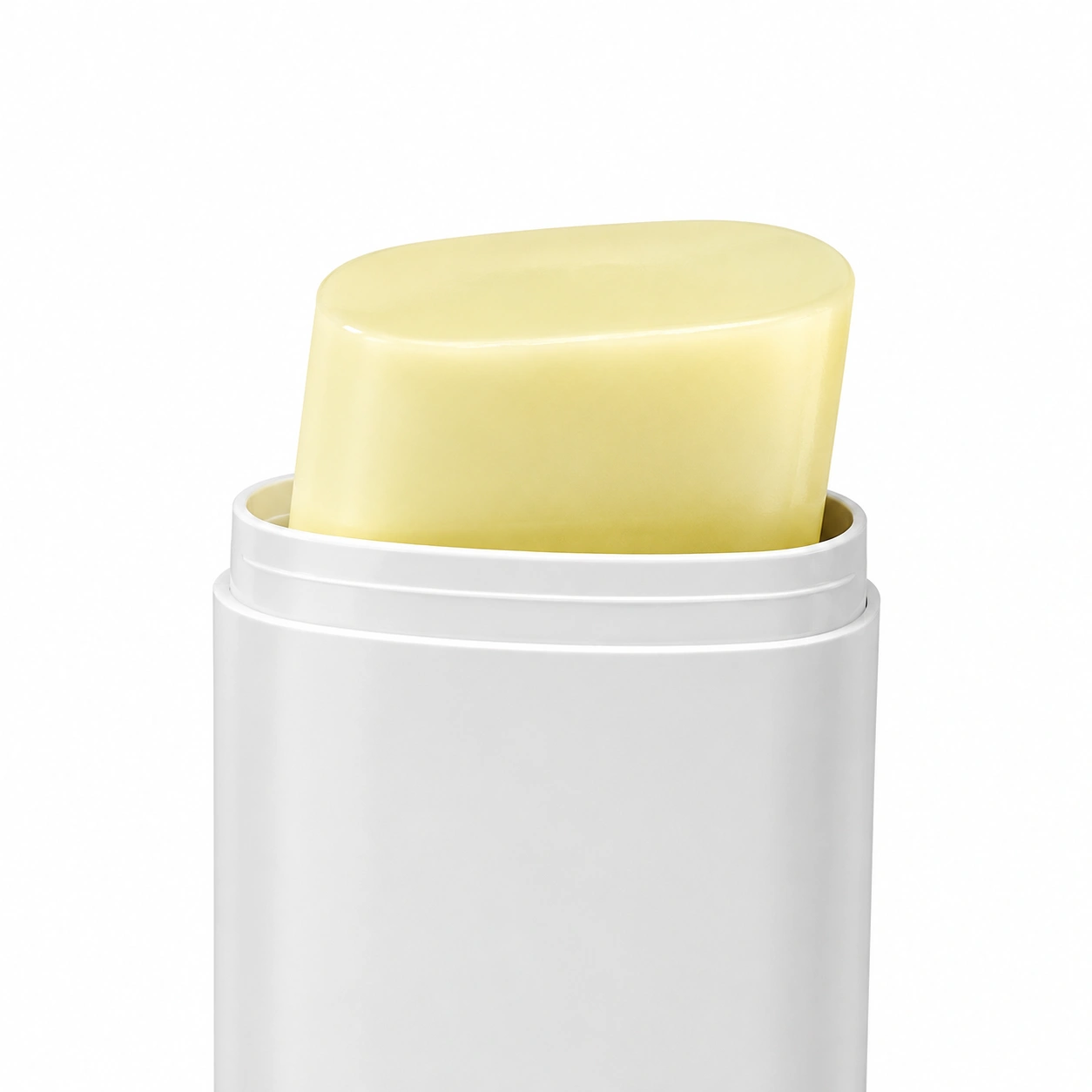
Customer Complaint:
“The whole stick came out.”
Our Solution:
✔ Mechanical locking cup design
✔ Enhanced anchor ribs for stronger product retention
✔ Improved adhesion between formula and elevator cup
05 Cap Easily Comes Off
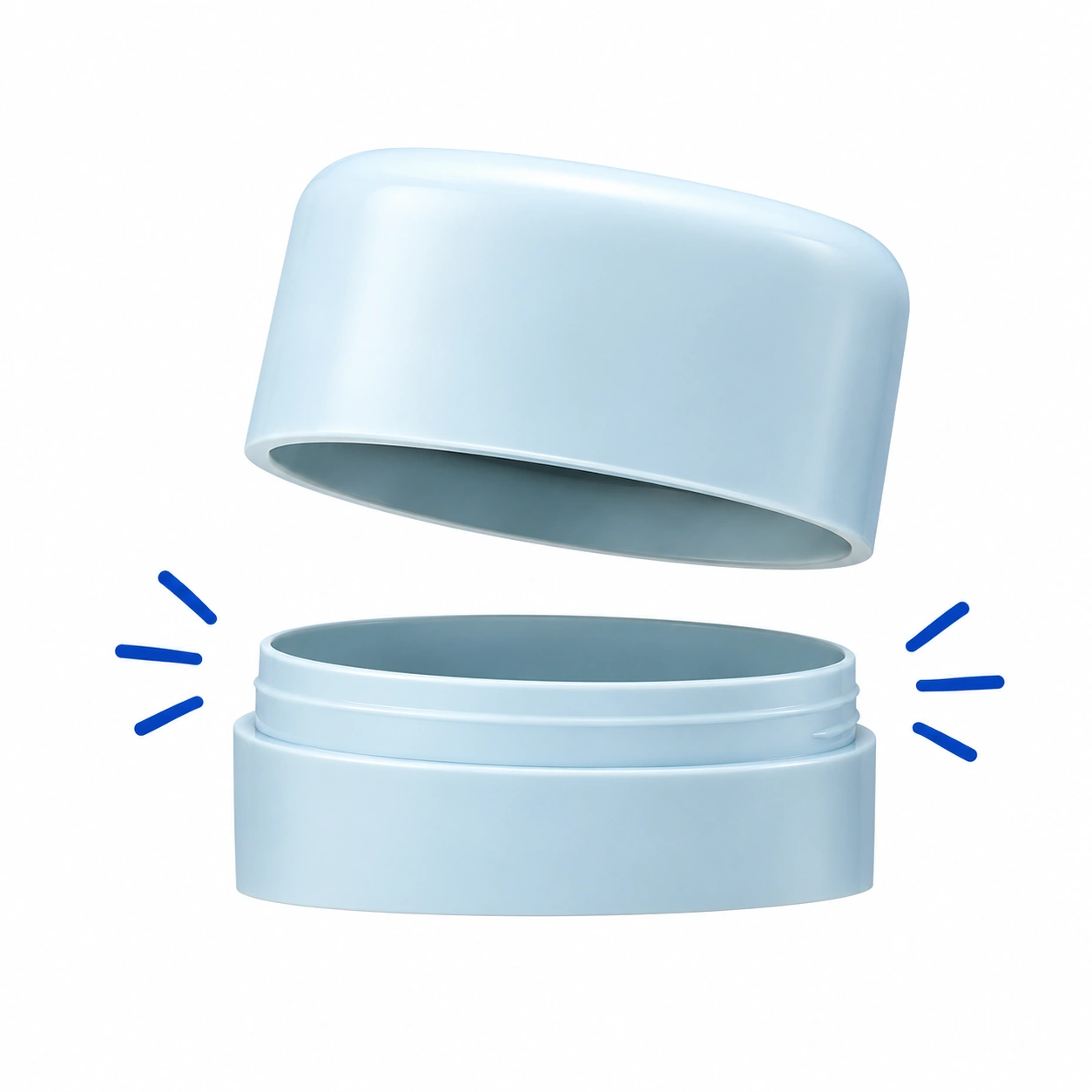
Customer Complaint:
“The cap keeps falling off in my bag.”
Our Solution:
✔ Reinforced snap-fit locking system
✔ Optimized cap retention force
✔ Repeated opening & closing durability testing
06 Cap Is Too Tight
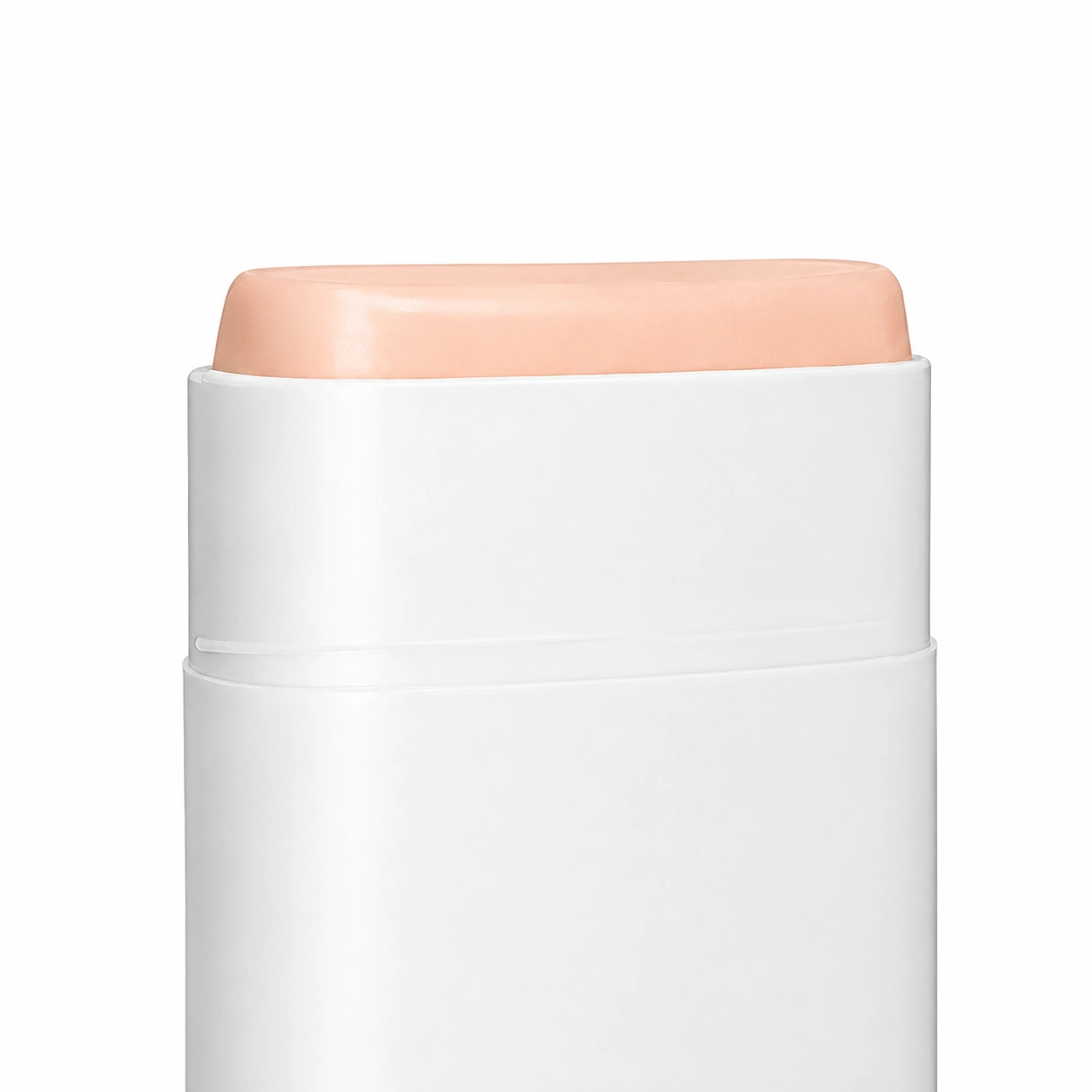
Customer Complaint:
“It’s difficult to remove the cap.”
Our Solution:
✔ Balanced opening force for comfortable daily use
✔ Precision fit between cap and base
✔ Ergonomic cap design
07 Packaging Gets Messy
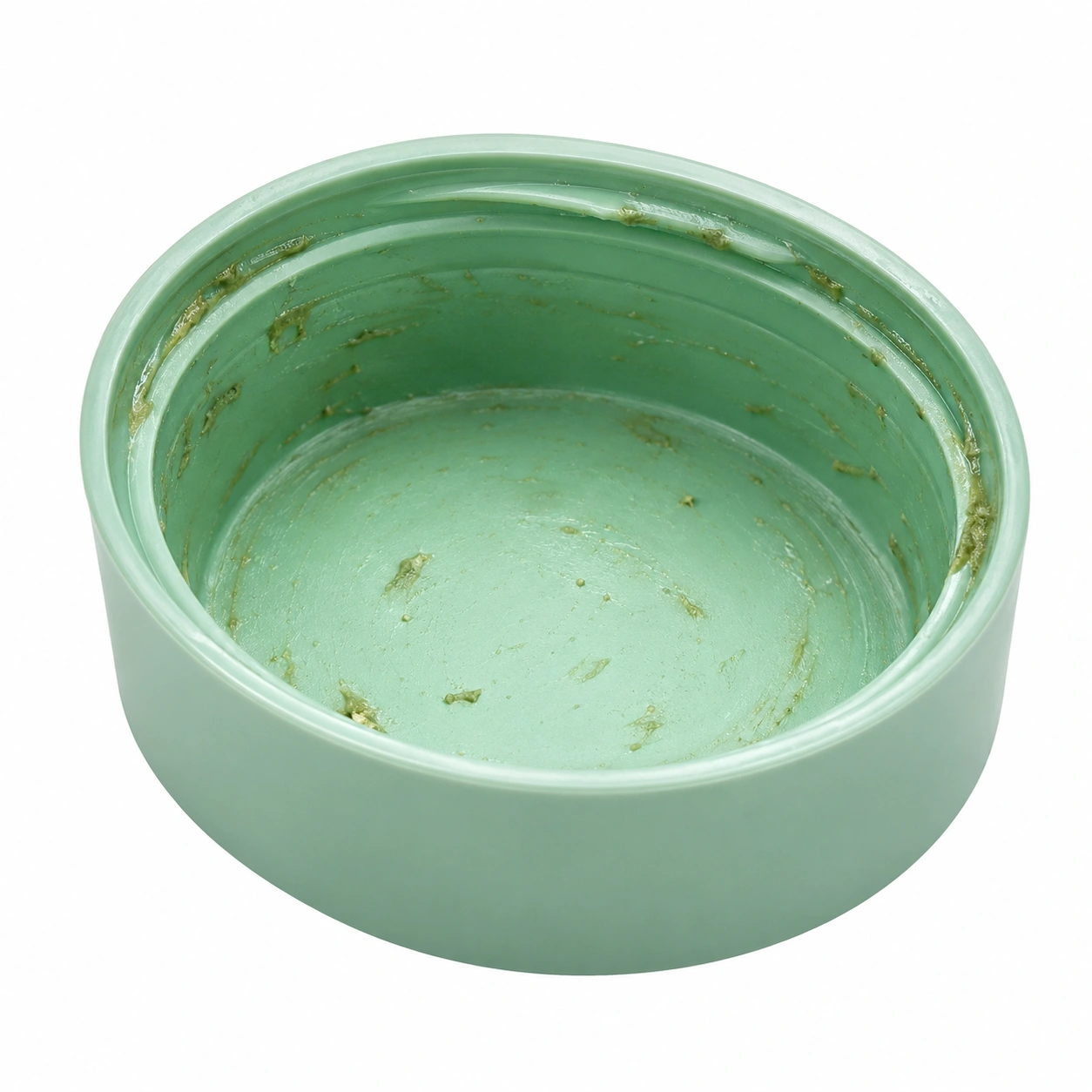
Customer Complaint:
“The cap is always dirty after use.”
Our Solution:
✔ Optimized headspace inside the cap
✔ Controlled stick extension height
✔ Cleaner product retraction design
08 Stick Becomes Crooked
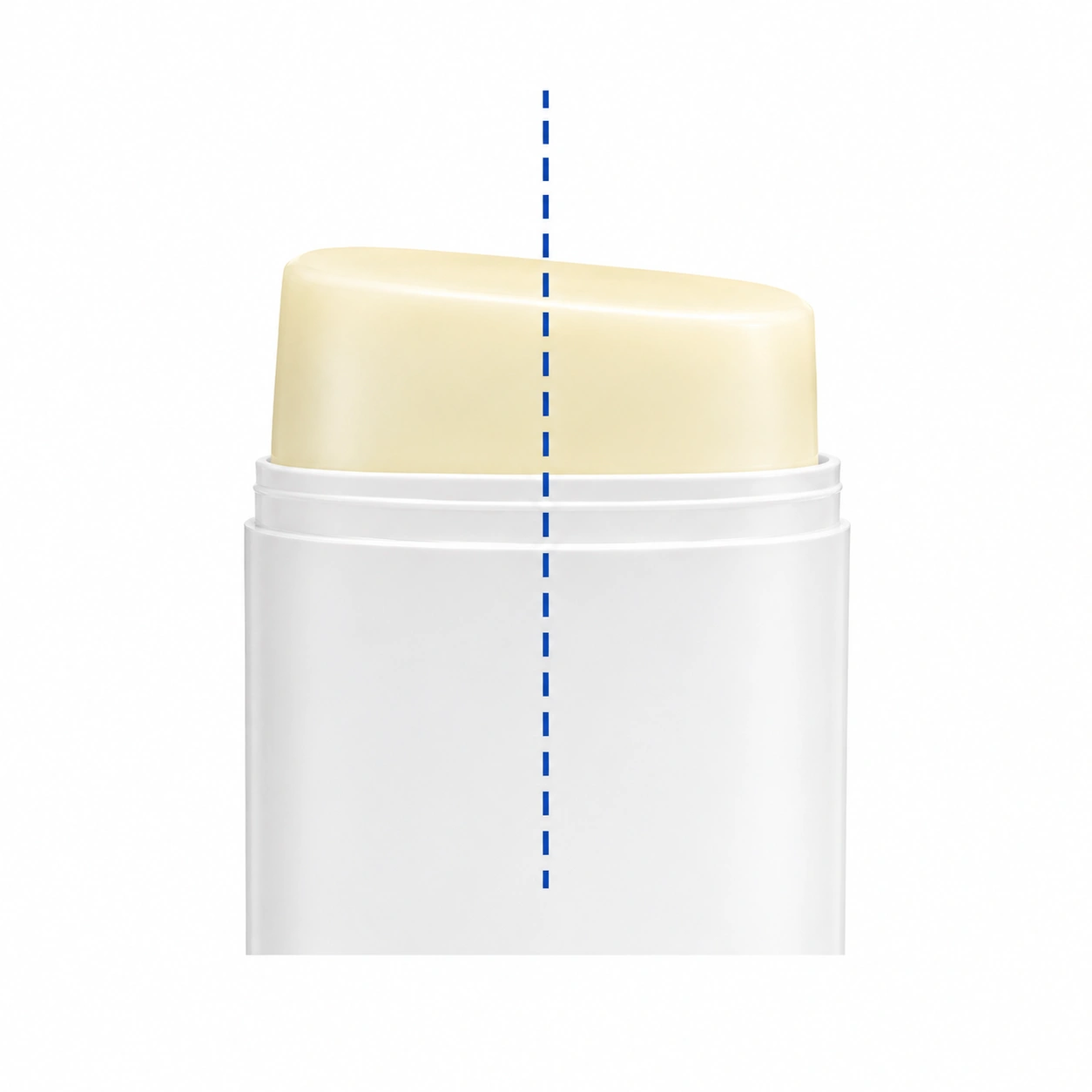
Customer Complaint:
“The product leans to one side.”
Our Solution:
✔ Reinforced guiding ribs
✔ Precision-centered lift mechanism
✔ Stable vertical movement throughout use
09 Package Feels Cheap
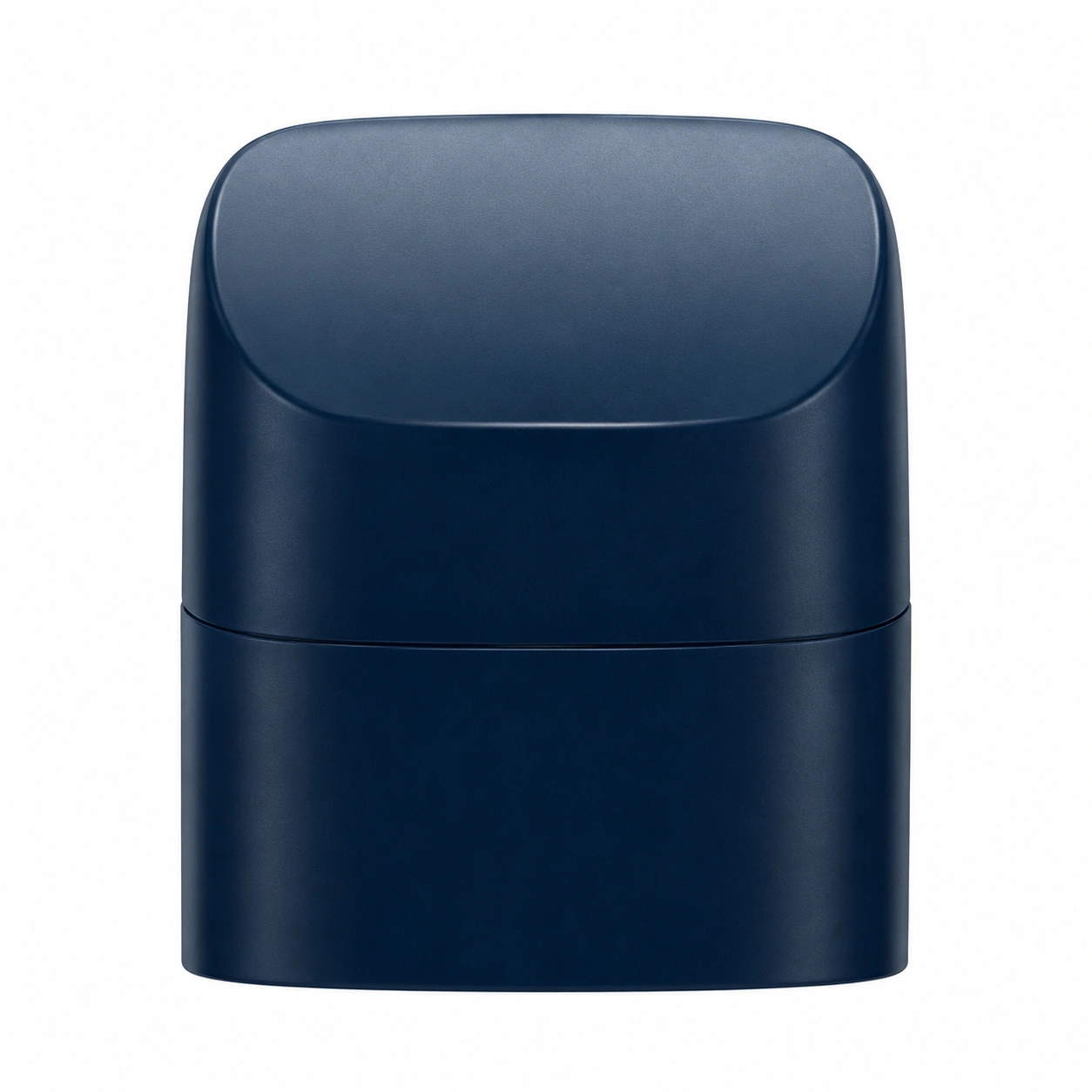
Customer Complaint:
“The packaging feels flimsy.”
Our Solution:
✔ Thick-wall structural design
✔ Premium surface finishes
✔ Improved assembly precision
✔ Luxury tactile experience
10 Performance Changes in Hot Weather
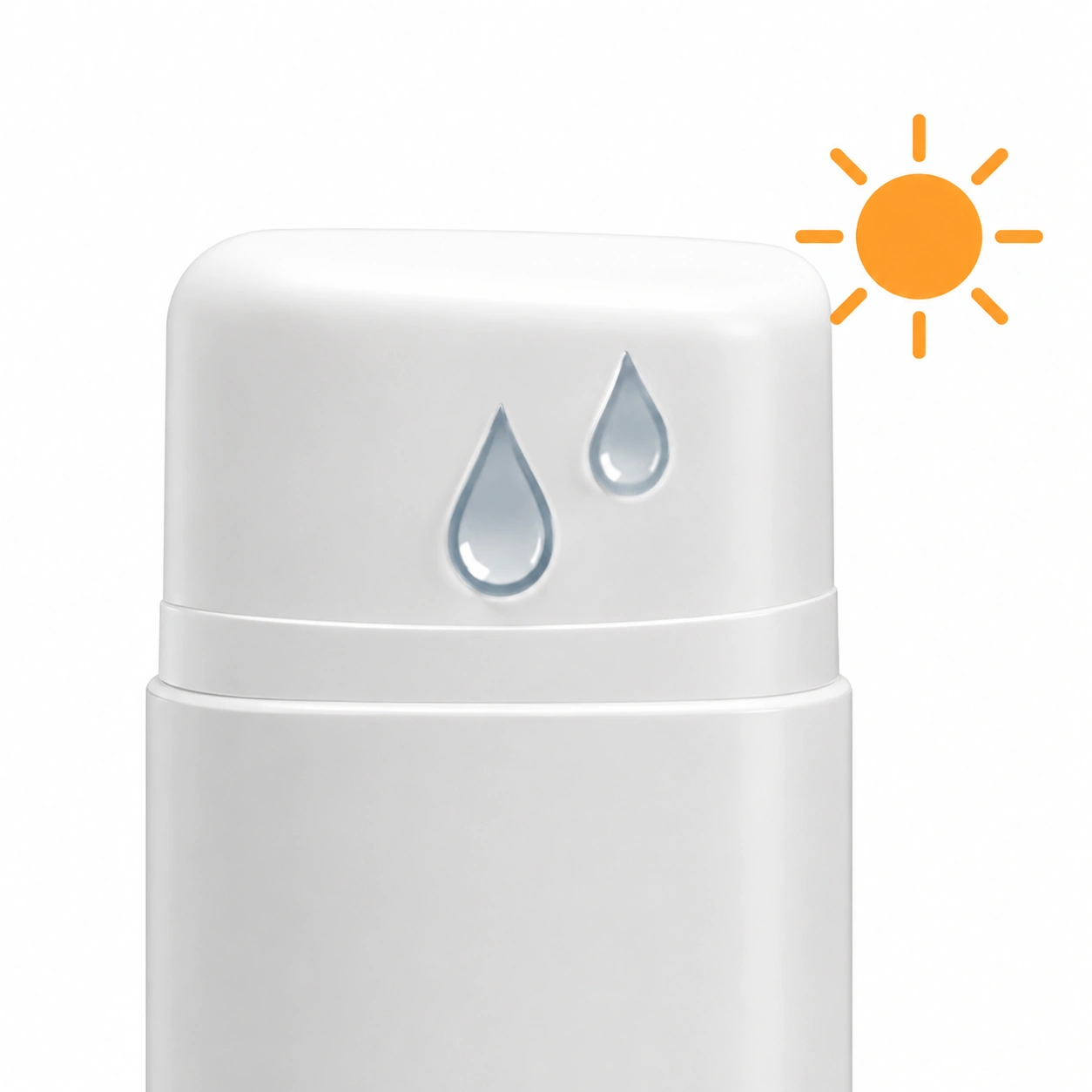
Customer Complaint:
“The stick softened and stopped working.”
Our Solution:
✔ Heat-resistant structural design
✔ Formula compatibility testing
✔ Transportation simulation under extreme temperatures
✔ Reliable performance across different climates
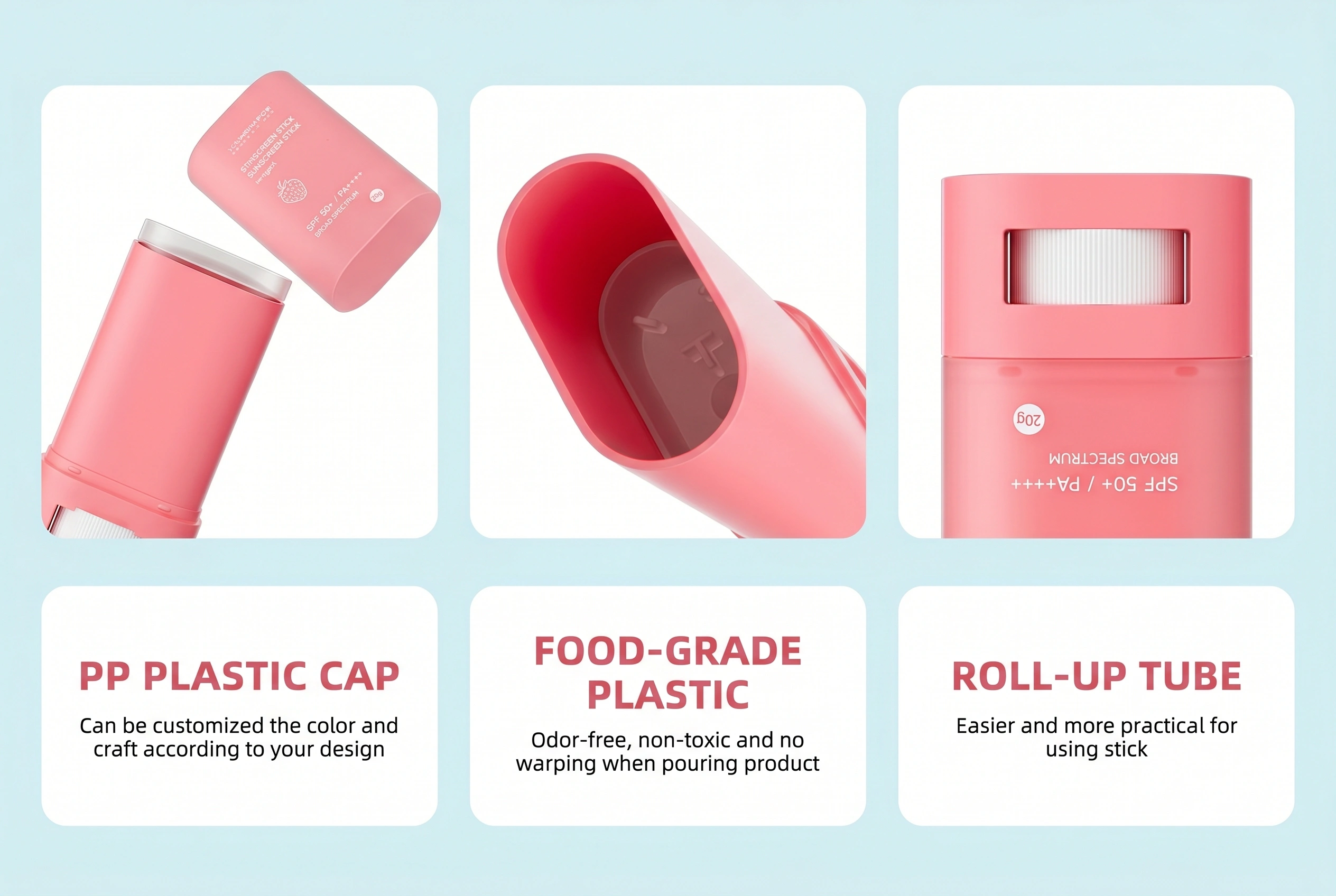
Why Choose Othilapak?
“Instead of simply manufacturing stick containers, we engineer packaging systems that improve the consumer experience from the first twist to the last application.”
FAQ — Stick Container Sourcing
What surface treatments work on PCR material?
Silk screen printing, hot stamping, and matte frosting all perform well on PCR PP. Electroplating is not recommended on high-PCR-content bodies due to surface inconsistency in the recycled resin. For any natural or undyed PCR finish, request a color tolerance report from the specific PCR batch before approving production — batch-to-batch ΔE variation is higher than virgin PP.
What regulations apply to stick container packaging in the US and EU?
In the US, FDA regulations govern material safety and labeling for any container in direct contact with a cosmetic or drug product. In the EU, Cosmetics Regulation (EC) No 1223/2009 and REACH apply; PCR content claims must align with EU PPWR thresholds, which mandate a minimum 30% recycled content in plastic packaging by 2030. Othilapak supplies documentation to support regulatory submissions — confirm your target market at inquiry stage.
What's the difference between bottom-fill and top-fill stick containers?
Bottom-fill is the standard for hard-wax formulas. The platform sits at the lowest position during filling, then the unit is inverted so the formula solidifies against the cap — producing a smooth, dome-free surface at first use. Top-fill suits softer formulations only (Shore A below 50) and requires a wider inner diameter of at least 38 mm to accommodate the fill nozzle.
Can I use the same stick container for both a deodorant and a sunscreen stick?
Yes, if both formulas fall within the same hardness range (typically 55–75 Shore A). However, many sunscreen formulas contain UV filters that are mildly aggressive toward standard PP. Request a formula compatibility immersion test report before committing to a shared container across both SKUs.
How do I know if my formula is compatible with the container material?
Through a 48-hour immersion test at 40 °C. The platform and inner body are submerged in your formula; acceptable dimensional change is less than 0.3% linear swell. This test should be completed and the report delivered before production starts — not after a field complaint. If your formula contains high-fragrance load or aggressive UV filters, specify this upfront so the correct resin grade is selected.
What's the most cost-efficient path to a premium-looking sustainable stick container?
An undyed PCR PP body with a matte frosted finish and a single hot-stamp logo. It signals sustainability through material honesty — no heavy pigments masking PCR color variation — while maintaining strong shelf presence. Pair with a matte cap in a coordinating neutral tone. This combination avoids the cost premium of electroplating and the compatibility risk of UV coating on recycled resin, while meeting both EU PPWR and FTC Green Guide documentation requirements.