
CUSTOM DROPPER BOTTLES
Dropper Bottles Manufacturer
for Skincare, Serums & Essential Oils
“Dropper bottles are the standard for low‑viscosity formulas where every drop matters: facial serums, boosters, brightening treatments, facial oils, essences, and aromatherapy blends.”
• Precise dosage for potent actives like vitamin C, retinol, peptides, and acids
• Clean, targeted application to face, scalp, or cuticles without pouring or spilling
• Compatible with outer cartons or sets in skincare, spa, and wellness gifting
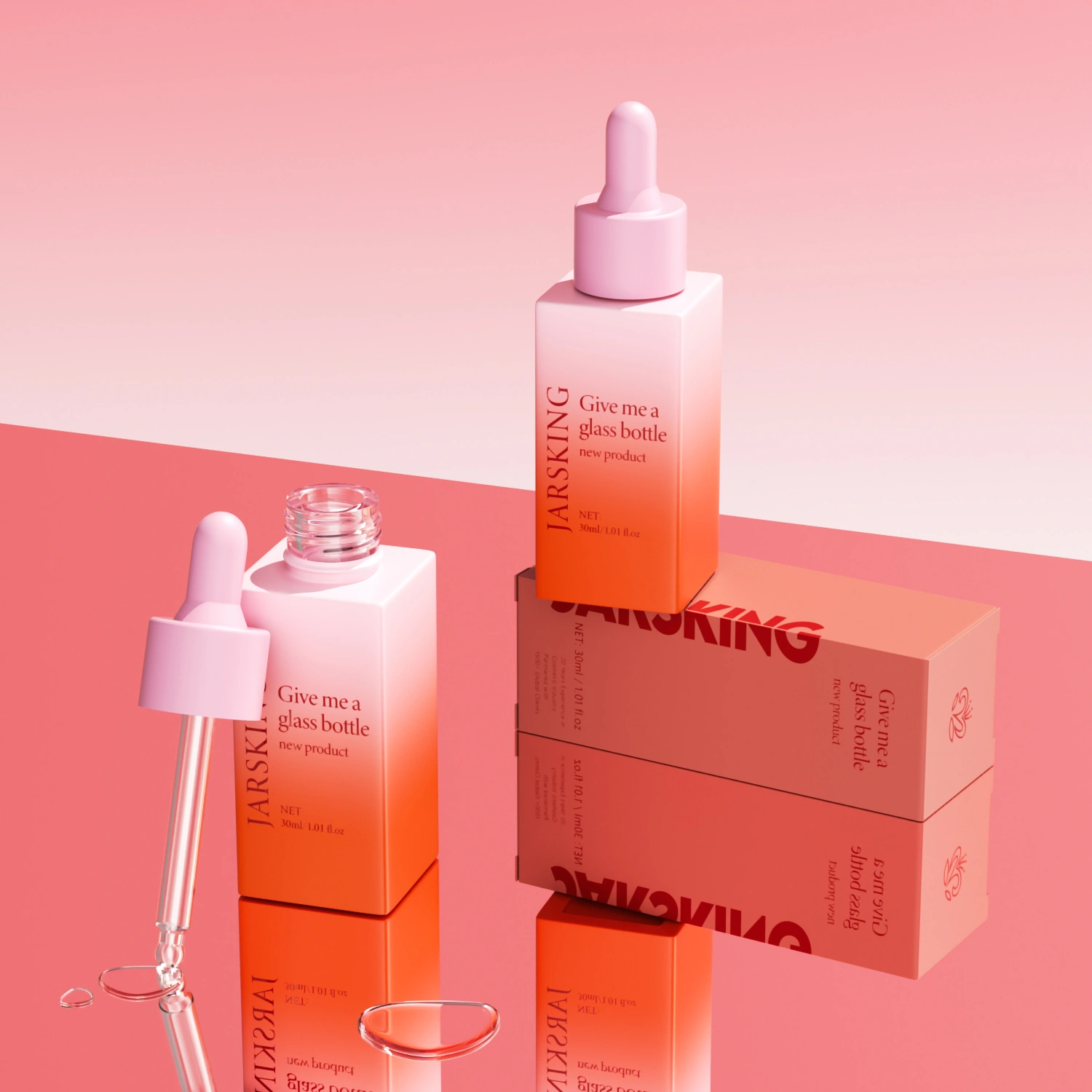
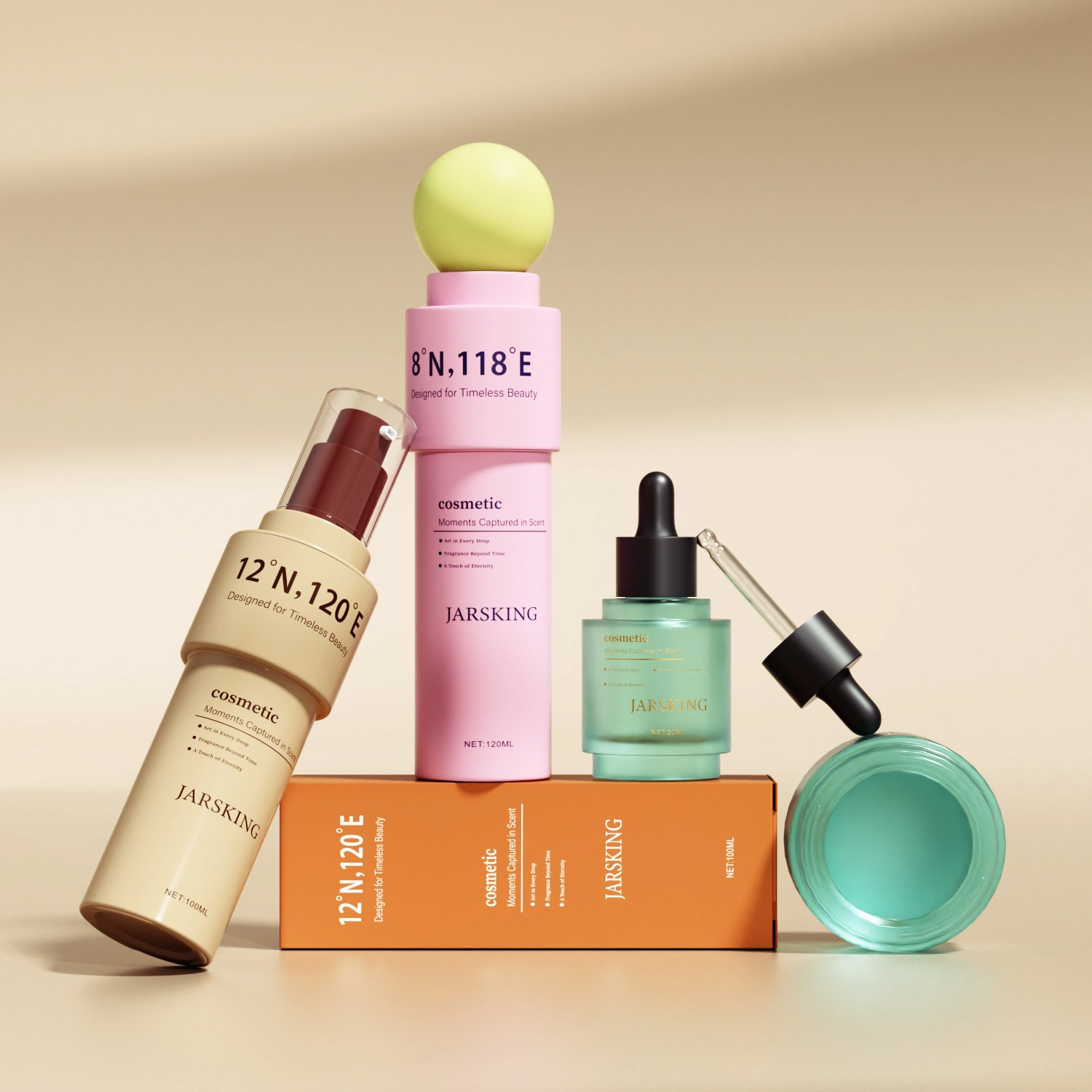
• Strong visual impact on the shelf, especially in glass formats with coatings and printing
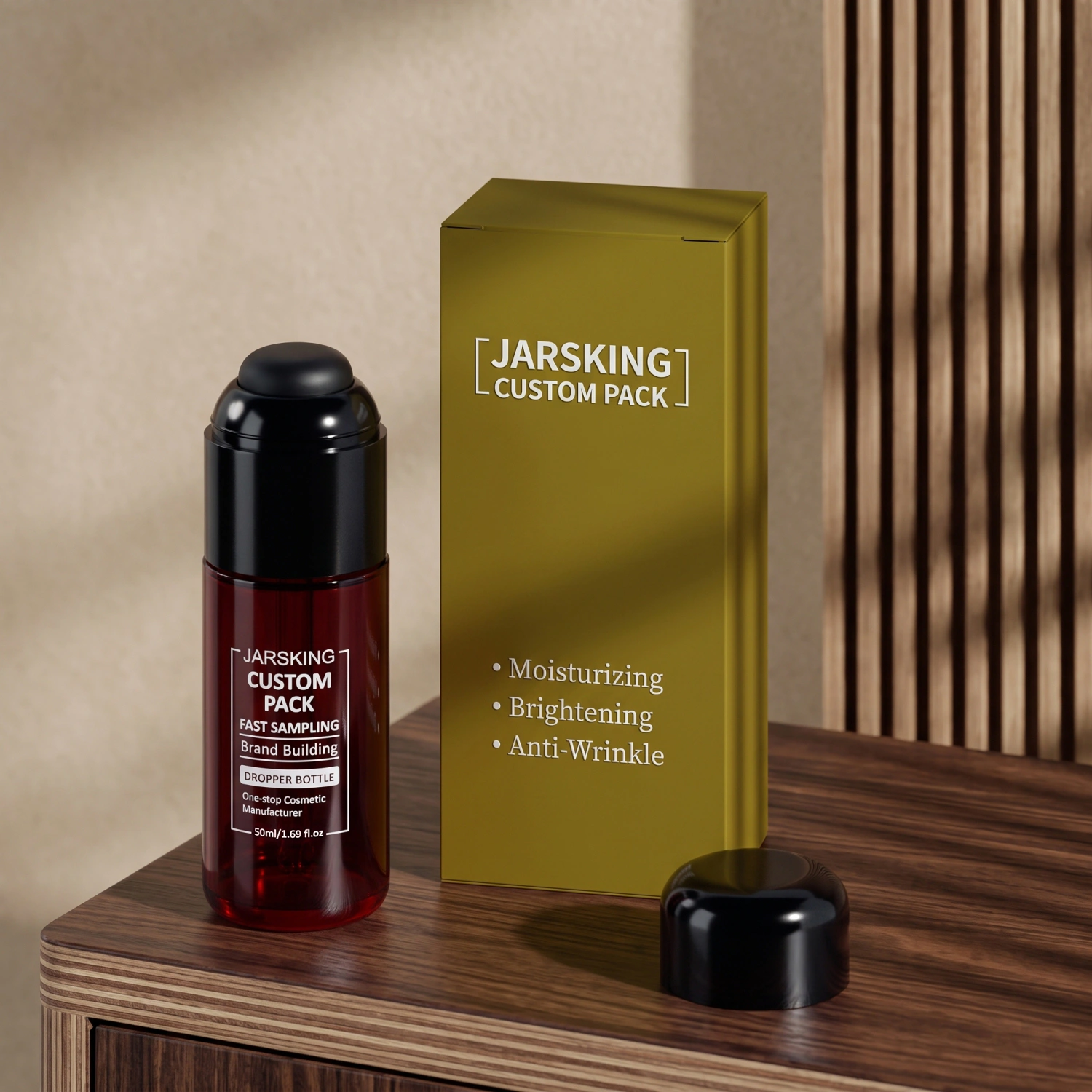
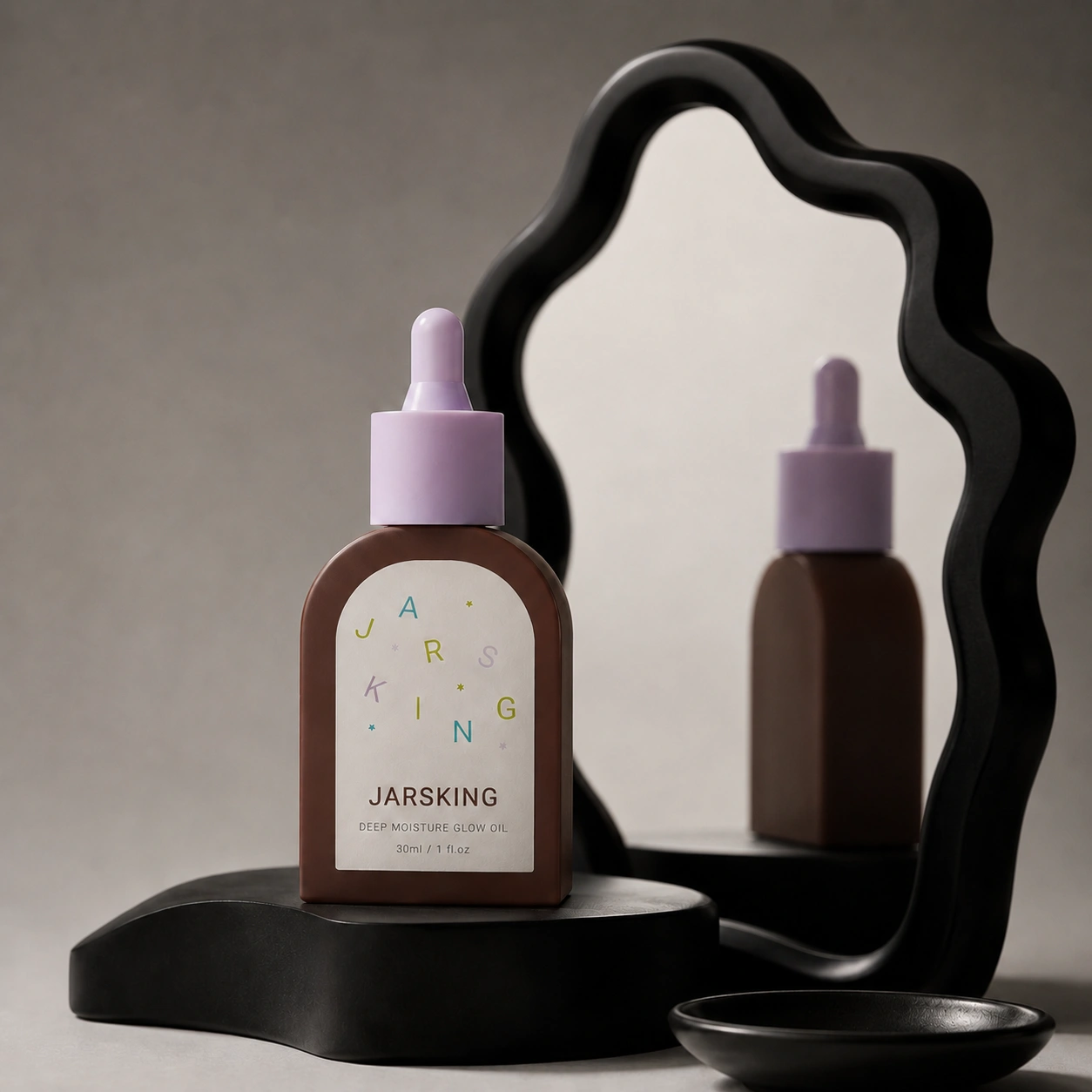
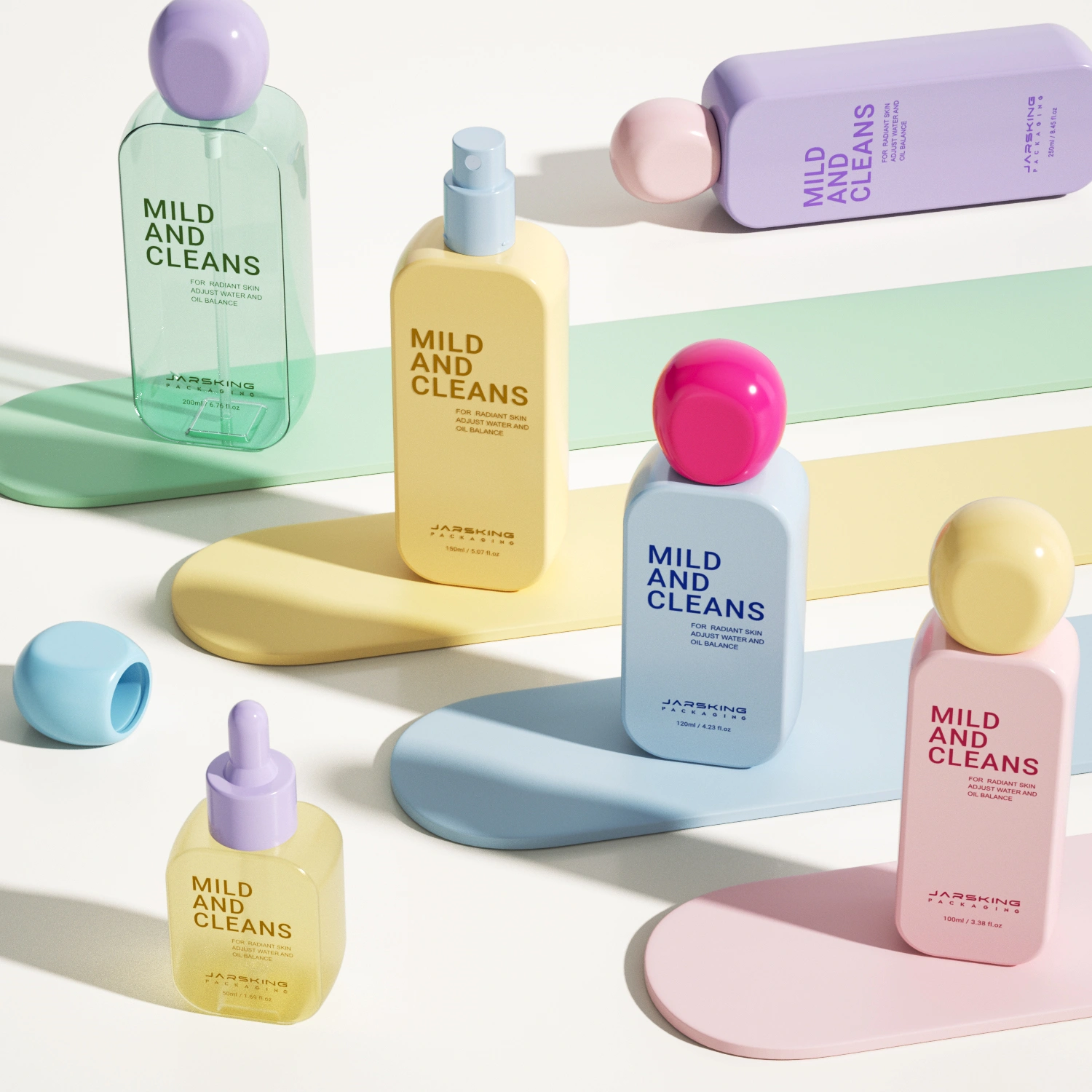
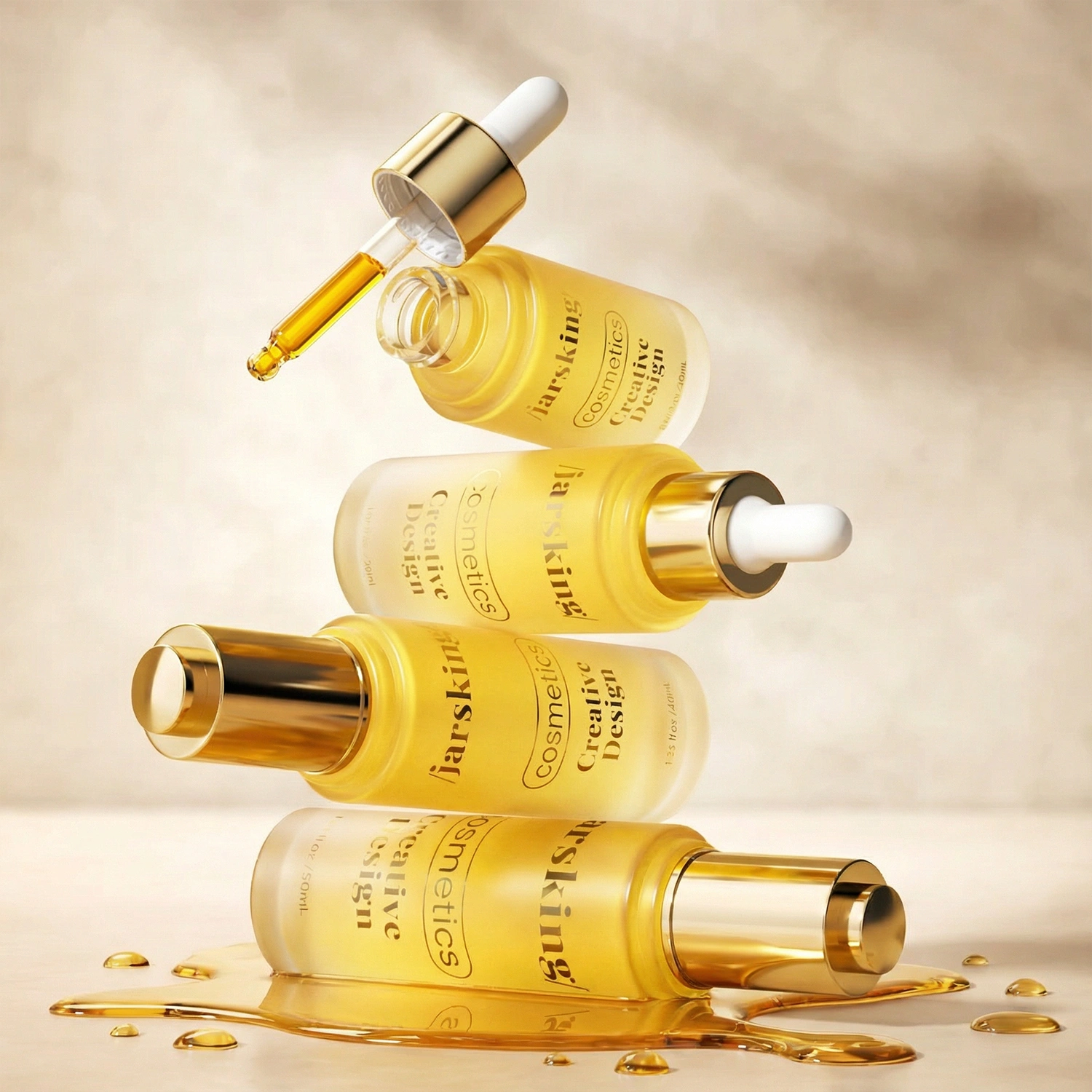
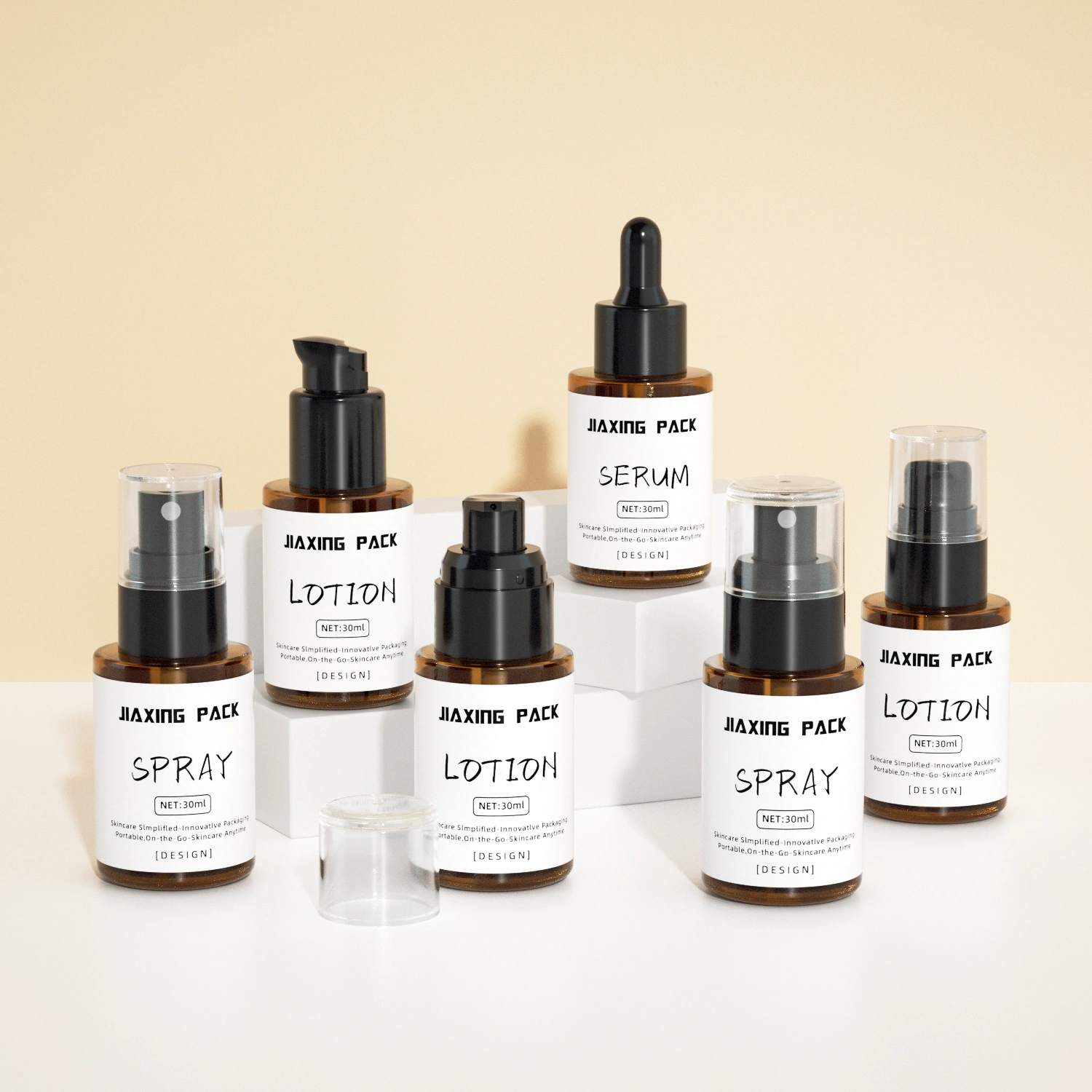
Material Guide: Glass vs. Plastic vs. Aluminum
“Glass is still the default for high‑value formulas, plastic works for travel and cost‑sensitive lines, and aluminum comes in when you want a more technical, protective shell and a different visual language.”
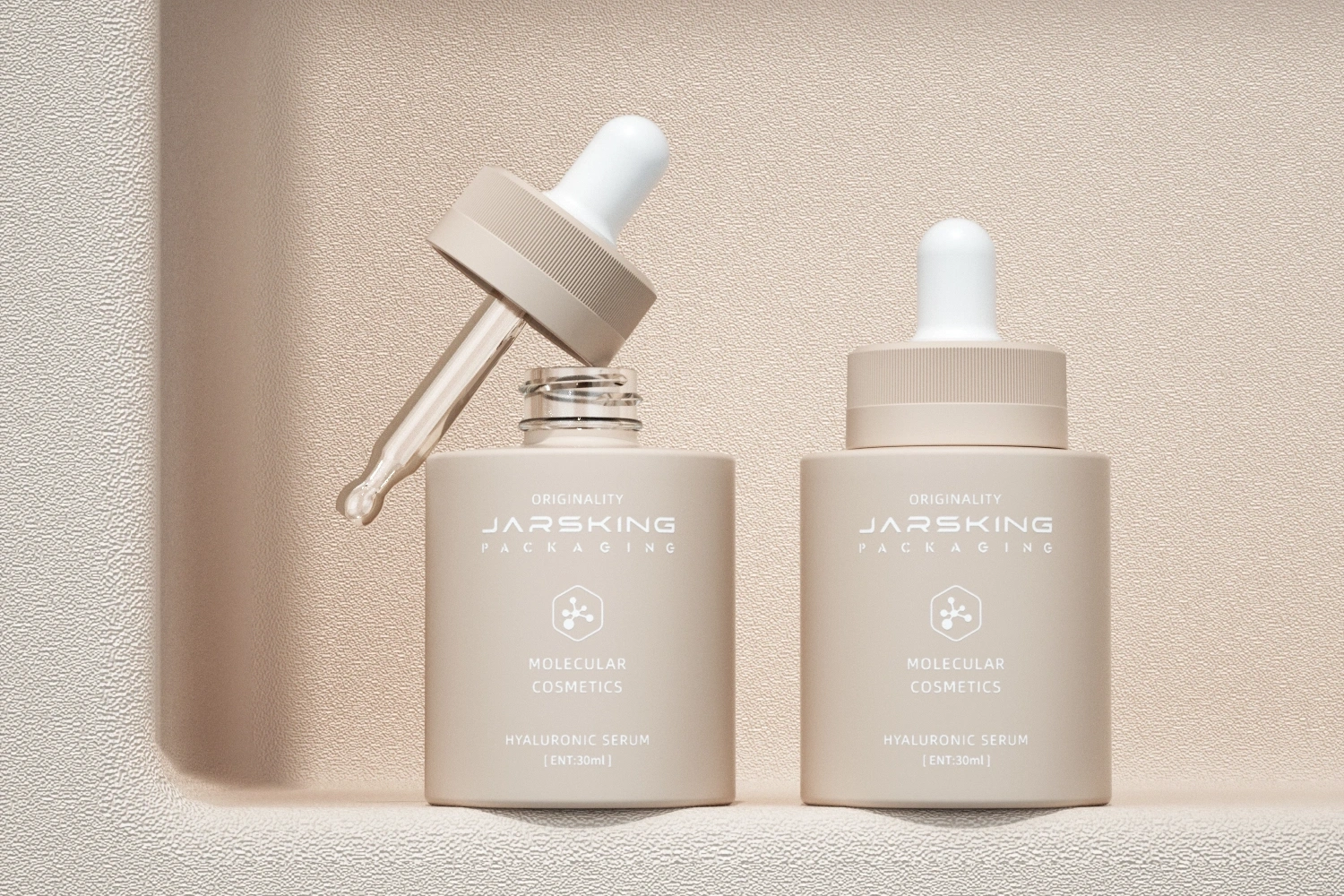
Glass Dropper Bottles
• Glass is still the default choice for high‑value skincare and essential oils.
• Best for formulas sensitive to oxygen, light, and pH shifts, such as vitamin C serums, botanical oils, and aromatherapy concentrates.
• Chemically inert and resistant to most oils, solvents, and active ingredients, reducing risk of leaching or odor transfer.
• Available in clear, amber, cobalt blue, green, and fully opaque or frosted finishes, with each color offering different levels of UV protection.
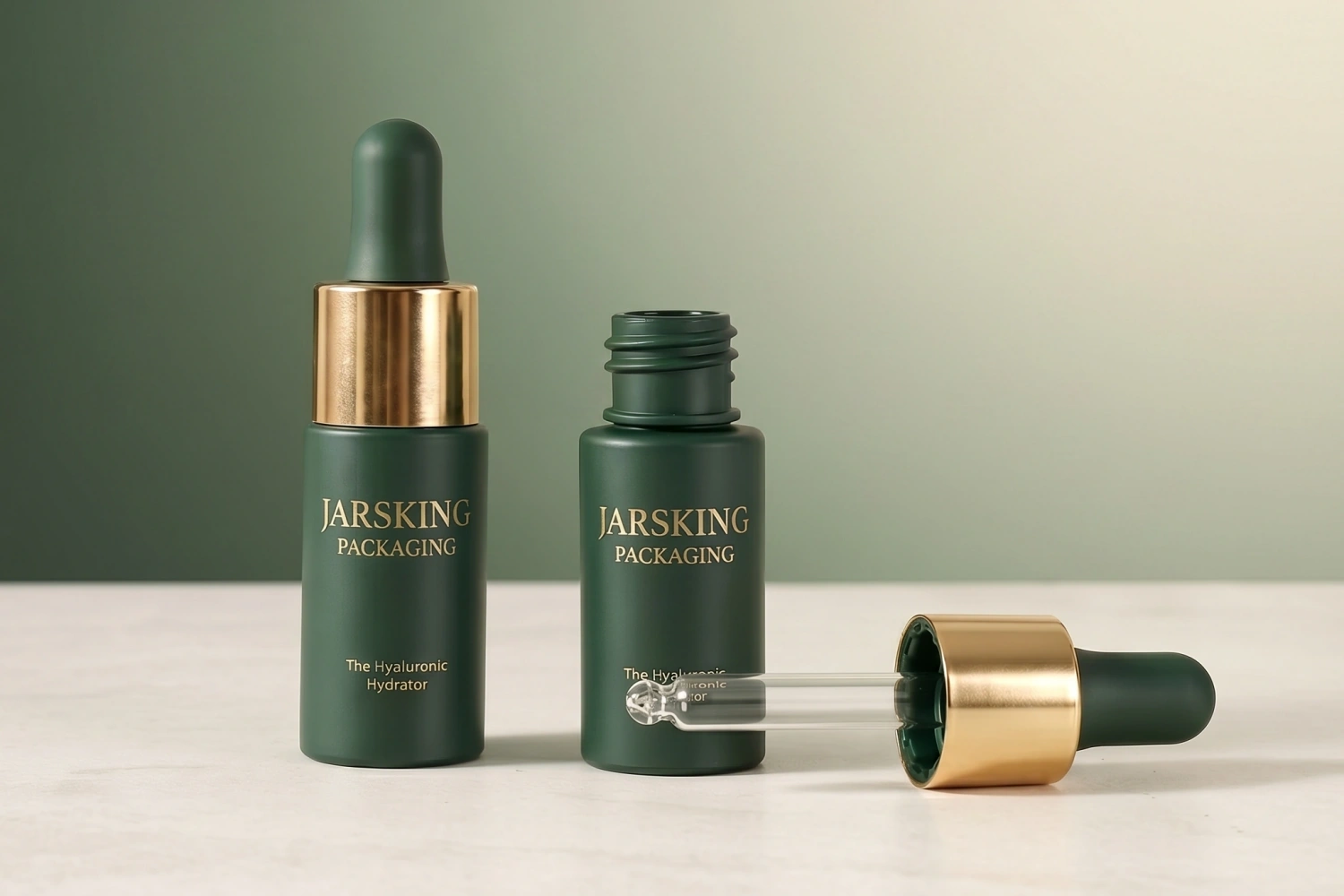
Plastic Dropper Bottles
• Plastic droppers make sense when drop resistance, lighter weight shipping, or cost is your main constraint.
• Suitable for travel sets, hotel amenities, entry‑level skincare, and price‑sensitive wellness lines.
• Can be produced in mono‑material structures that simplify recycling and reduce component complexity.
• Better impact resistance than glass, especially for e‑commerce where breakage in transit is a concern.
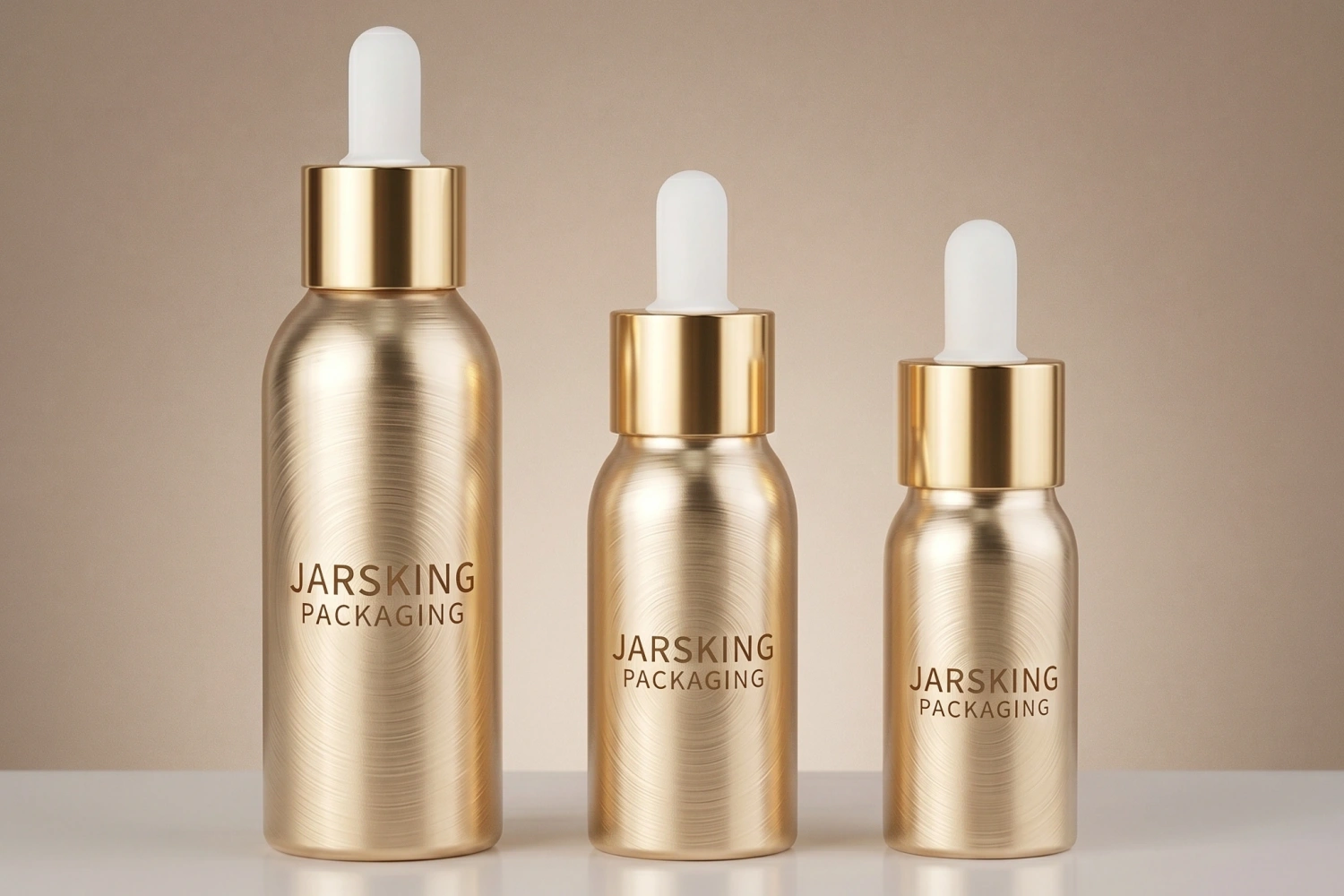
Aluminum Dropper Bottles
• The metal shell provides near‑total light barrier and high resistance to external temperature shifts, which supports sensitive actives and essential oils when paired with a suitable internal coating or liner.
• Lightweight yet dent‑resistant, aluminum works well for travel, e‑commerce, and on‑the‑go formats where you want a premium feel without glass breakage risk.
• The brushed or anodized surface can be finished in natural metal tones or brand colors, giving a more technical, “device‑like” look compared to traditional glass droppers.
How Each Shade Protects and Positions Your Formula
“Each glass color changes how well your formula is protected from light and how your brand is perceived on the shelf, so choosing the right shade is a technical and design decision—not just an aesthetic one.”
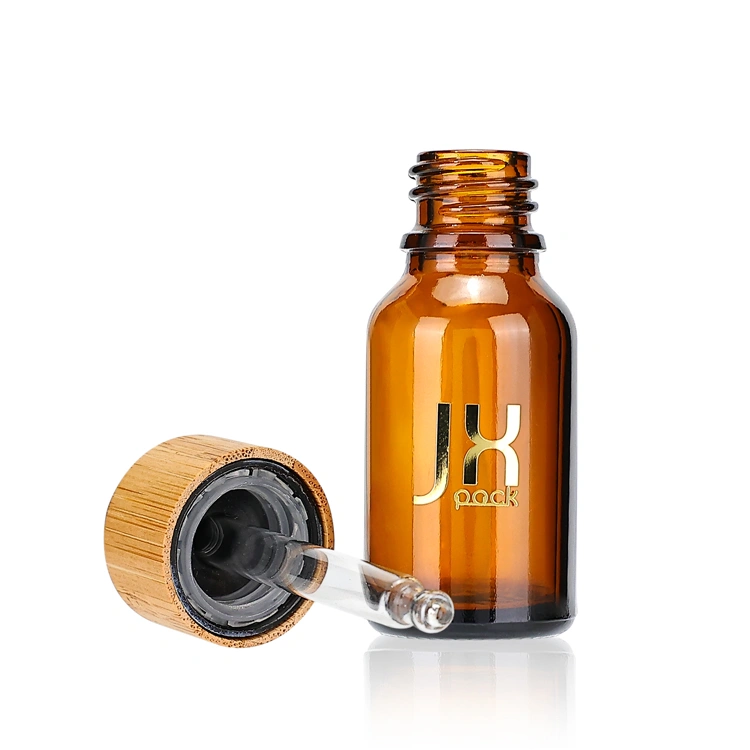
Amber Glass
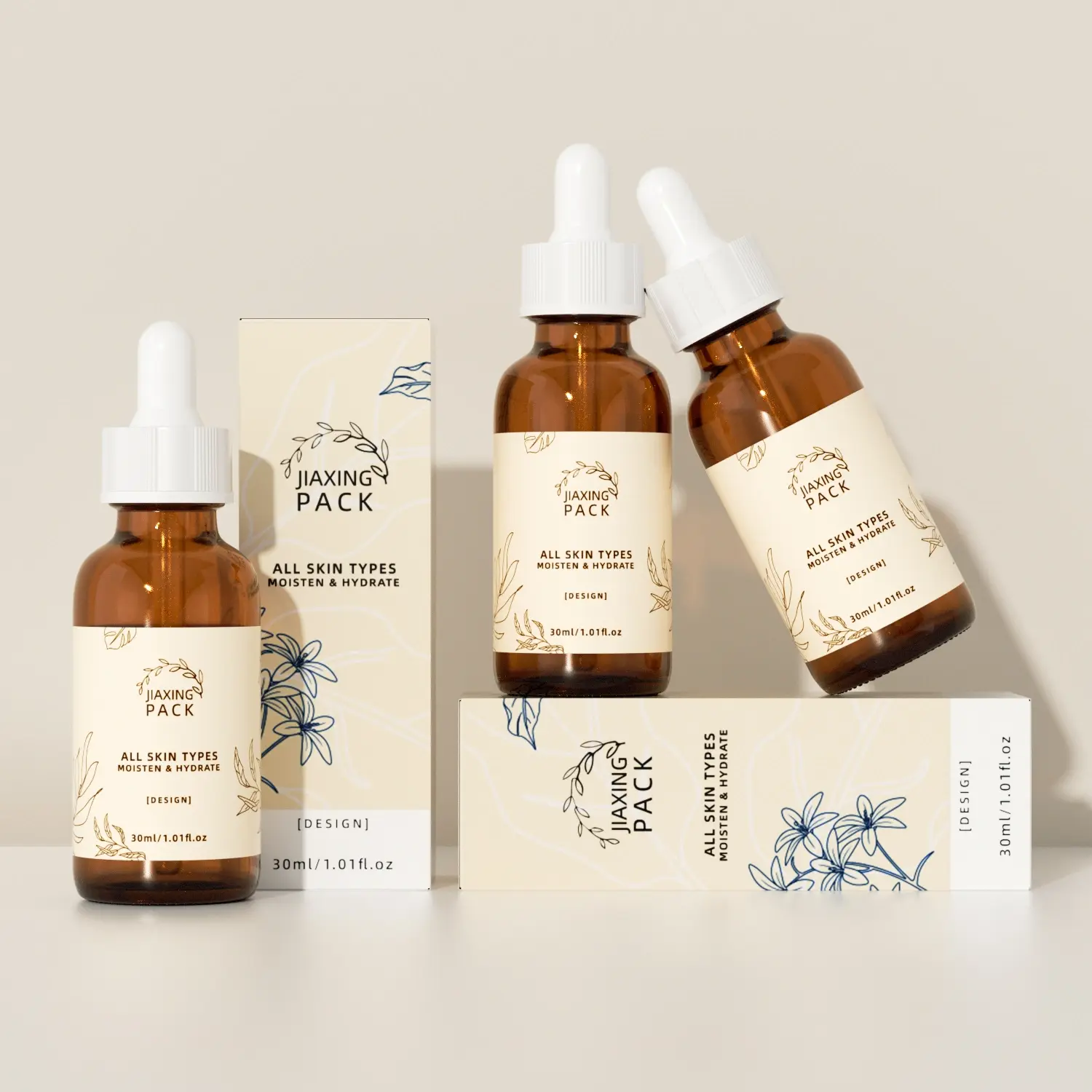
Amber glass is the benchmark for UV protection and is widely used for essential oils, serums, and other light‑sensitive formulas where potency must be preserved over time. It supports a clinical‑meets‑natural look that works well for both apothecary‑style and modern skincare brands.
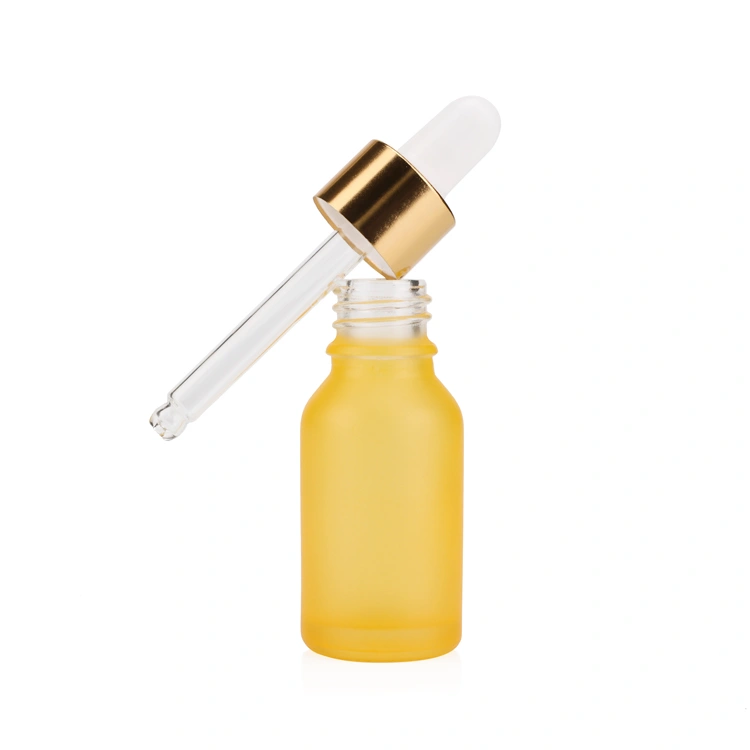
Frosted Glass
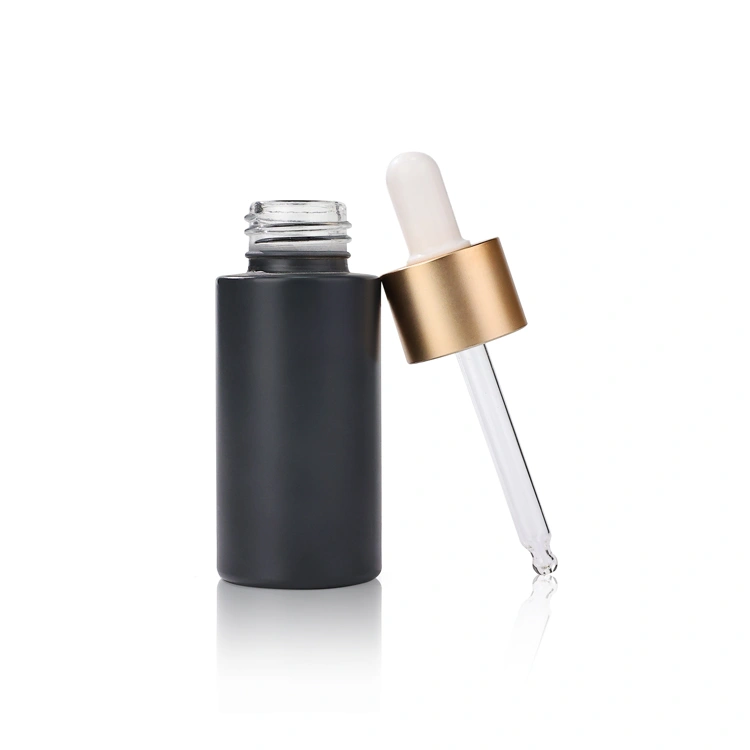
Matte Black Glass
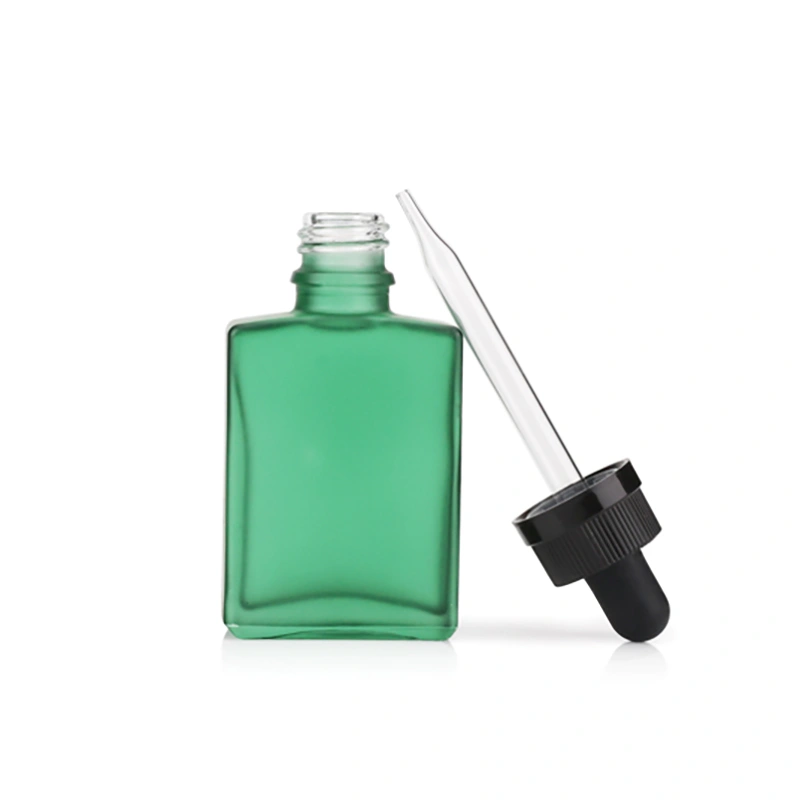
Green Glass
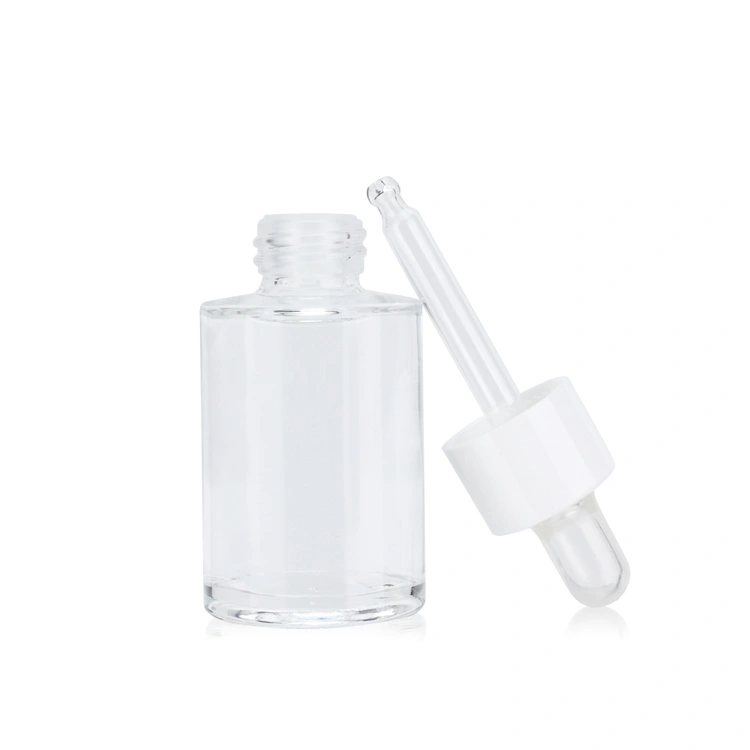
Clear Glass
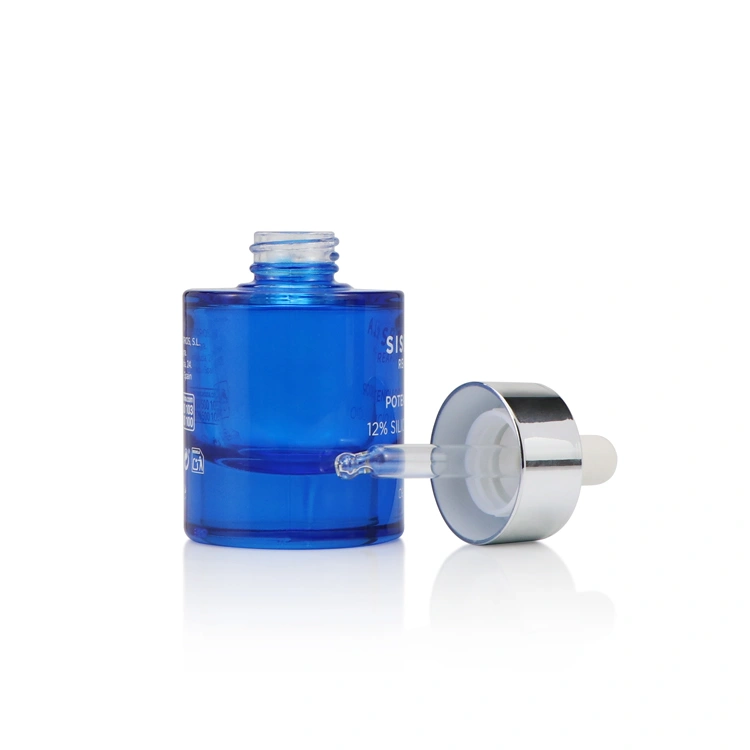
Cobalt Blue Glass
Size, Dimensions and Typical Use Ranges
“Bottle size isn’t just a volume decision; it determines how often customers repurchase, how the product is priced, and which channels it fits best.”
| Use range | Typical volume | Approx. height range | Best for | Notes |
| Discovery / samples | 3–7 ml | 45–60 mm | Travel kits, trial sets | Often paired with mini droppers and lighter glass for cost |
| Individual skincare | 10–20 ml | 60–80 mm | High potency serums, boosters | Good for premium lines where price per ml is high |
| Standard retail | 30–50 ml | 90–115 mm | Daily serums, facial oils | The most common size range on retail shelves |
| Professional / backbar | 50–100 ml | 110–135 mm | Spa treatments, professional use |
Often used with stronger glass to handle frequent handling |
Dimensions are reference ranges only; final production follows confirmed technical drawings and 3D files for your specific project.
Effortless Precision and Control for Every Application
Discover the advantages of two innovative dispensing solutions—tilt-tip and twist-and-press droppers. Tilt-tip droppers offer enhanced precision and controlled flow, making them ideal for skincare and essential oils. Twist-and-press droppers provide one-handed operation and leak-proof security, perfect for thicker formulas and premium user experience.
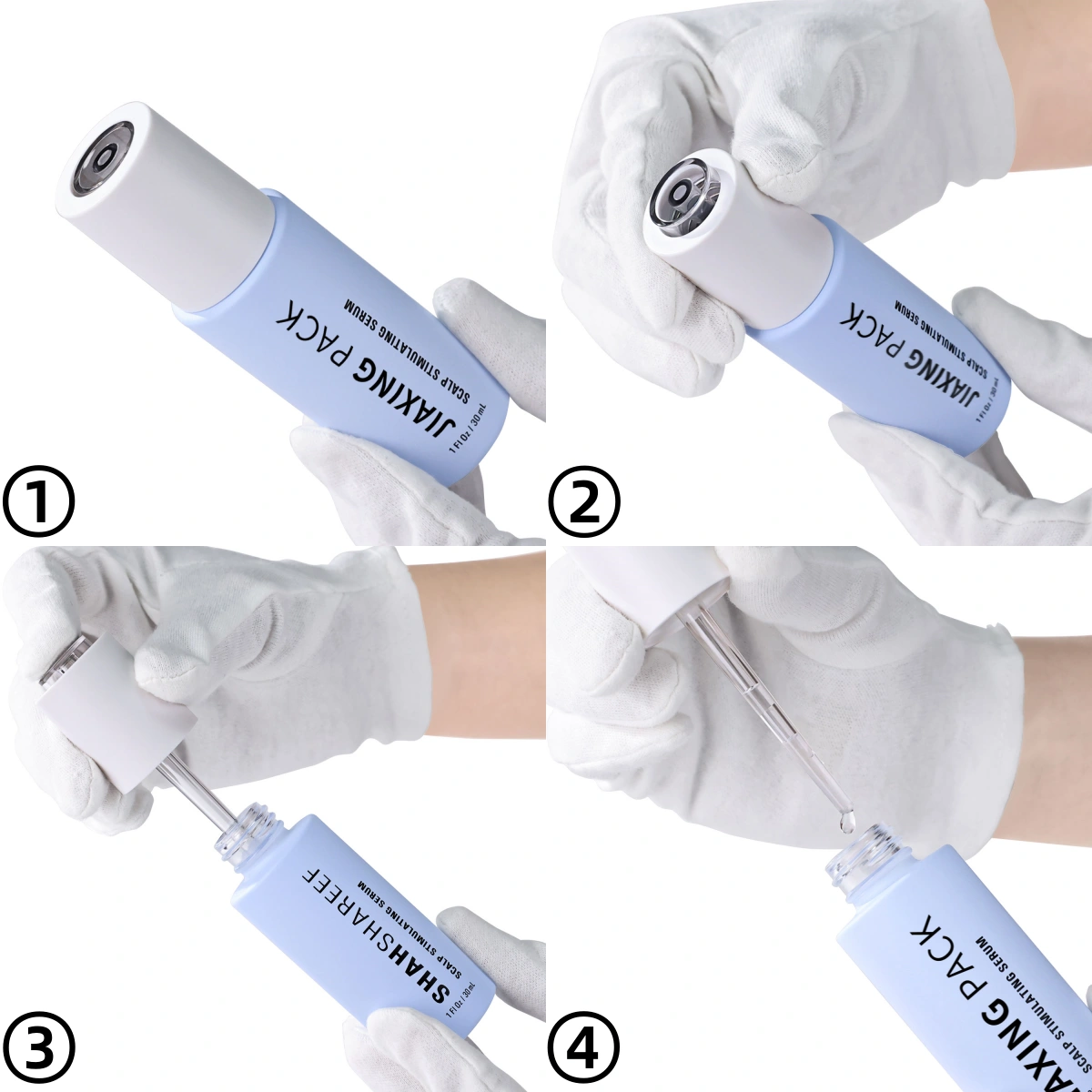
Twist-and-Press Droppers are a Great Choice.
• One-Handed Operation:
The twist-and-press design enables easy dispensing with one hand, making it convenient for daily skincare routines.
• Leak Prevention:
The secure twist-lock system prevents accidental spills and leakage, making it ideal for travel and storage.
• Hygienic Application:
The closed design reduces exposure to air and contaminants, preserving product freshness and extending shelf life.
• Compatibility with Viscous Formulas:
Designed to handle thicker liquids like serums, oils, and creams without clogging or dripping.
Hard to Get the Last Drop?
• Ease of Use:
The tilting design makes it easier to dispense products at a comfortable angle, improving user experience, especially for viscous liquids.
• Prevents Over-Dispensing:
The controlled flow reduces the risk of overuse, helping to conserve valuable formulas and improve product longevity.
• Reduces Contamination:
The tilted tip minimizes direct contact with the skin or surface, maintaining product hygiene and integrity.
• Versatile Compatibility:
Suitable for various products, including serums, oils, essential oils, and pharmaceutical solutions, enhancing its market adaptability.
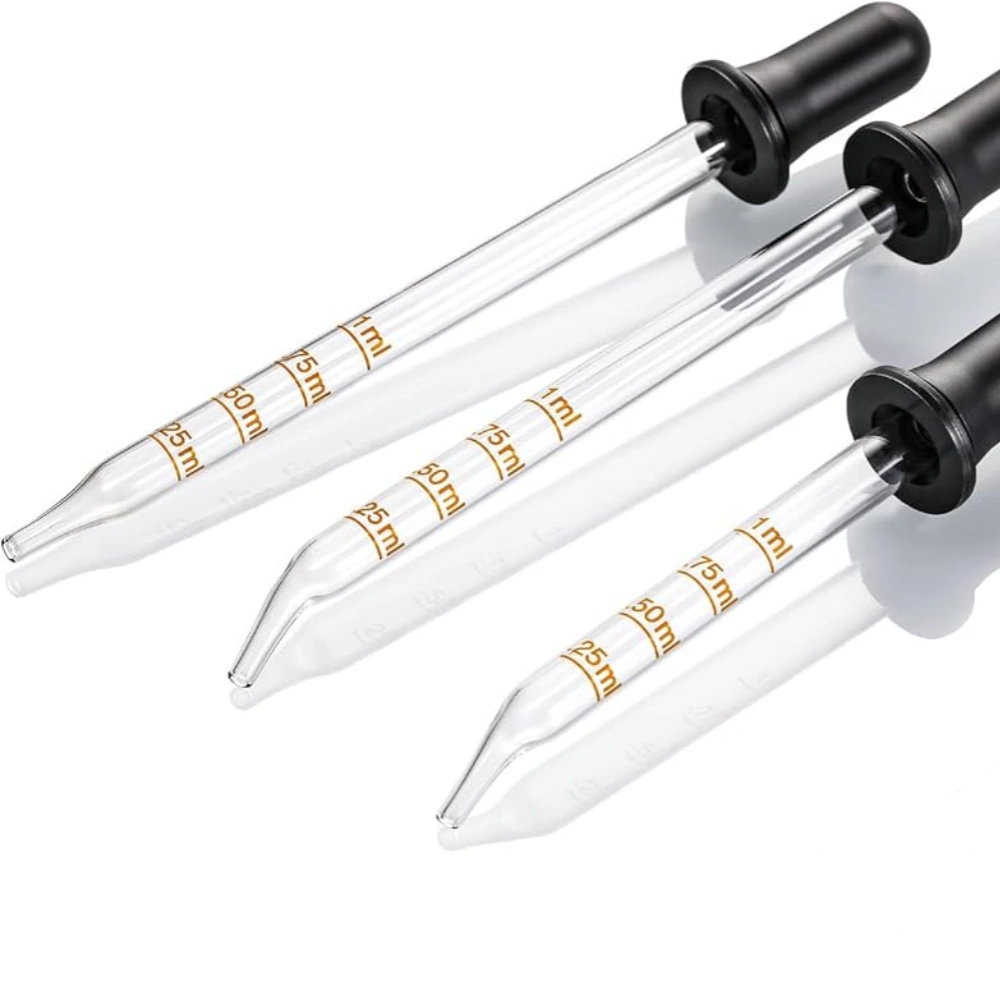
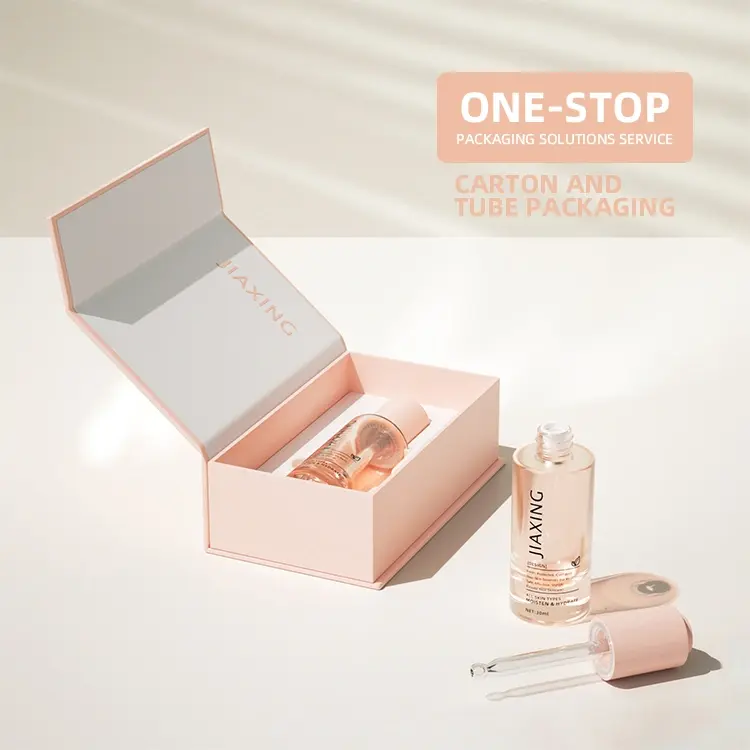
Premium Dropper Bottle Gift Box – Elegant Packaging for Serums & Essential Oils
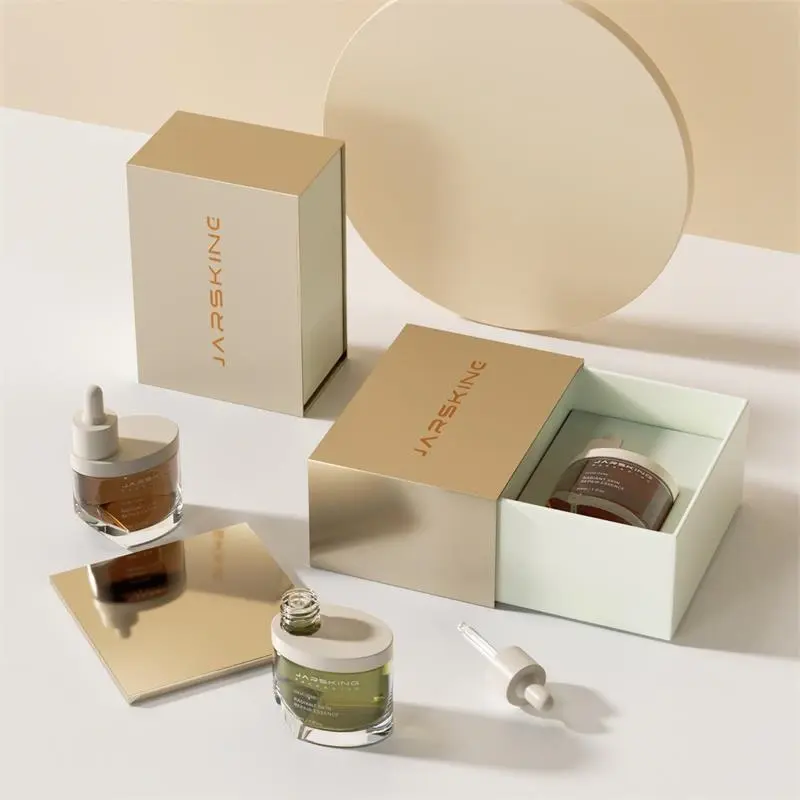
4 Must-do Tests for Dropper Bottles
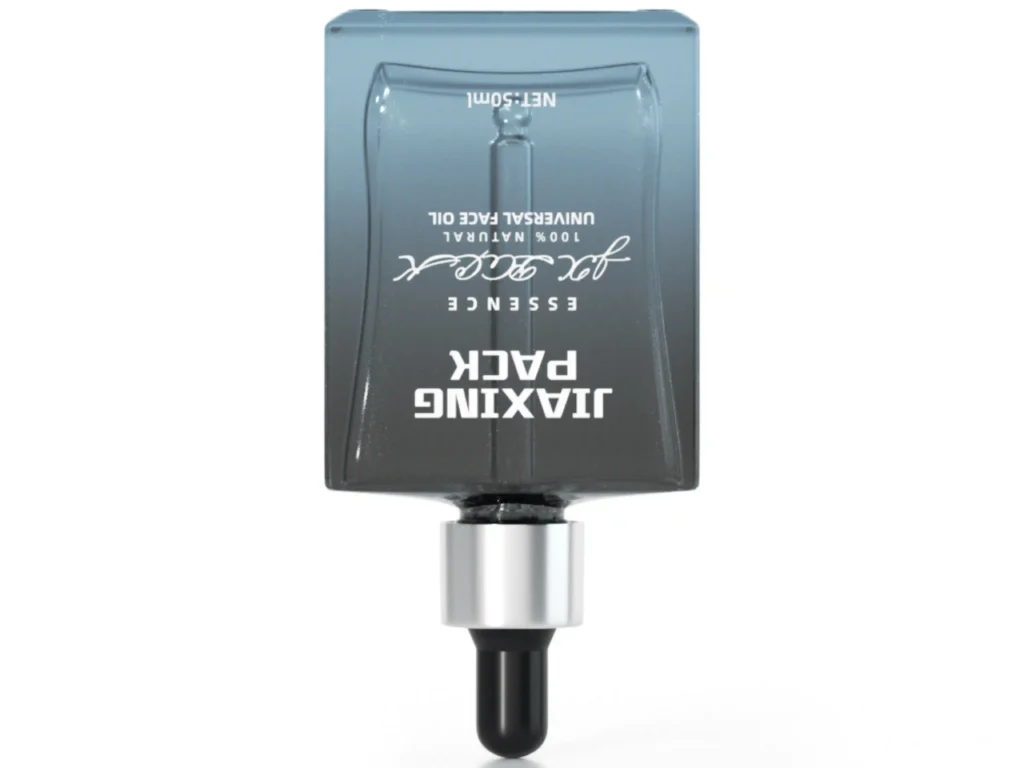
01 Leak-proof Test
Confirms that the packaging maintains a secure seal, preventing spills and product waste during storage and transport.
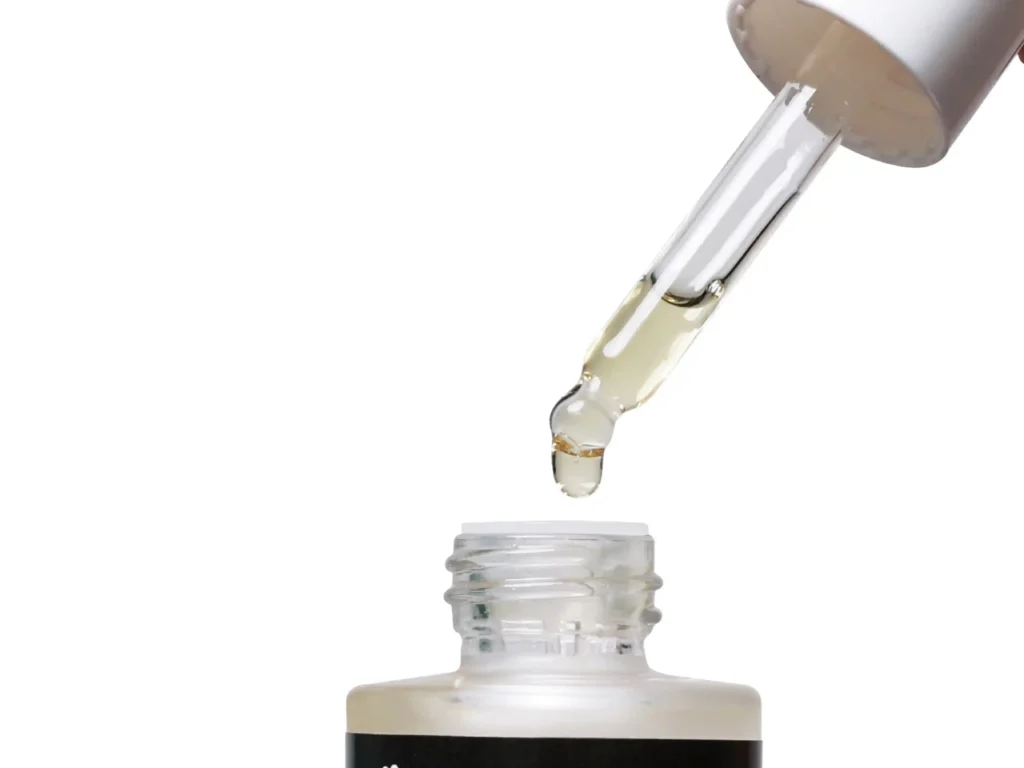
02 Dropper Accuracy Test
Ensures precise liquid dispensing by verifying the dropper’s control over dosage, crucial for essential oils, serums, and tinctures.

03 Compatibility Test
Evaluates the interaction between the packaging material and the product formula to ensure stability and prevent reactions.

04 Vacuum Chamber Test
Simulates pressure changes to assess the bottle’s durability and airtight properties, ensuring no air infiltration or leakage.
FAQs about Dropper Bottles for Beauty and Essential Oils
Should I use clear or colored glass for light‑sensitive formulas?
Light‑sensitive formulas perform better in colored or coated glass such as amber, cobalt blue, green, or matte black, which all help reduce UV exposure to different degrees. Clear glass is generally safer only for more stable formulas or when combined with outer cartons and verified shelf‑life testing.
Are dropper bottles suitable for thicker, high‑viscosity products?
Standard droppers work best with low‑to‑medium viscosity serums and oils, not very thick, gel‑like products. For heavier textures you may need a larger‑bore pipette or consider switching to an airless pump or other dispensing system designed for high viscosities.
What is the typical dosage per dropper use?
A typical cosmetic dropper dispenses around 0.25–0.5 ml per full squeeze, depending on pipette diameter, bulb hardness, and the viscosity of your formula. If you need precise clinical dosing, you should request test data and consider graduated pipettes with verified actuation volume.
Are dropper bottles compatible with natural and essential oil–rich formulas?
Glass dropper bottles are generally very compatible with essential oils and oil‑rich formulations because glass is inert and does not easily react with these ingredients. If you are considering plastic or coated structures, additional compatibility testing is important because certain oils and solvents can stress resins or finishes over time.
What information should I prepare before requesting a quote for dropper bottles?
To receive an accurate proposal, you should prepare your target volume per SKU, formula type, preferred material, capacity, decoration needs, and target launch date. Sharing these details early allows the supplier to recommend suitable stock molds or plan custom tooling and testing around your budget and timeline.
How can I reduce the risk of leakage during transport and e‑commerce shipping?
Leakage risk is reduced by matching the correct neck finish and closure, defining torque specifications, and testing with your actual filled product under drop and vibration conditions. Many brands also add inner plugs, seals, or shrink bands for long‑distance shipping or higher‑value formulas.