

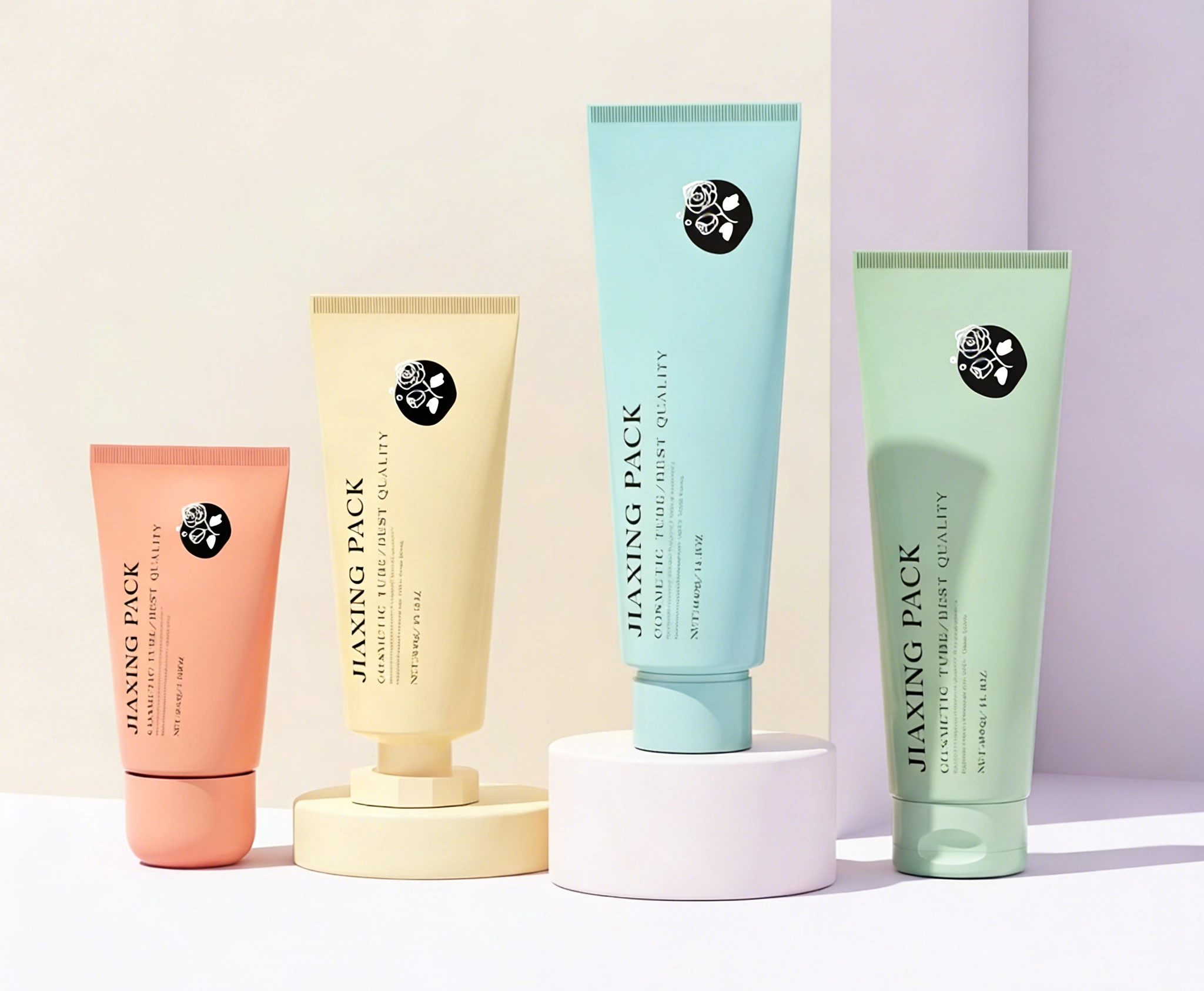
Cosmetic tubes are among the most reliable and versatile primary packaging formats in modern beauty and personal care, but choosing the “right” tube for a specific product is as technical as it is creative. The material, wall structure, size, shape, closure, and decoration must all be chosen in response to what the formula needs in terms of protection and usability over its entire lifecycle, not just how the packaging looks on the shelf. When brands treat tubes as engineered systems rather than simple containers, they reduce the risk of failures such as leakage, deformation, or loss of active potency in the market.
A formula-first approach means evaluating viscosity, sensitivity to oxygen and light, and chemical aggressiveness before locking in any tube concept. A basic cleanser might work well in a simple single-layer PE tube, while a vitamin C serum, retinol treatment, or high-SPF sunscreen may require a high-barrier laminate or even aluminum to maintain stability under real distribution and storage conditions. Each technical choice—barrier level, wall thickness, polymer type, closure design—has direct consequences for oxygen ingress, aroma retention, recyclability, manufacturing speed, and ultimately cost of goods.
To succeed at scale, tube packaging must also align with filling line capabilities, MOQ and lead-time constraints, sustainability goals, and regional market expectations. Standard diameters, proven shoulder designs, and mainstream closure types often give the best balance of performance, uptime, and cost, while decoration and shape can then be tuned to express brand positioning within those technical boundaries. By making structural and material decisions collaboratively with manufacturing partners and grounding creative choices in process reality, brands can achieve tube packaging that looks premium, protects the formula, runs reliably, and supports a credible sustainability and cost story across its entire lifecycle.
1. Why Cosmetic Tubes Still Matter
Tubes continue to dominate categories such as cleansers, sunscreens, body lotions, ointments, and many treatment products because they offer controlled dispensing, good hygiene, and convenience across a wide range of viscosities. Consumers understand how to use squeeze tubes intuitively, which reduces friction and supports repeat purchase, especially for daily-use products that live in bathrooms, handbags, or gym bags.
From a manufacturing perspective, standard tube formats—extruded plastic, laminate, and aluminum—are compatible with common high-speed filling lines and can be produced in a wide range of diameters and lengths. Decoration options such as offset printing, silk screening, hot stamping, and labels give brands enough flexibility to differentiate while still using proven, scalable structures.
Strategically, tubes often occupy a sweet spot between performance and cost. A well-specified tube can protect moderately sensitive formulas without the cost and mechanical complexity of pumps or fully airless systems. For many brands, the key question is less “tube or not?” and more “which tube configuration delivers the right balance of protection, usability, and margin for this SKU?”
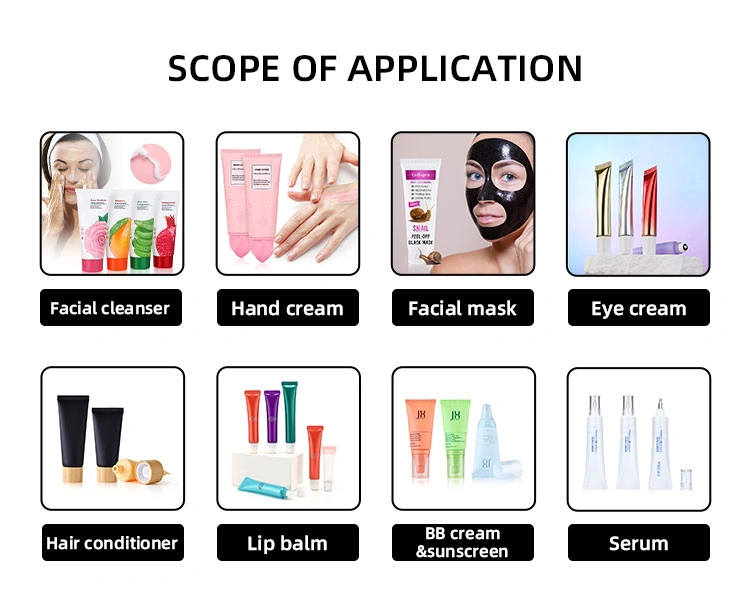
2. Start with the Formula, Not the Design
The most common mistake is choosing the tube “look” before understanding what the formula actually needs. In reality, viscosity, sensitivity to oxygen/light/moisture, and chemical profile drive almost every major packaging decision.
Viscosity and Rheology
Viscosity determines how easily a product flows, how much force the consumer must apply, and whether the tube will recover its shape after squeezing. Thin liquids and gels, such as facial cleansers or light lotions, usually dispense well from standard single-layer polyethylene (PE) tubes with moderate wall thickness. In contrast, very thick creams, zinc sunscreens, and ointments put more mechanical stress on the tube walls and often require thicker walls, smaller diameters, or more rigid structures to avoid permanent collapse and “flat” looking packs on shelf.
The rheology of the product also affects user perception. Shear-thinning products that flow easily when squeezed feel effortless in a moderately stiff tube, while highly elastic or pasty formulas may feel hard to dispense unless the orifice and wall stiffness are tuned together. For high-viscosity systems, pairing a slightly smaller diameter tube with a larger orifice and stiffer wall often produces a smoother, more controlled dispensing experience.
Sensitivity to Oxygen, Light, and Moisture
Many modern skincare actives—vitamin C, retinoids, certain plant extracts, and organic UV filters—are sensitive to oxygen or light and lose potency over time if not properly protected. Basic single-layer PE tubes have modest barrier properties and are often sufficient for low-sensitivity lotions or cleansers, but they may not be enough for formulas where efficacy depends on maintaining a specific active level over the full shelf life.
For more sensitive formulas, brands generally move to higher-barrier options such as plastic barrier laminates with EVOH layers, aluminum barrier laminate (ABL) structures, or full aluminum tubes. These structures substantially reduce oxygen transmission and aroma loss, although they come with added cost and sometimes reduced recyclability depending on local infrastructure. The more global and lengthy the distribution chain—and the more demanding the climate—the more carefully barrier needs should be specified and validated.
Oil Content and Chemical Compatibility
Formulas rich in oils, solvents, acids, or essential oils can interact with plastics over time, causing swelling, stress cracking, or softening of the tube, as well as potential migration of packaging additives into the product. A tube that looks perfect at the first approval stage can fail months later if compatibility testing is skipped or shortened.
Best practice is to test final formulas (not just bases) in candidate tubes under both real-time and accelerated conditions, monitoring for visible distortion, odor changes, color shifts, seal failures, or print degradation. Particularly “aggressive” formulations—high ethanol, low pH, or high essential-oil load—may require more inert multilayer structures or aluminum tubes for safety and stability.
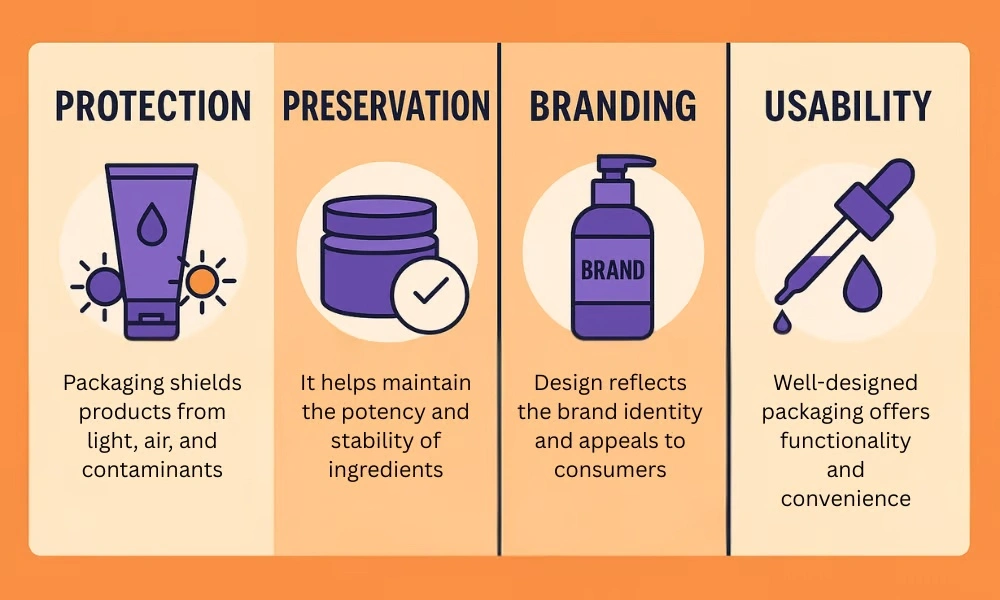
Source: https://www.fulfyld.com/blog/how-to-package-skincare-products-for-shipping/
3. Material Options, Trade-Offs, and When to Use Them
For most beauty and personal care products, the main tube material families are plastic (PE/PP/PCR), laminated barrier tubes, and aluminum, with emerging sustainable alternatives rounding out the picture.
Plastic Cosmetic Tubes (PE, PP, PCR)
Extruded plastic tubes made from polyethylene (LDPE, MDPE, HDPE) or polypropylene (PP) are the most common in cosmetics because they are lightweight, flexible, and cost-effective. By adjusting the type and blend of PE, manufacturers can tune stiffness, feel in hand, and recovery behavior after squeezing.
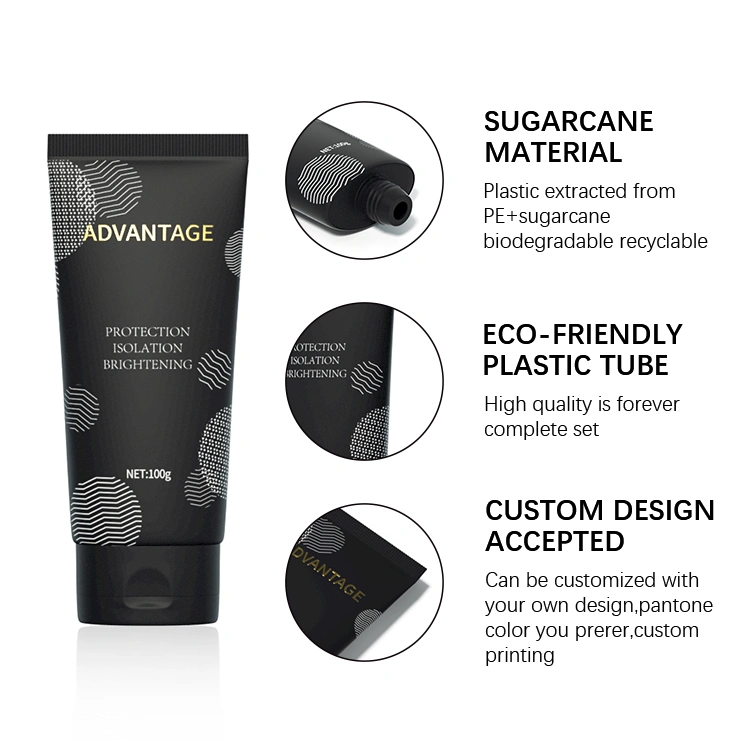
PCR (post-consumer recycled) plastics are increasingly used to reduce virgin resin consumption and improve perceived sustainability. However, high PCR content can introduce slight color variation, small speckles, or differences in surface gloss, which brands must anticipate and accept as part of their sustainability story. Bio-based PE from renewable sources (such as sugarcane) offers similar performance to fossil PE while lowering fossil carbon footprint, making it another option for brands pursuing lower-impact packaging without changing the overall tube design.
Multi-Layer and Laminate Tube Structures
Co-extruded and laminate tubes combine multiple layers of plastics (and sometimes aluminum) to achieve better barrier properties. Plastic barrier laminate (PBL) tubes often incorporate an EVOH layer to reduce oxygen permeation while retaining a mostly plastic structure that can be closer to recyclable in some systems. Aluminum barrier laminate (ABL) adds a very thin aluminum foil layer, delivering near-metal barrier performance with an exterior that looks and feels like plastic.
These structures shine in use cases such as sunscreens, medicated creams, and high-value treatments where maintaining formula stability is critical. The downside is increased material complexity, higher cost, and greater difficulty in recycling multi-material structures, especially where collection and sorting infrastructure are limited.
Aluminum Cosmetic Tubes
Aluminum tubes offer excellent protection from oxygen and light and are widely used for pharmaceutical creams, ointments, and highly sensitive skincare products. Their permanent deformation signals “clinical” or “professional” positioning, but also means the tube does not spring back, which some consumers find less aesthetically pleasing for everyday beauty items.
Aluminum is widely recyclable and, in some markets, carries strong sustainability associations, especially when combined with recycled content. However, aluminum tubes can be more expensive, require different filling and crimping equipment, and may have stricter requirements for crimp integrity and handling to avoid pinholes or dents.
PCR and Next-Generation Sustainable Solutions
Regulators and retailers are increasingly pushing for higher recycled content and better recyclability in cosmetic packaging. In response, suppliers now offer mono-material plastic tubes where the body, head, and sometimes closure are made entirely from a single polymer, often PE or PP, to simplify recycling. These mono-material designs can integrate significant percentages of PCR without completely sacrificing aesthetics or performance, though ultra-high PCR levels may still show more visual variation.
Paper-based or hybrid tubes (paper outer with a plastic liner and cap) are also emerging for certain semi-solid products, signaling a strong eco-narrative but typically unsuitable for low-viscosity liquids without robust internal barriers. Brands should be clear that sustainability often brings trade-offs in look, feel, and cost, and communicate these choices transparently to consumers.
4. Single-Layer vs Multi-Layer: Choosing the Right Structure
Choosing between single-layer and multi-layer tubes is a strategic decision that shapes how well the packaging protects the formula, how much it costs, how recyclable it is, and how complex it is to produce at scale. Single-layer PE or PP tubes are made from one polymer, which makes them simpler to extrude, often more cost-effective, and generally easier to sort and recycle in systems designed for single-material plastics. These tubes are a strong fit for relatively stable formulas—such as basic cleansers, shampoos, and body lotions—with moderate shelf-life requirements and distribution in controlled climates or shorter supply chains where environmental stress is limited.
Multi-layer or laminate tubes add dedicated barrier layers—commonly EVOH or thin aluminum—within the wall structure to significantly reduce oxygen ingress, aroma loss, and moisture exchange, which helps protect more sensitive or higher-value formulations. These structures are especially recommended for products containing oxidation-prone actives (like vitamin C or retinoids) or high-SPF sunscreens that must remain stable through long, global distribution and storage in varying temperatures and humidity. However, because they combine different materials in one wall, they demand more precise specification and validation, are typically more expensive, and can be harder to recycle in conventional streams, complicating sustainability claims if local infrastructure is not equipped to handle multi-material packaging.
In practical terms, a simple decision flow is often effective. For robust, low-risk formulas such as everyday cleansers, shampoos, or basic body lotions sold mainly in one region, a single-layer PE tube usually provides adequate protection at the best cost and with the clearest recycling story. For products where efficacy depends on maintaining sensitive actives over a long claimed shelf life—like antioxidant serums, retinol treatments, or high-SPF sunscreens expected to ship globally and endure diverse climates—a laminate or aluminum tube with a validated barrier specification offers a safer and more reliable choice, even at higher cost and complexity.
5. Size and Capacity: More Than a Marketing Choice
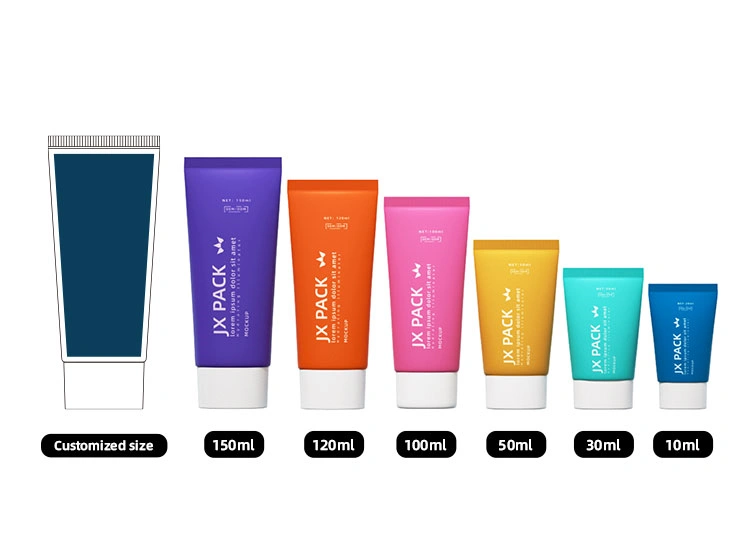
Tube size is far more than a cosmetic or “marketing-only” decision; it directly shapes how consumers experience the product, how much they pay per use, and how efficiently the pack can be produced and distributed. Smaller tubes in the 5–30 ml range are typically used for samples, travel items, or highly targeted treatments, where controlled trial, portability, or precise dosing are more important than cost per milliliter. Mid-size formats around 30–75 ml tend to dominate facial skincare, while larger 100–250 ml tubes are common for body care and hair care, where consumers expect generous volumes and frequent, full-body application.
On the manufacturing side, size and capacity are tightly linked to tooling and line setup. Working with standard tube diameters and lengths allows brands to rely on existing molds and established supplier tooling, which reduces upfront investment, supports lower minimum order quantities, and often shortens lead times. Custom sizes, by contrast, require new molds, higher volume commitments to justify tooling costs, and close coordination with filling and cartoning equipment to avoid issues like misalignment, instability on conveyors, or inefficient case packing.
Capacity must also align with how the product is realistically used and replaced. A high-SPF daily sunscreen in an overly small tube can frustrate loyal users who feel they are constantly repurchasing and may begin under-applying, while a very large tube for a targeted eye treatment or spot corrector can feel wasteful and cast doubt on the product’s potency if it lingers half-used past the recommended period-after-opening. Calibrating tube size to expected frequency of use and shelf-life helps balance value perception, compliance with usage recommendations, and product wastage, ultimately supporting both consumer satisfaction and brand profitability.
6. Shape and Structural Design
Tube shape influences both how a product looks and how reliably it runs through manufacturing and logistics. Round tubes remain the default in cosmetics because their geometry provides excellent structural stability under squeezing and stacking, and they are straightforward to handle on most standard filling and sealing equipment. Their symmetry also makes them easier to orient, label, and pack efficiently into cartons and shipping cases, which helps keep transport damage and logistics costs under control.
Oval and flat tubes offer more visual differentiation and a larger front-facing branding area, which can be valuable in crowded categories, but they are technically more demanding. These shapes often require dedicated orientation systems, can increase material usage, and may slow down filling or labeling lines that are optimized for round formats. As a result, brands should validate any non-round design on the intended production lines to confirm that throughput, alignment accuracy, and reject rates stay within acceptable limits before scaling up.
Beyond overall shape, finer structural features such as shoulder angle, neck diameter, and wall thickness have a direct impact on performance in use. A steeper shoulder can help reduce product “hang-up” at the top of the tube, improving evacuation and perceived value, while neck size must be matched to product viscosity to balance flow rate and dosing control. Wall thickness and stiffness should be tuned so that the tube is comfortable to squeeze yet resilient enough to spring back and maintain a tidy, shelf-ready appearance throughout its life, including after transport and repeated use.
7. Closure Systems and Functional Performance
Closures are a critical part of user experience and leak prevention, and they must be considered early in development, not as an afterthought.
Standard Closure Types
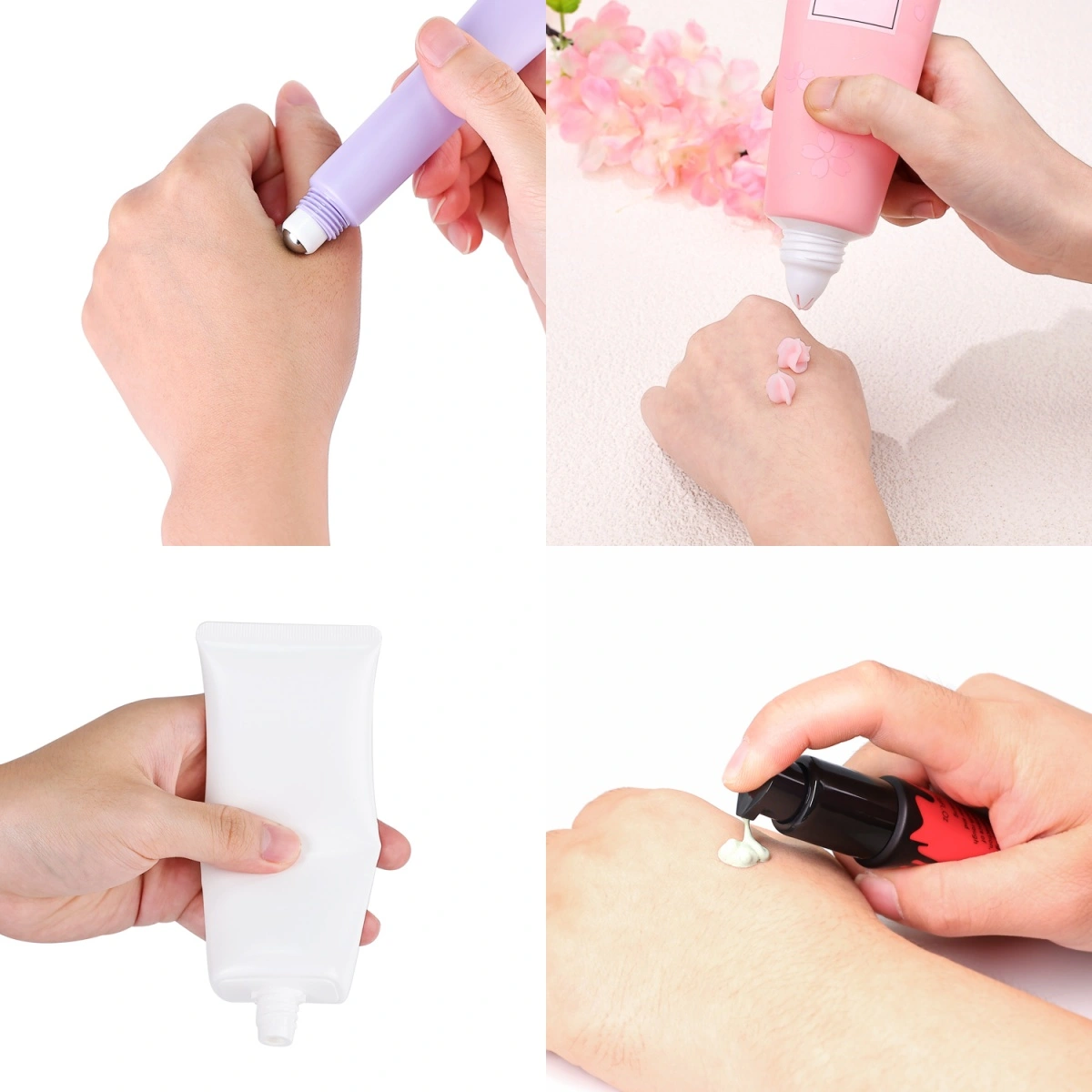
Screw caps are the simplest and most widely used closures for squeeze tubes. They provide a strong seal, travel well, and are relatively inexpensive, making them suitable for creams, gels, toothpastes, and many OTC-type products. Flip-top caps, which are essentially hinged screw caps, allow one-handed operation and fast dispensing, and are favored for everyday products like hand creams, shampoos, and sunscreens.
Specialty applicators—needle-nose tips, metal roller balls, silicone massage heads, brushes, and sponge tips—support targeted application and sensorial experiences. These are common in eye-area treatments, blemish care, and high-end skincare, but they increase component cost, assembly complexity, and often impose stricter tolerances on filling and capping operations.
Matching Closures to Formula and Process
The closure must match the product’s viscosity and intended usage. Thin liquids and serums benefit from smaller orifices, disc caps, or flow-control features to prevent gushes and drips, while thick pastes need larger openings to avoid the need for excessive squeeze force. For highly active or volatile formulas, closures should also be evaluated for seal integrity, including the potential use of induction seals, foil seals, or tamper-evident bands.
Just as important is compatibility with filling lines. Neck finish and cap design have to match capping heads, torque settings, and vision systems, and changes to closures late in the project can cause significant delays. Leak and transport testing—drop tests, compression tests, and temperature cycling—should be run with filled, capped tubes to validate real-world performance.
8. Decoration and Printing: Balancing Impact and Manufacturability
Decoration is often where brand and design teams focus first, but printing technology, substrate, and artwork complexity have major implications for cost, lead time, and defect rates.
Offset or flexographic printing is efficient for high-volume tubes with multi-color designs and remains a workhorse for many personal care ranges. Silk screen printing is used for bold, opaque graphics and elevated finishes, while hot stamping adds metallic accents and can significantly boost perceived premium quality. Labels or shrink sleeves are helpful for small runs, pilot programs, or frequent design changes, but may look less “integrated” than direct print.
Color consistency is more challenging on tubes than on flat paper because substrate color, gloss, and curvature all influence perceived color. PCR content, laminates, and aluminum layers may shift the background tone, so drawdowns and pre-production samples are essential to validate brand colors and metallic effects. The more complex and multi-step the decoration (multiple passes, special coatings, textured finishes), the higher the risk of defects, longer the lead time, and greater the marginal cost increase.
9. Cost, MOQ, and Lead Time: Making the Economics Work
Tube economics are shaped by material choice, structure complexity, decoration, closure, and order quantity. Virgin PE tubes with simple printing and standard caps sit at the lower end of the cost spectrum, while aluminum, heavy barrier laminates, complex special effects, and custom applicators push costs up. High levels of PCR or advanced mono-material designs may also carry a premium due to resin cost and quality requirements.
Minimum order quantities (MOQs) vary widely but are often in the low thousands for relatively standard tubes and can escalate significantly for custom shapes, caps, and high-complexity artwork. Small brands can manage risk by using standard molds, simple flip-top or screw caps, and moderate decoration, then investing in custom tooling only once demand is proven.
Lead times depend on the region, component complexity, and current factory load. Multilayer laminates, specialty closures, and multi-step printing usually take longer than plain extruded tubes with simple logos. Successful projects align formula development, compatibility testing, regulatory artwork approvals, and packaging production on an integrated timeline, with contingency built in for design tweaks and component delays.
10. Market Expectations and Regulatory Awareness
Different regions expect cosmetic tubes to communicate slightly different priorities in how they look and perform. In North America and Europe, there is strong and growing emphasis on functionality and sustainability, with retailers and regulators pushing brands toward recyclable mono-material tubes and higher levels of PCR content as part of broader circular-economy and packaging-waste policies. Consumers in these markets increasingly scrutinize not only the formula but also the pack’s recyclability, material claims, and visible cues of “eco-design,” which is driving demand for mono-PE or mono-PP tubes, lightweighting, and transparent communication around recycled content and end-of-life. In many Asian and Latin American markets, decorative appeal—high gloss, metallic accents, and bold colors—still plays a major role in shelf impact, although these regions are also moving toward more sustainable and premium formats as incomes rise and environmental awareness grows.
Regulatory frameworks add another layer of requirements that directly shapes tube design and layout. Across major markets such as the US and EU, packaging must allocate sufficient space for the product identity, net content, ingredient list using INCI names, manufacturer or distributor details, usage directions, and any mandatory warnings. Symbols like the period-after-opening (PAO) icon, batch or lot codes for traceability, and recycling or material identification logos must also be included where required, which can constrain how much of the tube surface is available for branding and decoration.
On the material side, brands must ensure that tube components comply with cosmetic packaging safety expectations, which often reference food-contact or chemical migration standards, particularly for products used on sensitive areas (eyes, lips) or those marketed with quasi-medical positioning. Documentation such as material datasheets, statements of compliance, and migration or stability test reports can be critical for regulatory submissions, retailer onboarding, and quality audits, so these considerations should be built into the packaging development process from the outset rather than handled as late-stage paperwork.
11. Building a Long-Term Tube Packaging Strategy
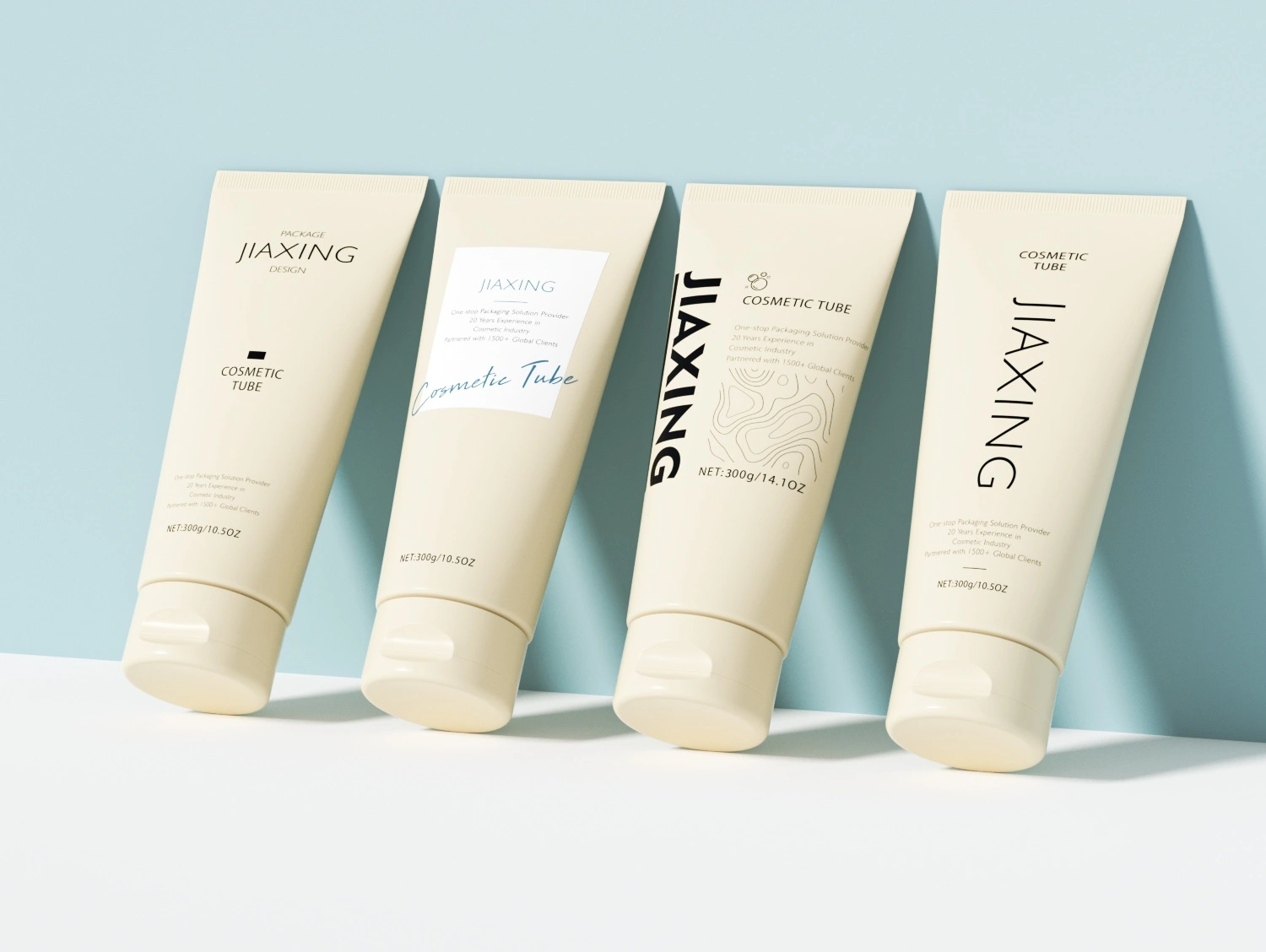
The most resilient brands treat tube packaging as a platform rather than a one-off decision. They define a small set of standard diameters, materials, and closure families that can support multiple current and future SKUs, allowing them to scale volume and negotiate better pricing over time. Within this framework, decoration and minor structural variations can differentiate lines (e.g., sensitive vs. sport vs. kids’ sunscreen) without constantly reinventing the underlying tube.
A good tube supplier is more than a component vendor. Strong partners help assess formula sensitivity, recommend material and barrier options, support testing, and provide feedback on manufacturability and cost implications of design ideas. Early collaboration—before artwork and format decisions are locked—avoids rework and ensures that the final tube is aligned with the realities of filling, logistics, and scale.
Ultimately, the “right” cosmetic tube is one that protects the formula, delights the consumer, runs smoothly on the line, supports your sustainability story, and stays within target cost. That outcome rarely comes from chasing trends or copying competitors, but rather from a clear, systematic approach: understand the formula, map the risks, select materials and structures accordingly, and work closely with experienced manufacturing partners from concept to launch.
FAQs
How do I know if my formula needs a single-layer or multi-layer tube?
If your formula is relatively stable (for example, basic cleansers, shampoos, or simple body lotions) and will be sold in controlled climates or short supply chains, a single-layer PE or PP tube is usually sufficient because it offers adequate protection at lower cost and with simpler recyclability. If your formula contains sensitive actives (such as vitamin C, retinol, or high-SPF UV filters) and must remain stable through long, global distribution, a multi-layer or laminate tube with a dedicated barrier layer (like EVOH or aluminum) is typically safer.
Which tube material is best for “clean” or natural skincare products?
For many clean or natural formulas, extruded PE tubes (often with some PCR content) or mono-material PE/PP designs provide a good balance of performance, recyclability, and cost. If the actives are highly sensitive, a plastic barrier laminate or aluminum tube may still be necessary, but brands can pair that with clear communication about durability, reduced waste, or high product protection as part of the sustainability story.
How much PCR content can I use before it affects appearance or performance?
Higher levels of PCR generally increase the risk of color variation, visible speckles, and minor differences in surface gloss or feel, which some brands accept as a visible sign of sustainability. Many suppliers offer “next-generation” PCR tubes designed to maintain mechanical strength and reasonable aesthetics at moderate PCR levels, so the practical limit often depends on your brand’s tolerance for visual variation and your performance requirements.
What tube sizes are most common for facial skincare versus body care?
Facial skincare often uses mid-size tubes in the 30–75 ml range, which provide enough product for consistent use without feeling bulky or hard to carry. Body care and hair care products more commonly use larger tubes (100–250 ml) to match higher usage volumes, while very small tubes (5–30 ml) are typically reserved for samples, travel, or targeted treatments.
When should I consider a custom tube shape instead of a standard round tube?
Custom shapes like oval or flat tubes are worth considering when shelf differentiation and brand storytelling justify higher tooling costs and potential line complexity. For first launches or smaller brands, round tubes are usually wiser because they are easier to run on standard filling lines, cheaper to tool, and more efficient to pack and ship.
How do I choose between screw caps, flip-top caps, and specialty applicators?
Screw caps are robust and economical, making them ideal for many creams, gels, and OTC-type products where leak resistance and travel-friendliness are key. Flip-top caps improve one-handed convenience and are popular for everyday products like hand creams and sunscreens, while specialty applicators (needle tips, metal rollers, massage heads) are best reserved for targeted or sensorial products where the added cost and complexity clearly enhance perceived value.