Custom Cosmetic Packaging Solutions for Established Beauty Brands
Established beauty brands face a different packaging challenge — not finding a supplier, but finding one that holds quality, range coherence, and documentation standards at scale.
Othilapak delivers factory-direct custom cosmetic packaging with QC batch reports, PCR material transparency, and structured line extension support. Built for brands managing volume, sustainability transitions, and multi-market compliance simultaneously.
You've already done what most brands can't —
Three problems surface consistently at established brand level:
Sampling conditions are controlled. Bulk production conditions are not. When your order crosses multiple machine settings or lands during a busy factory window, wall thickness drifts, finish quality shifts, and closure torque stops behaving the way it did in approval. You find out when your QC team opens the shipment — not before.
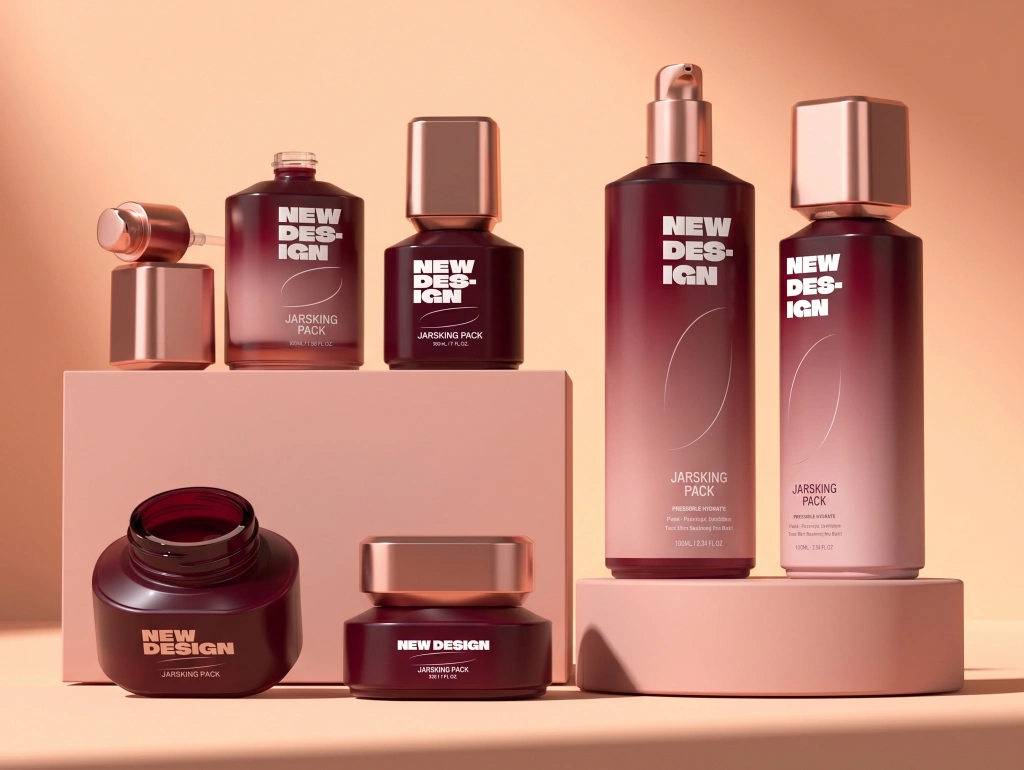
It usually starts with one reasonable shortcut. A second supplier brought in to hit a launch date. A third format sourced at a retailer’s request. Six months later, three SKUs on shelf that share a logo and nothing else — different shoulder, different finish, different feel in hand. Nobody planned for it to look that way. It just happened, one fast decision at a time.
PCR behaves differently than virgin material. High-PCR glass has more color variance. Recycled PP doesn’t always take a soft-touch coating the same way. A refill mechanism that wasn’t engineered into the original structure won’t seat cleanly. None of these are deal-breakers — but they’re not discoveries you want to make after 60,000 units have shipped.
You’ve already paid for these mistakes once. We’re here to make sure you don’t pay for them again.
What a Real Packaging Partner Actually Does Differently
“There’s a version of this conversation where a supplier lists their capabilities and you decide if it sounds right. At established brand scale, four things determine whether a supplier relationship works or quietly costs you money, time, and brand equity. Here’s what each one looks like in practice.”
| Format | Best used for | Key specs to lock early |
|---|---|---|
| Glass lotion & serum bottles | Luxury skincare hero SKUs, hero range anchors | Wall weight, shoulder angle, neck profile for range coherence |
| Airless pump bottles | High-value actives, vitamin C, retinol, anti-aging lines | Evacuation rate (target ≥95%), actuation volume (1.5–2.5ml per stroke) |
| Cream jars | Face, body, and treatment lines | Refillable compatibility, liner material, closure torque consistency |
| Dropper bottles | Facial oils, concentrates, serums | Glass vs. acrylic clarity, pipette precision, tamper-evident collar |
| Tubes | Cleansers, sunscreen, hand care, travel formats | Mono-material structure for recyclability, print registration tolerance |
| Color cosmetics packaging | Foundation, lip products, compacts | Magnet pull strength, hinge tolerance, surface coating durability across use cycles |
What We Help Established Brands Control
Most packaging problems at scale aren’t design problems. They’re repeatability problems — the gap between what you approved in sampling and what arrives on your 8th bulk order.
Consistency is measurable. The variables that determine whether a reorder performs like the first order are specific and controllable. We document and monitor each of them across every production run:
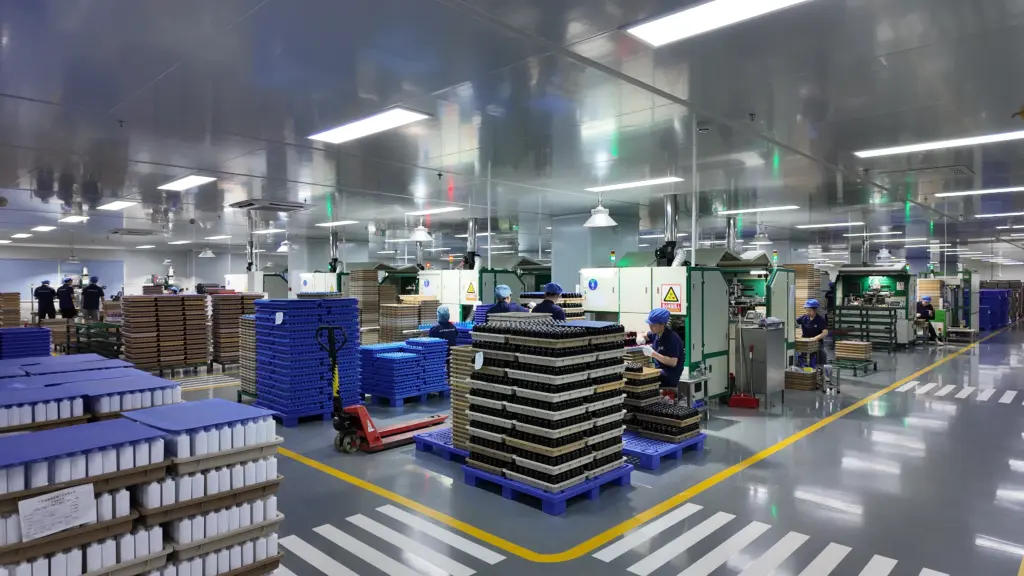
Before we run the first batch, we lock down resin grade, glass cullet composition, and supplier chain records. Those don’t change between orders unless you’ve approved a change. Too many brands have received a reorder that looked right on paper but felt different in hand — that’s almost always a quiet material substitution nobody flagged.
We test torque range, thread engagement, and liner compression against your actual formula — not a generic spec. A closure that seals a water-thin serum will leak on a dense facial oil. We need to know what’s going inside before we sign off on what goes on top.
The master sample sign-off is where placement tolerances get agreed and documented. After that, every run is held to that reference — not to someone’s recollection of how it looked last time. Print and stamp registration drifts when there’s no physical standard to check against.
We measure compression strength, crease registration, and print color delta against your approved spec. A carton with dented corners, a color shift between runs, or an insert that doesn’t quite fit is brand damage that happens at the worst possible moment — when the customer is opening the box.
We measure against the tolerances from your approved sample, not an estimate. It sounds basic. It isn’t always done. Wall thickness affects how the bottle survives shipping, how it performs on a fill line, and how it reads as premium when a consumer picks it up. When it drifts, it compounds.
Actuation volume, evacuation rate, and actuator return force get recorded for every production batch. Pump inconsistency is behind more consumer complaints than brands usually realize — and it’s almost entirely preventable if you’re measuring it rather than assuming it’s fine.
Matte, gloss, soft-touch, electroplating — we check against a physical master sample, not a color chip or a PDF. Finish is something you feel before you consciously see it. A digital spec can pass on screen and still look wrong on shelf next to last season’s units.
Component seating, closure torque, and tamper-evident function are all checked before anything ships. Assembly is the last point where we can catch a problem before it becomes your filling partner’s problem, or worse, your customer’s.
ESG-Driven Packaging Innovation for Brand-Conscious Leaders
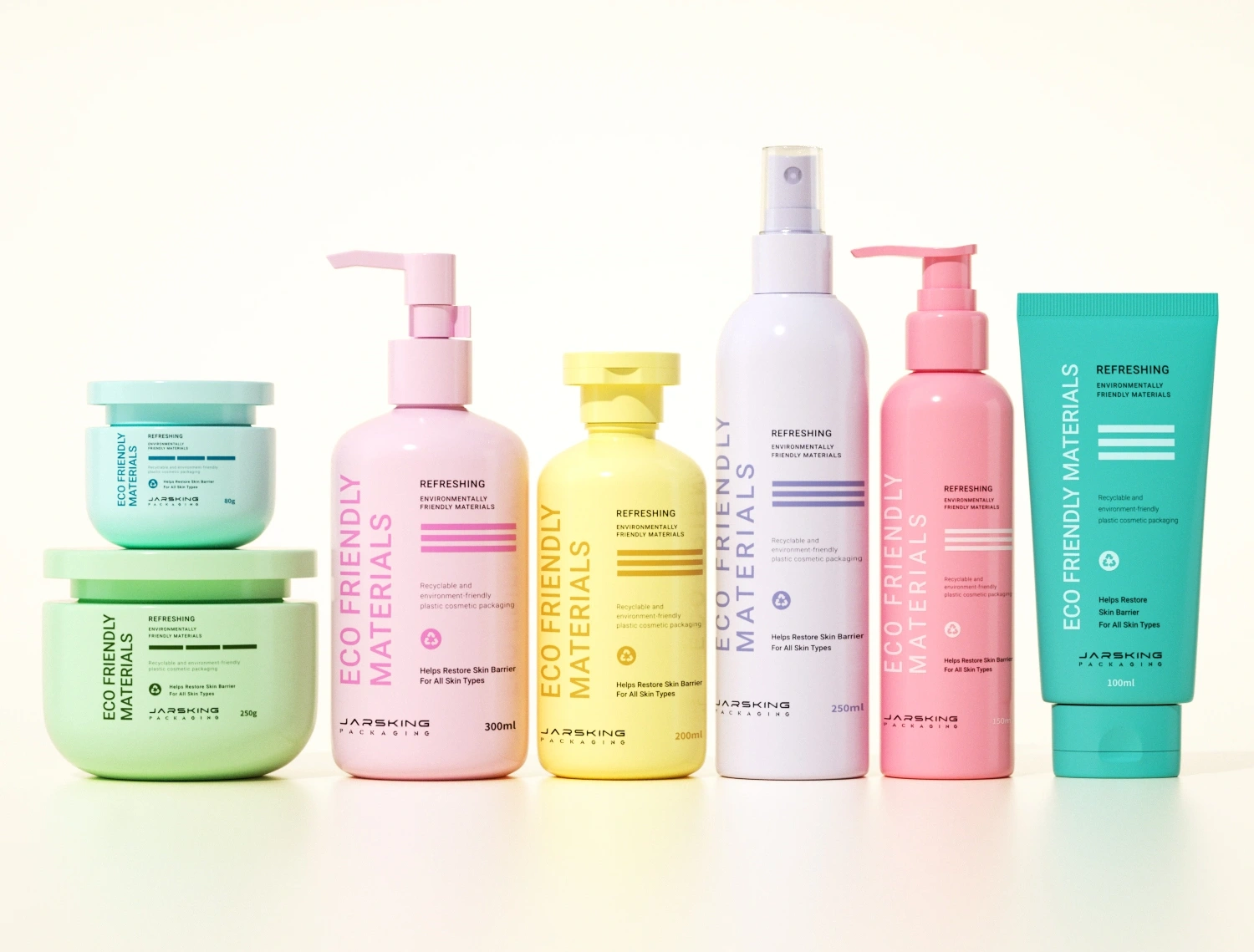
“If your sustainability claims are going to hold up in regulated markets, the structure has to be designed for end-of-life — not just material content. “
From Brief to Shipment — One Team, One Accountability
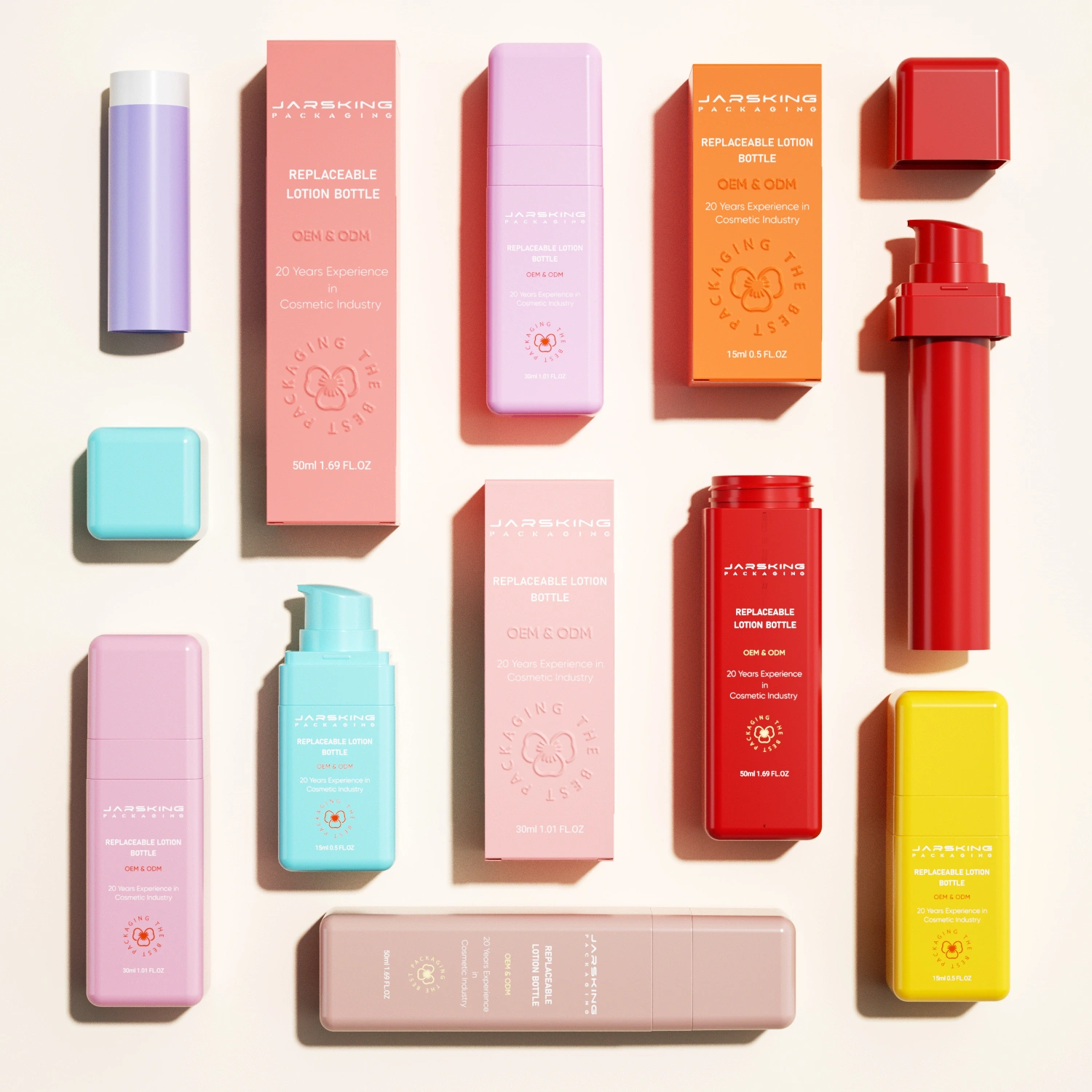
Manufacturing & Assembly / QC & Regulatory Support / Global Logistics & Warehousing
Measurable Environmental Benefits & Verified Certifications
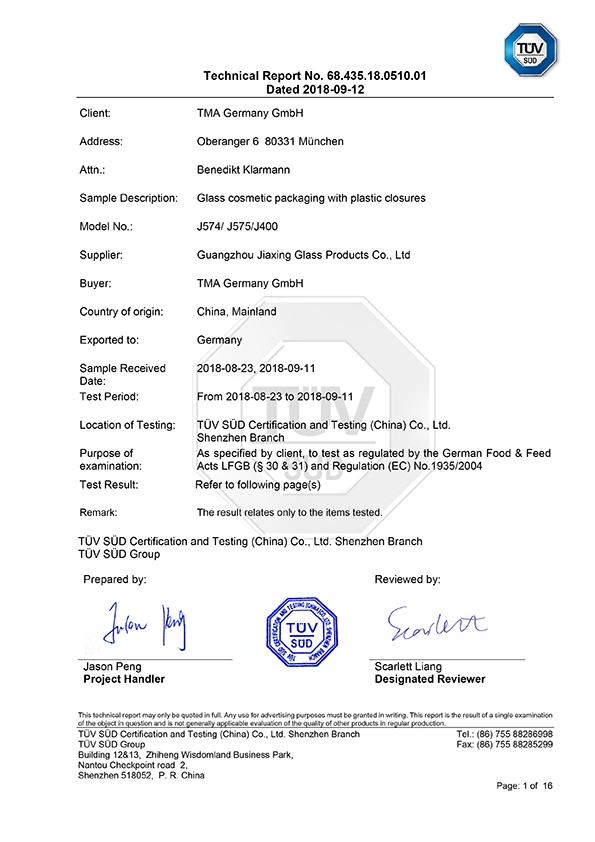
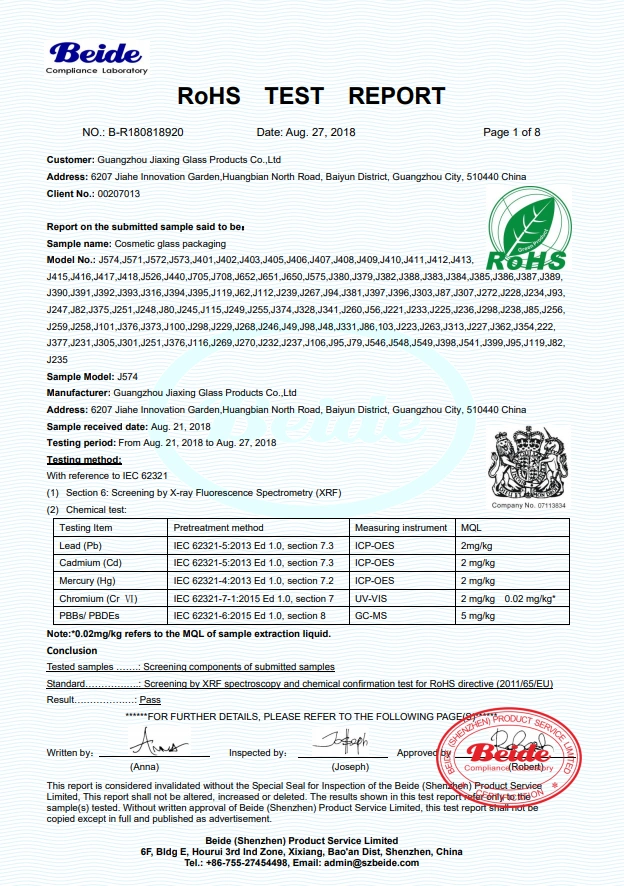
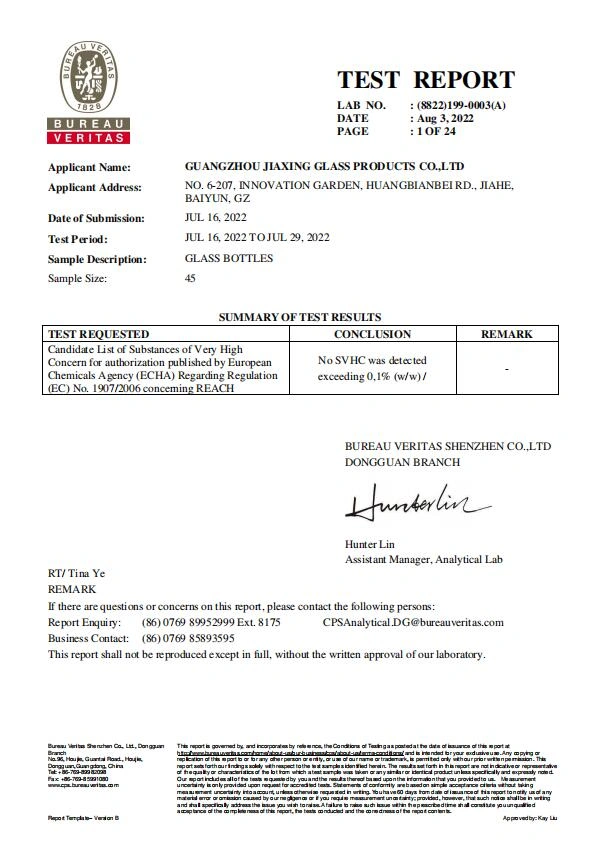
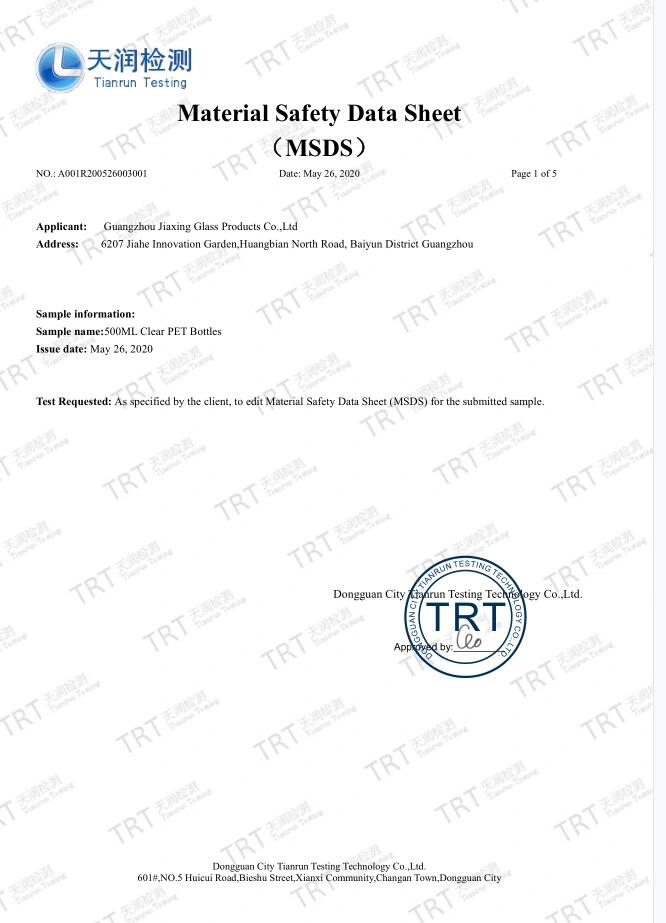
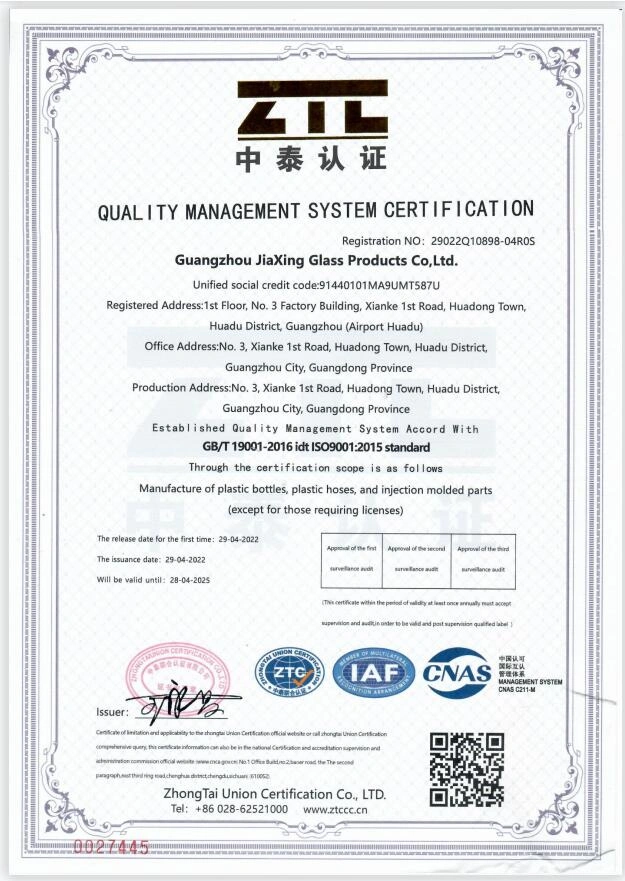
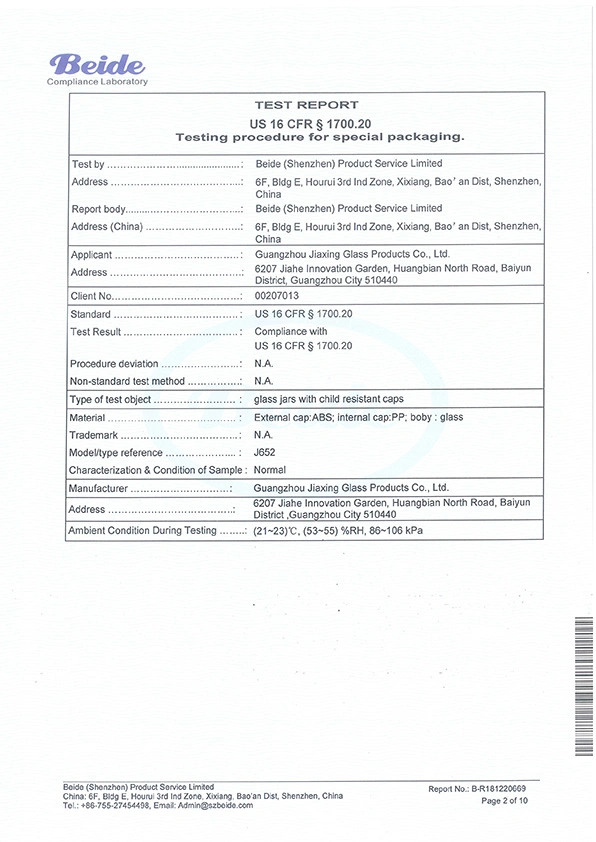
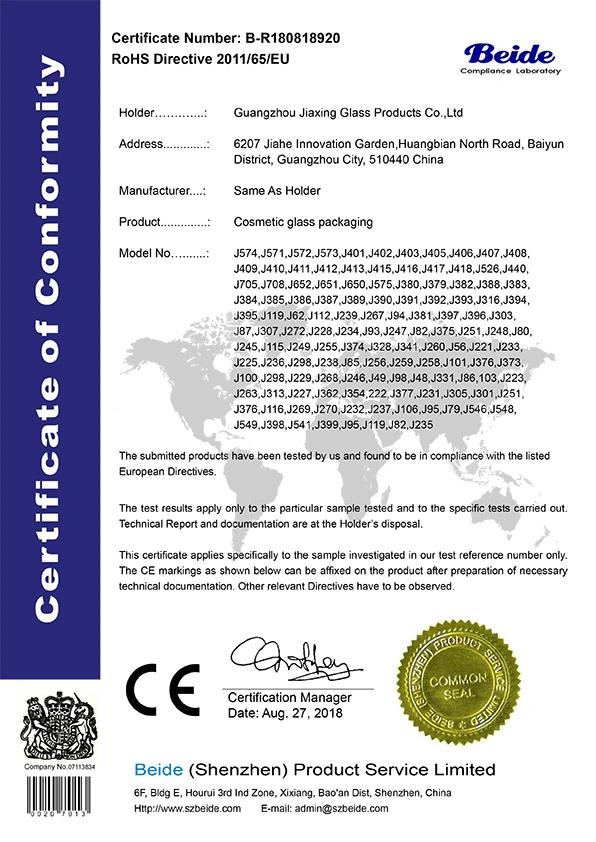
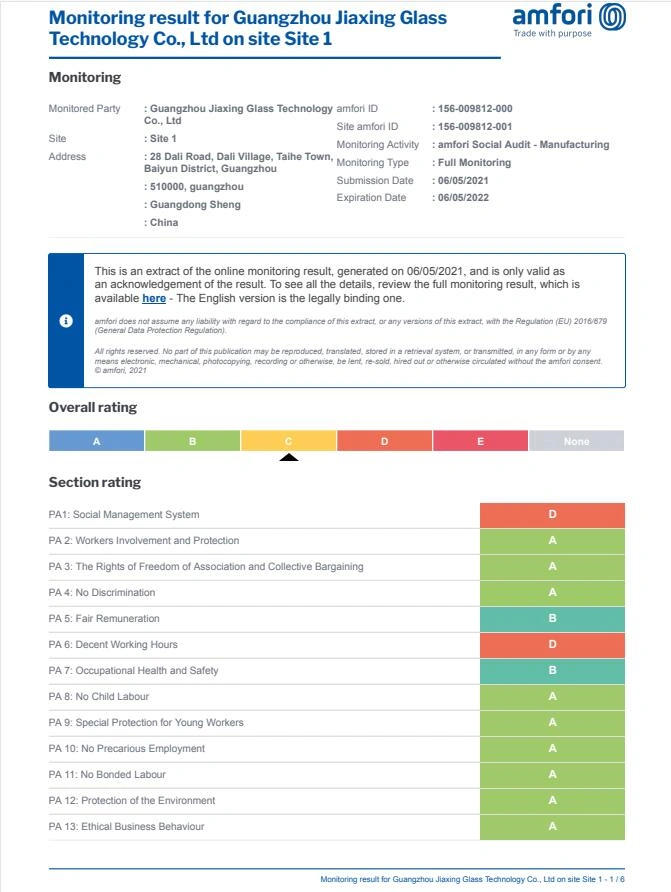
“At Othilipak, we believe in transparency and measurable impact. Our sustainable packaging solutions are backed by scientific analysis and third-party certifications to ensure genuine environmental benefits.”
Frequently Asked Questions from Enterprise Buyers
What MOQs does Othilapak support for established brands?
For stock mold programs with custom decoration (color, surface treatment, print), the 10,000-piece MOQ applies across formats including bottles, jars, and tubes. For custom mold programs — where a new tooling is cut specifically for your shape — MOQ requirements depend on the specific product: material type, structure complexity, and component count all affect the minimum. The right number comes out of the brief conversation, not a published price list.
If your program involves multiple SKUs at different volumes, send us the full SKU map and we’ll structure the program to make the economics work across the range — not SKU by SKU in isolation.
Can Othilapak handle multi-SKU, multi-market launches simultaneously?
Yes. Othilapak manages multi-SKU programs across simultaneous production schedules as a standard capability. For multi-market launches, we structure the documentation package by market from the start — not retrospectively. US (Prop 65, FDA labeling), EU (PPWR, REACH), UK (OPRL), and Middle East programs each require different compliance documentation, and we build those requirements into the program brief rather than treating them as add-ons.
What certifications and audit reports are available?
Current certifications include ISO 9000, BSCI, REACH, LFGB, CE, RoHS, and MSDS documentation. QC batch reports, dimensional tolerance records, closure torque data, and material test results are provided as standard with every bulk order. PCR content certifications and full supplier chain documentation are available for sustainability-claim programs. If your compliance team or retail partner (Sephora, Ulta, department store groups) has a specific audit requirement, send the checklist before production begins.
How does Othilapak protect proprietary designs and IP?
NDAs are available before any design or brief work begins — on request and at no cost. Custom mold tooling commissioned by your brand is registered under your ownership and not shared with or offered to other clients. For brands with established proprietary structures, we document the tooling ownership agreement in writing before sampling begins. If IP confidentiality is a primary concern, raise it in the first consultation and we’ll walk you through our factory-level access controls.
What sustainability options are available at enterprise scale?
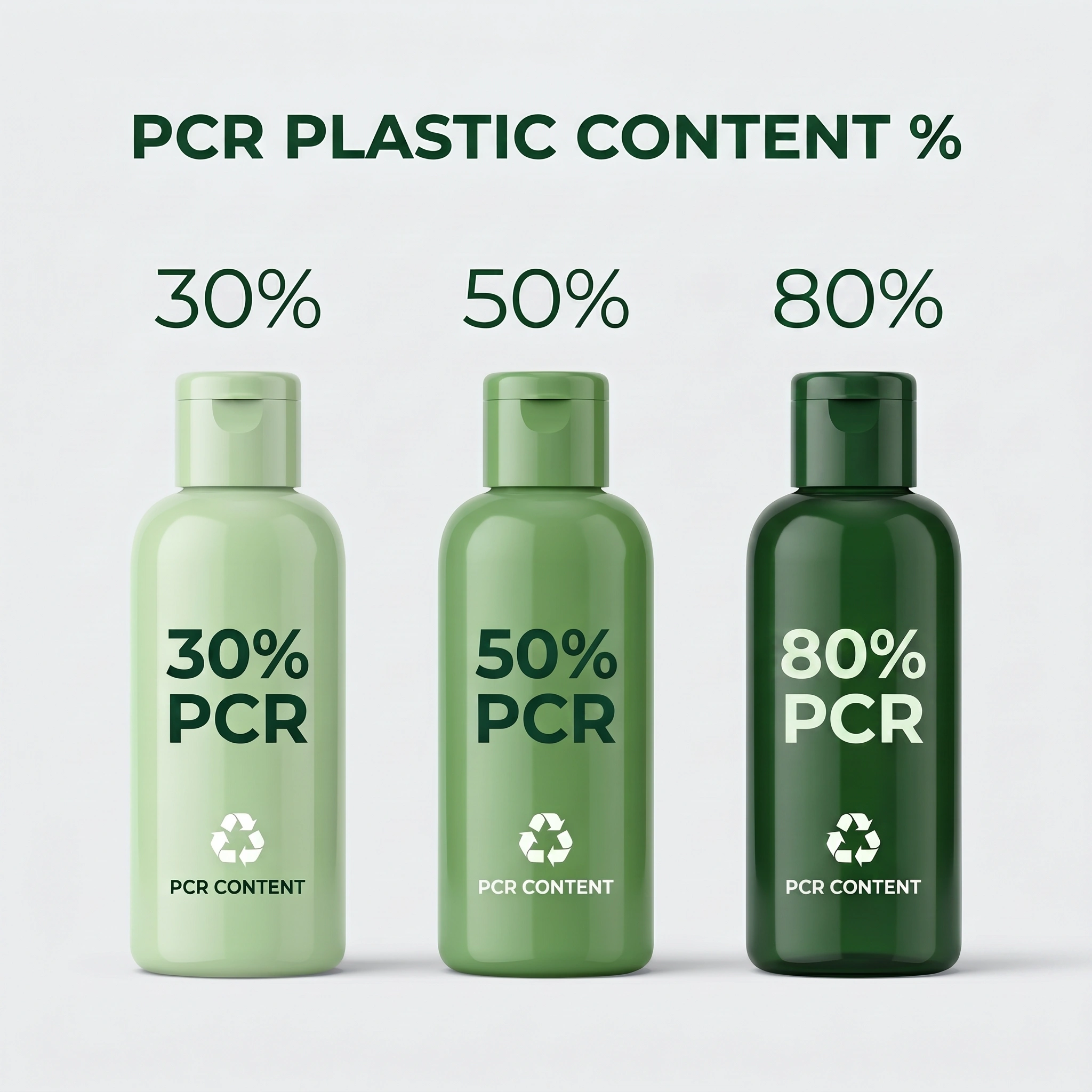
PCR glass, PCR PET, PCR PP, bio-based PLA, and mono-material structures are all available. Each comes with specific visual and structural tradeoffs we’ll tell you about directly: high-PCR glass has color variance, PCR PP can affect soft-touch coating adhesion, and refillable systems require co-design from brief stage. Sustainability transitions are treated as engineering programs, not spec updates. Documentation — PCR content certs, material test reports, supplier chain records — is provided to support your ESG disclosures.
Can you support brands distributed in Sephora, Ulta, and department stores?
Yes. We regularly supply packaging programs for brands distributed across Sephora, Ulta Beauty, Nordstrom, Harvey Nichols, and regional department store chains. Each retailer has its own packaging compliance, testing, and documentation requirements. If you have an existing retailer compliance checklist, send it before the brief — we’ll flag any documentation gaps before sampling rather than after production is complete.