
Quote
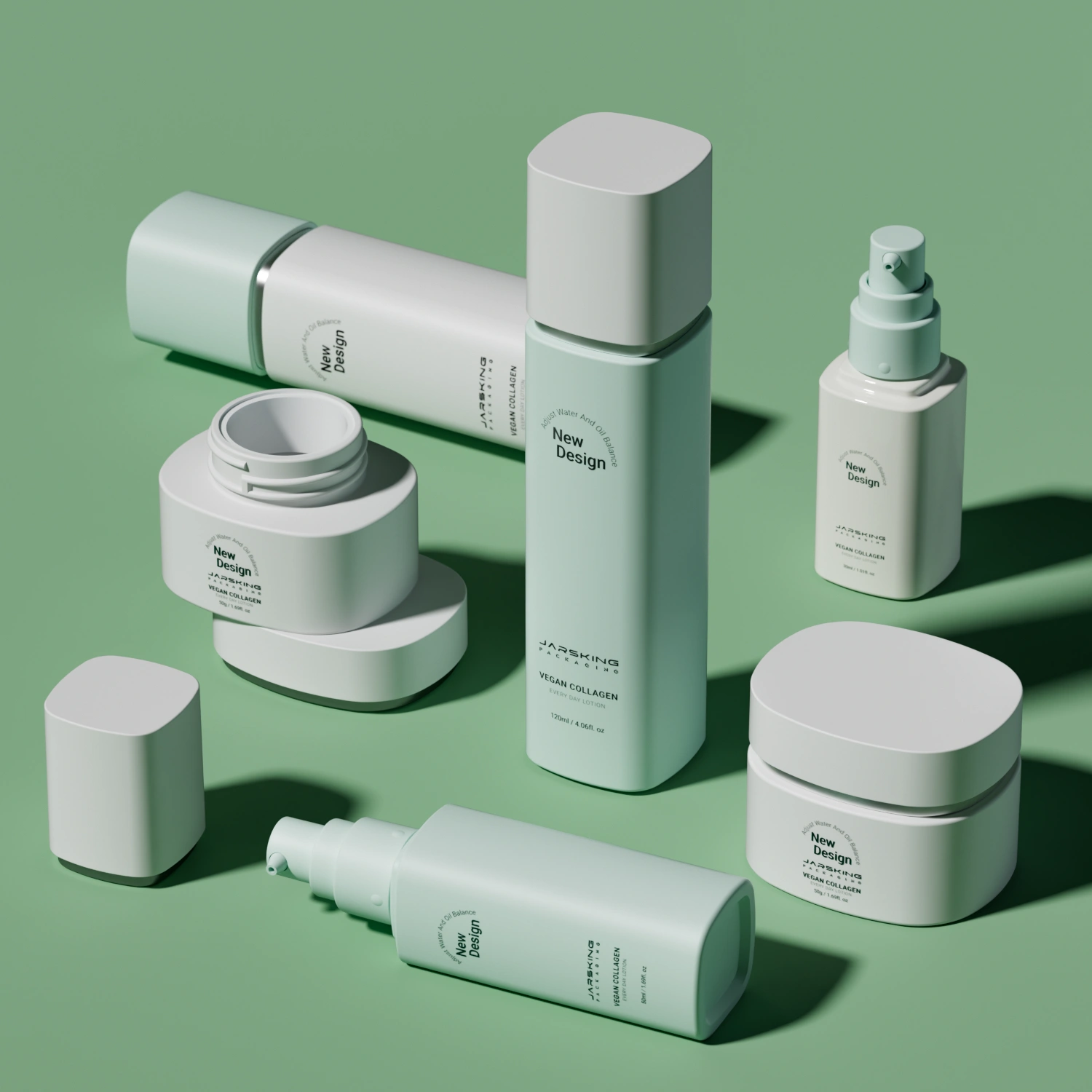
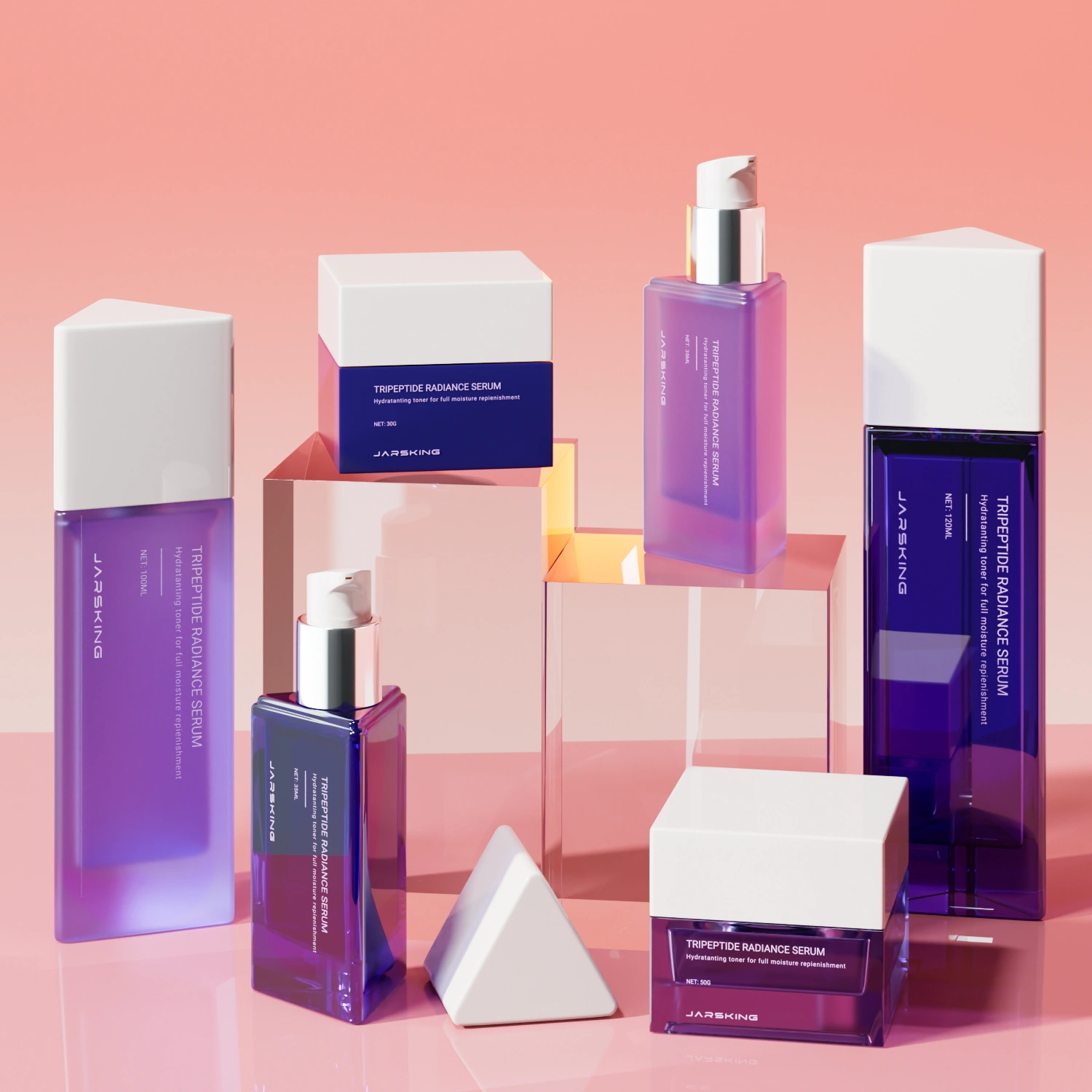
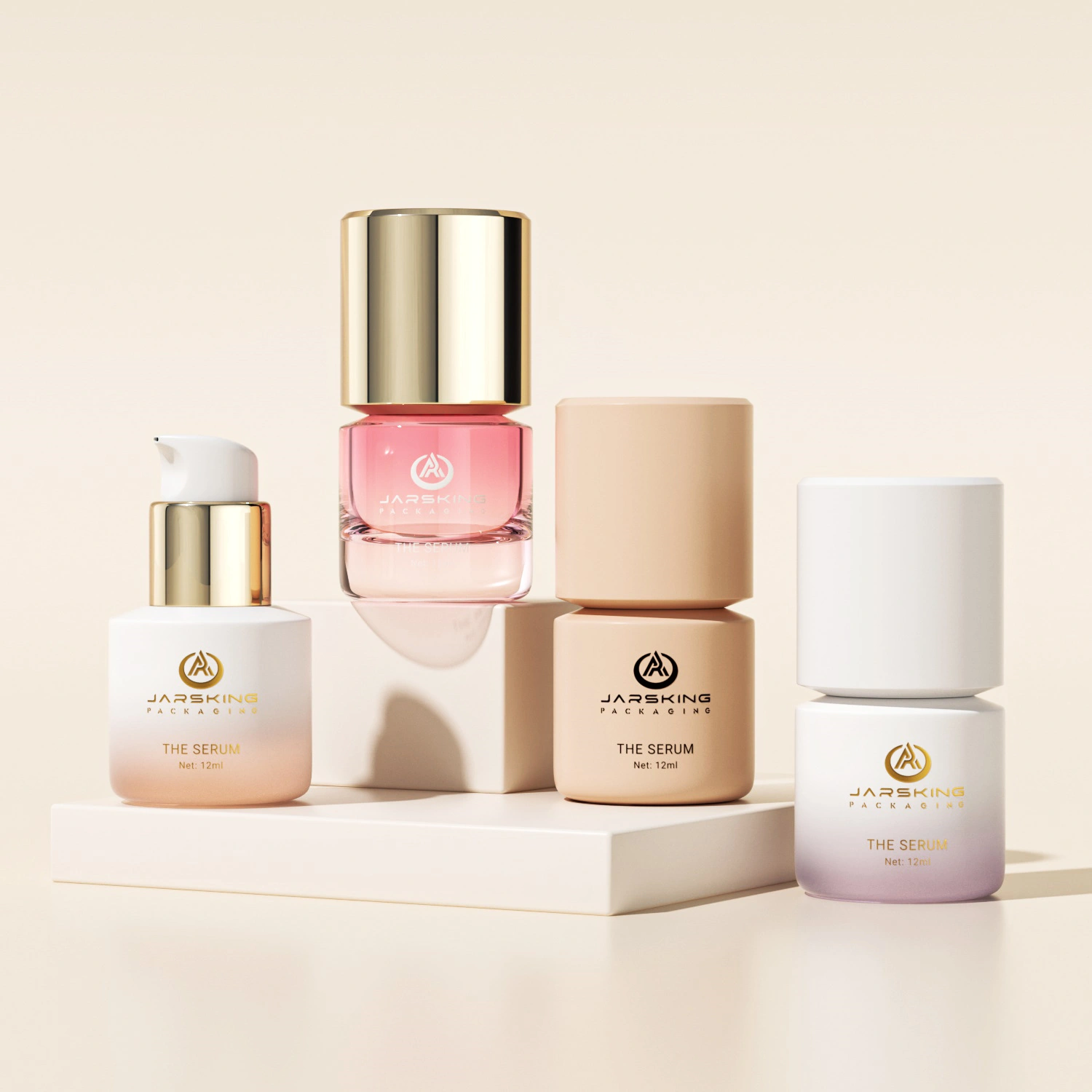
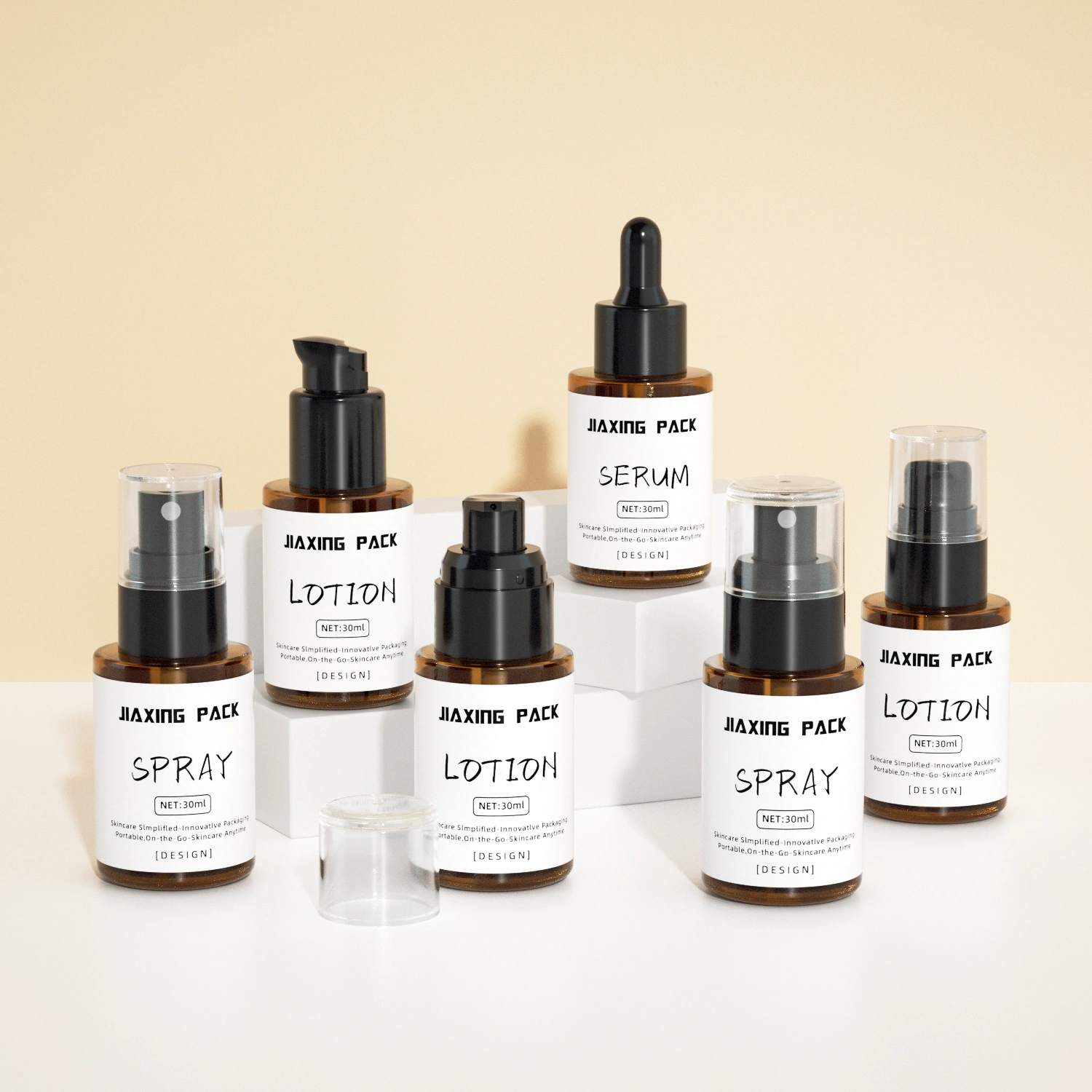
CUSTOM GLASS PUMP BOTTLES
Custom Glass Pump Bottles
for Skincare & Haircare Brands
• Precision Dosage Pumps
Actuation calibrated to formula viscosity, from micro-dose treatment pumps to higher-output lotion and airless pumps, with leak-proof locks.
• Custom Finishing
Matte frosting, gradient spraying, hot stamping, and silk-screen printing — every bottle carries a finish matched to your brand.
• Sustainable Glass
100% recyclable glass in standard or heavy-base weights, shielding formulas from light and air for lasting stability.
Material Type


What brand owners need to know before they brief a supplier
“Most glass pump bottle failures aren’t glass failures — they’re fit failures between a bottle that can’t flex and a pump gasket that’s slightly off. Three checkpoints explain why, and what to ask your supplier about each one.”
Codes like 18-415, 20-410, and 24-410 only confirm a pump threads onto a bottle — not that it seals correctly. Plastic absorbs small gasket variances through flex; glass has none. A slightly undersized gasket or an off thread pitch shows up immediately as a wobble, a weak click, or a seep along the threads during transit.
The dip tube must match the bottle’s internal height exactly, or it fails in one of two ways. Cut too long, it jams against the base and blocks the pump stroke. Cut too short, it can strand up to 10% of the formula below its reach — and for viscous creams or serums, that residual can climb past 15-20% of total fill.
Even within one factory group, glass bottles and pumps are usually produced on separate lines and matched only at final assembly. Neck finish codes confirm the parts should fit — nobody actually confirms they do. That’s why the highest-leverage QC request is a pre-assembled, leak-tested sample set, not separate components shipped in separate bags.
Glass Pump Dispensers by Function
“Whether you’re packaging serums, lotions, or facial mists, we offer function-specific glass pump bottles that combine precision dispensing, luxury aesthetics, and compatibility with your formula type. Choose the right packaging based on product viscosity, use-case, and brand image — all while keeping sustainability in focus.”
For Serum & Oil
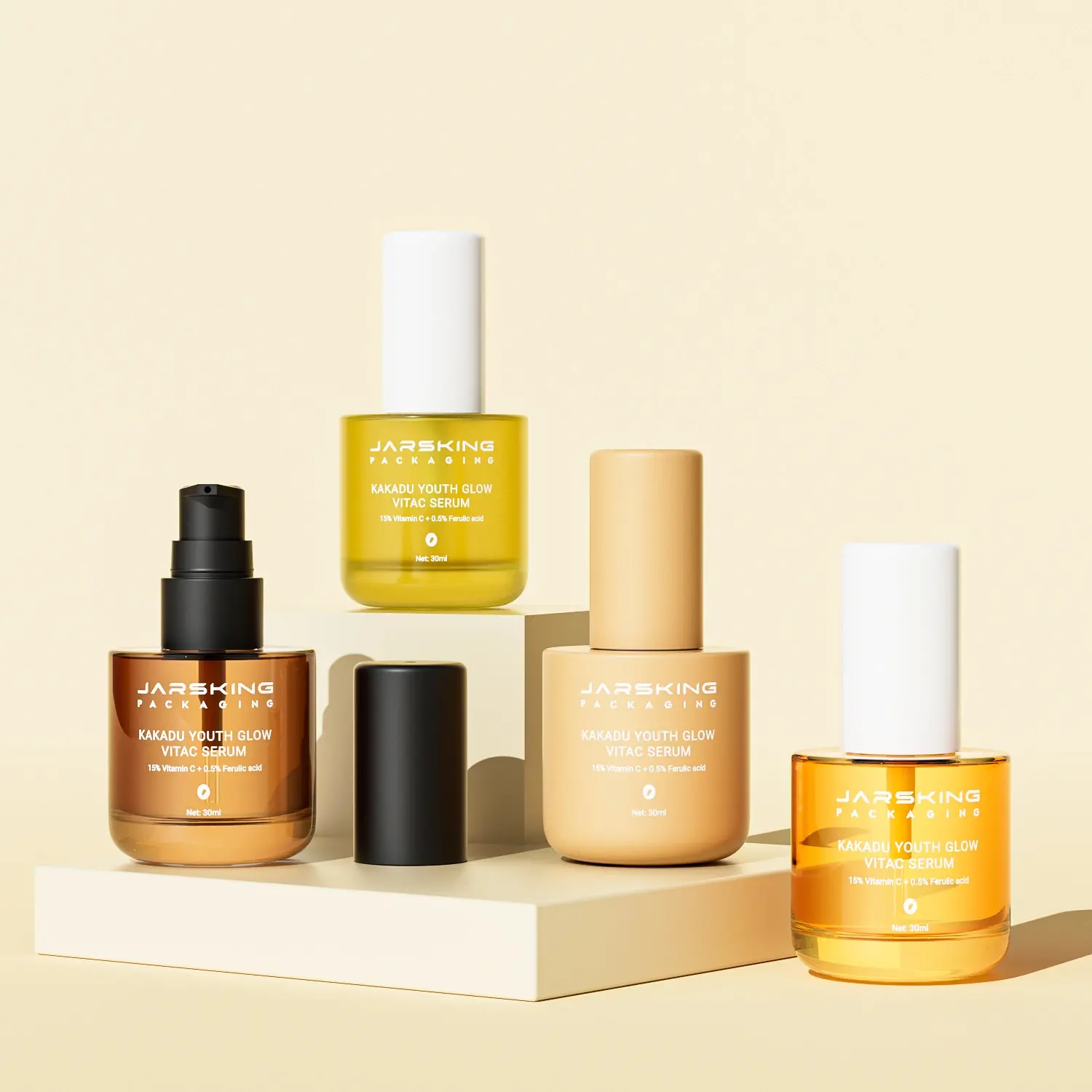
Best for: Anti-aging serums, vitamin C treatments, facial oils
Recommended Styles: Slim cylindrical, shoulder-style, heavy-base glass
Serum and oil formulations need precise dispensing and protection from oxidation. Available in 15ml, 30ml, and 50ml sizes with treatment pumps or airless systems for enhanced stability.
Recommended Styles: Slim cylindrical, shoulder-style, heavy-base glass
Serum and oil formulations need precise dispensing and protection from oxidation. Available in 15ml, 30ml, and 50ml sizes with treatment pumps or airless systems for enhanced stability.
For Lotion & Essence
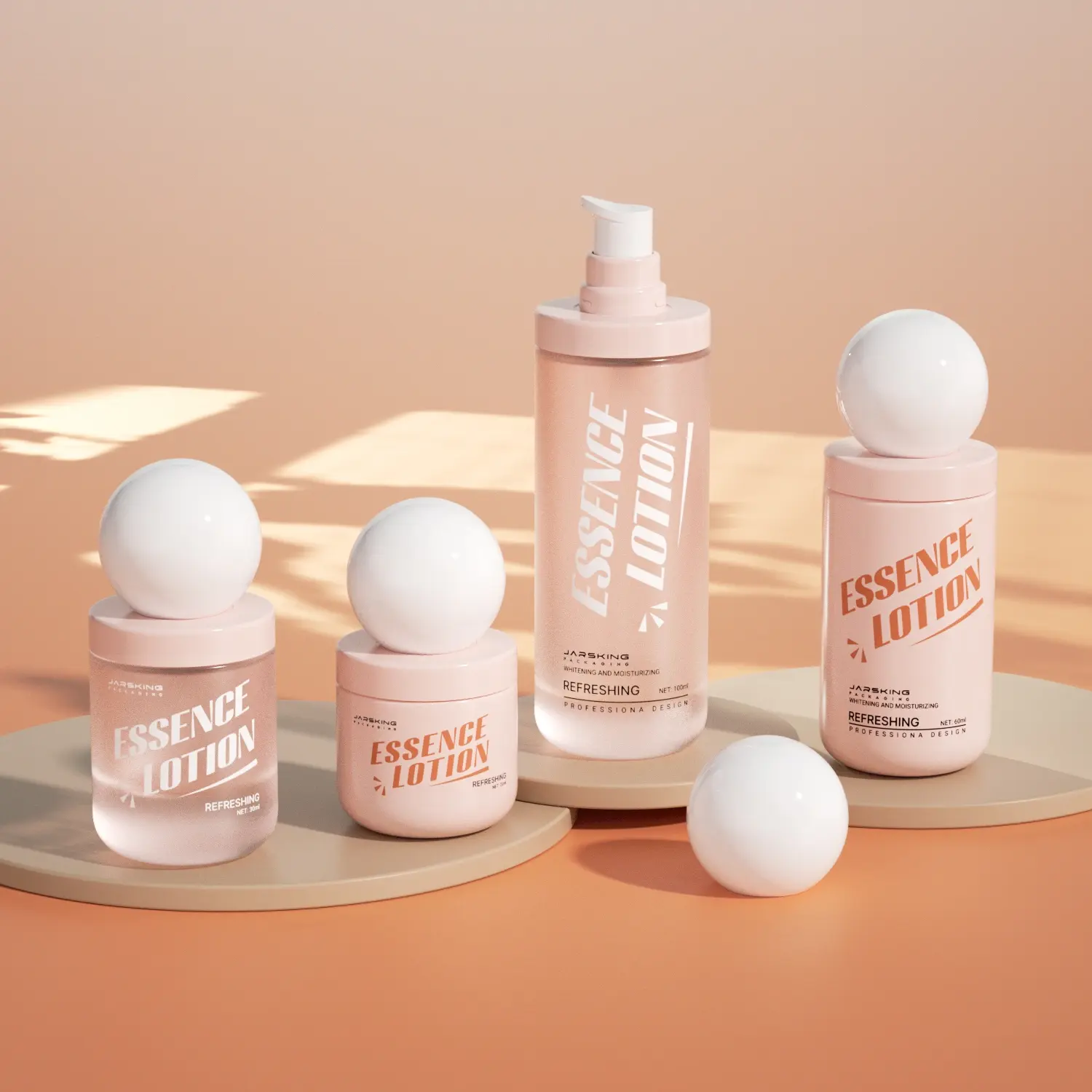
Best for: Lotions, essences, lightweight emulsions
Recommended Styles: Round or tall cylindrical bottles, wide-neck designs with lotion pumps
Built for light to medium viscosity formulas, these bottles dispense precisely and are available from 50ml to 120ml.
Recommended Styles: Round or tall cylindrical bottles, wide-neck designs with lotion pumps
Built for light to medium viscosity formulas, these bottles dispense precisely and are available from 50ml to 120ml.
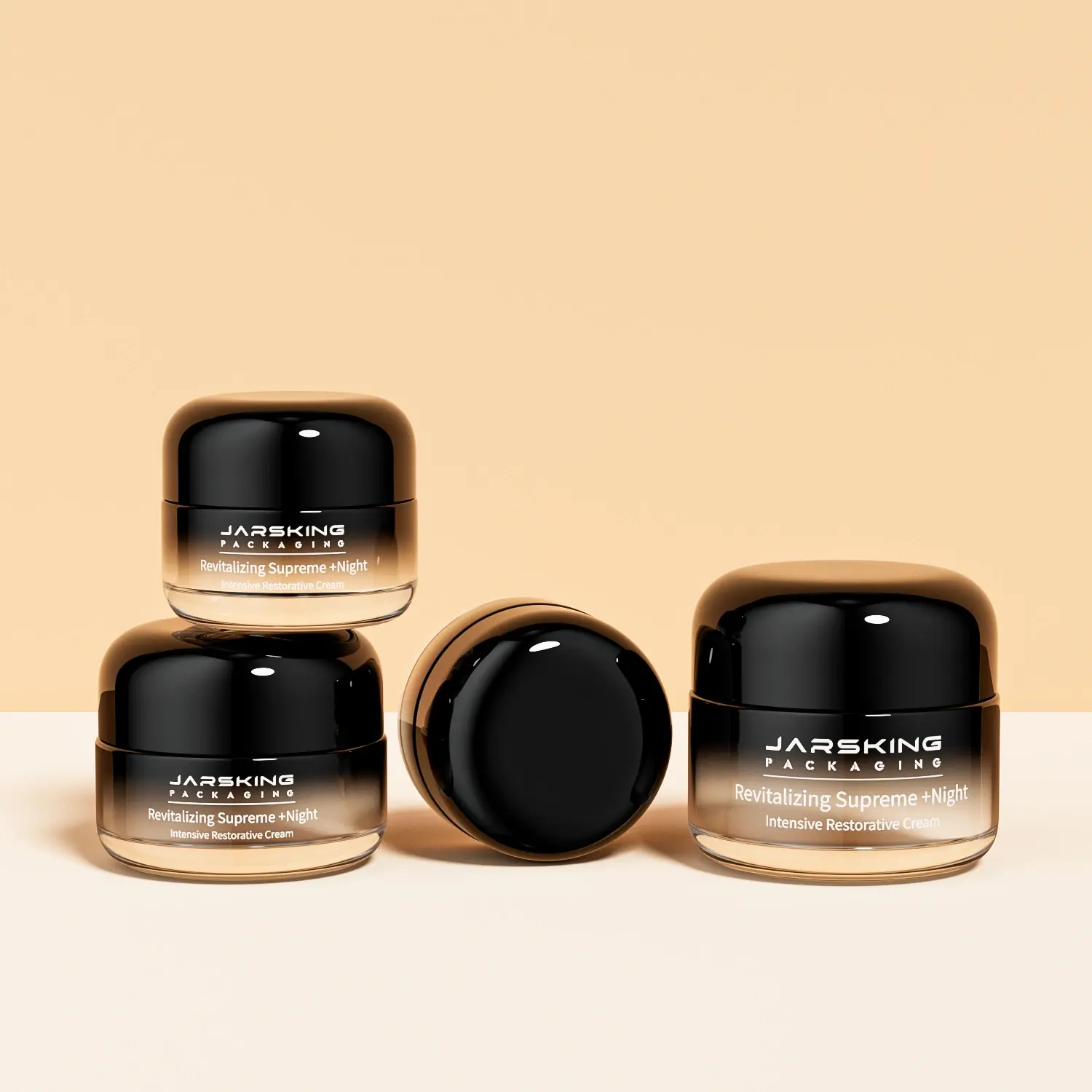
For Cream
Best for: Face cream, eye cream, concentrated treatments
Recommended Styles: Short round bottles, heavy-base glass, airless pump bottles
Thicker formulas need packaging that protects and doses accurately. Our cream bottles feature pump caps or airless vacuum systems that preserve formula integrity and prevent contamination.
Recommended Styles: Short round bottles, heavy-base glass, airless pump bottles
Thicker formulas need packaging that protects and doses accurately. Our cream bottles feature pump caps or airless vacuum systems that preserve formula integrity and prevent contamination.
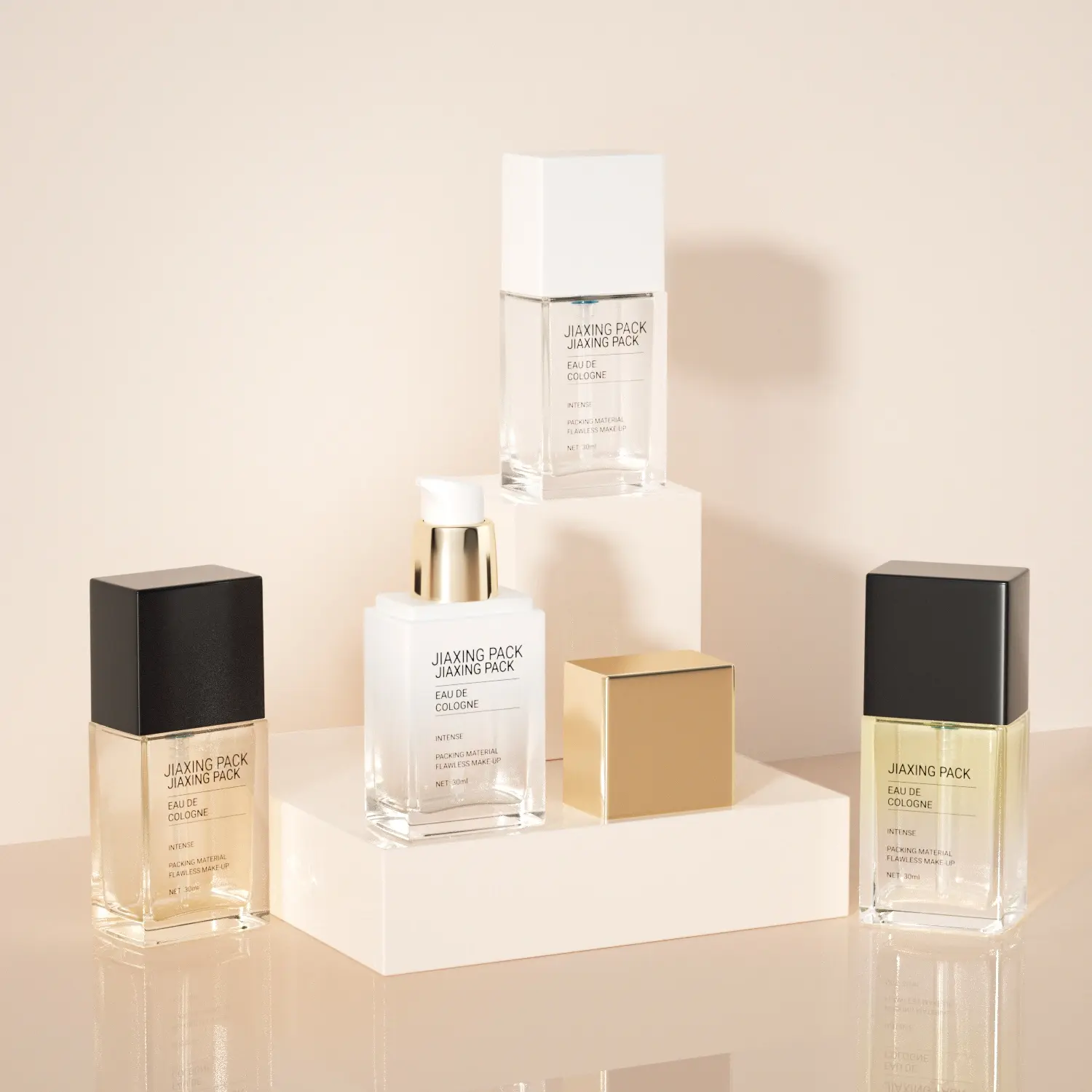
For Liquid Foundation
Best for: Liquid foundation, BB cream, tinted primers
Recommended Styles: Square or angular glass bottles, fine-dose airless pumps
Foundation needs consistent, controlled output to avoid over-dispensing and product waste. Our foundation bottles pair precision pumps with airless or vacuum systems to keep pigment and oil phases from separating between uses.
Recommended Styles: Square or angular glass bottles, fine-dose airless pumps
Foundation needs consistent, controlled output to avoid over-dispensing and product waste. Our foundation bottles pair precision pumps with airless or vacuum systems to keep pigment and oil phases from separating between uses.
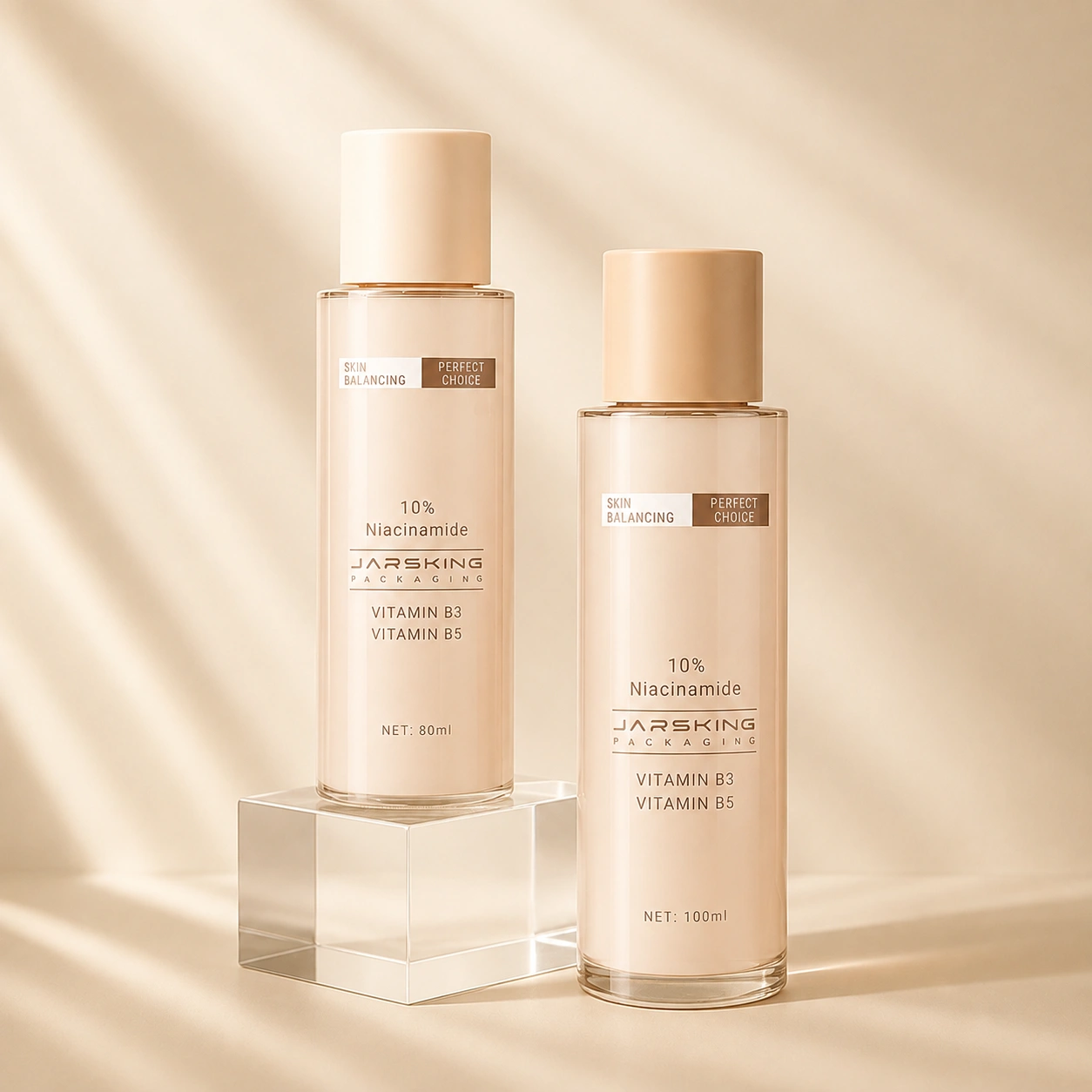
For Toner & Mist
Best for: Toners, micellar waters, refreshing facial sprays
Recommended Styles: Tall slim bottles, clear round bottles with fine mist atomizer
Fitted with fine mist sprayers for light, even application. Available in 30ml to 100ml capacities with excellent atomization and a sleek finish.
Recommended Styles: Tall slim bottles, clear round bottles with fine mist atomizer
Fitted with fine mist sprayers for light, even application. Available in 30ml to 100ml capacities with excellent atomization and a sleek finish.
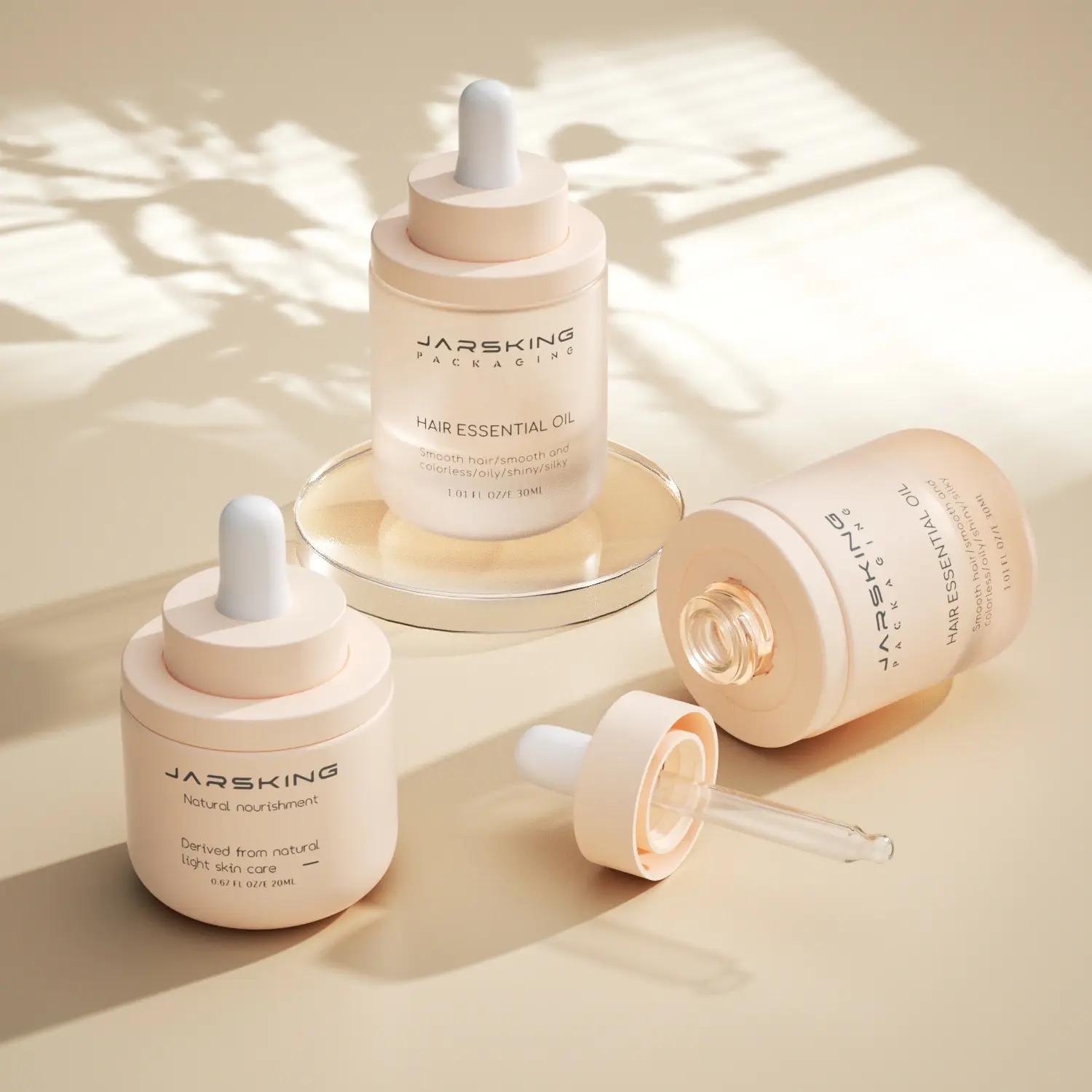
For Essential Oils & Actives
Best for: Natural oils, oil blends, spot correctors, elixirs
Recommended Styles: Amber dropper-style, small shoulder bottles with treatment pumps
Opaque or UV-coated glass protects volatile ingredients. Designed for low-viscosity oils or actives, available in 15ml–30ml with droppers or micro-pumps.
Recommended Styles: Amber dropper-style, small shoulder bottles with treatment pumps
Opaque or UV-coated glass protects volatile ingredients. Designed for low-viscosity oils or actives, available in 15ml–30ml with droppers or micro-pumps.
Material & Format Guide
“Glass adds cost and weight over plastic, and that premium only pays off if the material actually solves a problem your formula or brand has. This isn’t a case for “glass is always better” — it’s a breakdown of which glass finish earns its markup and which one is decoration you’re paying for without a functional reason behind it.”
| Material | UV Protection | Visual Impact | Where It’s the Wrong Choice |
|---|---|---|---|
| Clear glass | None — allows 80-90% UV transmission | High — shows formula color, texture, fill level | Skip it for any formula with light-sensitive actives (retinol, vitamin C, essential oils) unless it ships in secondary packaging that blocks light |
| Frosted glass | None — frosting is cosmetic, not a UV filter | High — softens visual, hides fingerprints, reads premium | Skip it if your formula’s color or clarity is part of the sell — frosting hides exactly what a clear serum or oil is trying to show off |
| Colored spray-coated glass | Depends on pigment, not reliable as a UV barrier | Highest — full custom color match to brand palette | Skip it for high-speed filling lines — spray coatings can chip or scuff at the neck and shoulder under repeated capping-head contact, and once chipped, the flaw is visible immediately since it sits on the outside of the glass |
| Amber glass | Blocks up to 99% of UV below 450nm | Moderate — classic apothecary look, low product visibility |
Skip it if your formula has no photosensitive actives — you’re paying a real premium for UV protection your product doesn’t need, and it hides visual cues (color, clarity) that could otherwise sell the formula |
Size & Dimension Reference
“Glass pump bottles fall into four practical tiers, each tied to a different buying channel and use pattern. These are starting reference ranges — your exact height, diameter, and neck finish will be confirmed against a technical drawing once you move to sampling.”
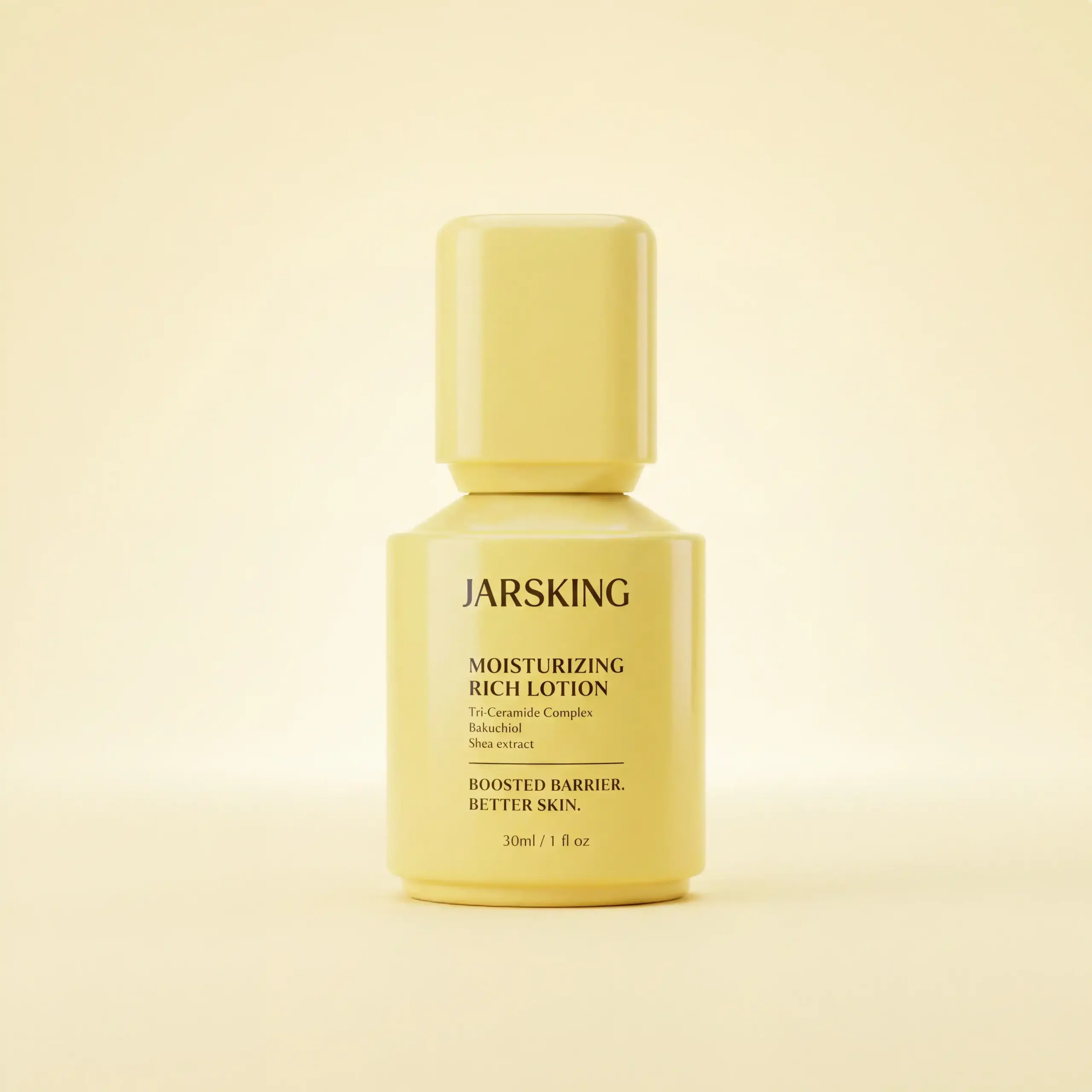
Travel / sample — 15-30ml
Brands fit this tier with treatment pumps or micro-pumps for precise, low-volume dosing. It’s the standard format for gift-with-purchase kits, hotel amenities, and sample programs where shelf life matters less than portability.
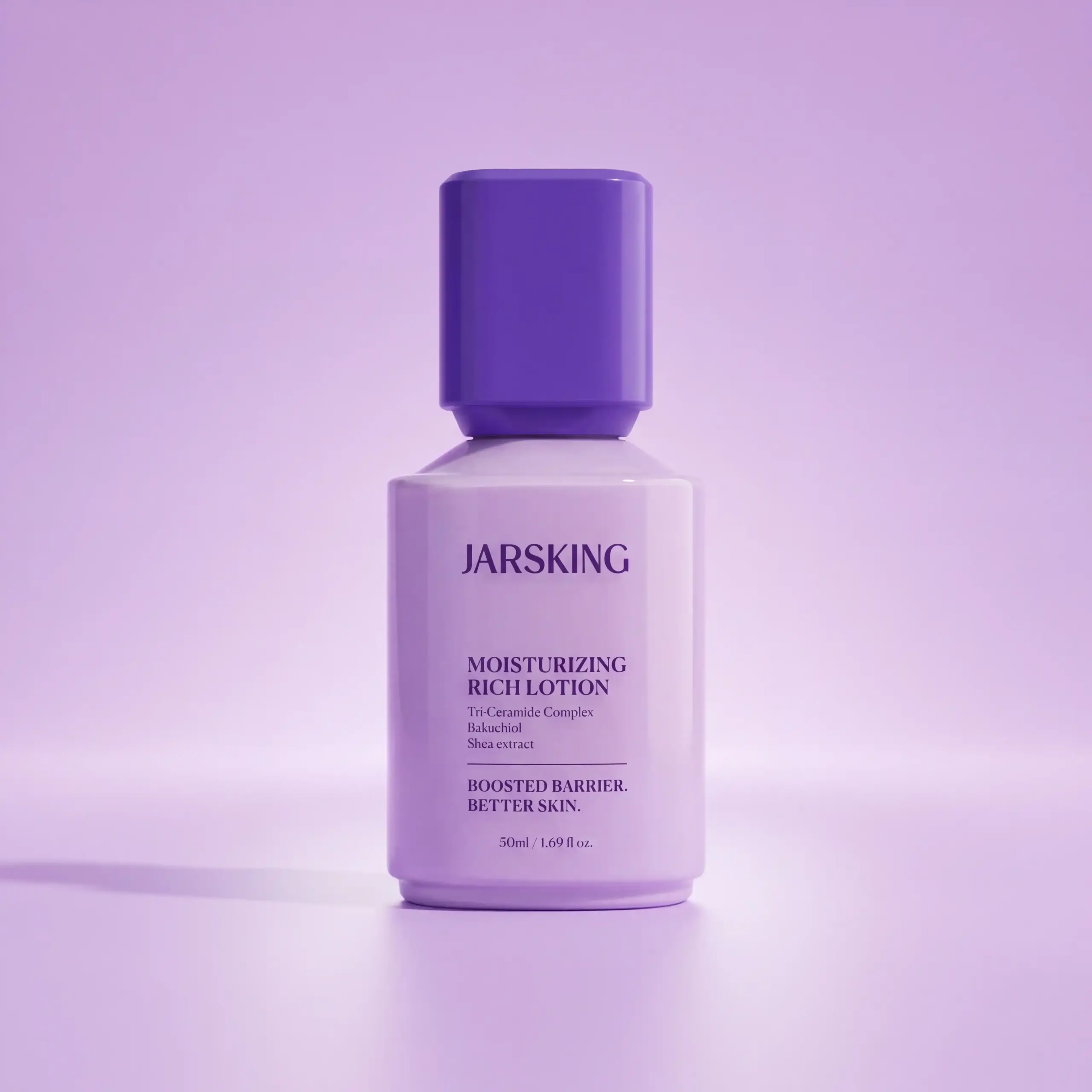
Individual retail — 30-50ml
Buyers pair this range with treatment or lotion pumps depending on formula viscosity. It’s the most common tier for DTC e-commerce launches, boutique retail listings, and subscription-box formats where a single SKU needs to stand on its own.
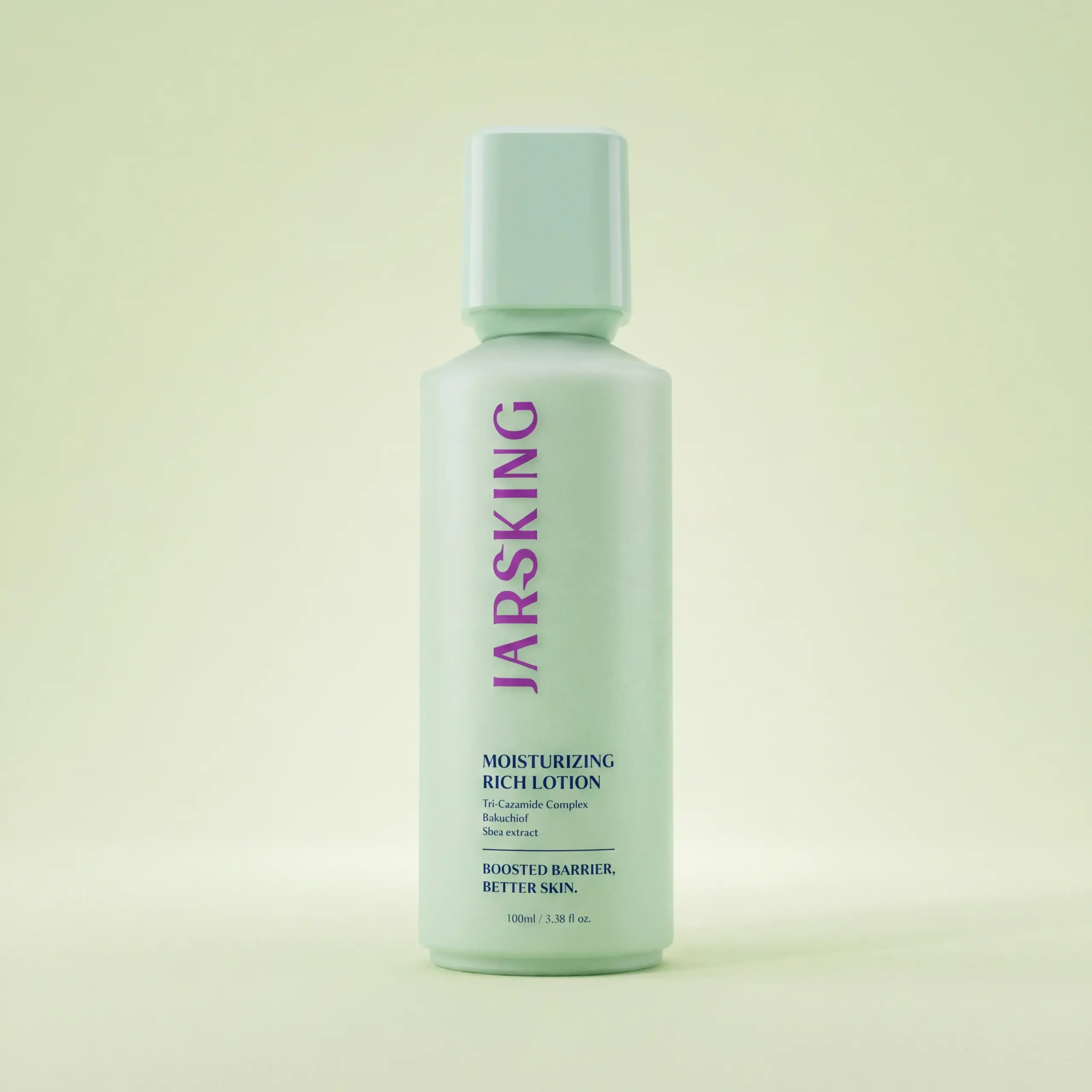
Standard retail — 50-100ml
Suppliers typically fit this tier with lotion pumps or airless systems for creams and actives that need oxidation protection. It covers most mass retail and specialty beauty chain listings, where shelf presence and per-unit economics both matter.
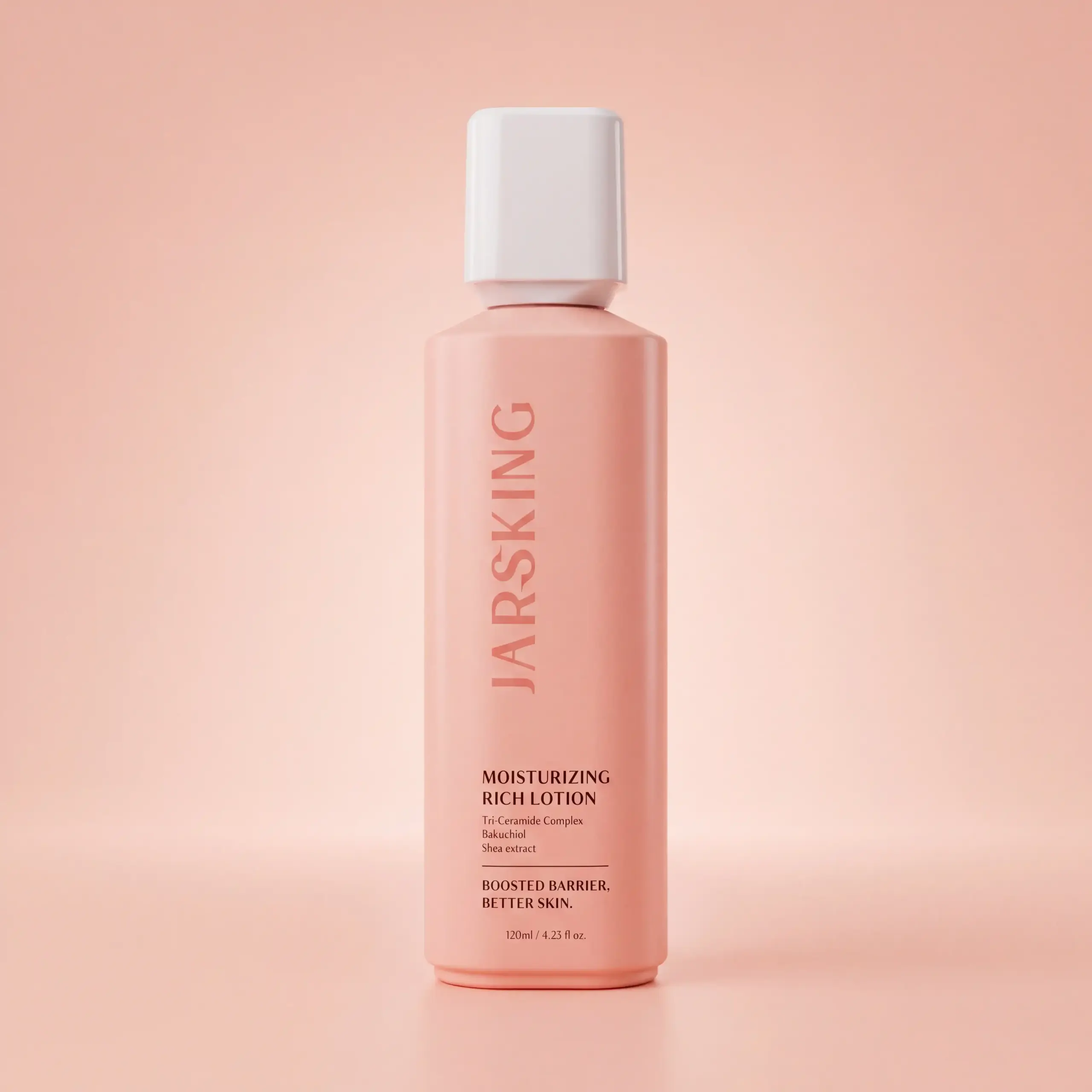
Professional / salon — 100ml+
Salons and professional lines build this tier around lotion pumps or high-output airless systems that can keep up with frequent, high-volume dispensing. It’s the standard format for salon back-bar bottles and professional refill programs, where durability under repeated daily use outweighs shelf aesthetics.
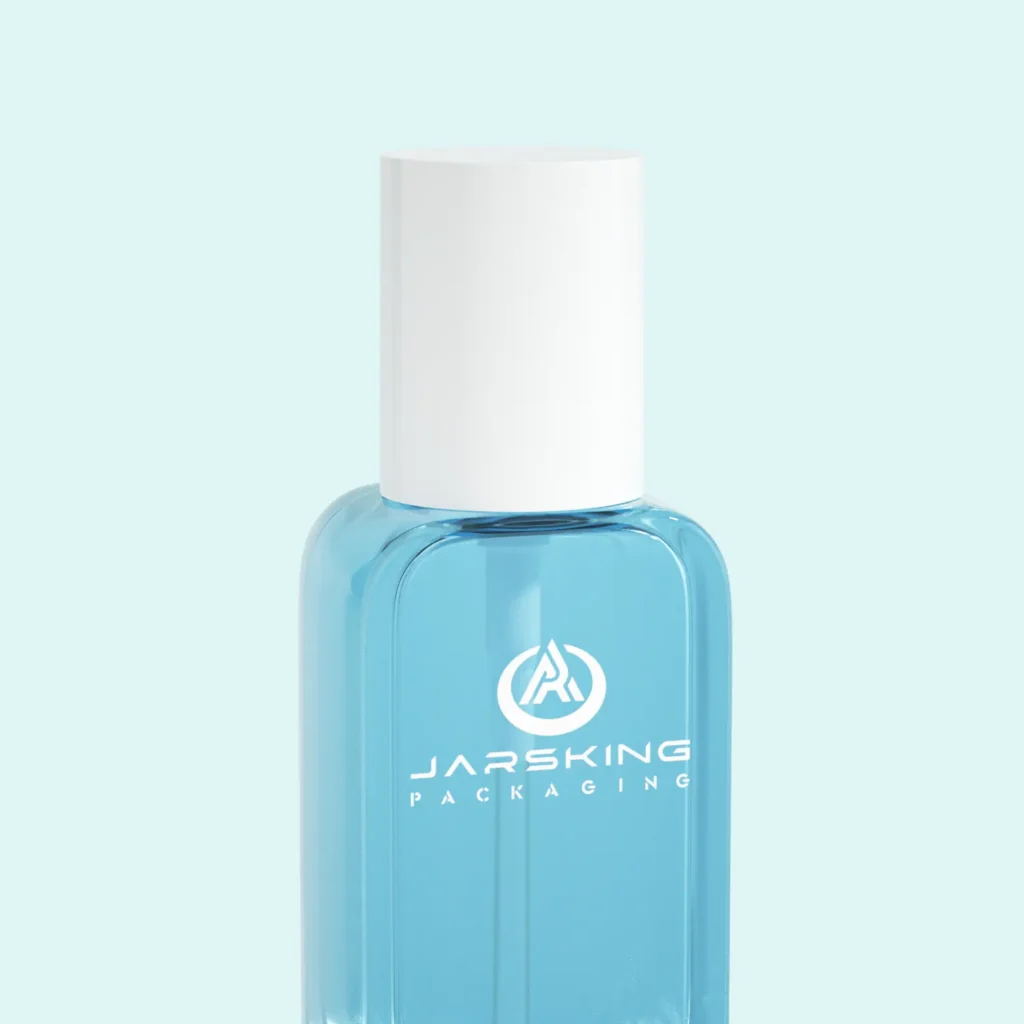
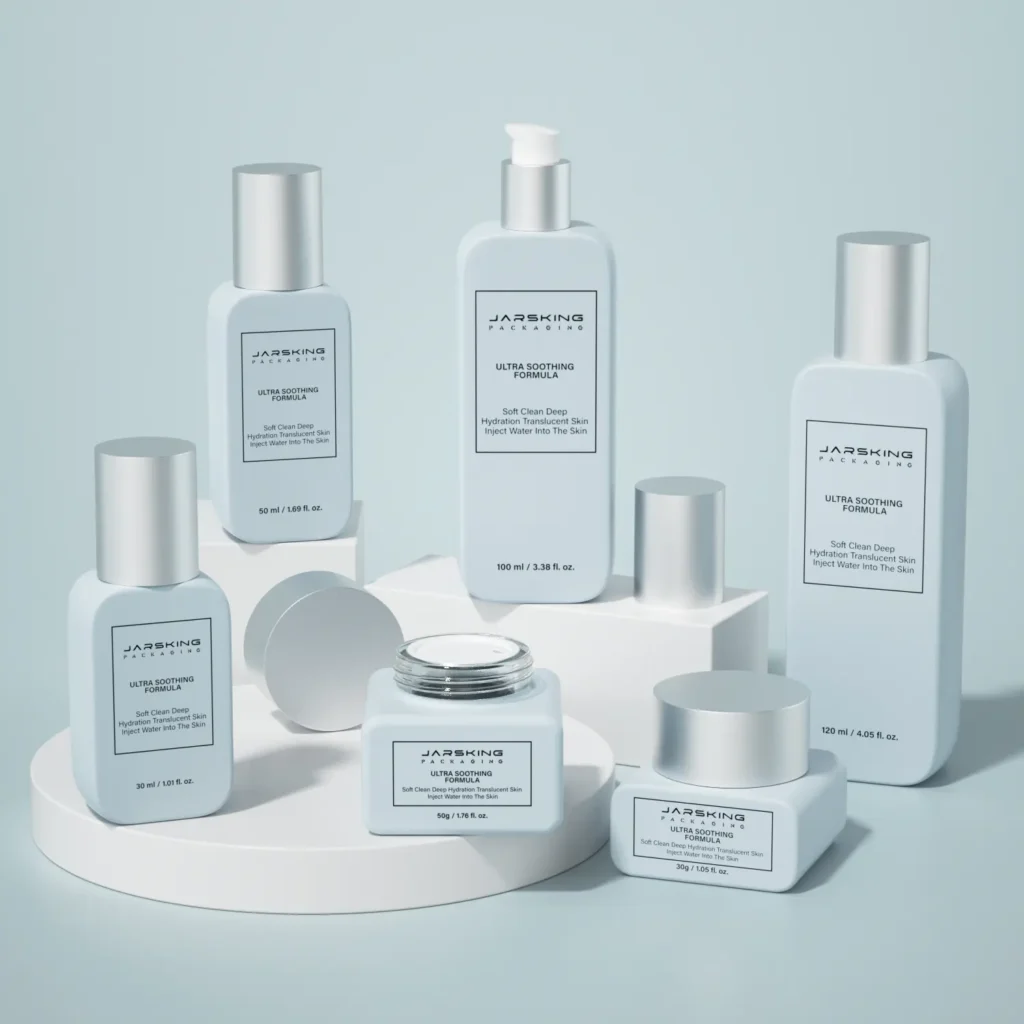
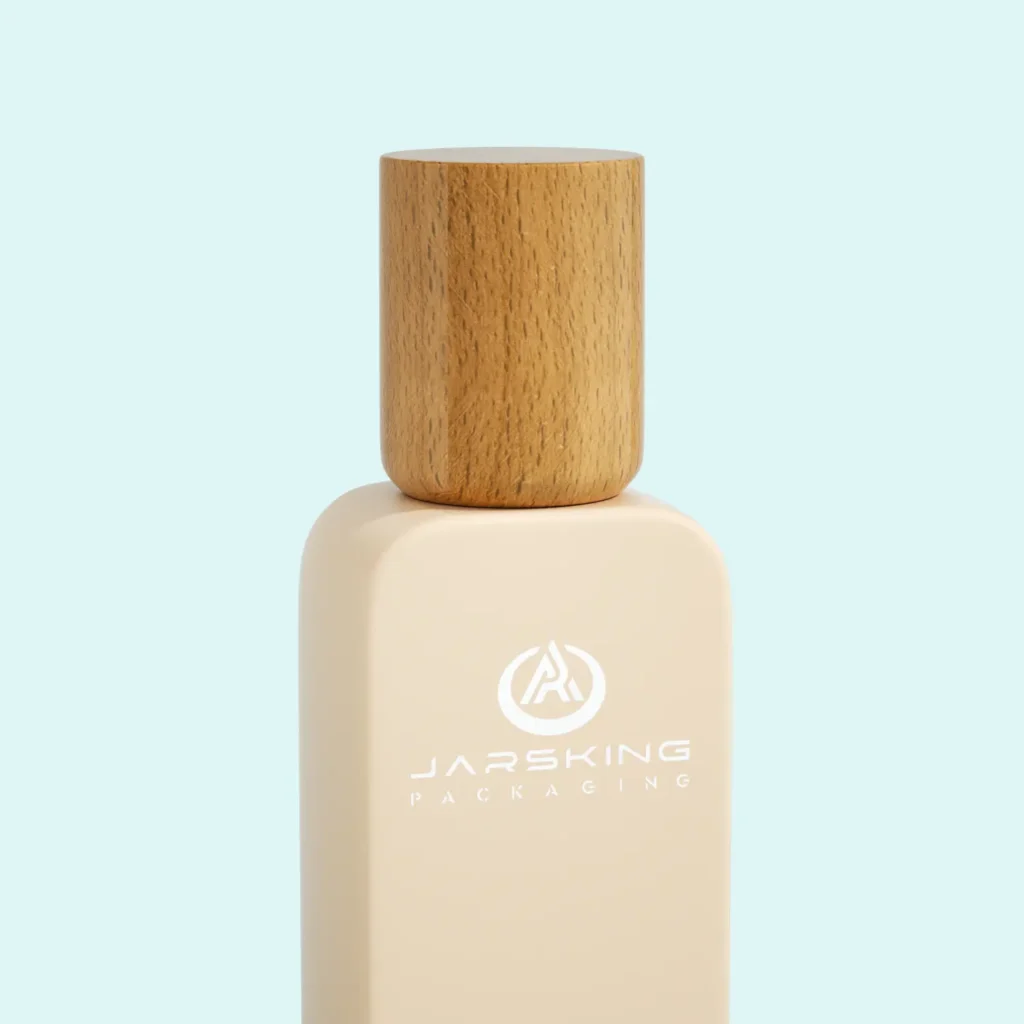
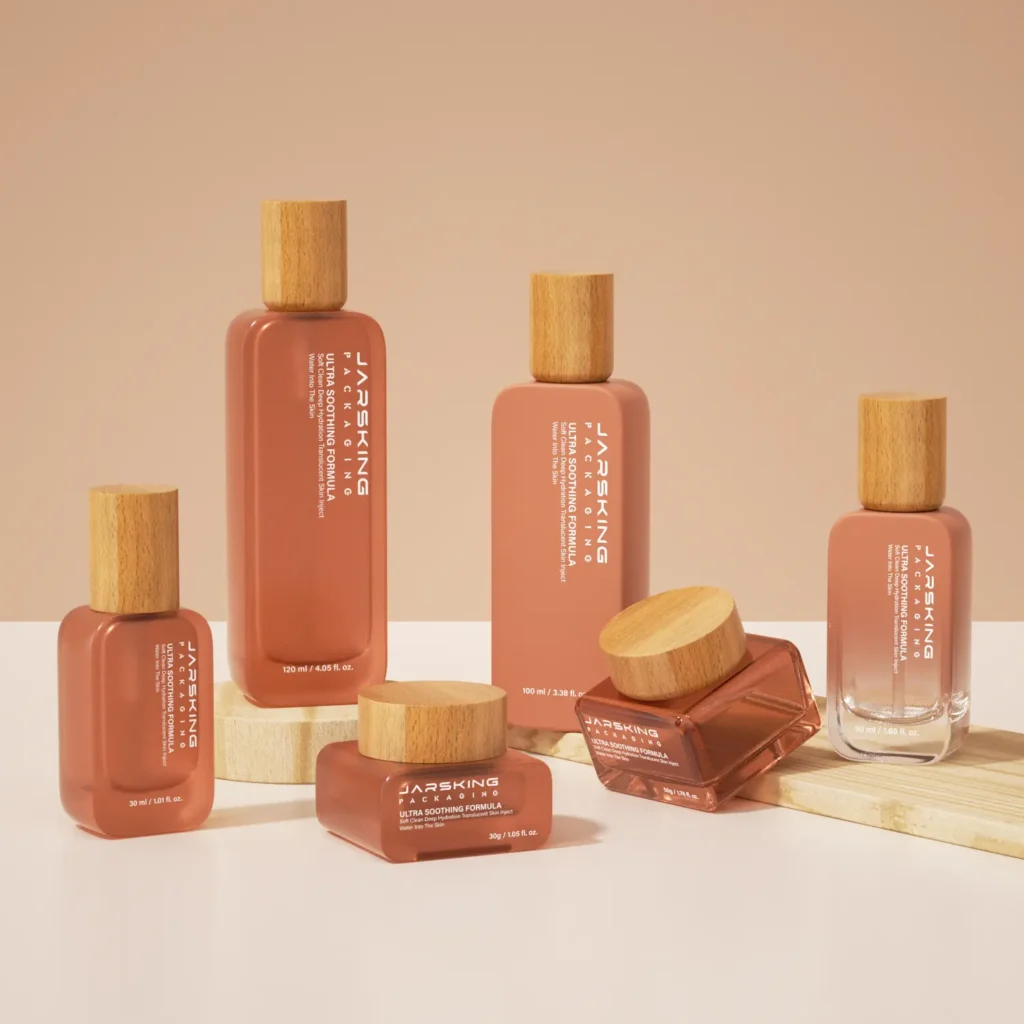
One Bottle, Endless Possibilities
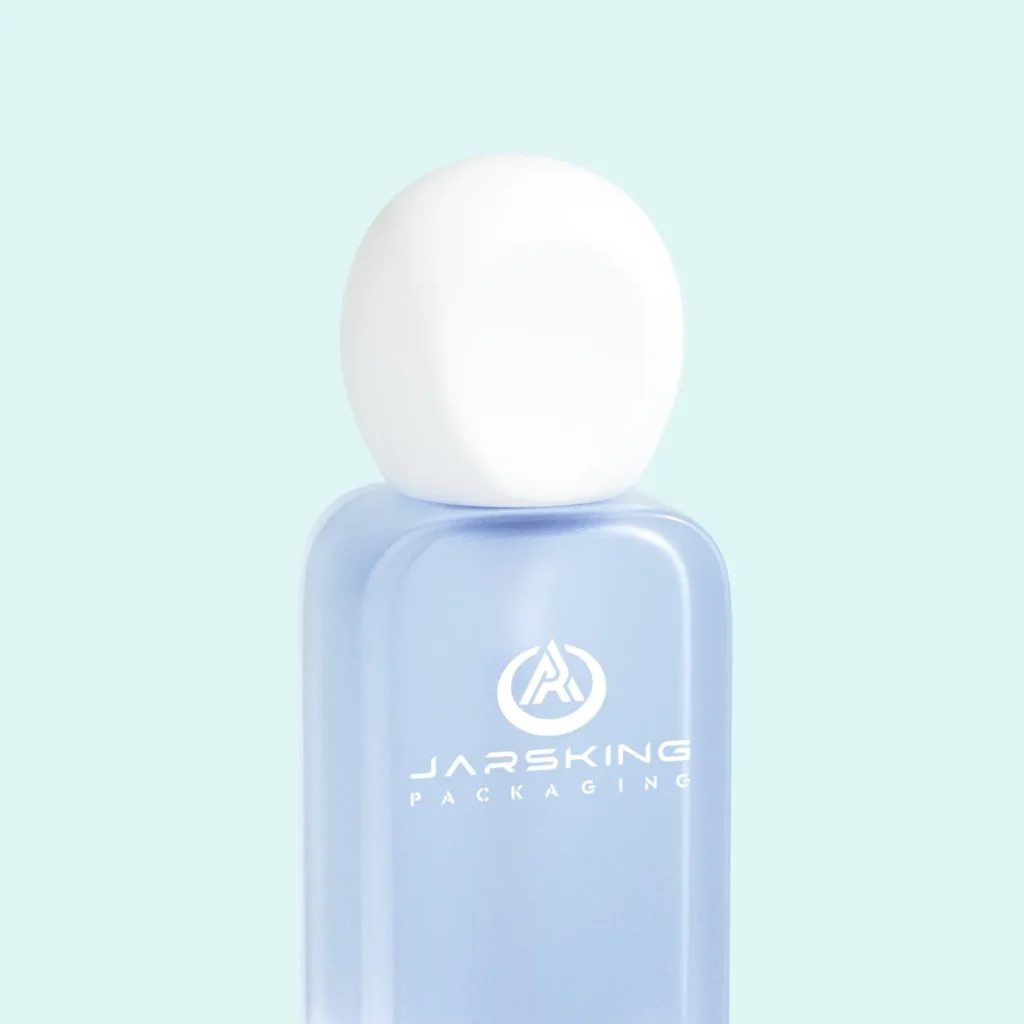
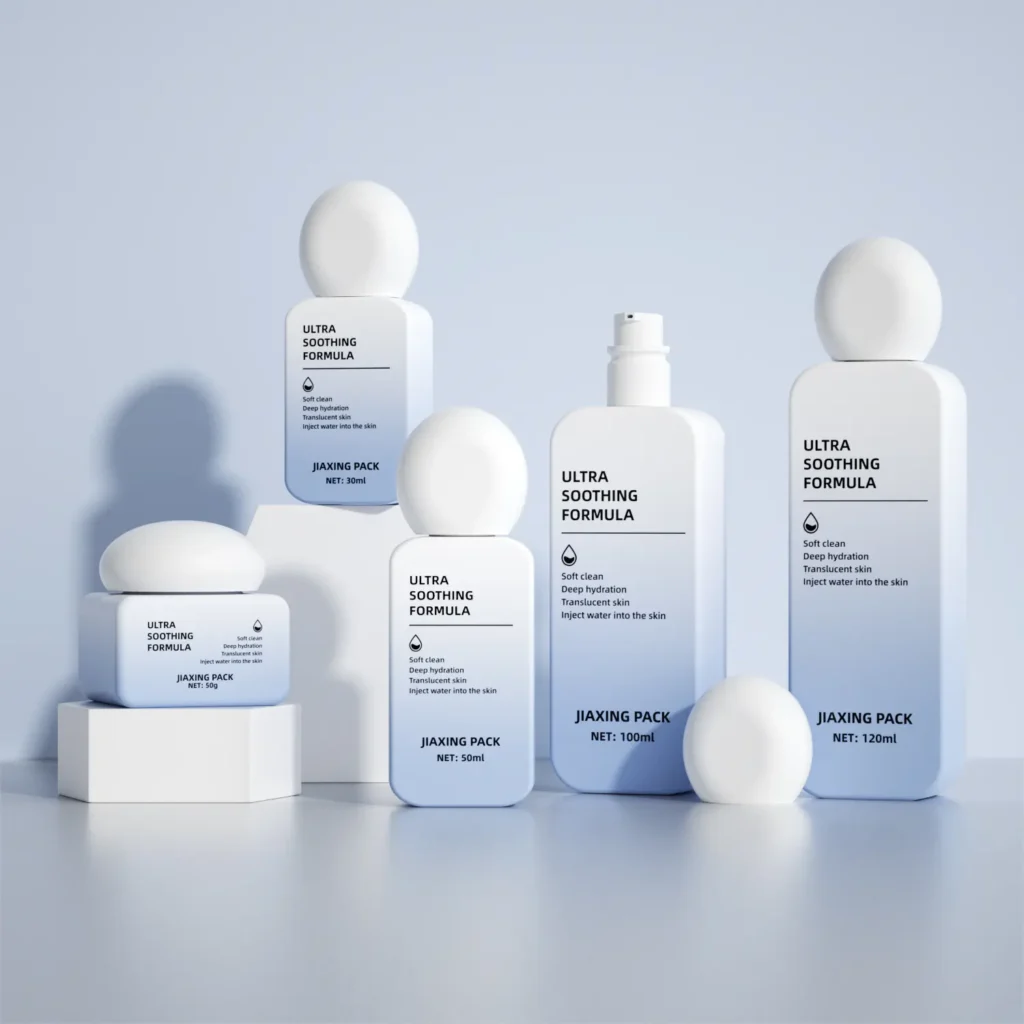
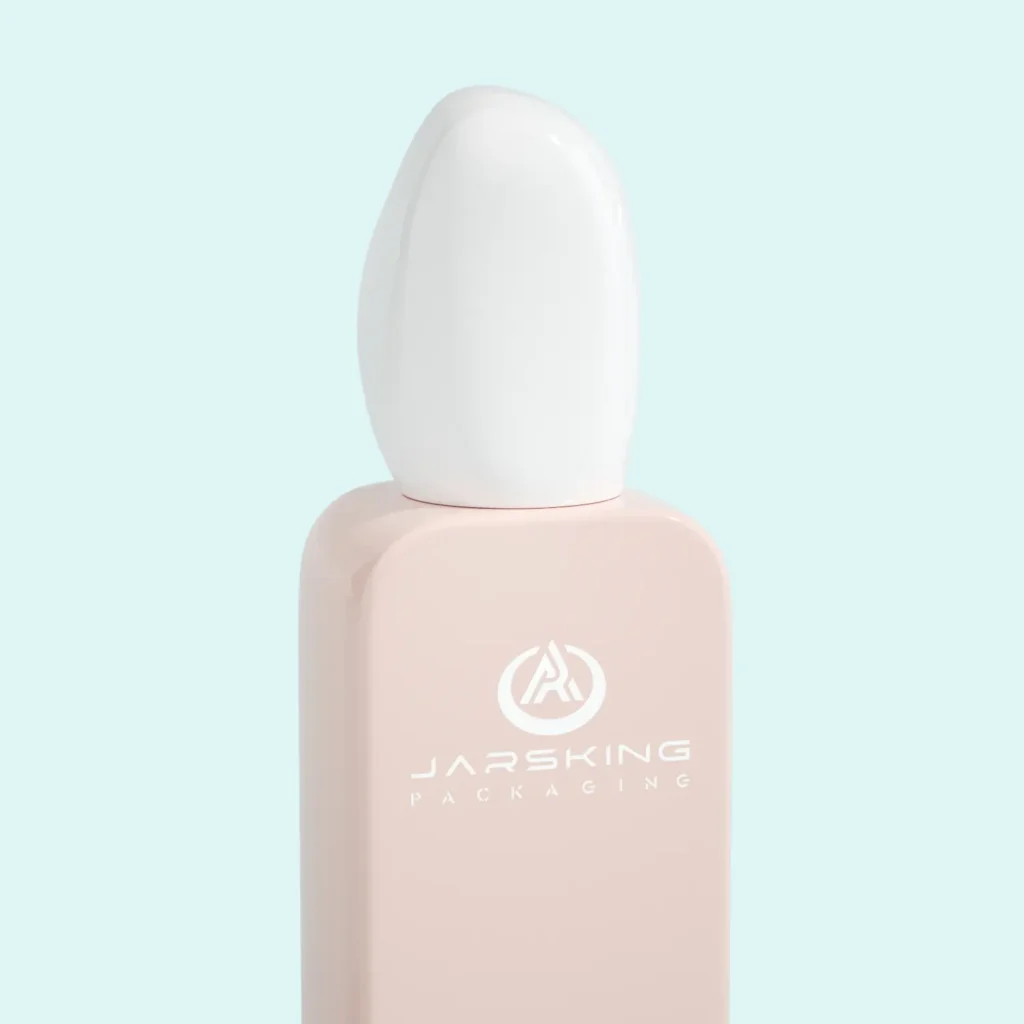
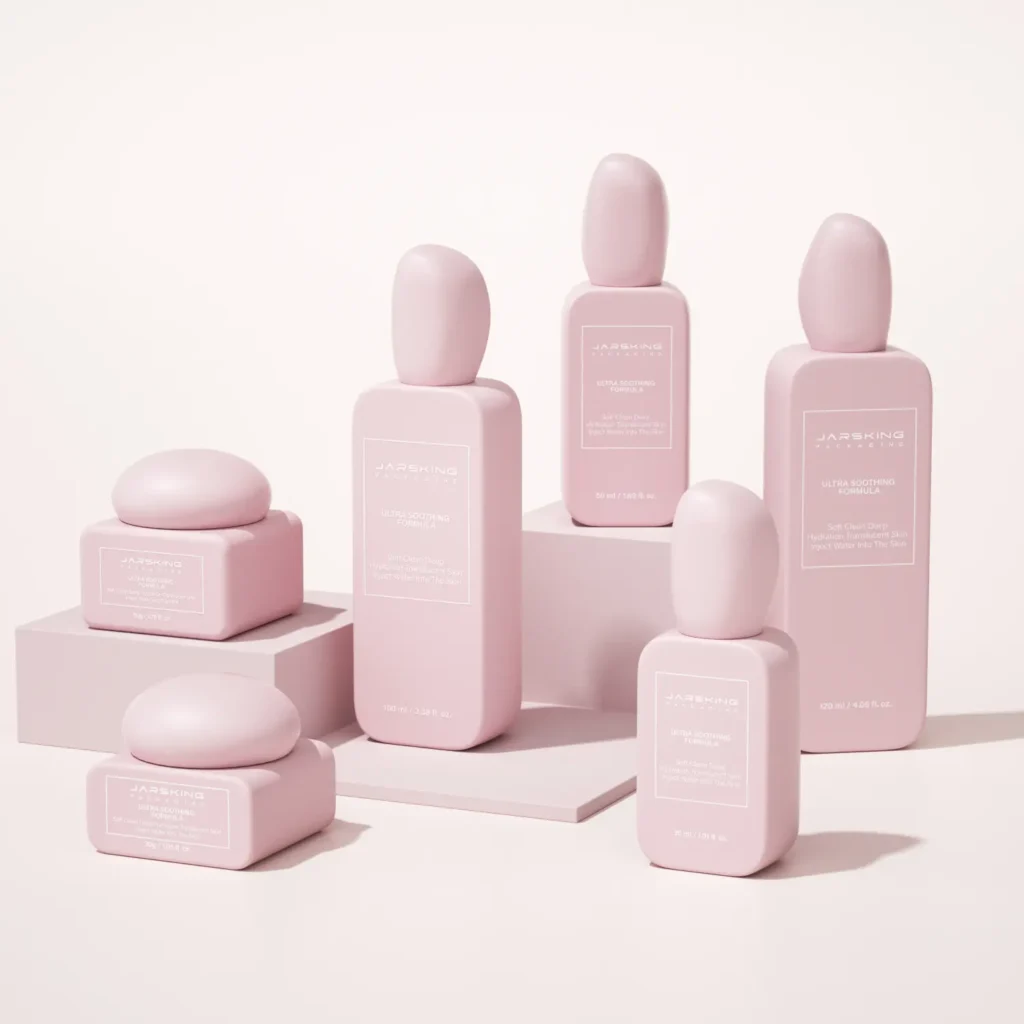
“Mix and match one bottle body with multiple closures and dispensing systems to create packaging that’s uniquely tailored to your brand and product line.”
We don’t believe in one-size-fits-all packaging. That’s why many of our glass pump bottles are engineered to be compatible with a wide variety of closures and dispensing systems. Whether you’re launching one SKU or a full skincare line, we offer scalable, brand-aligned solutions that grow with your business.
For brands, this approach offers concrete advantages:
• One mold, 3–5 closure options — new formats don’t need new tooling
• Lower cost per SKU — no repeat mold fee, lower MOQ on follow-on products
• Faster to shelf — a new closure samples in days, not the 4–6 weeks a new mold takes
• Consistent shelf presence — same silhouette across your serum, lotion, and toner line
FAQ — Glass Pump Bottles
Can I use an airless pump on a regular glass pump bottle, or does it need a different bottle design?
It needs a different bottle design. Airless systems rely on an internal vacuum piston that rises as product is dispensed, which requires a bottle body engineered with straight, consistent interior walls rather than the tapered or shouldered interior common on standard pump bottles. If air exposure is a concern for your formula, request an airless-specific glass base rather than assuming a standard pump bottle can be retrofitted.
How do I know if my formula is compatible with the glass and the pump gasket material?
Glass itself is chemically inert and safe for virtually every cosmetic formulation, so compatibility risk sits almost entirely with the pump gasket material, not the bottle. Request compatibility testing on the specific gasket elastomer, commonly silicone or synthetic rubber blends, against your formula’s actives and preservative system before committing to bulk production, since certain oils and high-concentration actives can degrade some gasket materials over time.
Why did the pump click without dispensing product?
A pump that clicks without dispensing almost always points to a dip tube that’s cut too long and jamming against the bottle base, or an unprimed pump that needs several actuations before product reaches the nozzle. If it happens across an entire batch rather than isolated units, the more likely cause is a dip tube length that was never re-measured for that specific bottle height — exactly the kind of gap a pre-assembled, leak-tested sample catches before bulk production.
What causes a glass pump bottle to feel loose or wobbly even though it doesn't leak?
A wobbly fit without an active leak usually means the pump’s neck ring is slightly oversized for the glass bottle’s thread, so it seats but doesn’t lock evenly under torque. It’s often not visible during a quick inspection and only shows up after repeated handling, which is another reason a pre-assembled sample matters more than checking bottle and pump specs separately.
What information do I need to give a supplier to get an accurate glass pump bottle quote?
At minimum, a supplier needs your target volume (ml), rough annual quantity, formula viscosity, and any actives that might affect gasket or glass color choice. Buyers who also specify neck finish preference, pump lock type, and decoration method upfront typically get faster, more accurate quotes than those who only describe the bottle’s appearance, since appearance alone doesn’t determine cost — the pump, gasket, and finishing steps do.
Is there a minimum wall thickness required for glass pump bottles?
There’s no universal minimum, but wall thickness is a direct tradeoff between weight, cost, and breakage resistance. A heavier base and thicker wall improve drop survival and shelf perception but add to unit cost and freight weight, so the right thickness depends on whether the bottle is a premium retail item or a high-volume travel format where cost control matters more.