CUSTOM TONER BOTTLES
Custom Toner Bottle Manufacturer
Formula-Compatible Skincare Packaging
“Most toner bottle suppliers will sell you whatever SKU is already molded and let you find out the hard way that a 65% alcohol astringent doesn’t sit well in the same PET bottle that holds your rosewater essence. Othilapak builds toner bottles around what’s actually inside them — alcohol content, active ingredients, viscosity, and pH — not just the volume and color a buyer picks off a catalog page. If your last batch came back with clouded plastic, a cap that stopped sealing, or a mist pattern that changed after three months in the bottle, the material or closure was mismatched to the formula before the first unit shipped.”
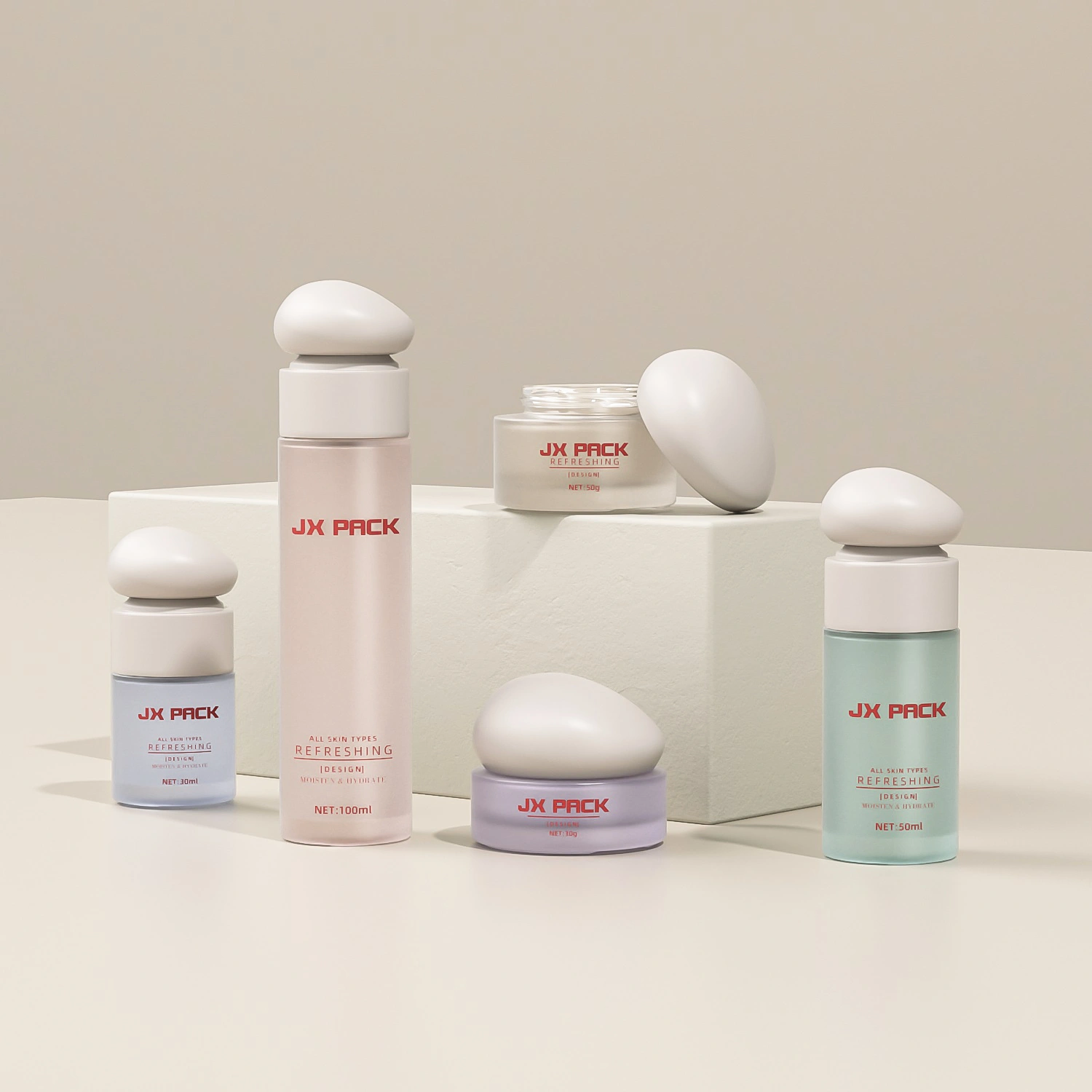
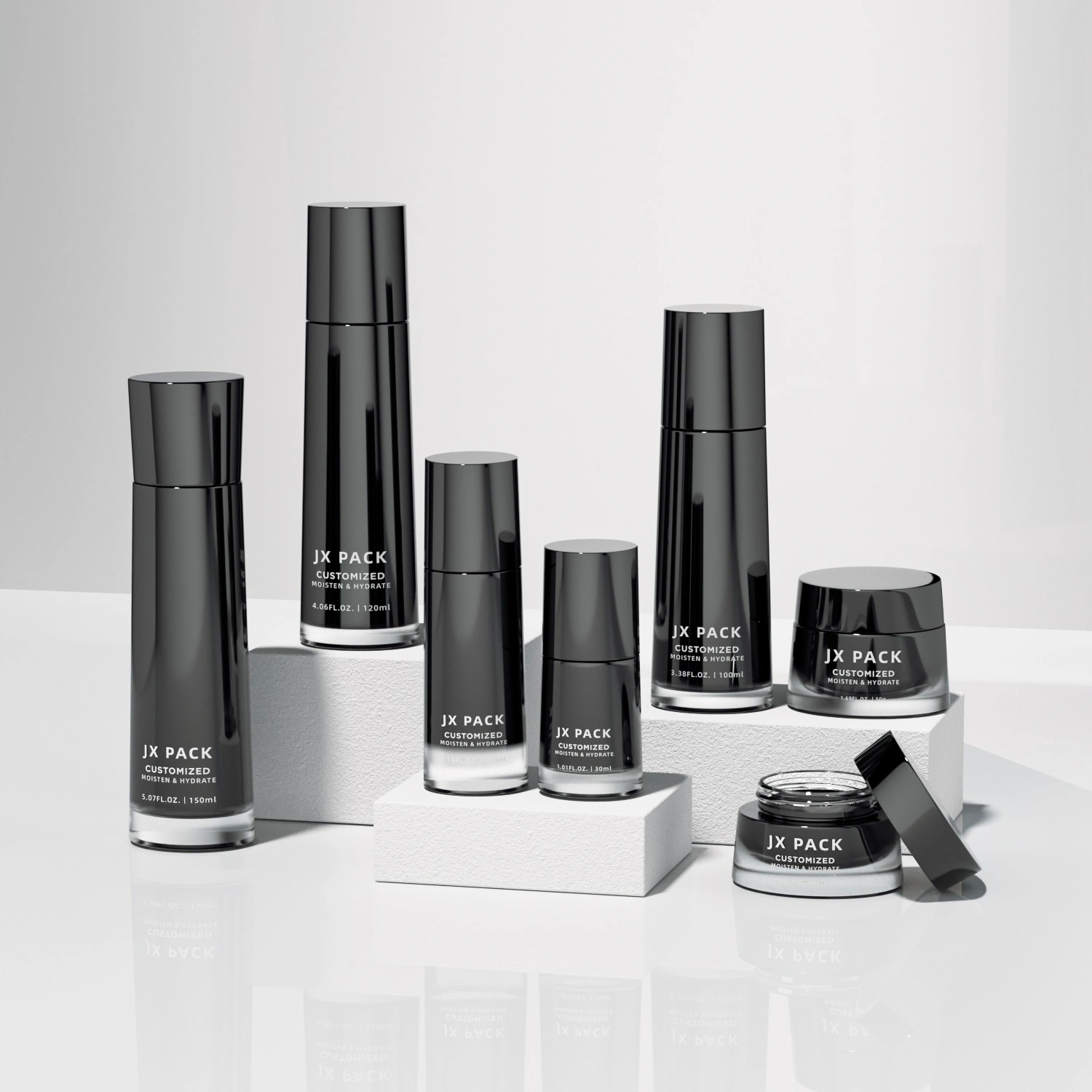
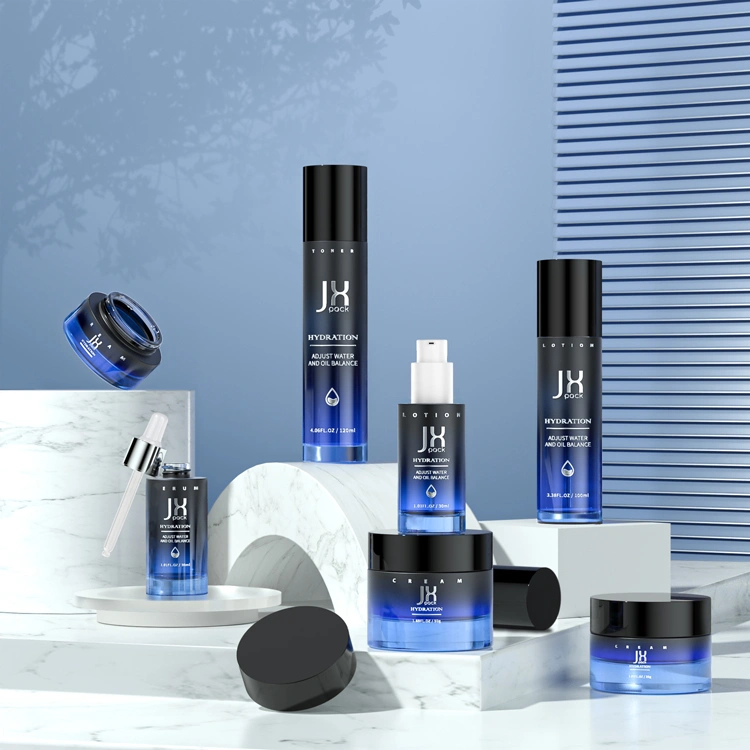
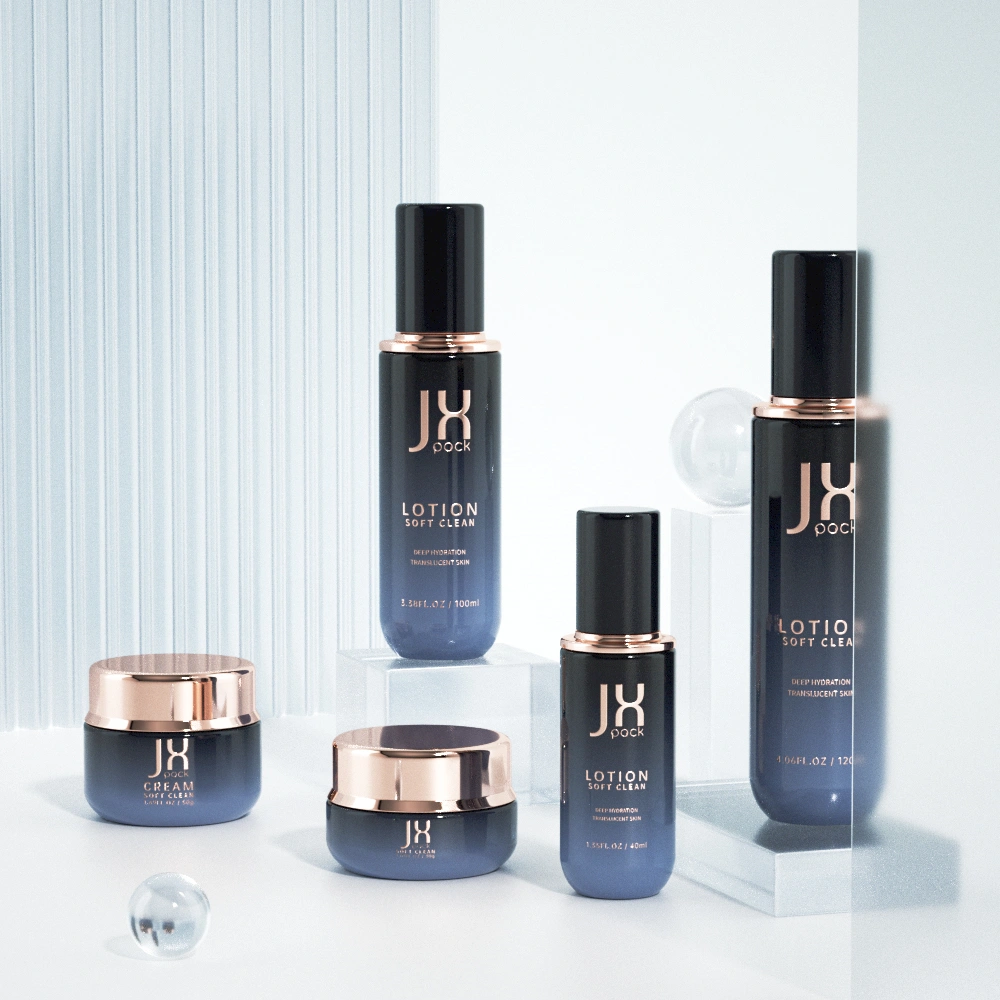
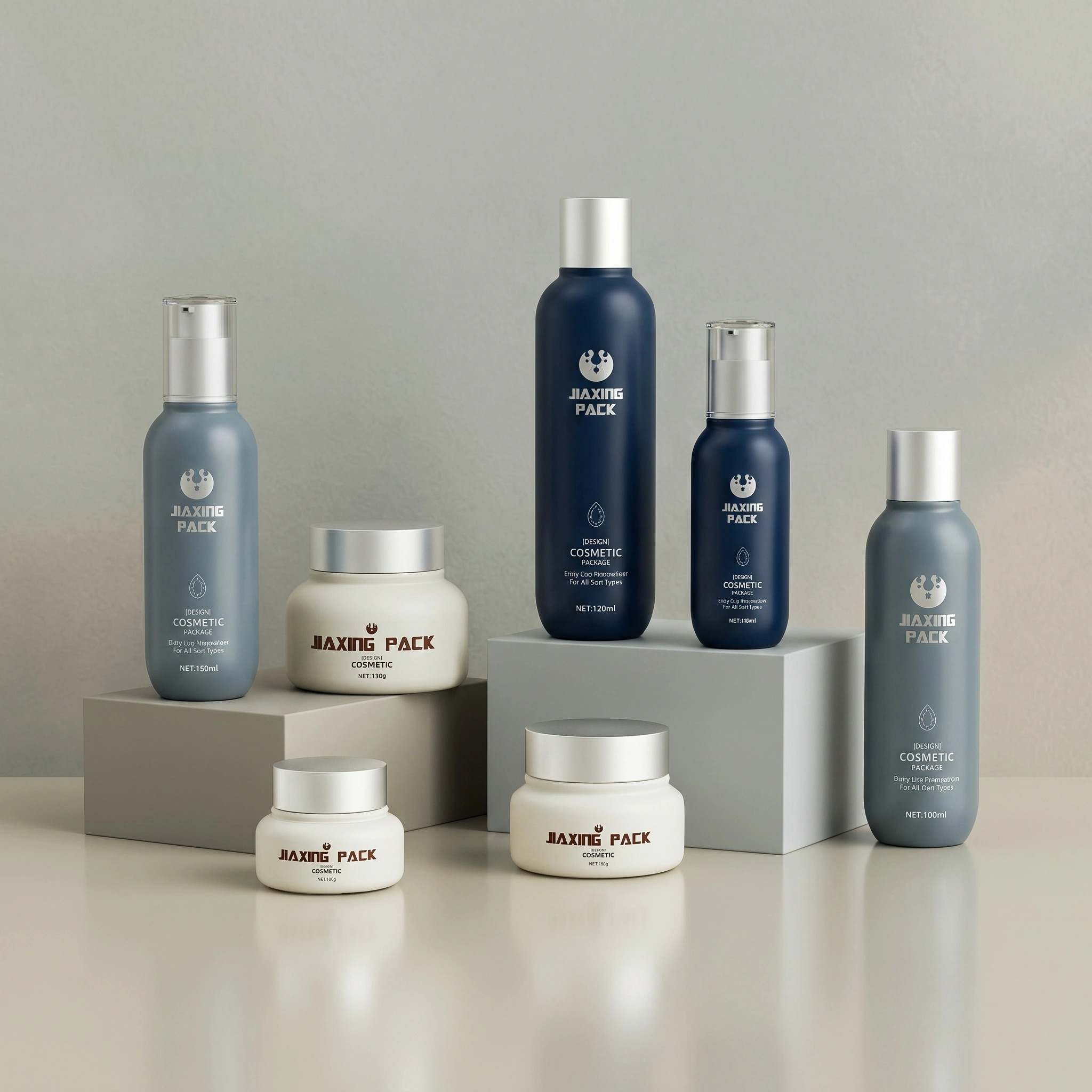
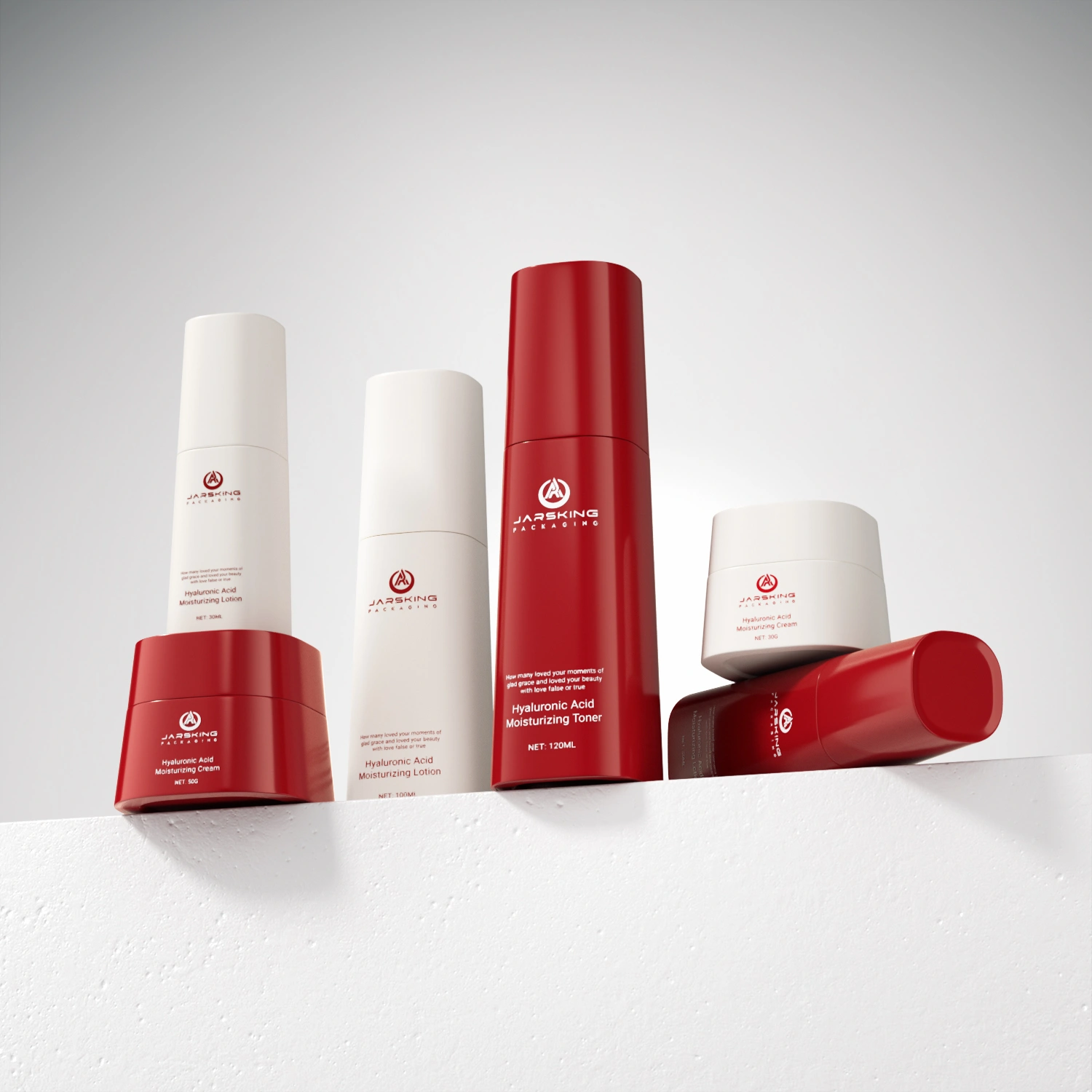
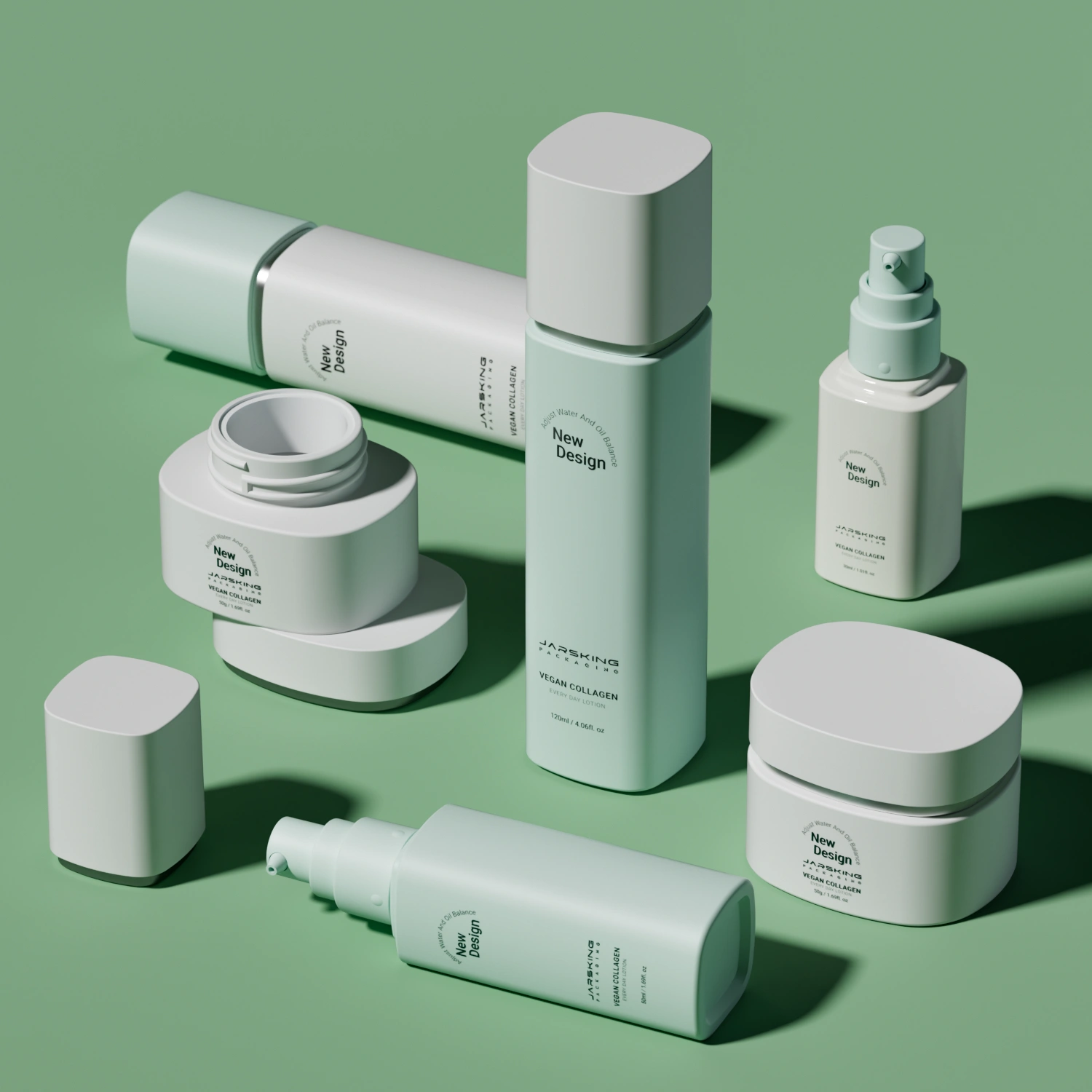
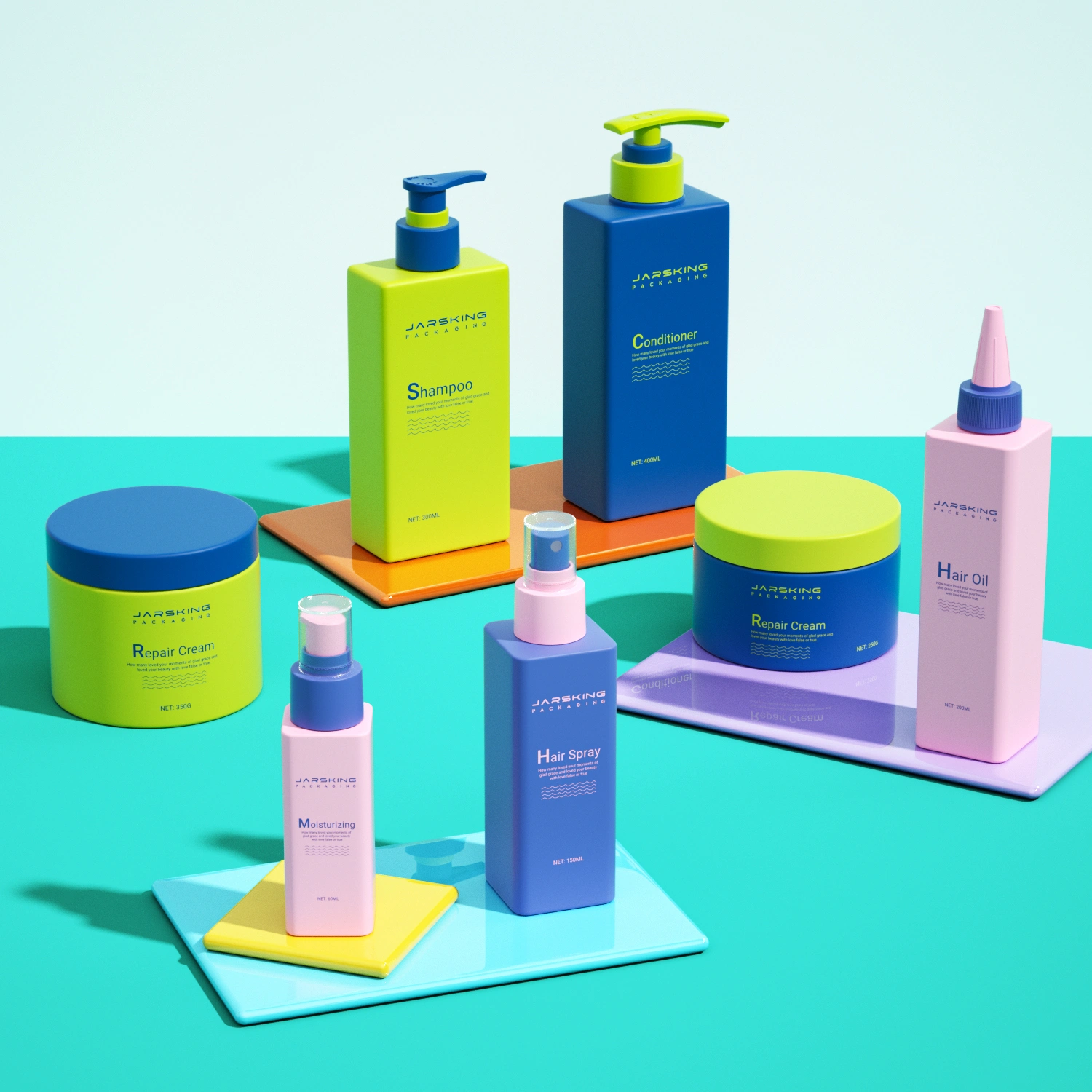
Industry Applications of Toner Bottles
“Toner bottles are essential across multiple segments of the skincare and beauty industry. While traditionally used for facial toners, these versatile containers are increasingly applied to a broad range of products requiring controlled dispensing and brand-forward aesthetics.”
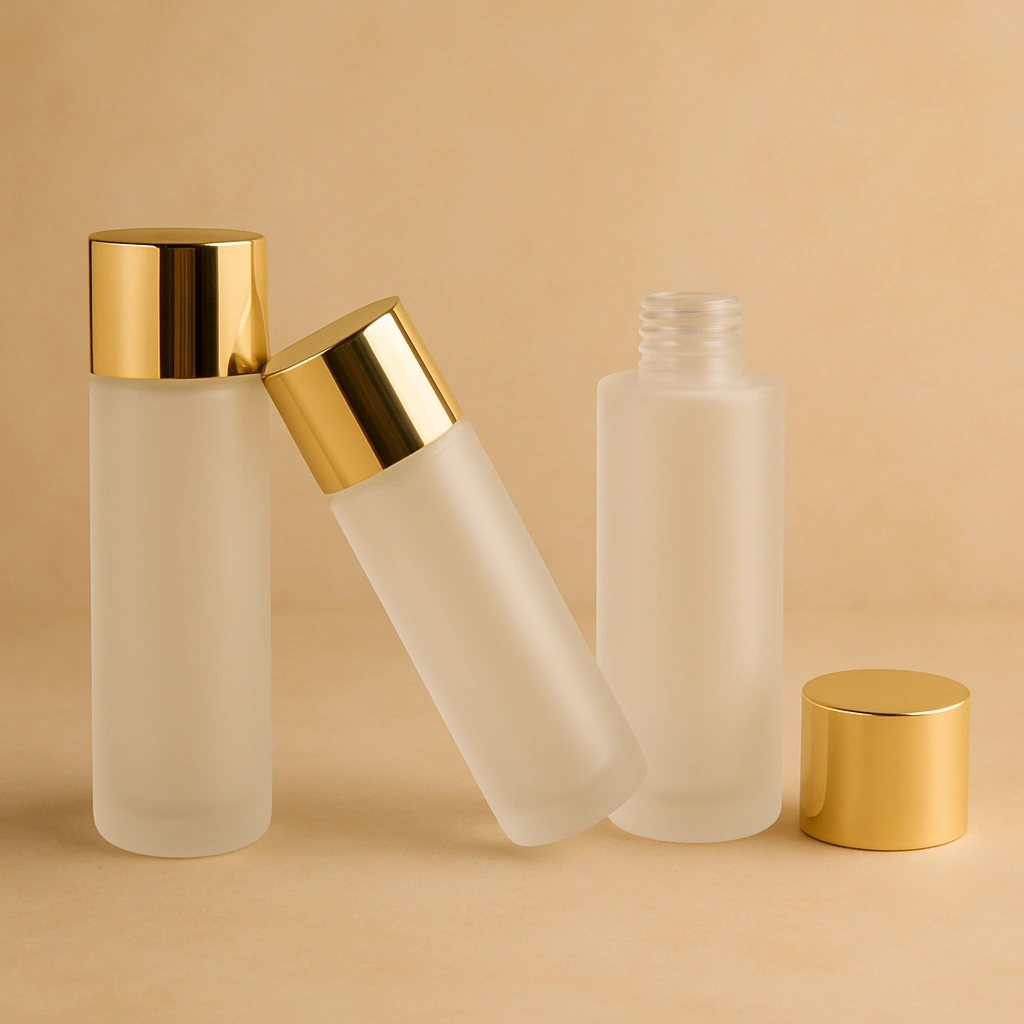
For Essences & Hydrating Waters
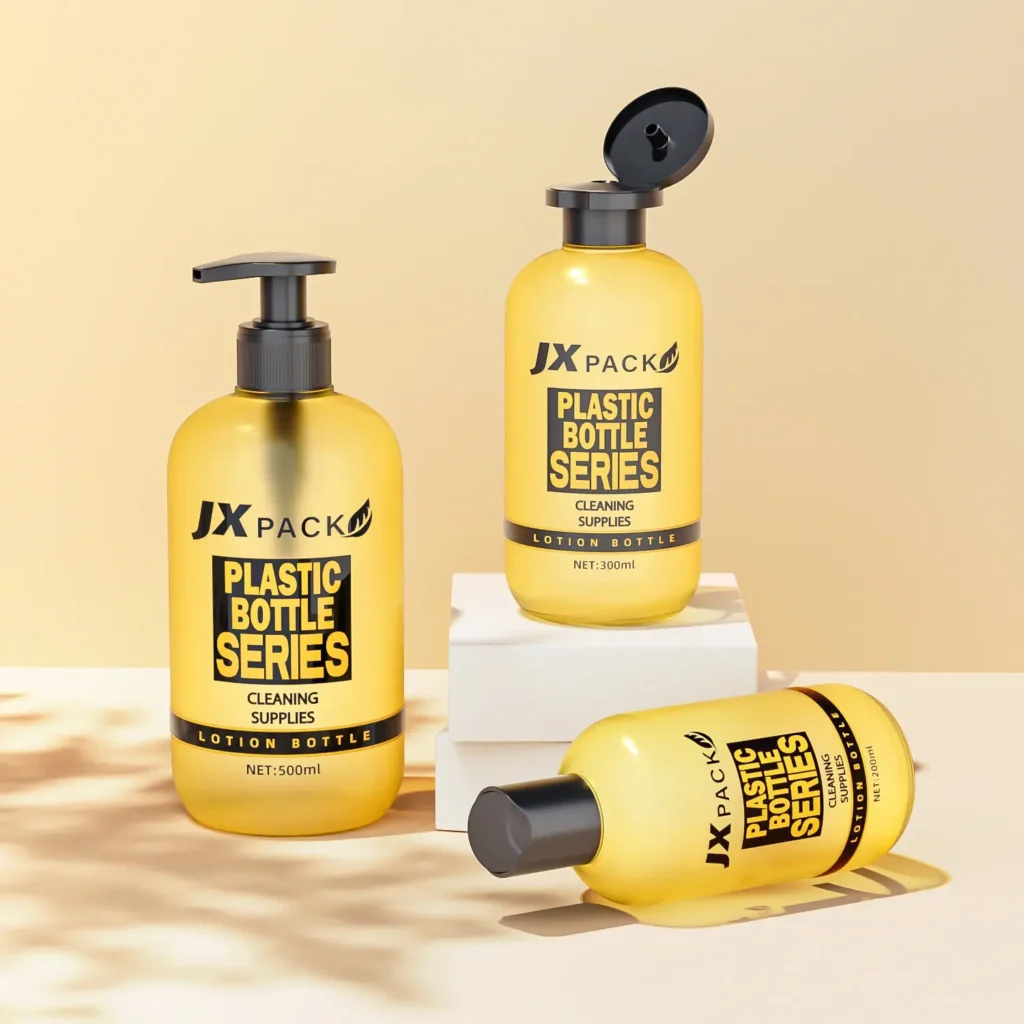
For Micellar Waters & Makeup Removers
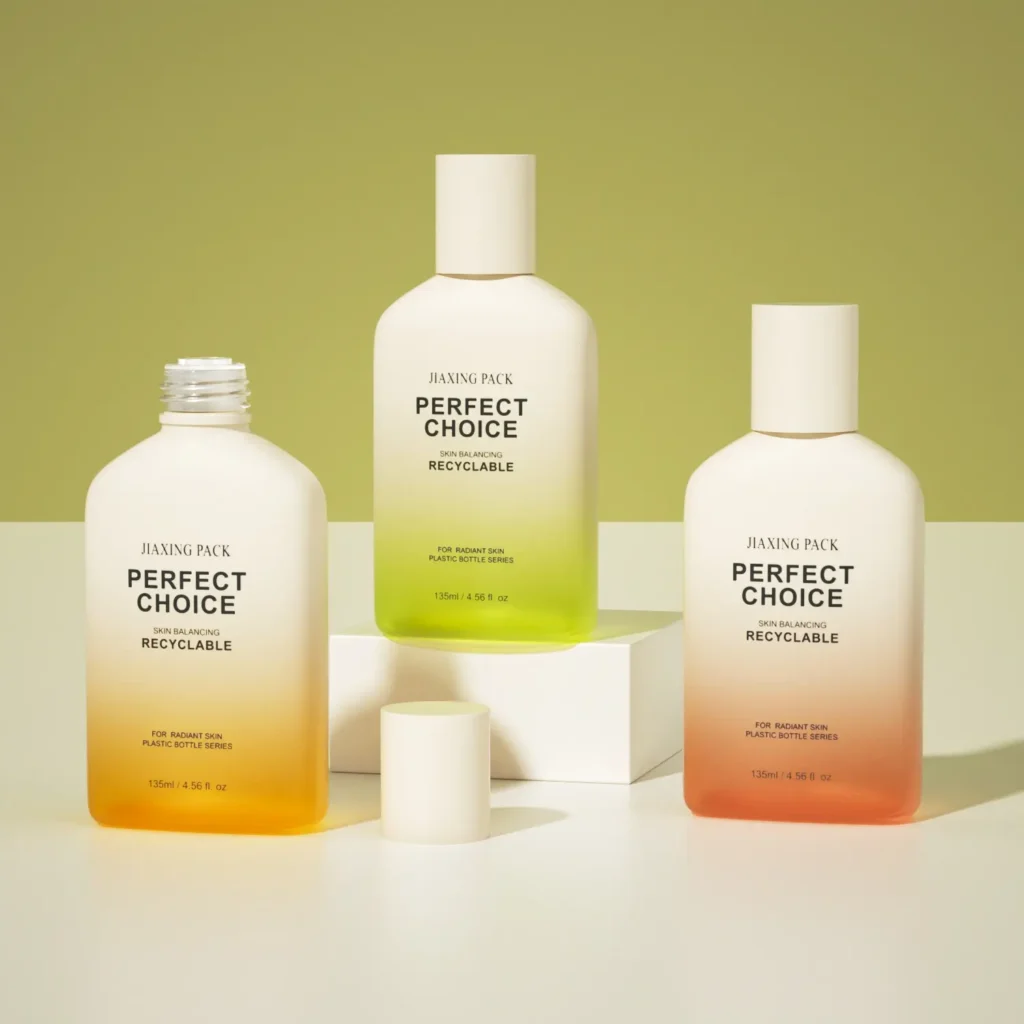
For Facial Toners & Astringents
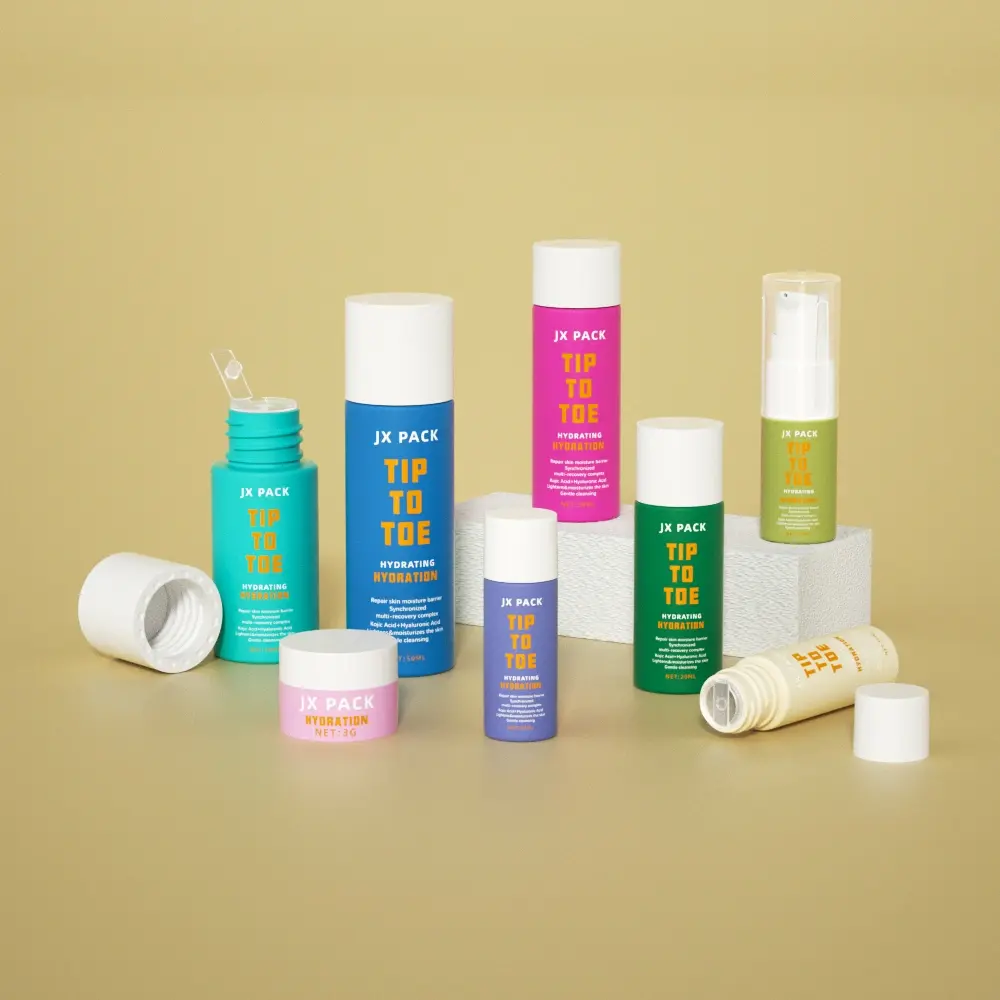
For Travel Sets
Choose the Right Toner Dispensing System
“The dispensing system directly affects dosage control, cleanliness, convenience, and the overall consumer experience. Othilapak helps skincare brands match each formula with the appropriate bottle opening, closure, pump, or sprayer.”
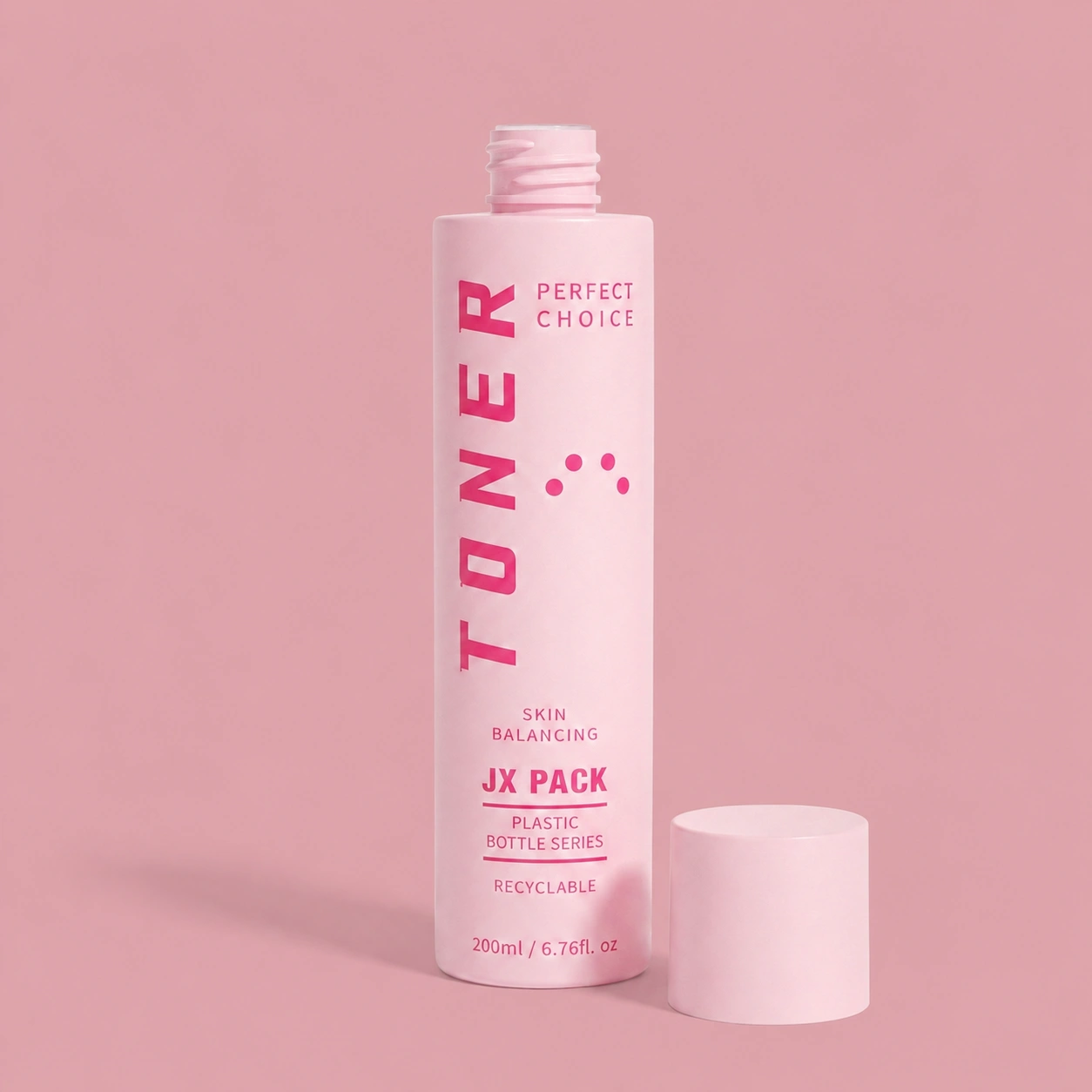
Pour-Control Toner Bottles
Inner plugs and flow reducers help control low-viscosity formulas, preventing sudden pouring and unnecessary product waste.
Key benefits:
• More controlled application
• Reduced over-dispensing
• Cleaner bottle opening
• Suitable for hands or cotton pads
Recommended for: Watery toners, Exfoliating toners, Clarifying solutions, Makeup removers
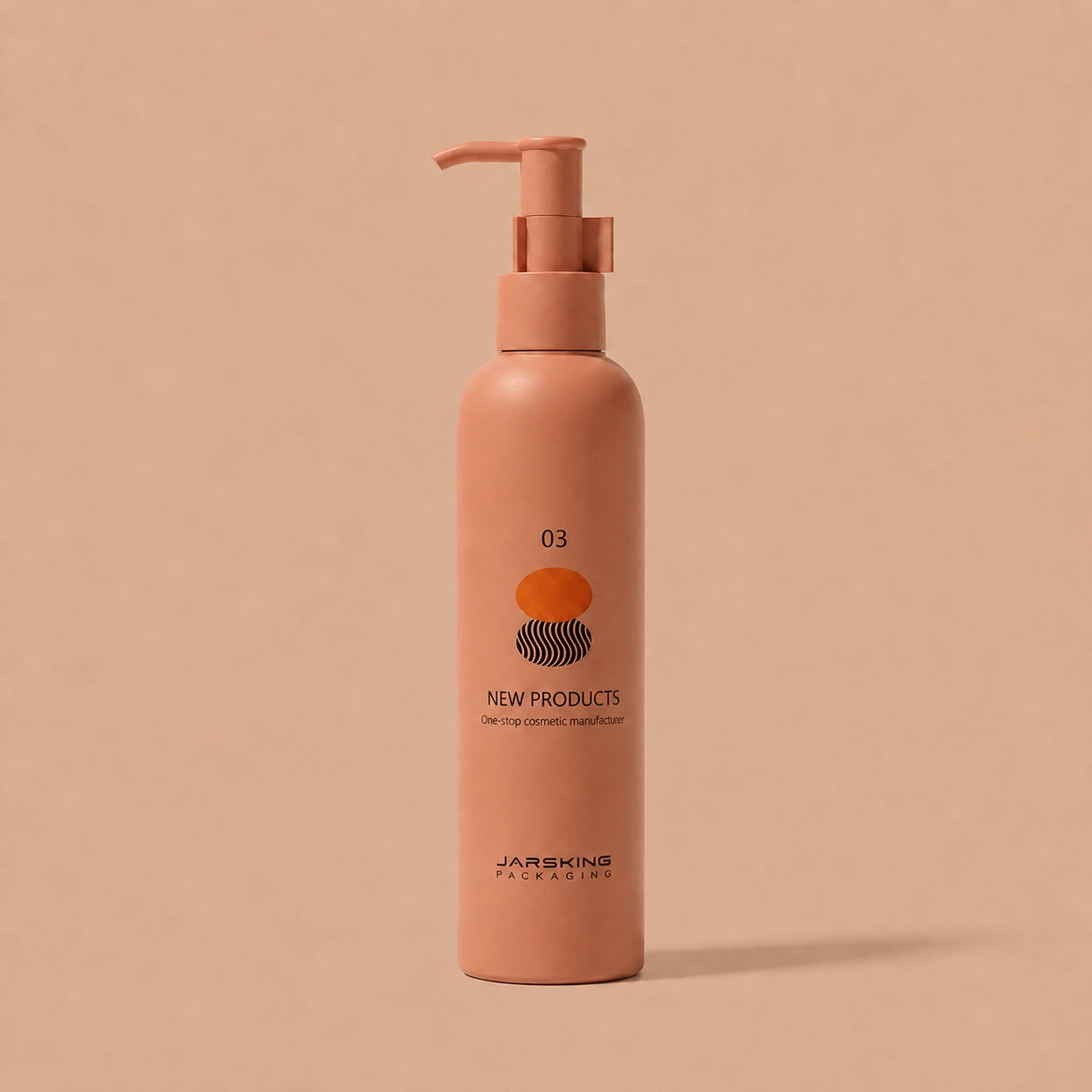
Pump Toner Bottles
Pump systems deliver a controlled amount of product without repeatedly opening or tilting the bottle.
Key benefits:
• Cleaner application
• Stable dosage
• Convenient one-handed use
• Reduced contact with the bottle opening
Recommended for: Hydrating toners, Essence toners, Milky toners, Lightweight emulsions
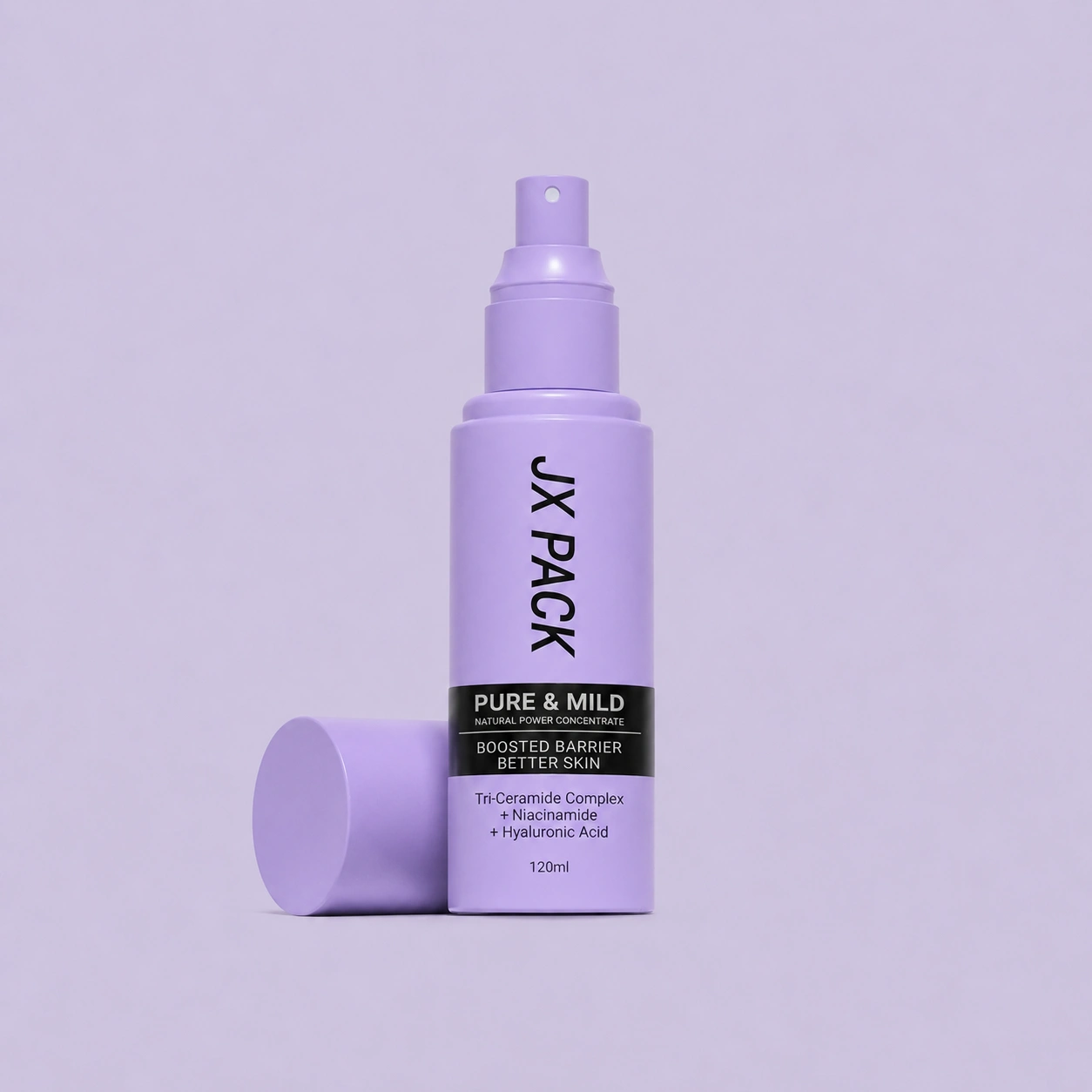
Fine Mist Toner Bottles
Fine mist sprayers distribute toner evenly across the face, creating a refreshing and convenient application experience.
Key benefits:
• Wide and even coverage
• Fine, comfortable spray pattern
• Direct-to-face application
• Suitable for travel and daily refreshment
Recommended for: Facial mists, Soothing toners, After-sun sprays, Setting and refreshing sprays
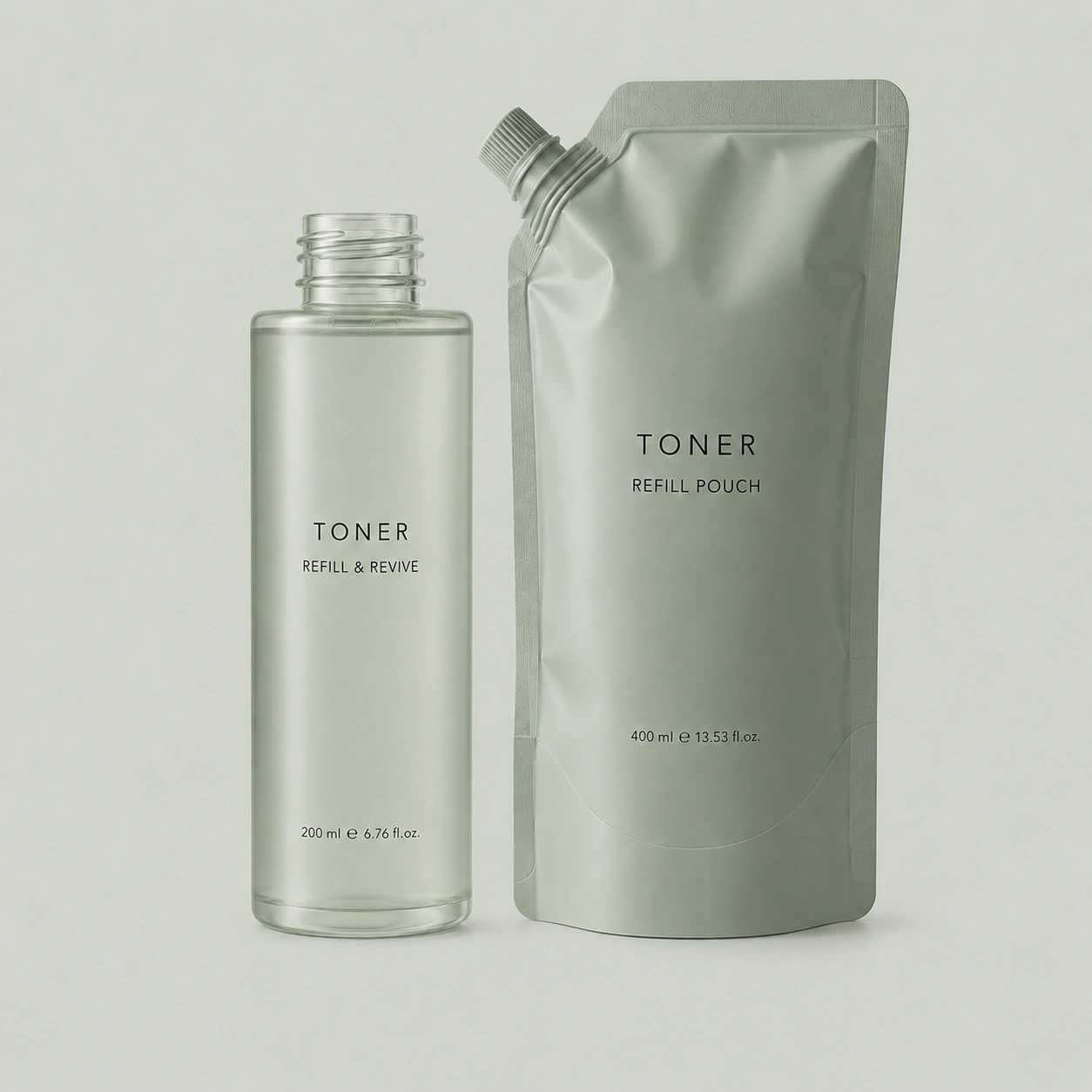
Refillable Toner Bottles
Refill-compatible bottles feature removable closures or pumps that make repeated filling easier.
Key benefits:
• Supports packaging reuse
• Reduces primary packaging consumption
• Creates a long-term brand experience
• Can be paired with refill pouches or bottles
Recommended for: Refillable skincare lines, Sustainable beauty brands, Premium reusable packaging
Cap & Closure Options for Toner Bottles
“The choice of closure system directly affects product integrity, user experience, and perceived brand value. Below is a detailed comparison of each cap type, including key features and recommended applications:”
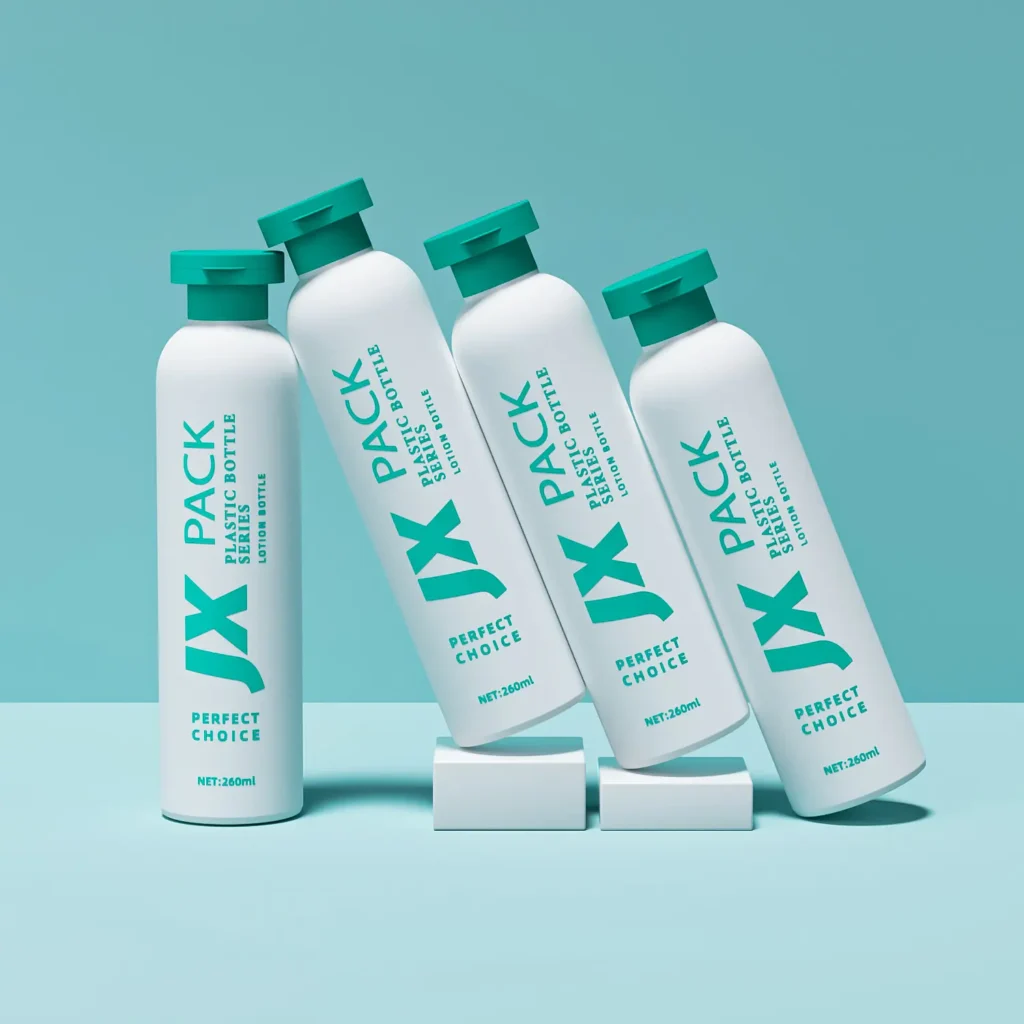
• Lightweight and Economical: Designed for mass production, these caps offer a balance of functionality and affordability—perfect for cost-sensitive projects without sacrificing usability.
• Material Options: Commonly made from polypropylene (PP) or polyethylene (PE), ensuring durability, chemical resistance, and recyclability.
• Enhanced Seal Protection: Available with plug-seals or inner liners to improve leak resistance and product preservation, especially useful for travel-friendly or active formulations.
Applications:
Common in daily-use toners, travel-size bottles, or affordable skincare ranges
Popular for drugstore skincare brands, K-beauty products, and mass-market items
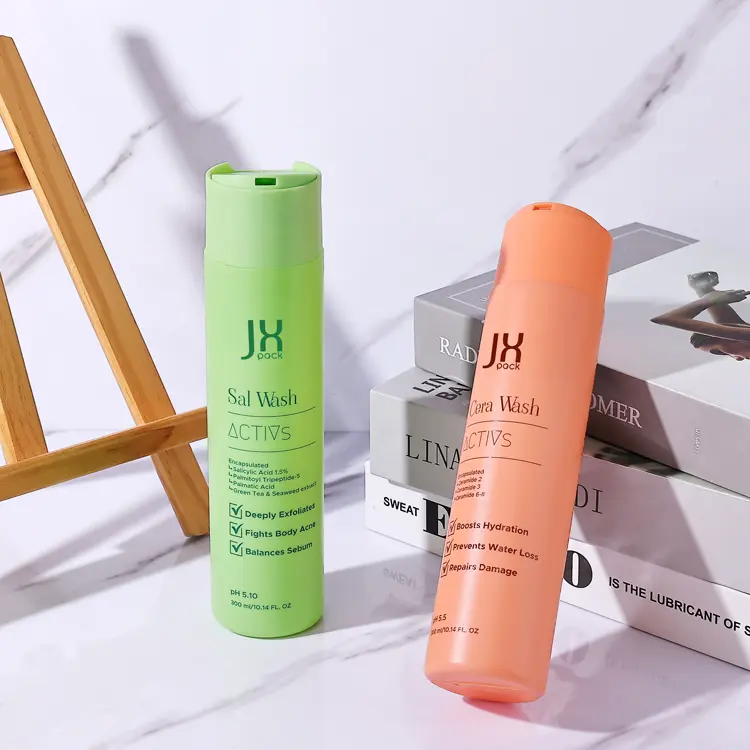
• Precision Dispensing Design: Equipped with a small, pressable disc that opens a central or offset orifice, allowing for clean, controlled product release.
• Moderate Flow Control: Offers better precision and reduced mess compared to flip-top caps, making it ideal for liquid toners with active ingredients.
• Premium Finishing Options: Manufactured from polypropylene (PP) and available in UV-coated, matte, or gloss finishes to align with your brand aesthetics.
Applications:
Suitable for exfoliating toners, liquid BHA/AHA formulas, or toners with astringent properties
Often seen in clinical skincare, organic brands, and men’s grooming lines
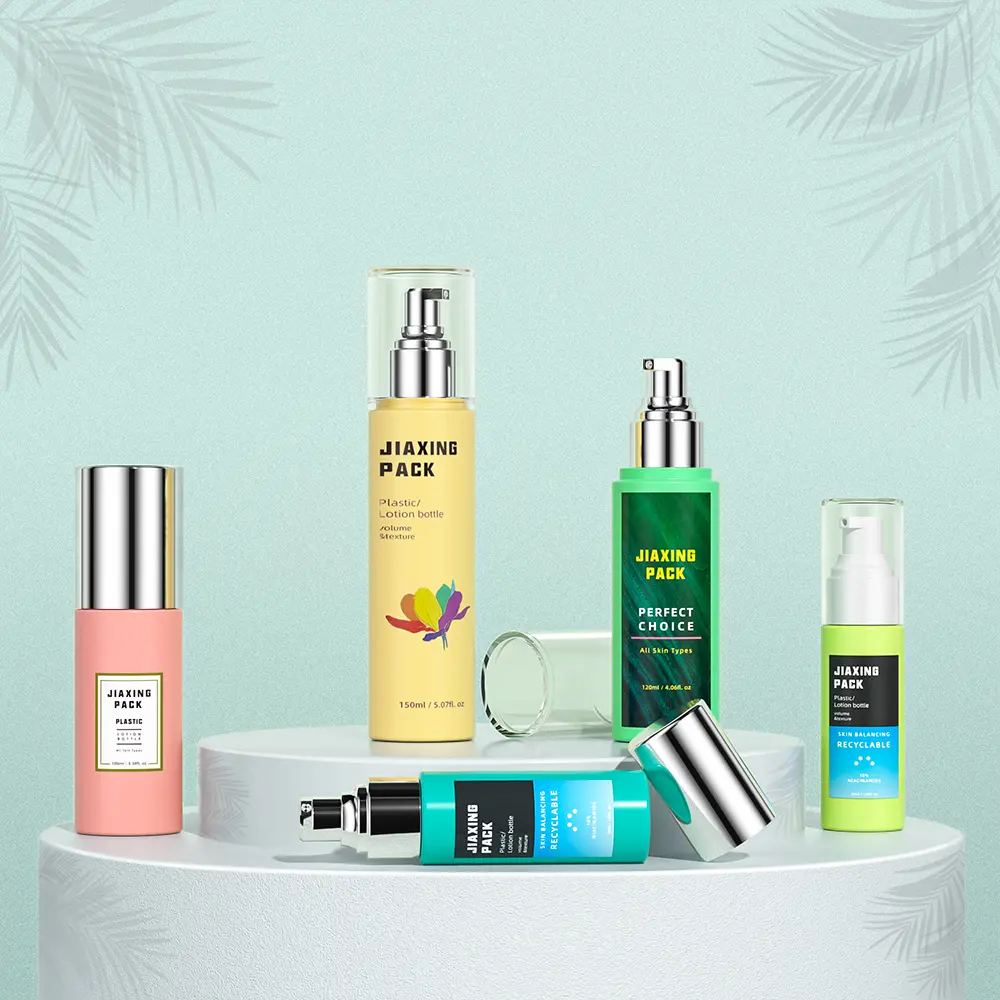
• Controlled Dispensing: Delivers a precise, mess-free dose with each press, enhancing hygiene and minimizing product waste—ideal for high-viscosity or treatment formulas.
• Versatile Material Options: Constructed from durable materials such as PP, ABS, or upgraded with metal over-shells for a more luxurious appearance.
• Wide Compatibility: Designed to fit standard screw-neck glass and plastic bottles, making it easy to integrate into existing packaging lines.
Applications:
Ideal for gel-based toners, viscous essences, or multi-phase tonics
Frequently used in premium skincare lines, dermatology brands, and high-end cosmetic clinics
• Secure Threaded Seal: The threaded interior ensures a tight, leak-resistant closure, providing reliable protection during transport and storage.
• Universal Fit: Compatible with a wide range of standardized bottle neck sizes, offering flexibility across different toner bottle formats.
• Finish Variety: Available in plastic, glass, or sustainable bamboo to match diverse brand aesthetics—from minimal to eco-luxury.
Applications:
Ideal for refillable toner systems, minimalist skincare lines, and low-waste packaging concepts
Frequently used in eco-conscious beauty, DIY skincare kits, and bulk packaging
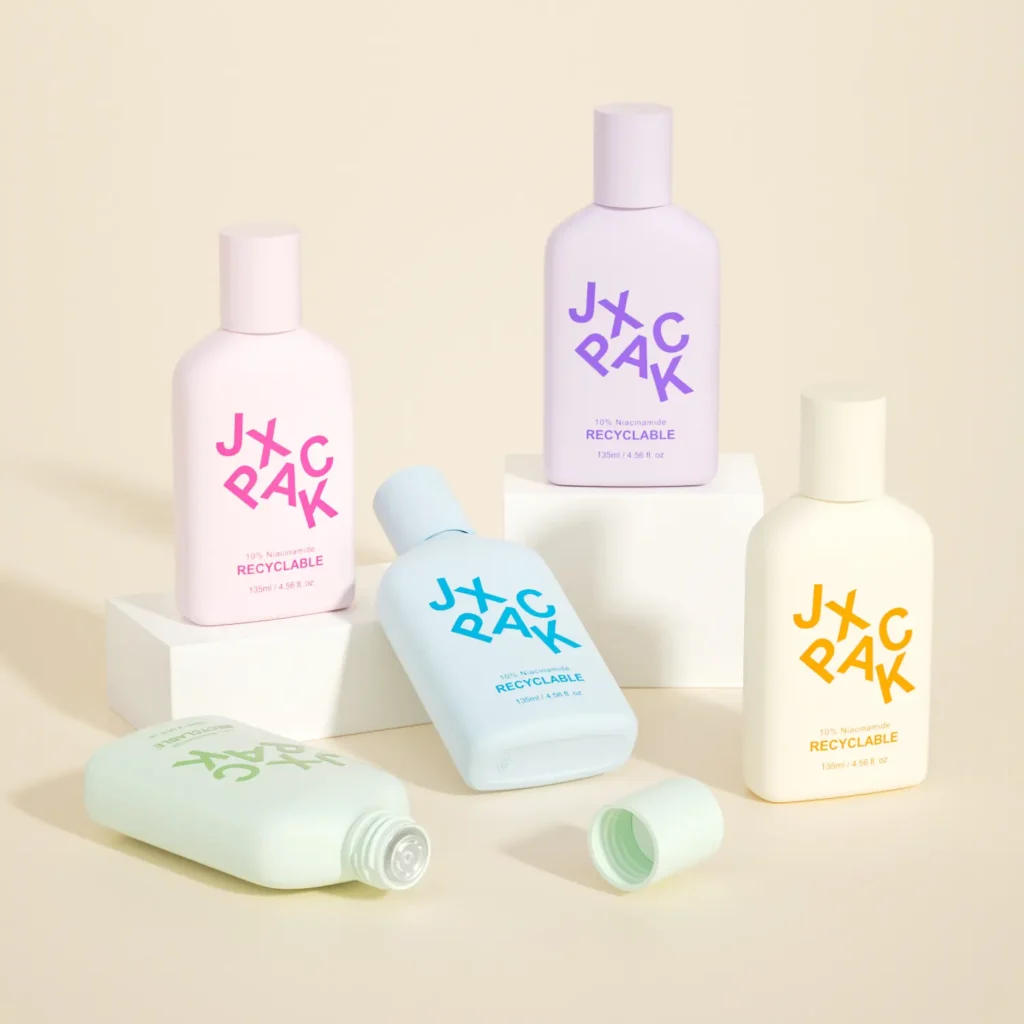
• Fine Mist Dispersion: Features an atomizer mechanism that delivers a consistent, drip-free spray, ideal for refreshing or hydrating toner applications.
• Flexible Spray Options: Offered in various formats including continuous mist, short burst, and press-and-release designs, customizable based on formula and user experience.
• Stylish Material Choices: Crafted from PP, aluminum, or finished with metalized outer shells to elevate packaging aesthetics and align with premium branding.
Applications:
Best for hydrating facial toners, mist-type essences, or cooling sprays
Common in luxury spa brands, natural skincare lines, and on-the-go facial refreshers
Toner Bottle Materials for Different Brand Needs
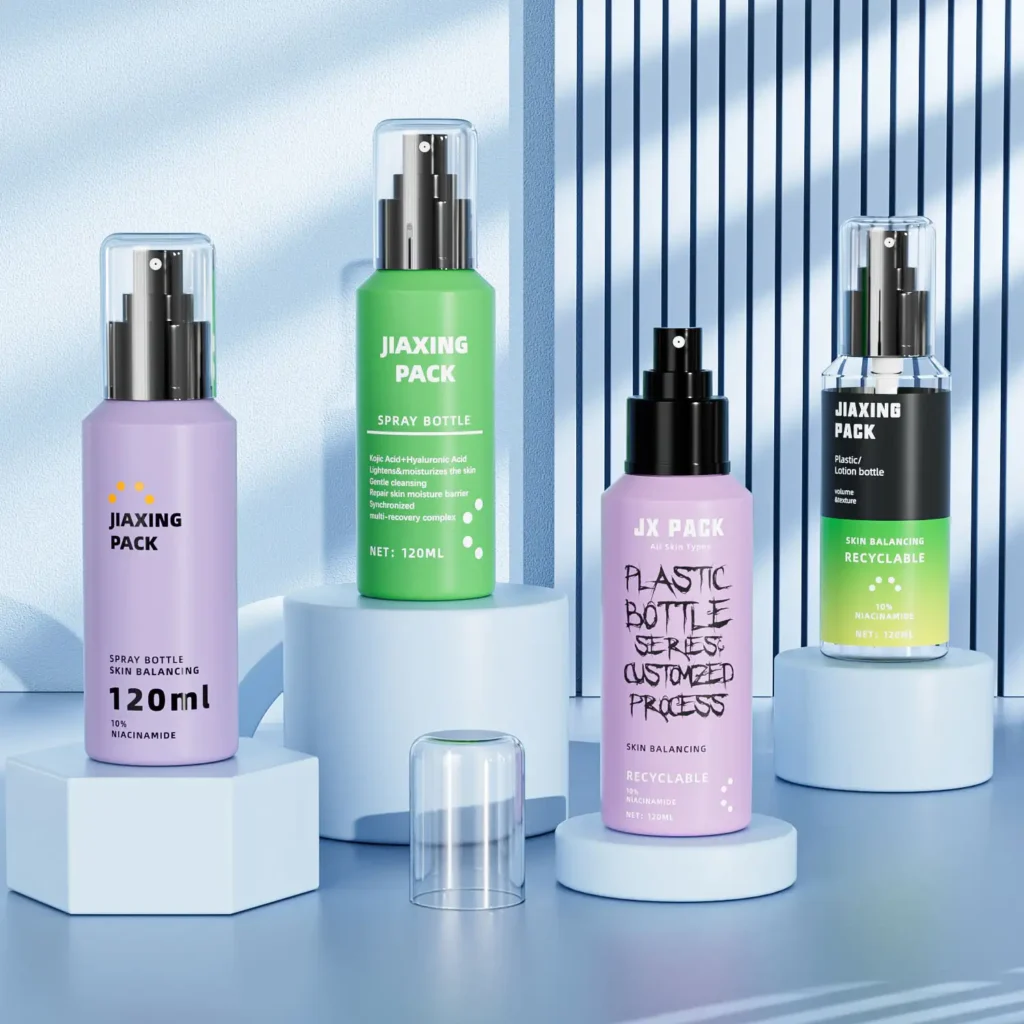
“Material selection should consider appearance, formula compatibility, durability, transportation, weight, cost, and sustainability goals.”
| Material | Main Characteristics | Recommended Positioning |
|---|---|---|
| Glass | Premium weight, excellent clarity, strong chemical resistance | Prestige and luxury skincare |
| PET | Lightweight, impact-resistant, and suitable for e-commerce delivery | Mass-market and large-capacity skincare |
| PETG | High transparency with a refined appearance | Premium plastic packaging |
| PP | Durable and suitable for simplified or mono-material structures | Functional and sustainable skincare |
| PCR Plastic | Reduces the use of virgin plastic | Eco-conscious beauty brands |
| Colored Glass or PET | Helps reduce light exposure while supporting brand differentiation | Botanical, acidic, or light-sensitive formulas |
For Cosmetic Toner Brands
Professional Advice
Each toner formula contains active ingredients with unique chemical and stability properties. Choosing the correct packaging material is essential to preserve effectiveness, ensure safety, and maintain product shelf life. Below is a breakdown of optimal materials based on functional toner categories:
Moisturizing Toner Packaging – Gentle, Hydration-Focused Designs
Packaging Recommendations:
Dark Glass (Amber/Brown): Offers excellent UV protection and moisture barrier to prevent ingredient degradation.
PET with UV Inhibitors: Lightweight, shatterproof alternative to glass; UV additives extend ingredient shelf life.Why: Moisturizing ingredients are sensitive to oxidation and water evaporation. UV-blocking materials maintain formula integrity while preventing active loss.
Oil-Control Toner Packaging – Sleek and Matte for Oily Skin Solutions
Packaging Recommendations:
Opaque HDPE or PP: High resistance to salicylic acid and other reactive compounds, with built-in light-blocking properties.
Dark Glass (e.g., Green or Brown): Naturally protects against light and chemical breakdown, ideal for premium lines.Why: Salicylic acid is photosensitive and prone to decomposition. Opaque materials ensure long-term stability and prevent early oxidation.
Astringent Toner Packaging – Clinical and Pore-Focused Appeal
Packaging Recommendations:
PETG or PP: Excellent alcohol resistance; PETG offers durability and visual clarity with better chemical resilience than standard PET.
Vacuum-Compatible PET: Ensures no alcohol vapor loss during storage or transit.Why: Alcohol is highly volatile and can degrade certain plastics. Using alcohol-resistant materials prevents leakage, pressure buildup, and container distortion.
Soothing Toner Packaging – Calm, Comforting Visuals and Materials
Packaging Recommendations:
Light-Proof PET: Frosted or pigmented PET reduces UV exposure while offering a soft aesthetic.
Semi-Opaque Glass: Combines a premium feel with protection against light-induced degradation.Why: Soothing botanical extracts are vulnerable to light and heat. Gentle yet protective materials preserve the calming properties of the formula.
Whitening Toner Packaging – Radiant, Clean Aesthetic for Brightening
Packaging Recommendations:
Brown Glass: Offers superior protection from UV and oxygen exposure, ideal for oxidation-prone actives.
Multi-layer Plastic (Co-extruded barrier packaging): Prevents air and light penetration for longer product stability.Why: Whitening actives like vitamin C are highly unstable and degrade quickly under light and air. High-barrier materials are essential for efficacy retention.
Anti-Wrinkle Toner Packaging – Premium, Elegant Designs for Mature Skin
Packaging Recommendations:
PETG or High-Quality Glass: Chemically inert and visually clear, these materials showcase product while offering protection from external contaminants.
Airless PP or PET Bottles: Prevent air contact during use to maintain formula stability and hygiene.Why: Peptides and proteins degrade when exposed to oxygen or bacteria. Airtight, contaminant-resistant materials are required to protect potency and texture.
Toner Bottle Sourcing FAQ
Why does my toner bottle leak even though the cap seems tight?
The most common cause is a thread-tolerance mismatch between the bottle and the closure, especially when they’re sourced from different vendors. This is often invisible on inspection and only shows up after the bottle has been sealed and shipped. A pressure-decay or vacuum-decay leak test catches this before mass production; a manual squeeze test does not.
What size toner bottle should I use for a travel or hotel amenity line?
Travel and hotel amenity formats typically run 15–50 mL with a screw cap and inner seal in HDPE, prioritizing leak resistance and TSA compliance over dispensing precision. These dimensions are reference ranges — actual production specs are confirmed against technical drawings before your order is tooled.
What's the difference between a fine mist sprayer and a lotion pump for a toner?
A fine mist sprayer atomizes the liquid into a spray pattern and delivers 0.08–0.20 mL per stroke, which works well for thin, water-based toners applied directly to skin. A lotion pump delivers a fixed, slightly larger dose without atomizing it, which is the better choice for thicker or more viscous toner formulas, including essence-toner hybrids, where a sprayer would clog or spray unevenly.
Is glass or plastic better for a toner with vitamin C or fermented ingredients?
Glass offers a true zero-permeability barrier, which protects oxygen-sensitive actives like vitamin C derivatives and fermentation-based ingredients better than any plastic resin. The tradeoff is weight, breakage risk, and higher landed cost, so it tends to make more sense for premium or clinical-tier lines than for mass-market SKUs.
What dispenser mechanisms work best for liquid toners vs. viscous essences?
Water-thin liquid toners perform best with fine-mist sprayers or narrow orifice reducers to control flow rate and prevent splash.
High-viscosity essence waters and treatment lotions pair ideal with treatment pumps, disc-top caps, or glass dropper assemblies for smooth, consistent output.
Do I need a different bottle for a toner sold in humid, tropical export markets versus temperate markets?
Not usually a different bottle, but you should ask your supplier whether their stability data includes tropical zone conditions. Standard accelerated aging protocols run at 40–45°C and 75% relative humidity, which approximates hot, humid storage and transit conditions reasonably well, but real-time verification at ambient tropical conditions (closer to 30°C, 75%+ humidity) gives more confidence if a meaningful share of your volume ships to Southeast Asia, the Middle East, or similar markets .