CUSTOM COSMETIC TUBES
Custom Cosmetic Tubes
Manufacturer for Skincare, Haircare & Body Care
“A cosmetic tube does four jobs at once: it protects the formula, controls the dose, communicates the brand, and survives the supply chain. Most sourcing mistakes happen when buyers optimize for one of those four and ignore the other three.”
If you are:
– Launching your first SKU and not ready to commit to custom tooling yet.
– Scaling an existing line but your current supplier can’t hold color consistency across batches.
– Reformulating and your current PE tube is delaminating at the shoulder seam.
– Entering the EU market and need documented PPWR compliance.
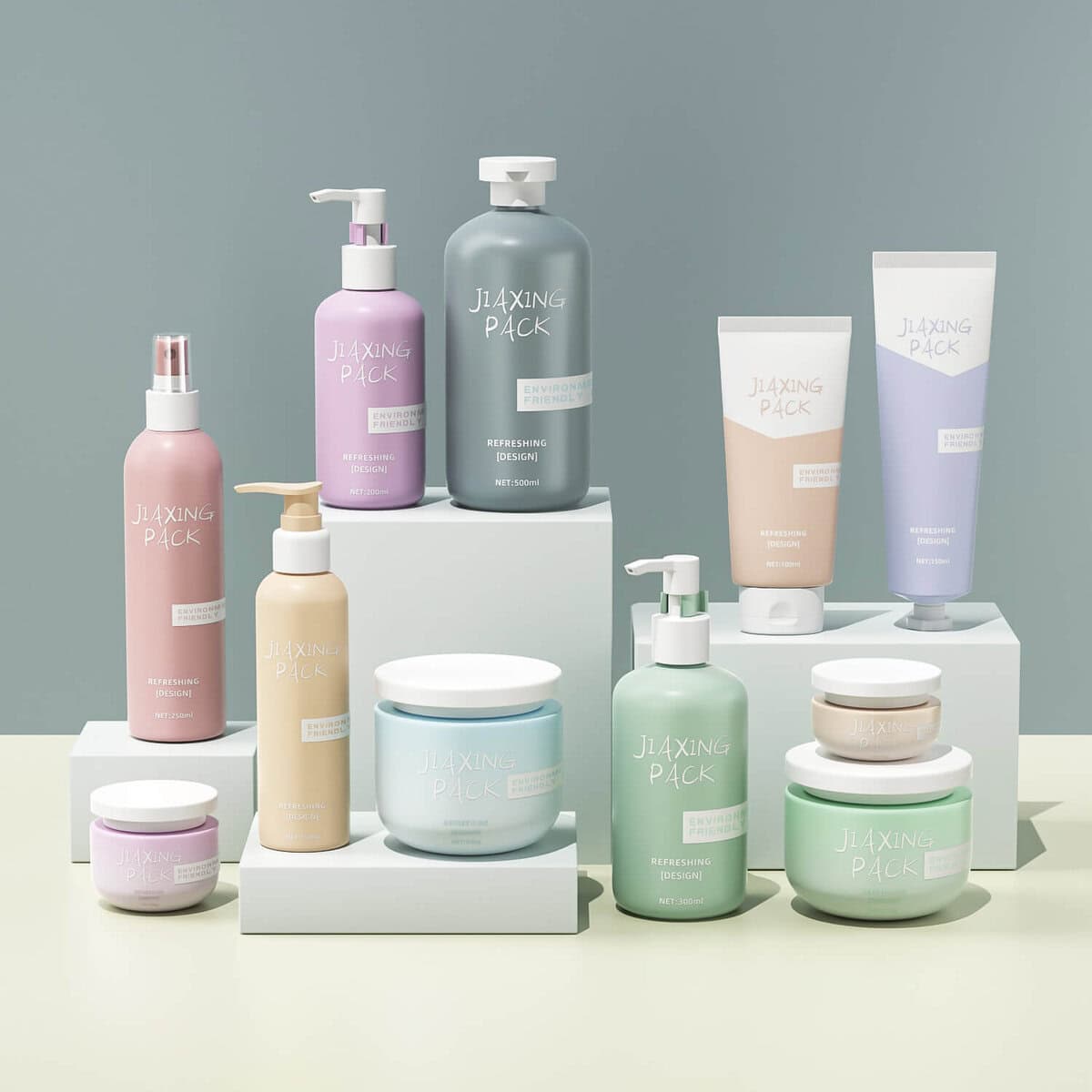
Explore Our Extensive Range of Cosmetic Tubes
“Discover the perfect packaging solution for your beauty and personal care products with Othilapak’s diverse range of cosmetic tubes. Each tube type is thoughtfully designed to meet specific application needs, enhance user experience, and elevate your brand’s presentation. Explore our selection to find the ideal match for your next product launch.”
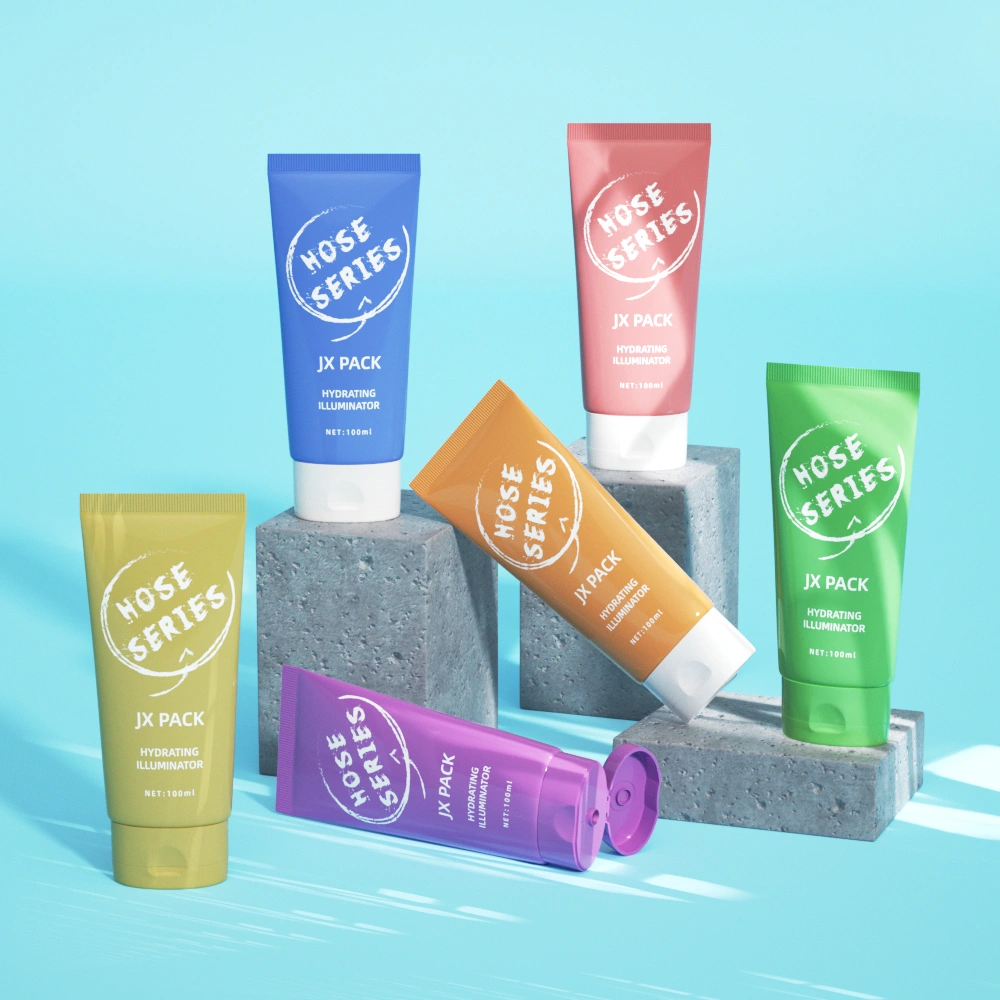
Flip-top Cosmetic Tube
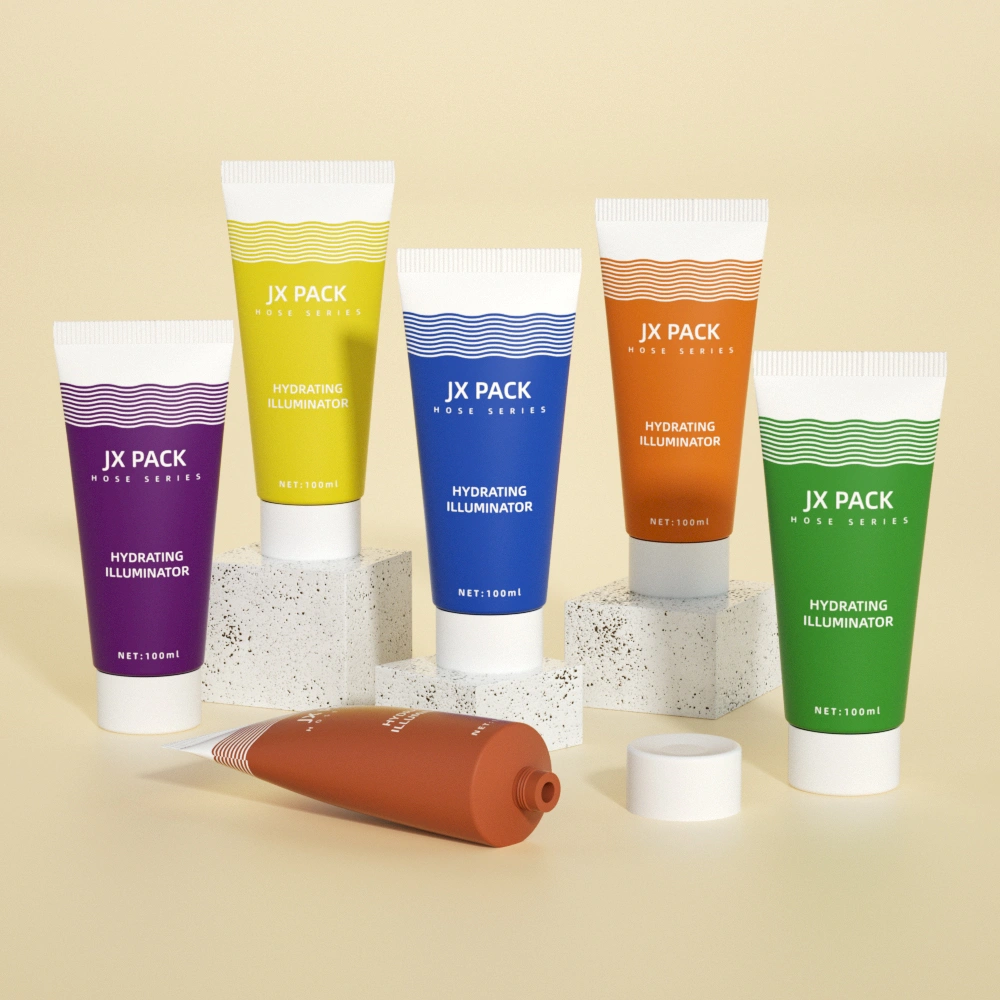
Screw-top Cosmetic Tube
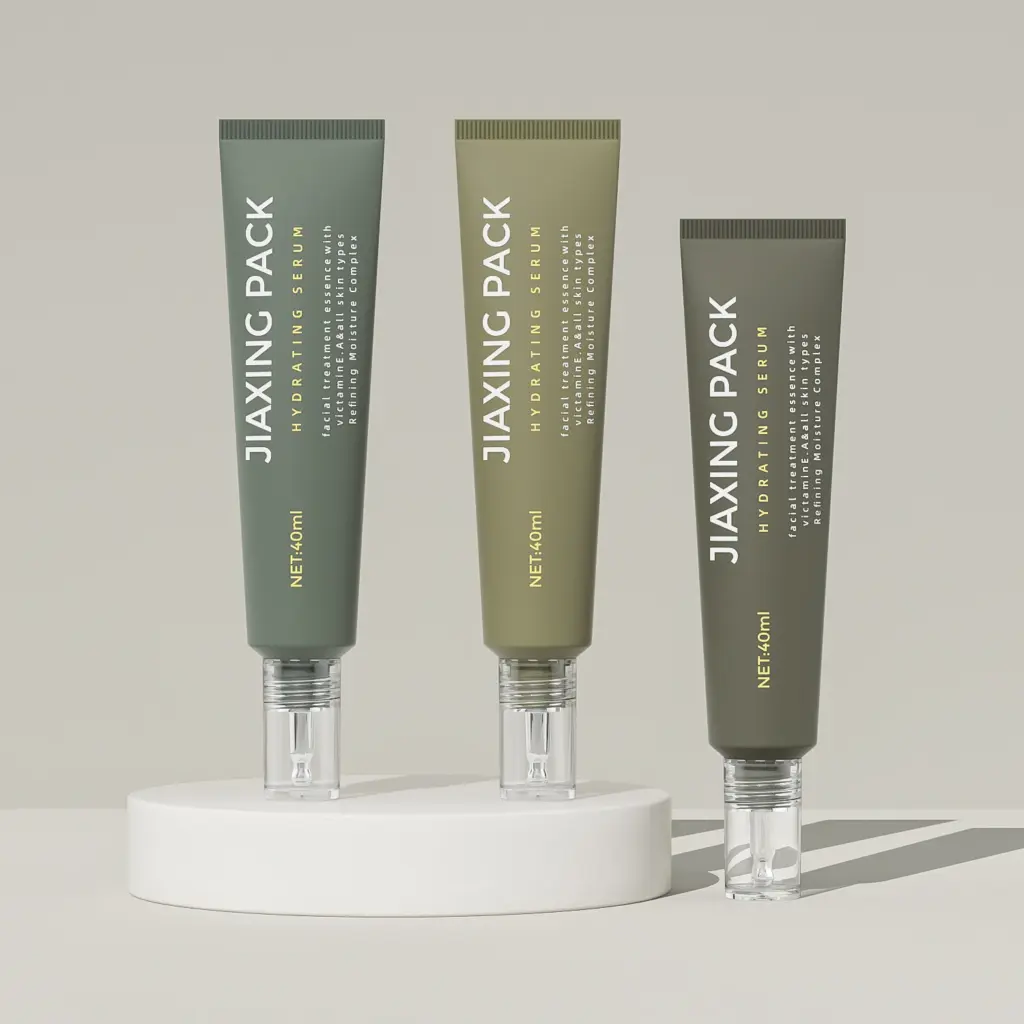
Cosmetic Tube with Lid
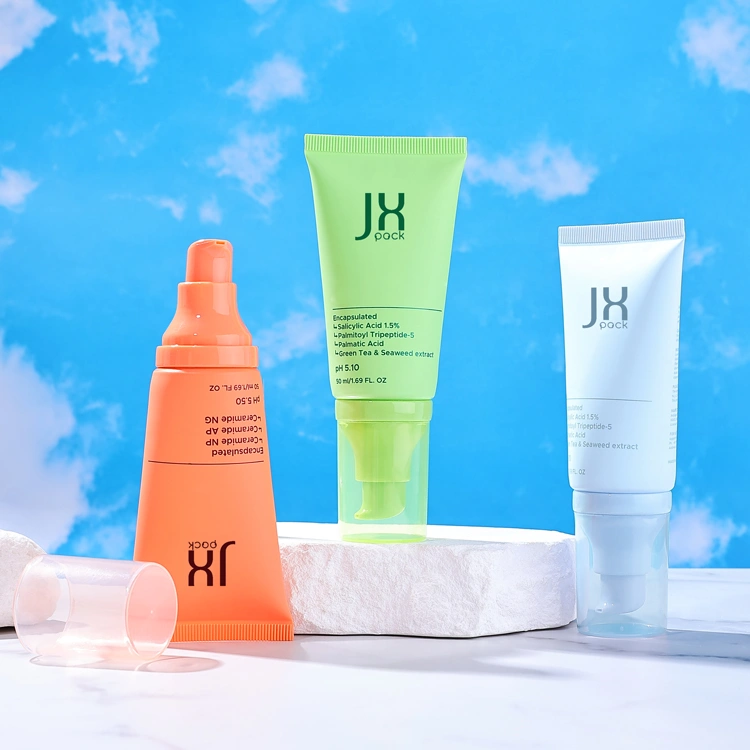
Vacuum Pump Cosmetic Tube
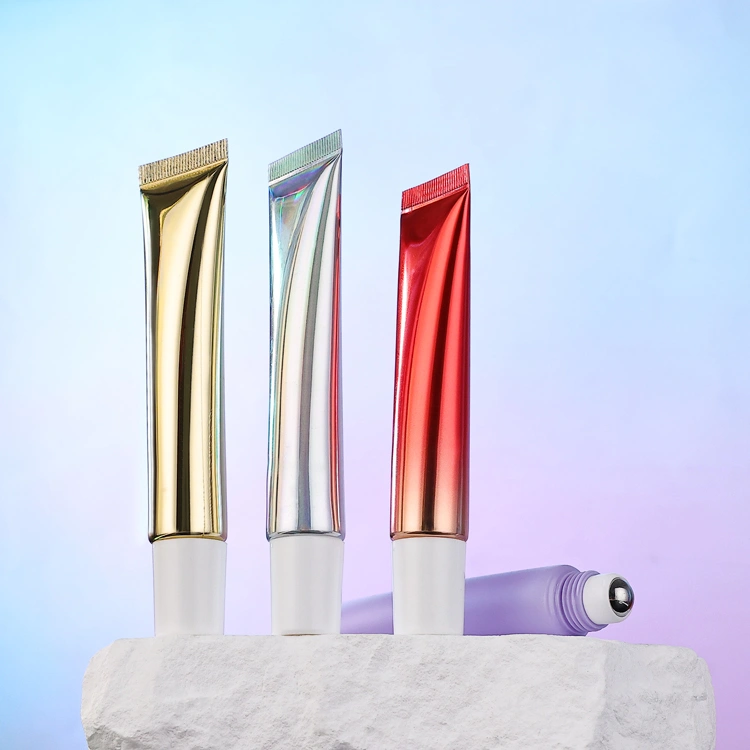
Ball Cosmetic Tube
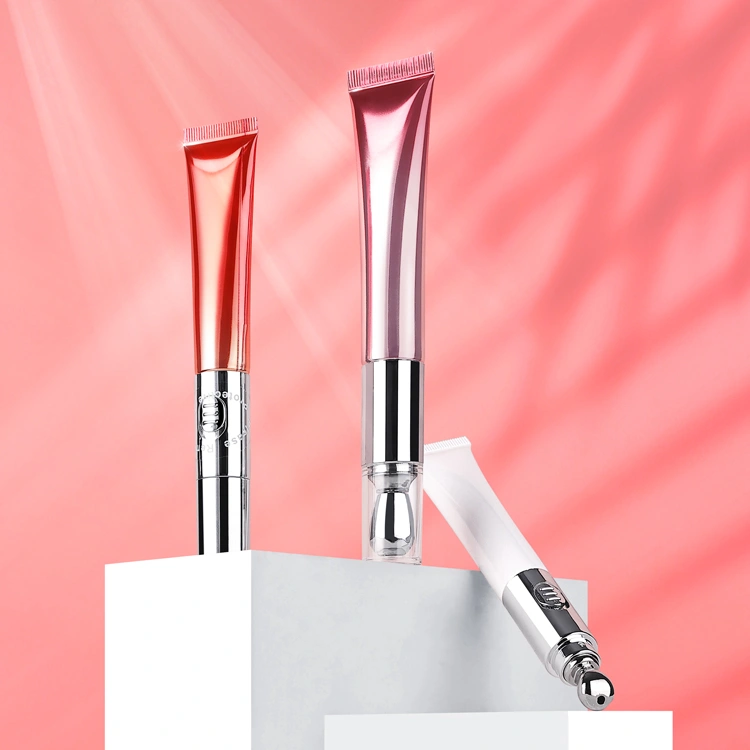
Electric Massage Cosmetic Tube
Innovative & Sustainable Tube Materials
“We offer a thoughtfully curated selection of tube materials—each chosen for its unique benefits, aesthetic appeal, and alignment with the latest trends in beauty and sustainability. Explore our range to discover how Othilapak can help you achieve the perfect balance of performance, beauty, and sustainability in every tube.”
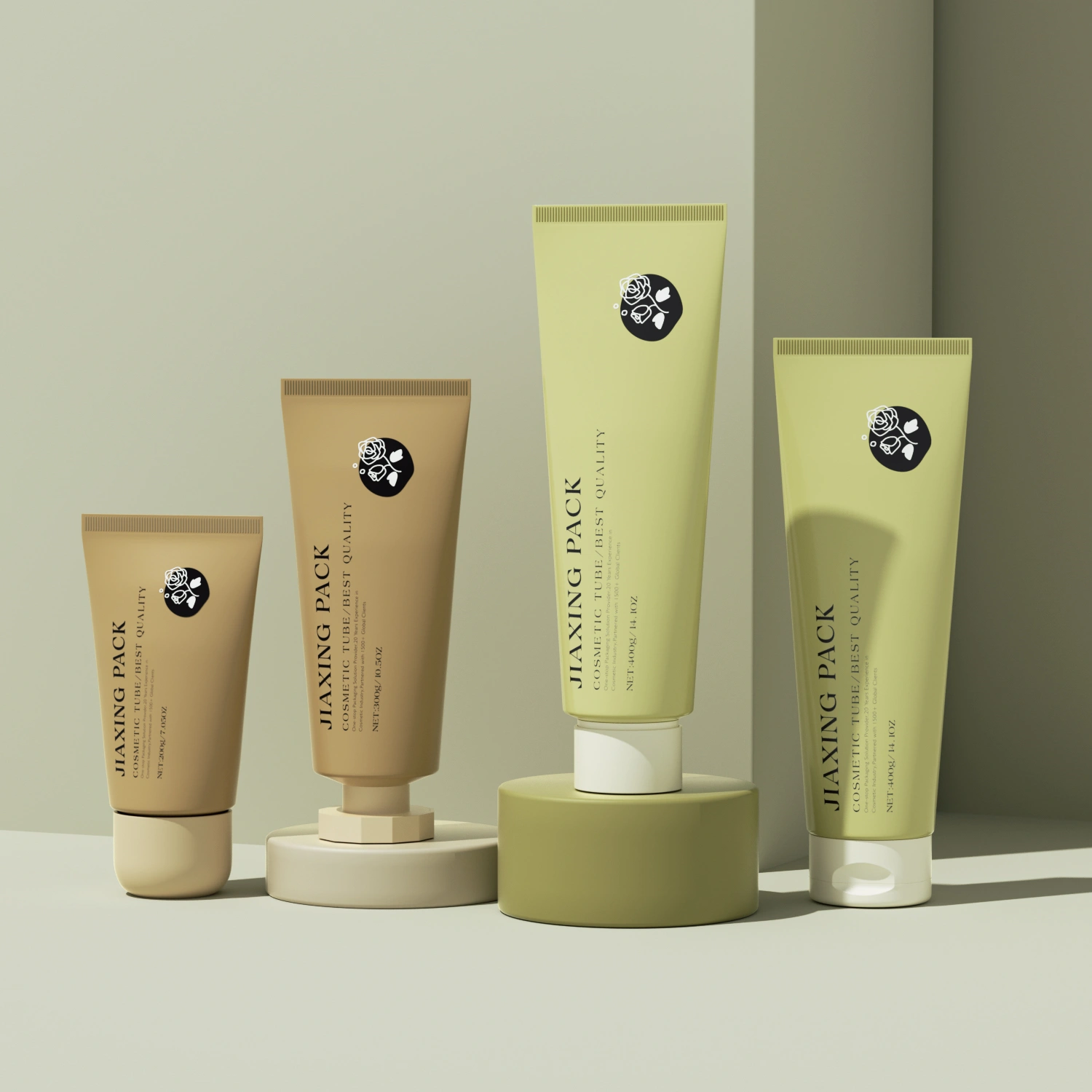
PE (Polyethylene)
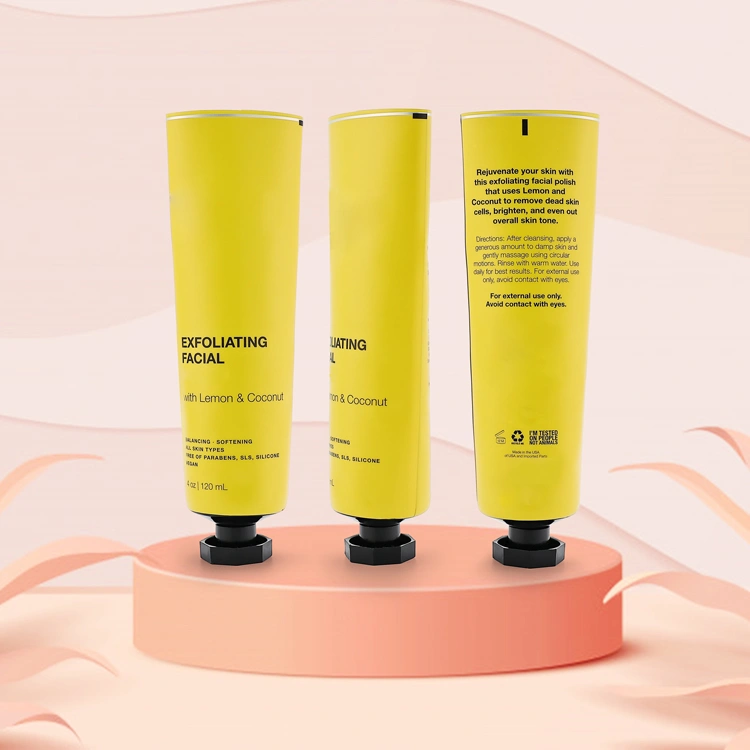
ABL (Aluminum Barrier Laminate)
ABL tubes combine layers of aluminum and plastic to deliver superior barrier protection against moisture, oxygen, and light. This structure preserves sensitive formulas and extends shelf life, making ABL tubes a preferred choice for high-end cosmetics and products requiring enhanced stability.
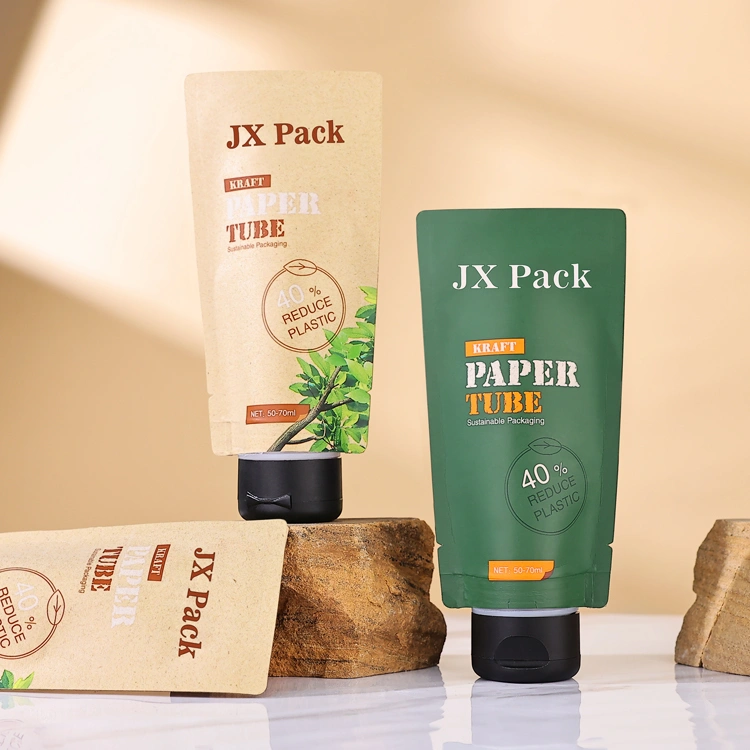
Plastic + Paper
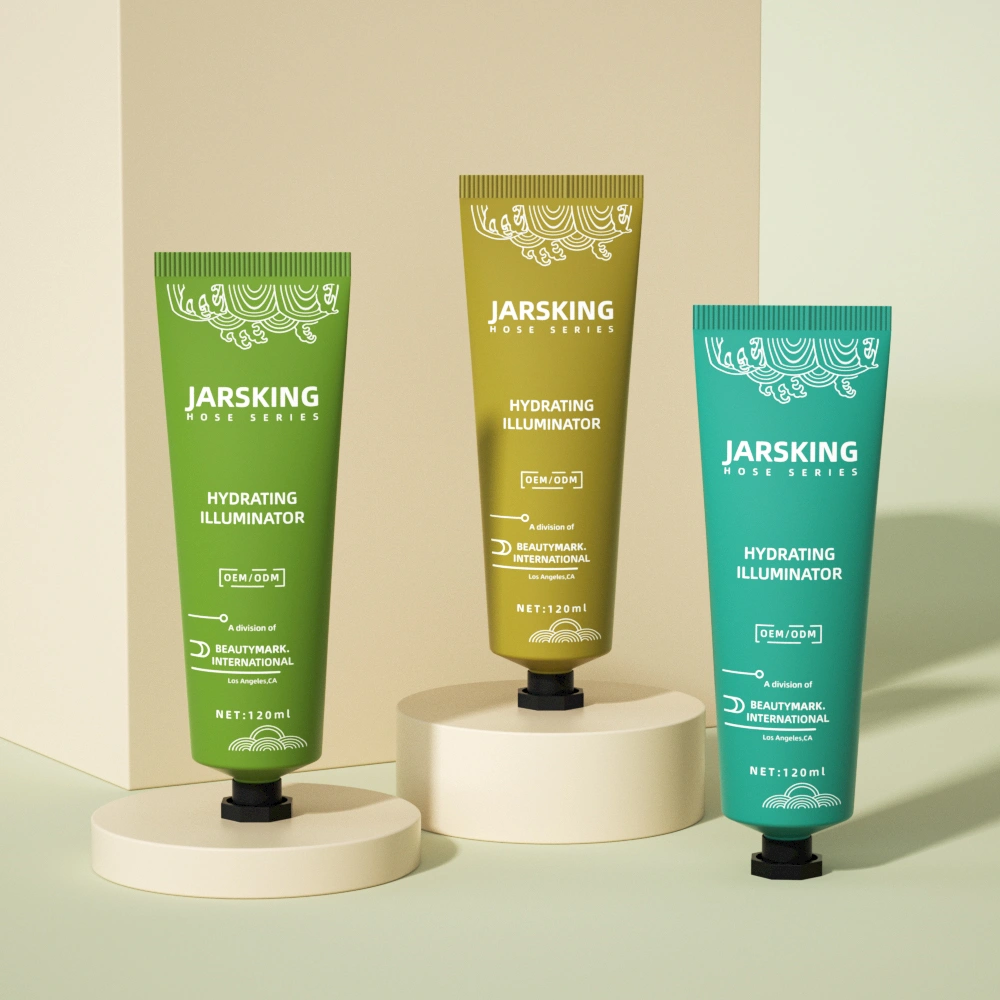
PCR (Post-Consumer Recycled)
Using PCR cosmetic tubes helps decrease reliance on virgin plastics, lowers carbon emissions, and supports a circular economy by keeping materials in use and out of landfills. By choosing PCR packaging, brands demonstrate a strong commitment to eco-friendly practices and meet the growing consumer demand for sustainable beauty products.
Choosing the Right Fill Volume for Your Channel
“The right tube size is determined by your channel, your consumer use pattern, and your price architecture.”
| Format | Volume Range | Approx. Diameter | Recommended Closure | Typical Channel |
|---|---|---|---|---|
| Travel / Sample | 5ml–30ml | 13–22mm | Screw cap, pointed tip | GWP, sampling, TSA carry-on |
| Individual Retail | 30ml–75ml | 22–32mm | Flip-top, disc-top | DTC, pharmacy, boutique retail |
| Standard Retail | 75ml–200ml | 32–45mm | Flip-top, screw cap | Mass market, salon, e-commerce |
| Professional / Salon | 200ml–500ml | 45–60mm | Pump tube, screw cap | B2B, salon supply, hospitality |
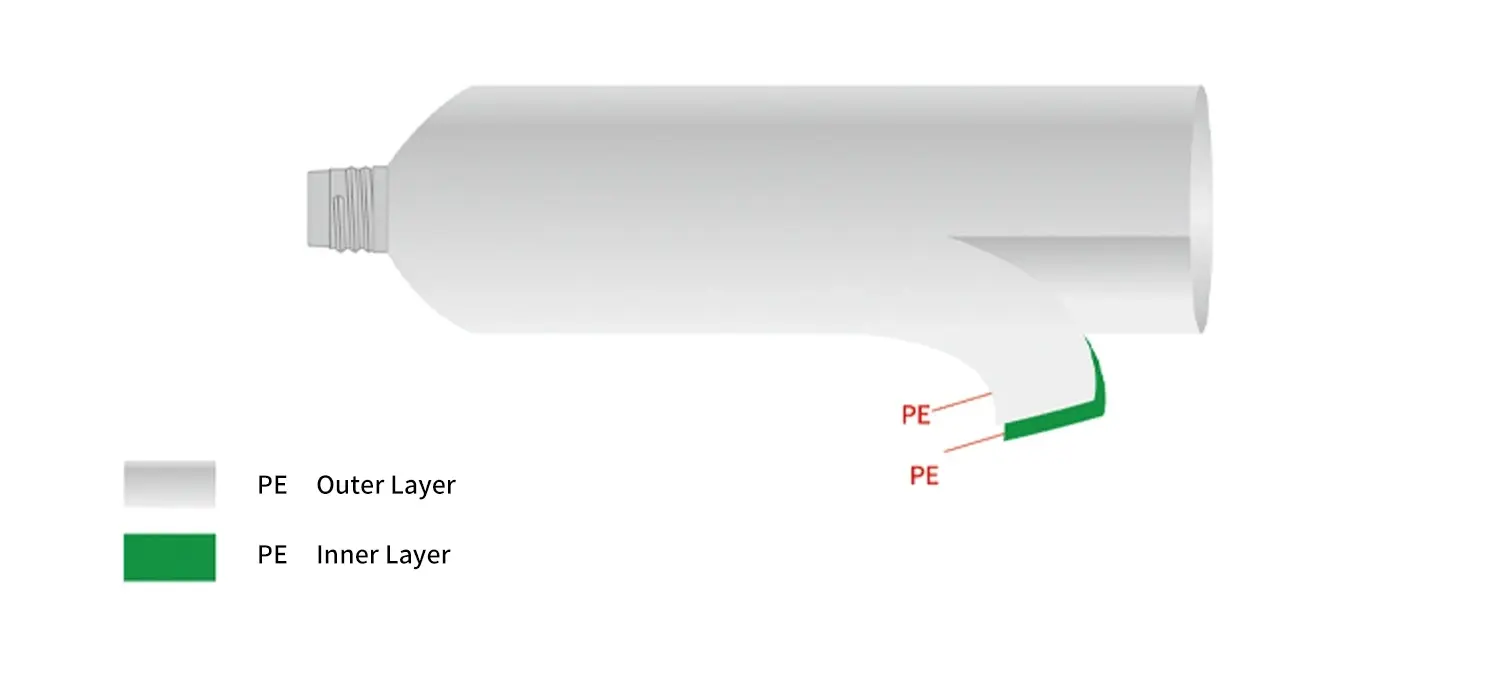
☛ PE (Polyethylene) Two-Layer Tube
Our standard PE tubes feature an inner and outer layer of polyethylene. This structure offers:
• Convenient use and soft touch: The tube is flexible and comfortable to squeeze, making it easy for consumers to dispense the product.
• Fine scalability and impact resistance: PE provides durability and resilience, protecting the product during transport and daily use.
• Exceptional chemical stability: The material resists reactions with most cosmetic ingredients.
• Ideal for everyday cosmetics: These tubes are perfect for cleansing creams, hand creams, facial masks, and similar products.
Note: Due to the limited gas barrier of PE, products containing dissolved aromatic compounds may be more susceptible to oxidation. For formulas sensitive to air, a higher-barrier solution is recommended.
Looking for Your Perfect Match? Which Tube Structure Fits Your Needs Best?
What Your Choice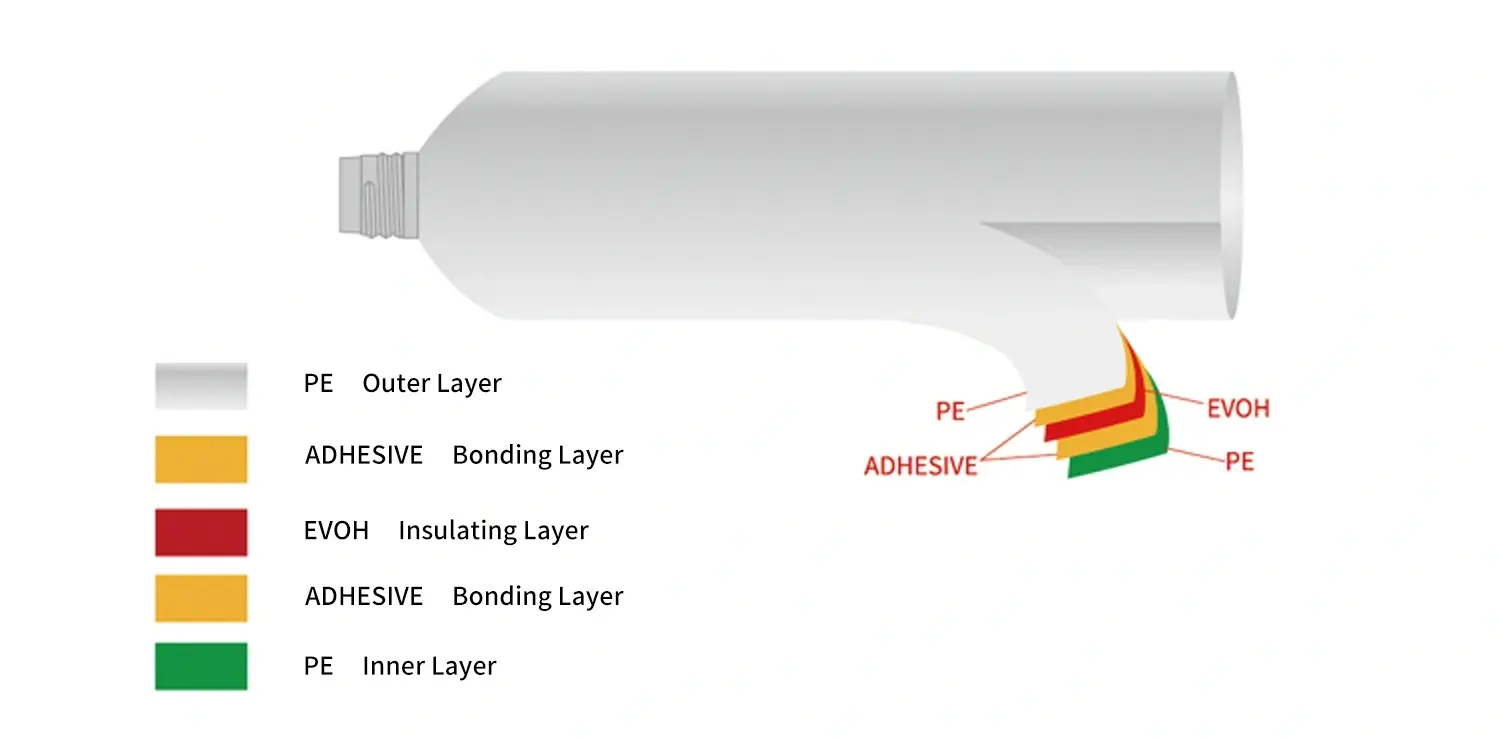
☛ Multi-Layer EVOH Barrier Tube
For products requiring enhanced protection, we offer multi-layer tubes incorporating an EVOH (Ethylene Vinyl Alcohol) barrier:
• Superior gas barrier: The EVOH layer, sandwiched between PE and adhesive layers, significantly reduces oxygen and gas penetration, preserving product freshness and stability.
• Prevents ingredient loss: This structure effectively stops dissolved aromatic compounds and other sensitive components from escaping or degrading.
• Robust and tough: The multi-layer design offers greater toughness and resistance, making it suitable for sun creams, hair creams, body lotions, ointments, and other functional or premium products.
Packaging Recommendations by Product Function
“The right tube construction follows the product’s job — not the other way around. “
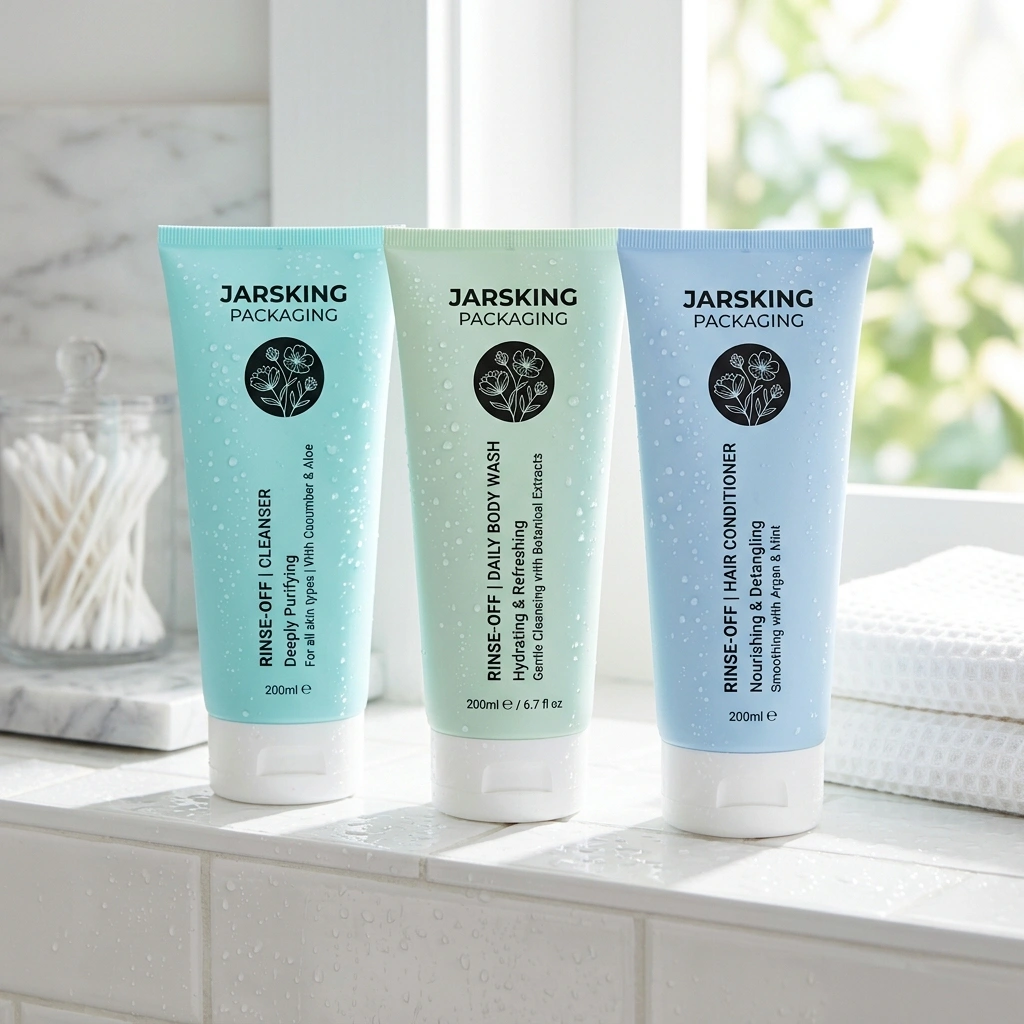
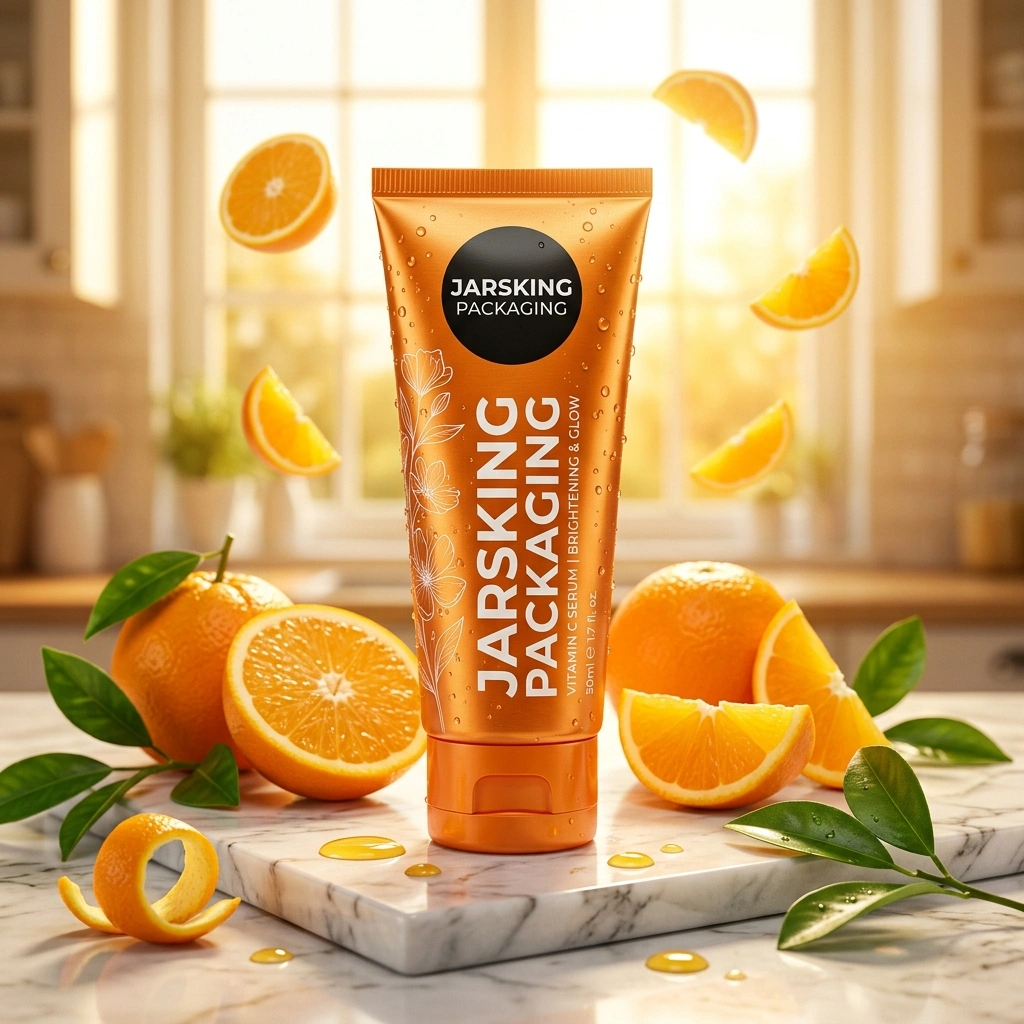
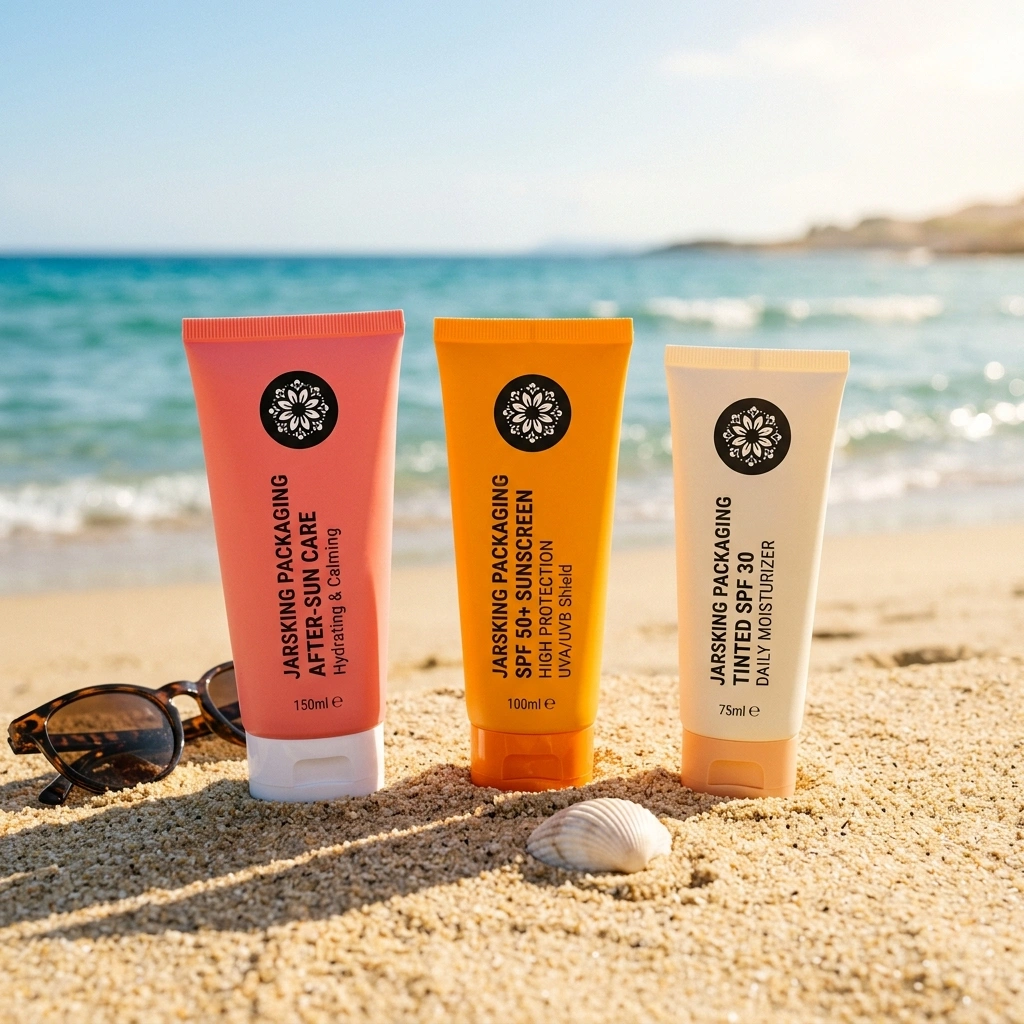
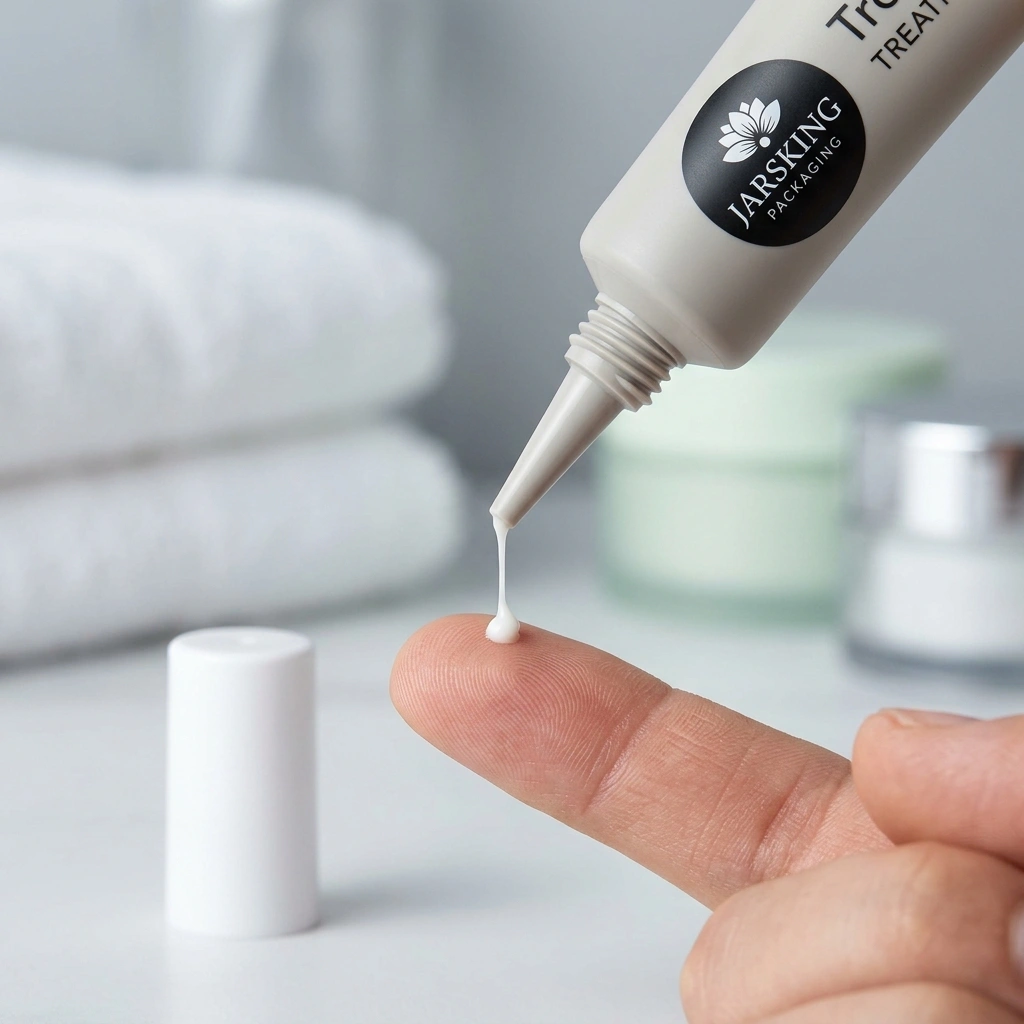
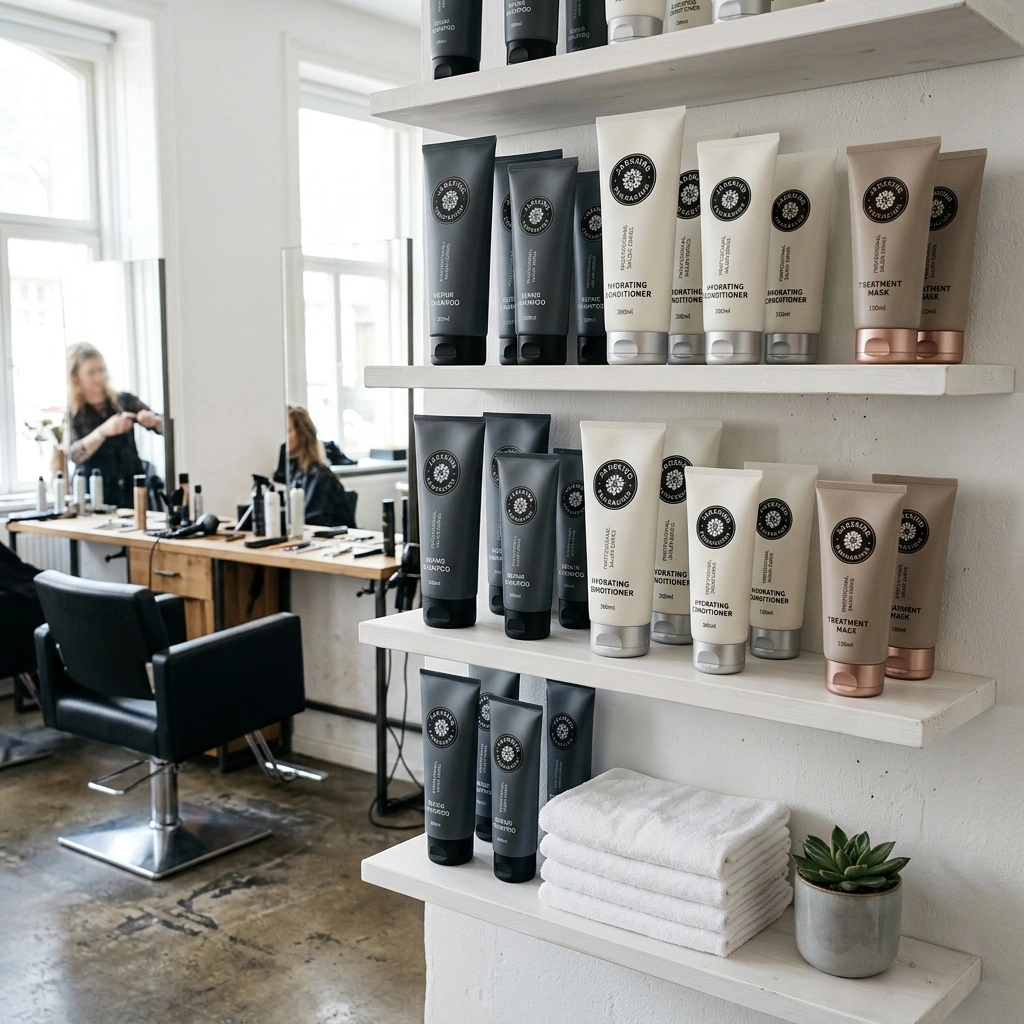
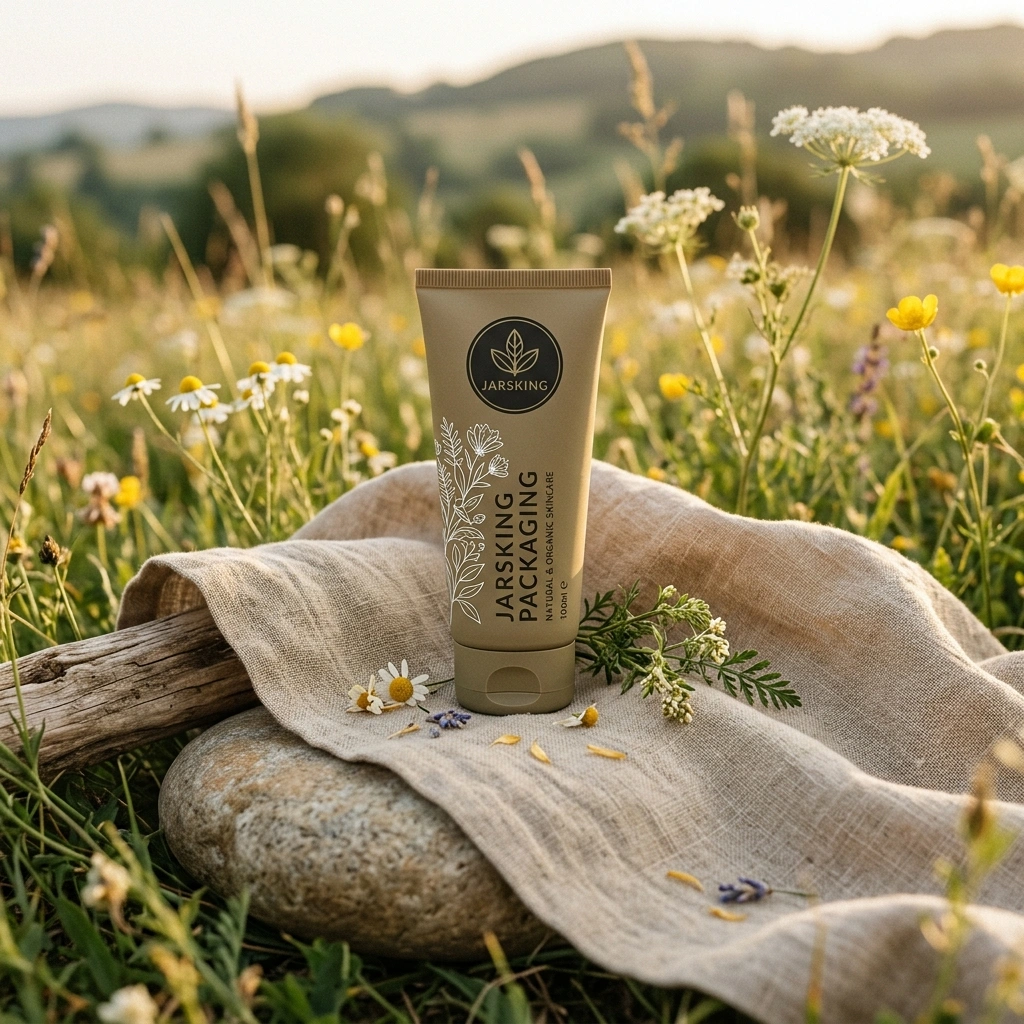
Why Choose Cosmetic Tubes?
“Cosmetic tubes have become a top choice for beauty and personal care brands—and for good reason. Here’s what makes them stand out”

Product Integrity
Tubes are expertly designed to shield your formulas from air, moisture, and contaminants, ensuring your products stay fresh and effective from the first use to the last.

Customization
Cosmetic tubes offer a wide range of shapes, sizes, and applicator types. This flexibility allows brands to tailor packaging to specific product needs and create a unique.

Brand Impact
The ample printable surface allows for bold, eye-catching designs and essential information, helping your product stand out on crowded shelves and reinforcing your brand identity.

Hygienic Dispensing
The controlled, mess-free application minimizes waste and prevents direct contact, making every use clean and convenient.

Portability
Lightweight and compact, cosmetic tubes are perfect for busy, on-the-go lifestyles, fitting easily into handbags, travel kits, or gym bags.

Sustainability
With options for recyclable and biodegradable materials, tubes help brands meet eco-friendly goals and appeal to environmentally conscious consumers.
Common Questions from Brand Owners Sourcing Cosmetic Tubes
Why won’t my cosmetic tube dispense product?
If your cosmetic tube isn’t dispensing, it’s often due to a clogged nozzle or dried product at the opening. Try removing the cap and rinsing the nozzle under warm water to dissolve any blockage. For stubborn clogs, carefully use a sterilized pin to clear the opening.
Why does the cosmetic tube become difficult to squeeze over time?
As you use the product, the amount of air inside the tube increases while the product level drops. This can cause the tube to lose its original shape and make it harder to squeeze out the remaining contents. To get the most out of your tube, try gently rolling it up from the bottom—this helps push the product toward the nozzle and reduces trapped air.
What tube material is compatible with high-SPF sunscreen formulas?
ABL is the standard construction for SPF formulas above SPF 30. Sunscreen actives — particularly zinc oxide dispersions and chemical UV filters — can interact with PE walls over time, affecting both the formula stability and the tube integrity. ABL’s aluminum layer provides the necessary barrier. Confirm with your formulation team whether your sunscreen uses an anhydrous or emulsion base, as this also affects closure selection and filling line compatibility.
Can cosmetic tubes be made with PCR (post-consumer recycled) plastic?
Yes. Othilapak produces PE tubes with PCR content ranging from 30% to 100% PCR-PE, depending on the formula compatibility requirements and your brand’s sustainability commitments. PCR-PE at high content levels (above 70%) introduces color and odor variability that requires tighter QC specifications and may affect decoration quality for light-colored or white tubes. If your brand positioning requires a true white finish, a PCR content of 30–50% is typically the practical ceiling before base color management becomes a significant challenge. Request a physical sample at your target PCR content level before approving the specification.
What is the minimum order quantity for custom cosmetic tubes?
MOQ at Othilapak starts from 10,000 pieces per SKU for standard laminate and PE constructions, with higher minimums applying to fully custom shoulder tooling. If you are running multiple SKUs in the same tube body with different decoration, per-SKU MOQs can often be reduced when tube body tooling is shared. Confirm this during your initial brief — it materially affects unit economics on a first launch.
Can I use a PE tube for a retinol or vitamin C serum?
No. PE provides insufficient oxygen barrier for oxidation-sensitive actives. Retinol degrades significantly at oxygen exposure levels that PE allows through the wall over a standard 12-month shelf life. Vitamin C (L-ascorbic acid) is even more sensitive. Both formulas require ABL construction as a minimum.