

For a beauty brand, seeing a product on the shelf at a major U.S. retailer can feel like a defining moment. It means the product has moved beyond an idea, a sample, or an online launch and into the everyday routines of real shoppers.
But anyone who has worked on a retail launch knows that getting onto the shelf is only part of the story. The product still needs to make it through packaging approvals, formula compatibility checks, production schedules, shipping deadlines, store replenishment, and—if the launch goes well—a sudden increase in demand.
That is why packaging is much more than a bottle, jar, or cap. It is part of the retail strategy.
At Othilapak, we work with beauty brands and contract manufacturers that need packaging to look right, function well, fit the target cost, and remain dependable as the business grows. The right packaging program should support the first retail test while also preparing the brand for what comes next: more stores, more SKUs, larger orders, and higher expectations from every part of the supply chain.
This guide explains the packaging priorities behind major U.S. retail-channel models and shows how they apply to familiar retailer examples, from Walmart and Target to Costco, CVS, Ulta Beauty, Dollar General, and more.
1. A Retail Launch Is the Beginning, Not the Finish Line
Many retail programs begin with a controlled test: a selected group of stores, a limited region, a focused assortment, or a small number of SKUs. The retailer wants to see how shoppers respond. Does the product stand out? Does it sell at the expected rate? Does the price make sense? Is the brand creating enough awareness to bring shoppers to the shelf?
For a brand, the first order is exciting. For the operations and packaging teams, it is also a planning signal.
If the product performs well, store coverage may grow quickly. A brand that begins with a limited rollout may soon need more inventory, more packaging components, new sizes, additional scents, or new product categories. The package selected for the first launch should be capable of supporting that next stage.
Before finalizing a package, it helps to ask one simple question: If this product sells faster than expected, are we ready to make more of it without compromising quality, delivery, or margin?
A thoughtful answer includes more than bottle inventory. It includes approved component specifications, color standards, decoration requirements, filling compatibility, material sourcing, production capacity, quality expectations, outer cartons, and shipping plans.
2. Packaging Priorities by U.S. Retail Channel: Retailer Examples
Retail channels differ in audience, price expectations, purchase behavior, assortment strategy, and operating model. A package that works beautifully for a premium skincare launch may not be commercially right for a high-volume value retailer. Likewise, a single-product bottle designed for a traditional shelf may not work inside a warehouse-club multipack.
The following channel groups offer a practical framework for packaging development. Each group includes retailer examples to show how the same packaging priorities can translate into real-world retail programs.
Mass Merchants: Clarity, Value, and Scalable Supply
Mass merchants are built around broad consumer reach, accessible pricing, dependable availability, and high sales volume. In a busy personal-care aisle, shoppers may compare several products in only a few seconds. The package needs to communicate the brand, product type, key benefit, and size clearly and quickly.
For beauty and personal-care brands, packaging in this channel must balance shelf impact with disciplined cost control. The product should still look credible and appealing, but every component, decoration step, and assembly process should also be evaluated for large-scale production.
Common packaging priorities include:
– Clear, easy-to-read product communication
– A packaging system that supports accessible retail pricing
– Stable bottle, jar, pump, cap, and label specifications
– Decoration methods that can be repeated consistently at volume
– Efficient packing, shipping, and replenishment
– A supply plan that can support a successful store expansion
Walmart is a strong example of this channel model. A Walmart-ready beauty package should be simple to understand at a glance and practical to produce repeatedly. Standard PET or PP bottles, proven dispensing systems, reliable caps, and well-executed labels or screen printing can often provide the right balance of appearance, performance, and cost.
The package does not need to be complicated to make an impact. A recognizable bottle silhouette, a confident color palette, a strong label hierarchy, and clear benefit communication can work harder than expensive details that add cost without improving the shopper’s decision.
For a mass-merchant project, Othilapak helps customers evaluate the total packaging system: the container, dispensing component, decoration, secondary pack, shipping configuration, operational handling, and potential repeat-order needs. The goal is not simply to make a lower-cost package. It is to create packaging that feels dependable to the shopper and manageable for a high-volume retail operation.
Design-Led Retailers: Premium Identity and Shelf Appeal
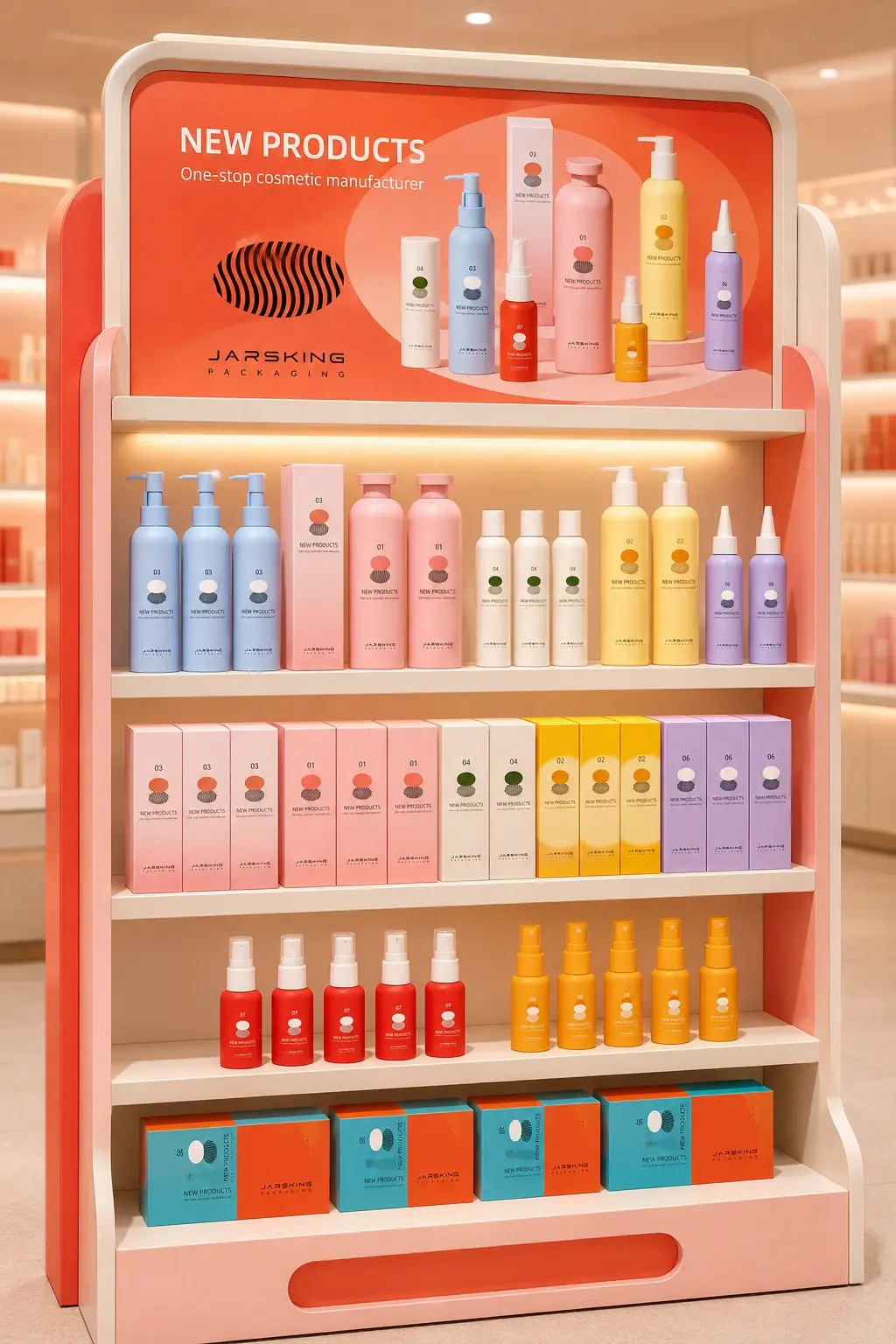
Design-led retailers give brands more room to create an elevated visual identity. In these environments, consumers may be drawn to color, material, texture, thoughtful details, and packaging that feels special enough to display at home.
Packaging can play a major role in creating that emotional connection. High-clarity PETG, glass, custom colors, soft-touch finishes, silk screening, hot stamping, metallization, decorative collars, and more sculptural bottle forms may all be relevant options.
However, premium does not have to mean complicated. The strongest premium packaging makes the customer feel something while remaining practical for manufacturing, filling, shipping, and repeat orders.
Common packaging priorities include:
– Strong visual storytelling and distinctive shelf presence
– A cohesive design language across multiple SKUs
– Materials and finishes that reinforce perceived value
– Controlled color matching and decoration quality
– Components that provide a satisfying use experience
– Early feasibility review to avoid unnecessary manufacturing risk
Target is a useful example of a retailer where beauty brands can combine broad accessibility with a more curated, design-conscious feel. A skincare serum may use a high-clarity PETG bottle with a refined dropper or pump. A body-care collection may include custom color matching, coordinated bottle shapes, decorative caps, or a premium label and print combination.
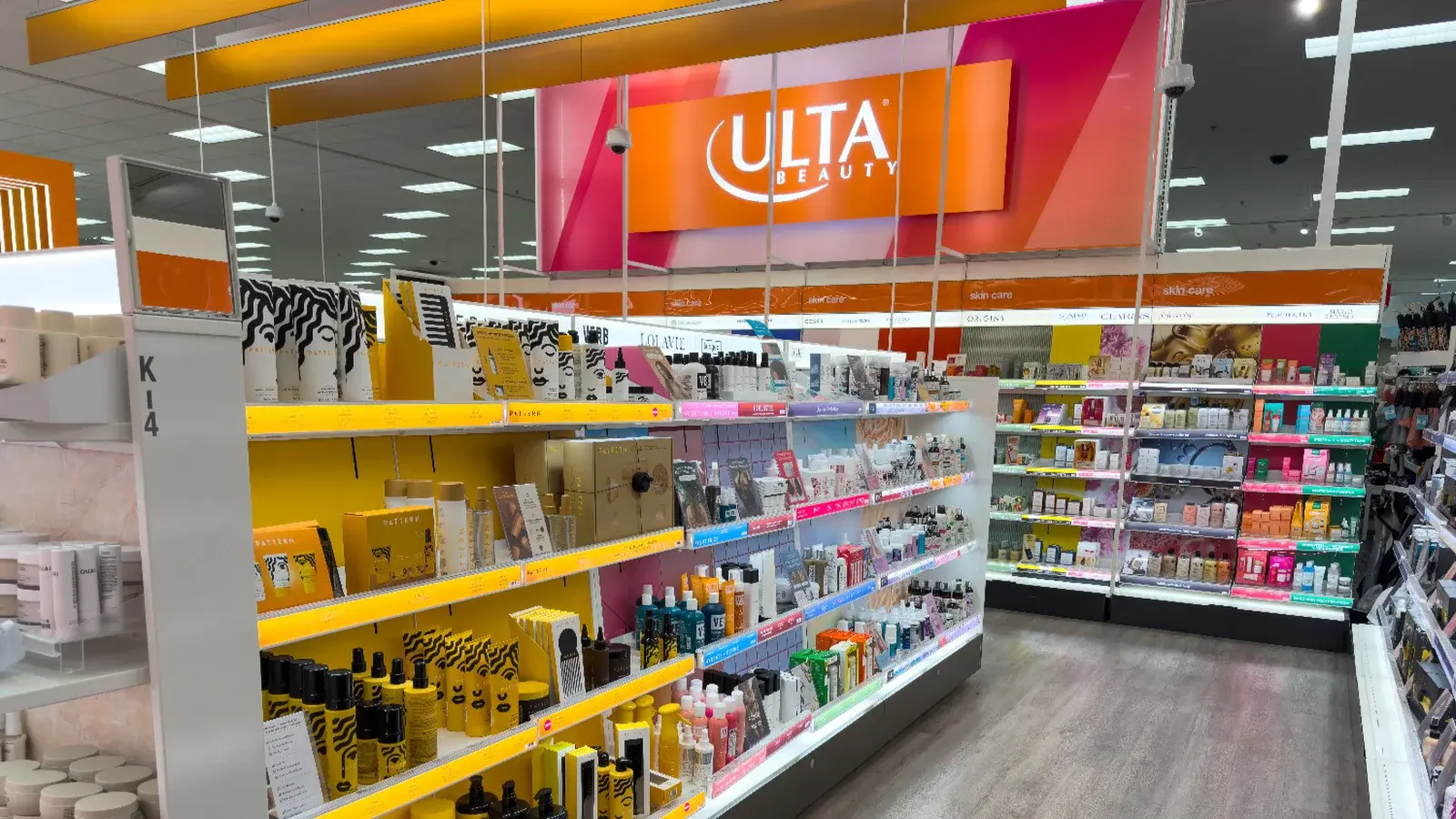
Ulta Beauty and Sephora offer even more space for product discovery and beauty storytelling. A coordinated skincare line can use color-coded routine steps, a consistent bottle family, and materials that create a more elevated appearance. A differentiated cap, well-managed screen printing, or a glass-like finish can help a collection feel coherent while guiding the shopper through the routine.
The key question is not only, “Does this look premium?” It is also, “Can this premium experience be delivered consistently, on time, and within the commercial plan?” At Othilapak, we help customers connect creative direction with real manufacturing decisions by reviewing materials, decoration, component matching, color consistency, and production repeatability before the project moves into volume production.
3. Warehouse Clubs: Multipacks, Value, and Logistics
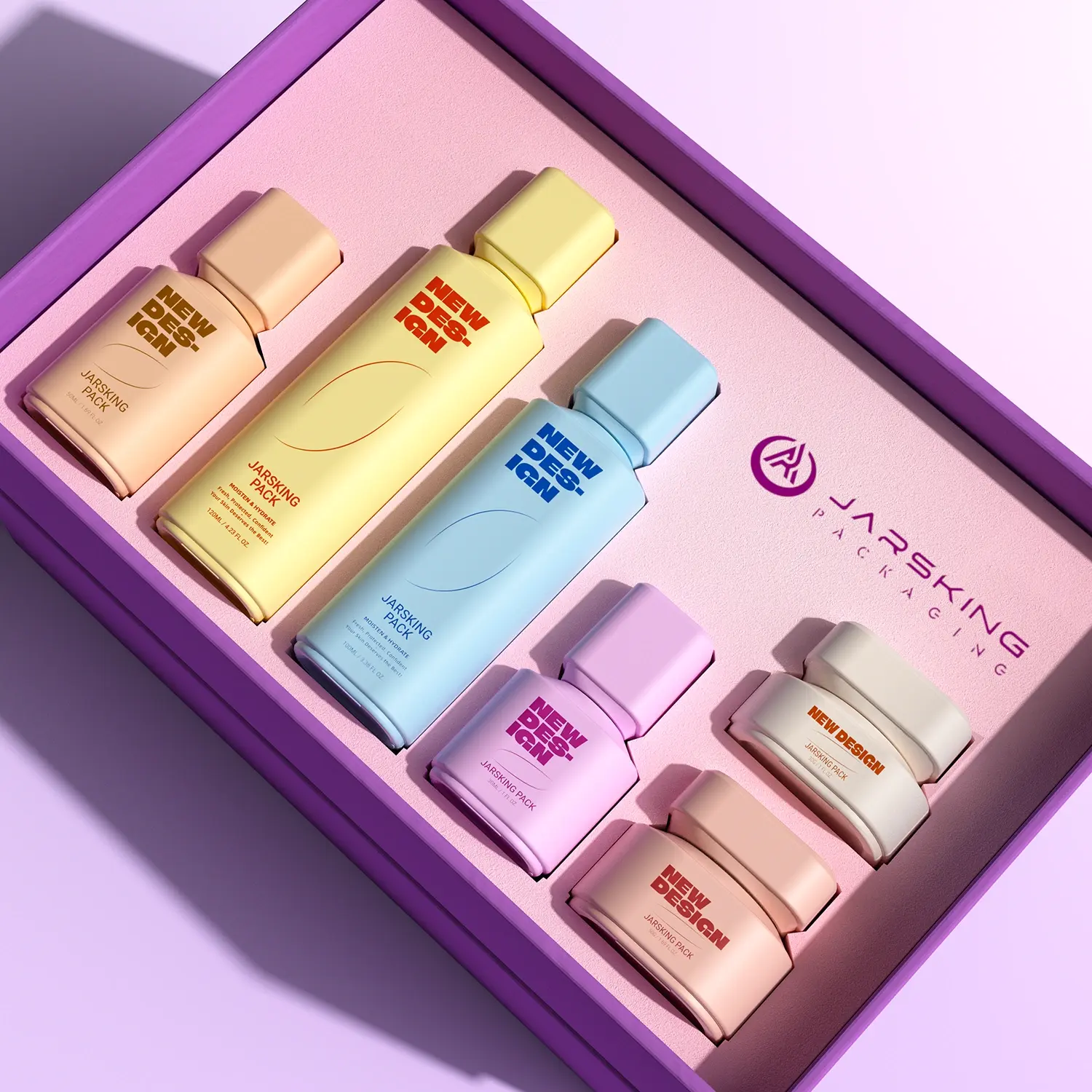
Warehouse clubs work differently from a traditional beauty shelf. Larger sizes, multi-unit sets, seasonal gifts, exclusive configurations, and value bundles are often central to the offer. This means the primary bottle or jar is only one part of a larger packaging system.
A warehouse-club project may involve multiple bottles, jars, pumps, cartons, trays, sleeves, inserts, shrink film, blister elements, dividers, and shipping cases. All these elements need to work together to protect the product, communicate value, and move efficiently through assembly, warehousing, and distribution.
Common packaging priorities include:
– Clear value communication for multi-item sets or larger formats
– Stable and attractive multipack construction
– Product protection during handling and long-distance transport
– Efficient assembly and pack-out processes
– Outer-pack dimensions that support freight and pallet efficiency
– A complete packaging system, not just an attractive primary container
Costco is a useful example because its programs often emphasize larger formats, multipacks, seasonal gift sets, and a compelling consumer-value proposition. Imagine a shampoo-and-conditioner duo: the bottles need to look cohesive, remain secure during transport, communicate the set value clearly, and fit efficiently into both the retail configuration and the master carton.
If the set is loose, difficult to assemble, or filled with unused space, costs can rise quickly. If pumps and closures are not protected properly, damage can undermine the entire program.
For Costco-style projects, Othilapak can help customers evaluate two-piece or three-piece set formats, bottle retention methods, display-ready outer-pack options, carton dimensions, shipping protection, and assembly workflows. The best result is a set that looks generous and attractive to the shopper while running smoothly through the supply chain.
4. Drugstores and Specialty Beauty Retailers: Discovery, Function, and Routine
Drugstores and specialty beauty stores serve different shopping missions, but both require packaging that works in a crowded, information-rich environment.
Drugstore shoppers may be replacing everyday essentials, picking up travel products, or making an unplanned purchase while shopping for health and wellness needs. Packaging should be clear, functional, easy to handle, and strong enough to compete across a dense assortment.
Specialty beauty shoppers may spend more time comparing products, routines, textures, ingredients, and brand stories. Packaging can support discovery through coordinated collections, clear routine steps, a stronger visual identity, and a more elevated use experience.
Common packaging priorities include:
– Clear benefits, usage instructions, and product differentiation
– Dispensing systems that are reliable and easy to use
– Packaging that fits an everyday routine or a curated beauty ritual
– Visual consistency across a product range
– Suitable price-to-value communication
– Practical construction for frequent handling and replenishment
CVS and Walgreens are strong drugstore examples. Their shoppers often want an understandable product offer that fits an immediate need. For a body lotion, sunscreen, shampoo, or travel-size product, a lightweight PET bottle with a reliable pump or flip-top cap may be more useful than a costly feature that adds visual complexity but does not improve everyday use.
In these environments, packaging should stand out with purposeful design: clear color blocking, recognizable brand assets, well-organized information, and a user-friendly component system.
Ulta Beauty can also fit this section when the product focus is beauty discovery and routine-building. A skincare range may benefit from color-coded product steps, a coordinated bottle family, and components that make the collection feel easy to understand and enjoyable to use. The packaging should encourage exploration without becoming confusing or operationally difficult.
Othilapak helps customers translate everyday usability into tangible packaging choices, including bottle shape, grip, dispensing method, label readability, collection consistency, and transport durability.
5. Value and Discount Retailers: Simplified, Credible, and Cost-Efficient
Value and discount channels require thoughtful cost management, but that does not mean packaging should look generic. The objective is to remove complexity that does not improve the consumer experience while preserving a clear, trustworthy, and appealing product presentation.
Lightweight PET or PP containers, standard closures, efficient labels, simplified decoration, and shared packaging platforms across several SKUs can help brands protect margin and manage production more effectively.
Common packaging priorities include:
– A functional package built around an accessible price point
– Simplified component construction and efficient production steps
– Strong graphics and product claims that create immediate recognition
– Standardized parts that reduce tooling and sourcing risk
– Efficient case packing and transport
– Consistent quality, even with streamlined specifications
Dollar General and Dollar Tree are good examples of value-driven formats, where shoppers expect a straightforward product offer at an accessible price. One standard bottle, jar, or tube platform can serve multiple scents or variants, with color-coded labels and clear product benefits providing the differentiation. This approach can create a coherent range without requiring multiple custom molds or expensive decoration processes.
For a hand-care collection, for instance, the brand may use the same tube or bottle structure across several fragrances and rely on label colors, scent names, and simple graphic elements to create variation. The package remains recognizable, production stays efficient, and the consumer can still quickly identify the product they want.
At Othilapak, we help customers focus investment on the details that create real value: reliable functionality, credible shelf appearance, consistent quality, and cost-efficient construction.
6. What Contract Manufacturers Need From a Packaging Partner
Contract manufacturers are often the bridge between a retail buyer’s requirements and the finished product that reaches the shelf. They may manage formulation, raw materials, filling, assembly, quality control, and delivery for multiple programs at once.
That is a demanding role. A late bottle, an incompatible pump, inconsistent decoration, or an outer carton that is not ready for assembly can disrupt the entire production plan.
This is why contract manufacturers need a packaging partner that supports the project as a whole—not just a supplier of individual components.
At Othilapak, our support can include:
– Packaging recommendations based on formula, target channel, price point, and consumer use experience
– Bottle, jar, closure, pump, dropper, applicator, and accessory coordination
– Decoration guidance, including screen printing, labeling, color matching, and selected premium finishes
– Sample development and production-feasibility review
– Packaging specifications and quality-alignment discussions
– Production-planning support for repeat orders and larger-scale programs
– Coordination of primary and selected secondary packaging elements
Our goal is to make the manufacturing team’s work easier. When packaging is well coordinated, the product is more likely to move smoothly from concept to filling line to retail shelf.
7. Compliance, Quality, and Traceability: Build Confidence Early
Large retail programs often involve product-safety, quality, social-responsibility, material, and traceability expectations. The exact requirements vary by retailer, product category, market, and contract structure, so brands should not assume that every project follows the same checklist.
The most effective approach is early alignment. Before production begins, identify what packaging-related information may be required, such as material details, test reports, inspection standards, batch traceability, or supplier documentation.
This creates time to ask the right questions and avoid late-stage surprises. It also allows the packaging team to understand whether a material change, colorant, decoration process, or component construction could affect the documentation process.
Othilapak works with customers to support packaging-related quality and documentation discussions according to the needs of each program. The earlier these conversations happen, the easier it is to build confidence across the supply chain.
8. A Retail-Ready Packaging Checklist
Before approving packaging for a U.S. retail launch, we recommend reviewing the following points:
Know the channel and retailer. Define whether the product is intended for a mass merchant, design-led retailer, warehouse club, drugstore, specialty beauty retailer, or value channel. Then confirm the specific project requirements with the target retailer.
Start with the full cost picture. Consider bottles, closures, pumps, decoration, labels, secondary packaging, assembly, freight, and potential retail handling—not only the price of one component.
Match materials to product and channel. Select materials that fit the desired appearance, formula compatibility, durability, weight, cost, and operational requirements.
Confirm formula compatibility. Test the actual formula with the intended bottle, pump, cap, liner, dropper, or dispensing system whenever possible.
Design for shelf understanding. Make benefits, usage, size, and brand identity easy to recognize quickly.
Choose decoration that can scale. Confirm that colors, finishes, printing, and labels can be reproduced consistently at the planned volume.
Consider filling and assembly. Ensure the package works for filling, capping, labeling, set assembly, and quality inspection.
Protect the product in transit. Review cartons, dividers, inserts, palletization, and transport risks, especially for glass, pumps, and multipacks.
Plan for a successful expansion. Discuss lead times, capacity, materials, tooling, and safety-stock options before demand makes the conversation urgent.
Clarify quality and documentation needs. Align early on inspection criteria, material information, test requirements, and traceability expectations.
9. How Othilapak Helps Brands Move Forward
At Othilapak, we understand that packaging projects have both creative and operational sides. A founder may care most about the first impression a product creates. A brand manager may be focused on how a collection looks together on shelf. A purchasing manager may need a reliable cost and lead-time plan. A contract manufacturer may need every component to arrive correctly and work efficiently on the production line.
All of those concerns are valid—and they all meet in the package.
We help beauty and personal-care brands develop packaging solutions for a broad range of retail goals, from accessible mass-market products to premium skincare collections, high-volume warehouse-club sets, drugstore essentials, and private-label programs. Our approach is practical, collaborative, and focused on helping customers make confident decisions before production begins.
Whether you are preparing your first retail test, expanding into more stores, building a Costco-ready multipack, developing a Target-style premium collection, or supporting a private-label launch for a mass retailer, Othilapak is ready to discuss the packaging system behind your next stage of growth.
FAQs
What does “retail-ready packaging” mean for beauty products?
Retail-ready packaging is designed for the complete journey from production to consumer use. It includes shelf presentation, product protection, clear labeling, efficient filling and assembly, transport durability, retail handling, and the ability to support repeat orders or store expansion.
How early should brands begin packaging development for a U.S. retail launch?
Brands should begin packaging development as early as product planning allows. Early involvement makes it easier to evaluate target cost, material selection, formula compatibility, decoration, lead times, testing, outer packaging, and the capacity needed if the retail program expands.
How does packaging strategy differ between Walmart and Target?
Walmart-oriented packaging often prioritizes product clarity, accessible cost, supply reliability, and repeatable high-volume production. Target-oriented packaging may allow more focus on visual storytelling, coordinated collections, premium finishes, and a curated consumer experience. Both still require practical cost and supply-chain planning.
What should contract manufacturers expect from a cosmetic packaging supplier?
Contract manufacturers should look for support with coordinated components, sample development, packaging feasibility, dispensing compatibility, decoration, production planning, quality alignment, packaging documentation, and delivery coordination. The goal is to reduce friction between packaging development, filling, assembly, and final retail delivery.
How can brands keep packaging cost-effective without looking low quality?
Cost-effective packaging does not need to look generic. Brands can use proven bottle and closure platforms, simplified decoration, efficient labels, strong color blocking, clear claims, and a consistent SKU system. The key is to invest in visual and functional details that improve the shopper’s experience.
What retail packaging documentation should brands prepare for U.S. launches?
Requirements vary by retailer, product category, market, and contract. Projects may require material information, packaging specifications, test reports, quality requirements, traceability records, or supplier documentation. Brands should identify retailer-specific expectations early and coordinate with their manufacturer and packaging partners.