
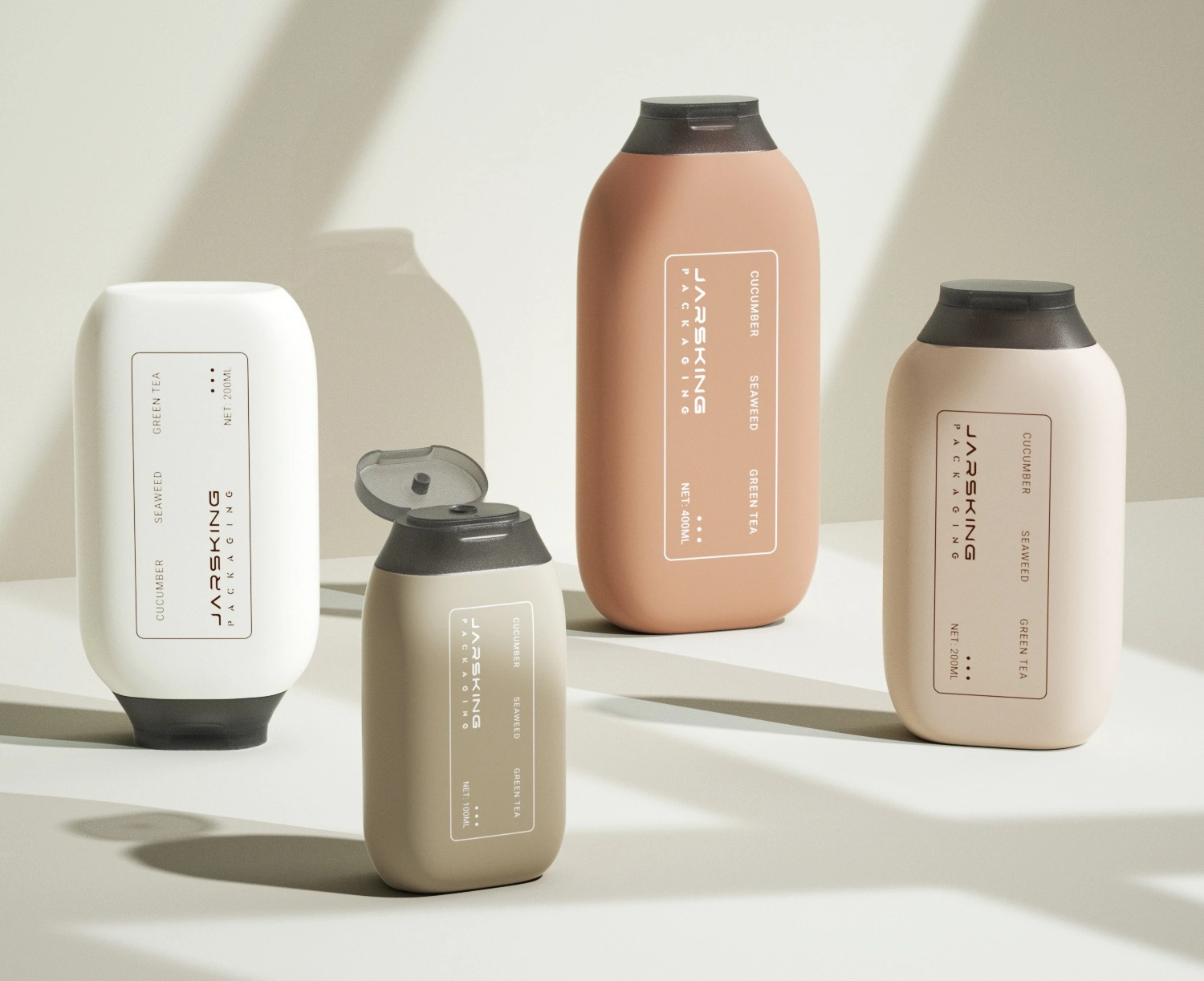

I still remember the first time I held a shampoo bottle that made me want to display it on my bathroom shelf instead of hiding it behind a curtain. It wasn’t the formula that sold me — it was the packaging. The weight of it. The frosted finish that caught the morning light. The way the pump dispensed exactly the right amount, without that wasteful splatter you get from squeeze bottles. That moment crystallized something the entire beauty industry is now racing to understand: the bottle is the product, at least in the consumer’s first ten seconds of judgment.
In 2026, that truth has become undeniable. Shampoo packaging is no longer a functional afterthought — it’s a brand manifesto you can hold, squeeze, refill, and ideally, recycle. The brands who understand this aren’t just winning shelf space. They’re building lasting consumer relationships that a great formula alone could never achieve.
But here’s what’s interesting: the trends shaping shampoo bottle packaging in 2026 aren’t driven by aesthetics alone. Regulation, raw material economics, shifting retail dynamics, and a genuinely more informed consumer are all pulling in the same direction at once. If you work in hair care — whether you’re formulating, sourcing, branding, or retailing — understanding these forces isn’t optional anymore.
1. Why Shampoo Packaging Has Become a Strategic Battlefield
Let’s start with a question most brand decks skip over: why does packaging matter more now than it did ten years ago?
It’s not just because Instagram made everything visual (though that didn’t hurt). It’s because the consumer decision-making process has fundamentally changed. Today’s shopper evaluates a shampoo purchase across multiple simultaneous dimensions: ingredient quality, ethical sourcing, sustainability credentials, brand aesthetic, and functional experience. Packaging carries the weight of communicating all of those signals simultaneously, often in under three seconds at retail or in under five seconds during an e-commerce scroll.
The stakes are high. The global plastic cosmetic packaging market is on a trajectory toward $36.78 billion by 2033. The clean beauty segment — which packaging design must now credibly support — is projected to grow from roughly $8 billion in 2025 to $12.8 billion by 2029, with some forecasts modeling an even more aggressive trajectory to $39 billion by 2033. Getting packaging wrong in this environment isn’t just an aesthetic miss. It’s a brand credibility miss.
2. Trend 1: Refillable Systems Cross the Mainstream Threshold
Refillable packaging has officially moved from “niche sustainability play” to “table-stakes consumer expectation” in 2026. Over 70% of European consumers now prefer brands with eco-conscious practices, driving demand for refillable systems specifically. And in North America, the Loop by TerraCycle model — partnering with brands like Pantene and The Body Shop to deliver products in durable containers that are collected, cleaned, and reused — has demonstrated that closed-loop refill infrastructure at scale is operationally viable, not just aspirational.
The ecosystem has three primary formats, each with genuinely different strategic implications:
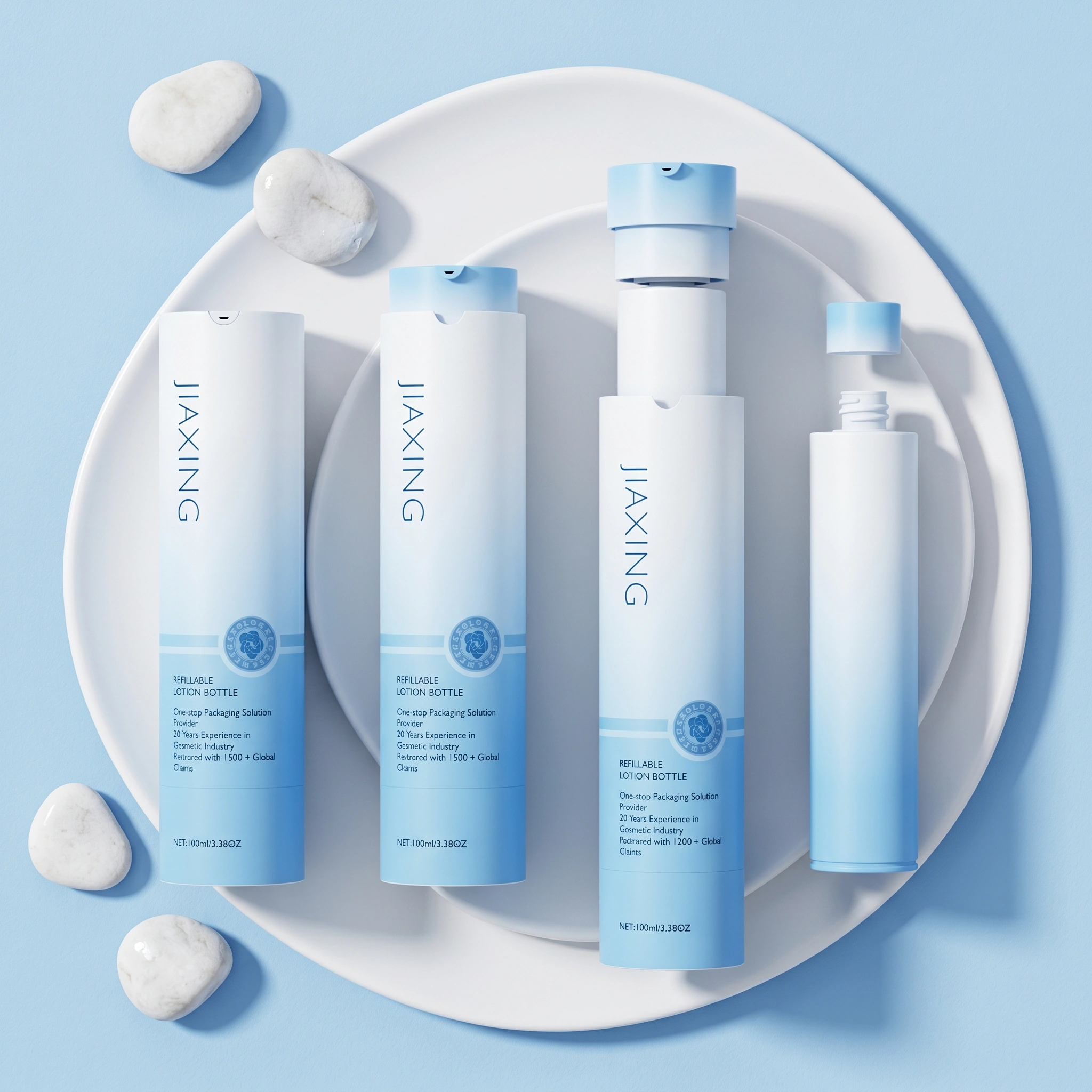
Refillable pump bottles are the premium play. A durable primary container — often thick-wall PET or aluminum — becomes a long-term fixture in the consumer’s bathroom. The brand relationship doesn’t end at purchase; it continues every time the consumer buys a refill pouch. That loyalty loop is structurally different from anything a single-use bottle can create.
Flexible refill pouches are the efficiency play. They use dramatically less material than rigid bottles, carry lower transportation costs, and reduce per-unit carbon footprint significantly. The design challenge is making them feel premium enough to match the brand positioning of the primary bottle — a problem many brands are solving with high-quality matte laminates, embossed logos, and precise color matching on the pouch itself.
In-store refill stations are the highest-impact format environmentally, but require retail infrastructure investment and a meaningful shift in consumer behavior. Some premium salon brands and specialty beauty retailers are making this work — particularly with scalp treatment and professional-grade shampoo lines where the consumer already expects a more involved purchase experience.
Here’s the strategic insight most brands miss: refillable packaging isn’t just a sustainability initiative. It’s a customer data opportunity. Every refill transaction is a touchpoint. With the right digital integration, that transaction becomes an invitation to loyalty program enrollment, product usage feedback, and personalized recommendation — none of which you get from a bottle purchased and discarded anonymously.
3. Trend 2: PCR Plastic — The Material That’s Growing Up Fast
The post-consumer recycled plastic market is projected to surge from $2,040 million in 2026 to $6,743.3 million by 2036. Major brands are now achieving 25–100% recycled content in their packaging, and PCR options in PET, HDPE, and PP have become widely available from mainstream suppliers.
But the honest conversation about PCR is more nuanced than most press releases acknowledge. The material introduces real color variation challenges — PCR feedstock can range from yellow to white to green depending on its source. Most packaging projects that actually perform well in market optimize PCR content between 25–50%, balancing environmental benefit with the structural reliability and aesthetic consistency that a premium hair care brand requires. Chasing 100% PCR without the right resin sourcing and color dispersion technology can spike rejection rates, inflate production costs, and ultimately undermine the sustainability story rather than support it.
New barrier technologies are also changing what’s possible with recycled substrates. Five-layer tube structures with EVOH barrier layers can protect sensitive formulas (like the fermented ingredients and peptide complexes trending in premium scalp care) while maintaining recyclability. Airless pump systems using vacuum pressure prevent oxidation without relying on non-recyclable inner bags. These innovations mean brands no longer face a binary choice between ingredient protection and packaging sustainability.
The most credible brands in 2026 aren’t just claiming PCR content — they’re showing third-party certification numbers, discussing their actual recycled feedstock sourcing, and being transparent about the challenges they’re still working through. That kind of honest communication builds more trust with today’s consumer than a vague “eco-friendly” label ever could.
4. Trend 3: Mono-Material Design — Recyclability Starts at the Drawing Board
Here’s an uncomfortable truth about most shampoo bottles currently on shelves: the pump uses different materials from the bottle body, which uses different materials from the label, which uses adhesives that contaminate the recycling stream. The result is a product that looks sustainable — maybe even carries a recycling symbol — but practically cannot be processed in most municipal waste systems.
Mono-material packaging solves this problem at the source. All-HDPE bottles with HDPE closures. All-PP dispensing systems. Simplified label structures that match the substrate they’re applied to. It’s less visually dramatic than a hemp-fiber secondary box or a seaweed-based pouch concept. But it’s far more impactful in the real infrastructure of recycling facilities that actually exist today.
Regulations are now enforcing what consumer goodwill couldn’t fully achieve. The EU’s Packaging and Packaging Waste Regulation, entering full application by August 2026, requires at least 70% recyclability across plastic packaging formats. California’s Senate Bill 54 mandates 100% recyclable packaging by 2032 with minimum 65% recycling rates. Mono-material design isn’t just good practice — it’s the engineering foundation that makes those compliance targets achievable.
The brands winning this space are the ones quietly building packaging systems that work at the recycling facility level, not just the marketing level. They’re involving material scientists and recycling infrastructure experts in their design process — not just packaging designers — to validate recyclability claims before they appear on pack.
5. Trend 4: Minimalism With Genuine Intent
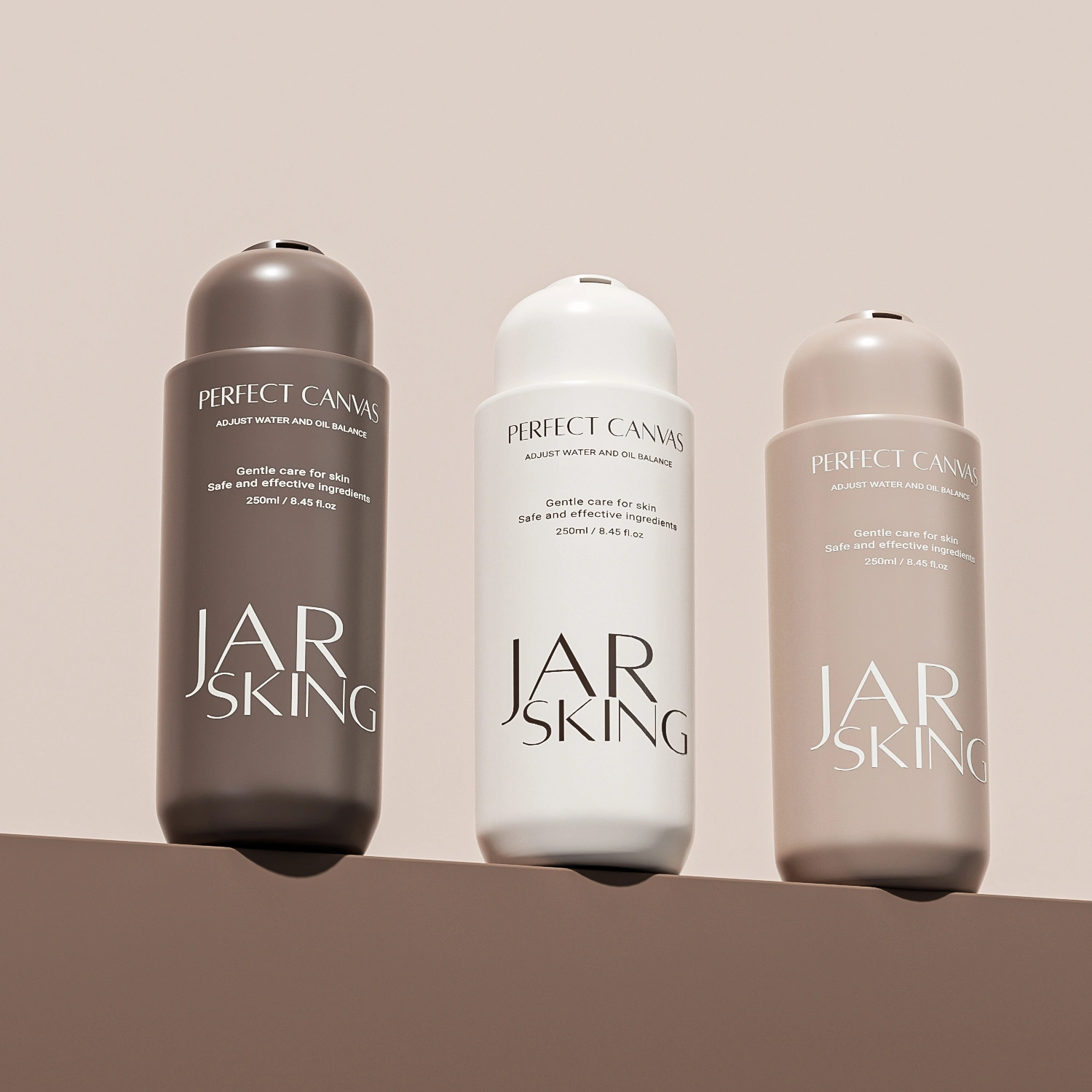
Korean beauty aesthetics permanently changed the visual language of personal care packaging, and their influence continues to deepen in 2026. Neutral palettes, restrained color choices, intuitive labeling, and unembellished bottle shapes dominate premium and mass-market segments alike. But the more interesting development is why minimalism keeps winning — and it goes beyond aesthetics.
Consumers increasingly associate clean design with scientific credibility and ingredient transparency. In the scalp care segment — one of the fastest-growing categories in hair care right now — pharmaceutical-inspired aesthetics actively signal efficacy. The design logic is sound: if a brand has nothing to hide about its formula, why bury it under decorative noise?
Minimalism also creates an ideal canvas for sustainability credentials. Recycled resin logos, FSC certification marks, and water-based print certifications read clearly against uncluttered surfaces. Soft-touch finishes and subtle embossing add tactile richness without visual complexity. The result is packaging that communicates multiple brand values — clean formulation, environmental responsibility, premium quality — without any single element fighting for attention.
There’s a practical production benefit too. Minimalist design generally reduces ink coverage, simplifies label complexity, and translates more cleanly across different bottle materials (including the slight color variations inherent in PCR plastics). What looks like restraint is often operationally smarter than heavy decorative approaches.
6. Trend 5: The Dual-Chamber Innovation Changing Shampoo Delivery
One of the most genuinely novel structural innovations gaining traction in 2026 is the dual-chamber bottle design. The structure divides the bottle interior into two independent spaces, storing two different formulas separately without premixing — effectively preserving ingredient activity until the moment of application.
This format is particularly compelling for combination hair care treatments: shampoo and conditioning agents that interact better when mixed at the scalp than when combined in a single formula; scalp treatment actives that lose efficacy when stored with their carrier vehicles; color-care systems where two components work synergistically at application. The dual-chamber pump dispenser is being positioned as a representative of the next generation of functional hair care packaging — one where the bottle structure actively contributes to product performance, not just product delivery.
In terms of visual design, dual-chamber bottles are appearing with matte finishes, fully transparent bodies that showcase the two separate formulas, and customized color combinations that turn the formula contrast into a design feature. For brands competing in a market where ingredient storytelling is central to the purchase decision, showing consumers the product components before they combine them is a compelling transparency signal.
7. Trend 6: Premium Dispensing Systems — Function as Luxury
There’s a telling shift happening at the mid-to-premium tier of shampoo: consumers are evaluating how a bottle performs, not just how it looks. The pump matters. The dose consistency matters. Whether the closure leaks in a gym bag matters enormously.
At Cosmoprof Bologna 2026, new metal-free dispensing systems for personal care were specifically highlighted — both atmospheric and airless formats engineered to meet recyclability requirements while maintaining the precision dispensing that premium users expect. The engineering challenge here is significant: airless pump systems that protect sensitive scalp treatment formulas need to function reliably across temperature extremes, survive e-commerce shipping, and remain recyclable within mono-material frameworks.
Lockable pumps have become standard expectations for travel-oriented and DTC-heavy brands — not optional premium features. Controlled-dose pumps, which dispense a measured amount per actuation, serve dual purposes: they improve user experience and reduce product waste, which creates a sustainability argument that’s grounded in actual consumer behavior rather than packaging material alone. For brands with concentrated formulas (particularly relevant given the growth of high-potency scalp treatments), dose control is also an efficacy argument — too much product dilutes the treatment effect.
8. Trend 7: Smart Packaging Enters Its Second Generation
The first generation of smart packaging — QR codes linking to ingredient information — is table stakes in 2026. The second generation, actively emerging right now, involves NFC chips that enable product authentication, personalized recycling guidance, loyalty program integration, and AR-enhanced brand storytelling without requiring consumers to download a separate app.
Innova Market Insights identified “Digital-Enhanced Designs” as one of the Top Packaging Trends 2026, specifically highlighting how AI, augmented reality, and QR codes improve consumer engagement and product traceability — while noting that Digital Product Passports offer detailed lifecycle data that regulators in EU markets are beginning to require. A Digital Product Passport is essentially a permanent, scannable record of a package’s material composition, sourcing origins, and correct disposal pathway — valuable for both compliance and brand transparency simultaneously.
For hair care brands specifically, the smart packaging opportunity that’s most underutilized is personalized usage guidance. A consumer who scans their shampoo bottle and receives a customized scalp care routine based on their purchase history, water hardness in their location, and seasonal hair behavior — that’s a genuinely differentiated brand experience. It transforms the packaging from a delivery vehicle into an ongoing relationship interface.
The meaningful question for brand strategists isn’t whether to add a QR code. It’s whether the digital layer delivers value that consumers will actually return to — or whether it’s a technology checkbox that gets scanned once and forgotten.
9. Trend 8: Waterless Formats Demand Entirely New Packaging Logic
Shampoo bars, powder shampoos, and concentrated formulas are gaining genuine retail shelf space in 2026 — not just sustainability press coverage. And they expose a gap in most packaging teams’ playbooks: everything learned about designing for liquid shampoo is essentially irrelevant for waterless formats.
Brands like Lush have demonstrated what’s possible at scale — their “naked” range features completely packaging-free products including shampoo bars and bath bombs, and where packaging is needed, 100% recycled and recyclable materials. The sustainability math is genuinely compelling: reduced transportation weight (water is heavy), smaller packaging footprints, lower cold-chain storage requirements, and significantly reduced carbon emissions per unit sold.
But the consumer education challenge falls disproportionately on packaging design. A first-time shampoo bar buyer needs to understand dosage, storage (keep it dry between uses), lathering technique, and expected performance transition from liquid formats — all of which packaging must communicate without the benefit of a pump, pour spout, or volume indicator. Brands getting this right are treating waterless packaging as a new product category design problem, not a modified version of their existing liquid packaging approach.
Calcium carbonate packaging — used by brands like Just Spring for hair care products — represents one of the more innovative material directions for waterless formats, offering a genuinely distinctive tactile and visual aesthetic while supporting sustainability credentials.
10. Trend 9: Luxury Redefined Through Material Craft
The luxury hair care packaging story in 2026 is not about gold leaf and elaborate embossing. It’s about material honesty and craftsmanship that communicates quality through tactile intelligence. Thick-wall PET with a slight flex that signals structural integrity. Frosted finishes that create a sense of intimacy with the formula inside. Soft-touch coatings that make picking up the bottle feel like a considered decision rather than a reflexive grab.
The concept of “Lightweight Luxury” — highlighted as a defining 2026 cosmetic packaging trend — specifically describes this shift: replacing heavy materials with smart design that achieves premium sensory impact through haptic textures, precision engineering, and material selection rather than sheer mass. A frosted PCR PET bottle with a soft-touch coating can deliver a genuinely luxurious unboxing experience while meeting recyclability requirements — a combination that was technically challenging three years ago but is increasingly standard in 2026.
For the premium segment, packaging is also becoming more seasonally and editorially expressive. Limited edition finishes — velvet textures, micro-engraved patterns, metallic sleeves for holiday sets — are turning standard releases into collectible moments that consumers document and share. The catch: these elevated executions must increasingly be delivered within sustainable material frameworks. Premium positioning and eco-responsibility are no longer opposing forces. The brands navigating their intersection most elegantly are defining the premium hair care visual language of the next decade.
11. Trend 10: Accessibility and Inclusivity Enter the Design Brief
One trend that deserves significantly more attention than it typically receives: accessibility-driven packaging design is becoming a genuine competitive differentiator in 2026. Ergonomic container shapes, easy-grip closures, tactile labels for visually impaired users, and one-handed dispensing mechanisms serve aging consumers, differently-abled users, arthritic hands, and anyone navigating a morning routine before their first coffee — a combined market far larger than most hair care brands actively design for.
The Pentawards and Dieline Awards in 2025 both signaled strongly that inclusive accessibility is entering the mainstream packaging design conversation, not as a compliance checkbox but as a genuine creative and commercial opportunity. Brands that build accessibility into their primary bottle design — rather than creating separate “accessible” SKUs — demonstrate a more authentic commitment to the full range of their consumer base.
This intersects meaningfully with the travel packaging growth trend. Leak-resistant closures, one-handed pump mechanisms, and compact formats serve both the frequent traveler and the user with limited hand mobility. Design solutions that serve both simultaneously are more efficient to develop and broader in their commercial reach.
12. What High-Performing Brands Are Doing Differently Right Now
The brands gaining ground aren’t waiting for trends to fully mature. Here’s what separates the leaders from the followers in 2026:
They involve packaging suppliers in early design sprints, not just at the production spec stage — catching regulatory conflicts and sustainability gaps before tooling investment is made
They test PCR content incrementally, starting at 25–30% and scaling based on actual performance data, rather than making bold claims that their supply chain can’t consistently support
They treat refillable systems as loyalty infrastructure — designing the refill transaction as a brand relationship touchpoint with digital integration, not just a cost-reduction exercise
They design for the recycling facility, not the press release — prioritizing mono-material systems that work in existing municipal waste streams, even when seaweed-based and mycelium concepts generate more editorial coverage
They build regulatory roadmaps 18 months ahead — anticipating EPR fee structures and recycled content mandates in their key markets, so packaging decisions made today aren’t creating compliance problems by 2027
The Sustainable Packaging Coalition’s 2026 Trends Report identifies compliance, innovation, and harmonization as the three forces reshaping the industry. The brands treating these as aligned rather than competing priorities — finding packaging solutions that are simultaneously compliant, innovative, and harmonized across their global markets — are building structural advantages that will compound over time.
13. The Honest View: Where This Is All Heading
Looking past 2026, the trajectory becomes clearer the closer you look. Higher mandatory recycled content thresholds in every major market. More sophisticated refill infrastructure moving into mainstream retail. Bio-based materials — bamboo composites, calcium carbonate blends, bio-resins — moving from pilot programs to production scale. AI-assisted personalization beginning to influence packaging customization in ways that go beyond variable label printing.
The brands investing in genuinely circular packaging systems today — designing for disassembly, refillability, and radical material transparency — aren’t just ahead on sustainability. They’re building cost advantages that will become decisive as virgin plastic prices rise with regulatory pressure and EPR fees increase for non-compliant packaging.
Here’s the reframe that matters most: the shampoo bottle of 2026 isn’t just a container. It’s a value system made tangible. It tells a consumer whether a brand shares their values about the planet, respects their intelligence about ingredients, and cares enough about their daily experience to engineer a pump that doesn’t leak. The brands that build packaging with that level of intentionality — sustainability, functionality, and genuine craft woven together — aren’t just following trends. They’re setting them.
FAQs
What are the top shampoo bottle packaging trends in 2026?
The top shampoo bottle packaging trends in 2026 include refillable packaging systems, post-consumer recycled (PCR) plastics, mono-material bottle design, minimalist aesthetics, premium dispensing technologies, smart packaging with QR codes and NFC chips, waterless format packaging, scalp-care-inspired clinical design, lightweight sustainable bottles, and dual-chamber dispensing systems. Together, these trends reflect a shift driven by sustainability regulations, evolving consumer expectations, and advances in packaging engineering.
What is PCR plastic in shampoo packaging, and why does it matter?
PCR plastic, or Post-Consumer Recycled plastic, is packaging material made from recycled plastic that has already been used and collected by consumers. In shampoo bottle manufacturing, common PCR options include PCR PET, PCR HDPE, and PCR PP. It matters because it reduces dependence on virgin plastic, lowers carbon emissions per unit, and helps brands meet growing regulatory requirements. The global PCR plastic market is projected to grow from $2,040 million in 2026 to $6,743 million by 2036 — making it one of the fastest-expanding material categories in the personal care packaging industry.
Are refillable shampoo packaging systems worth investing in for hair care brands?
Yes — refillable shampoo packaging systems offer benefits that go far beyond sustainability optics. They create a repeating loyalty loop that single-use bottles cannot replicate: every refill transaction is a brand touchpoint that can be connected to loyalty programs, personalized product recommendations, and direct consumer engagement. Refillable systems also increasingly align with EU and North American regulatory requirements around packaging waste reduction. Formats include refillable pump bottles, flexible refill pouches, and in-store refill stations — each with distinct trade-offs in cost, consumer behavior change, and environmental impact.
How is minimalist design influencing shampoo bottle packaging in 2026?
Minimalist packaging design continues to dominate shampoo bottle aesthetics in 2026, characterized by neutral color palettes, clean typography, simple bottle shapes, and large areas of white space. Consumers increasingly associate minimalist packaging with ingredient transparency, scientific credibility, and clean beauty positioning. Beyond aesthetics, minimalist design offers practical production advantages: lower ink coverage, simpler label structures, and cleaner visual compatibility with the slight color variations inherent in PCR plastic substrates. The trend is especially strong in the scalp care segment, where pharmaceutical-inspired minimalism signals clinical efficacy.
What does mono-material shampoo packaging mean, and why is it important for recyclability?
Mono-material shampoo packaging refers to bottle systems where all components — the bottle body, closure, pump mechanism, and label — are made from a single recyclable material type, such as all-HDPE or all-PP. This design enables efficient sorting and processing in real-world municipal recycling facilities, unlike conventional shampoo bottles that combine multiple incompatible materials. It is increasingly important because EU packaging regulations entering full application in August 2026 require at least 70% recyclability across plastic formats, and mono-material design is the most reliable engineering path to meet that standard.
What is smart packaging for shampoo bottles, and what technologies are brands using in 2026?
Smart shampoo packaging integrates digital technology directly into bottle design to create interactive consumer experiences beyond the physical product. In 2026, brands are deploying QR codes linked to ingredient sourcing data and usage instructions, NFC chips enabling product authentication and loyalty program enrollment without app downloads, and Digital Product Passports — scannable records of a package’s material composition and correct disposal pathway increasingly required in EU markets. The most effective smart packaging strategies deliver genuine consumer value at each scan, such as personalized scalp care routines or real-time sustainability impact data, rather than functioning as one-time novelties.