
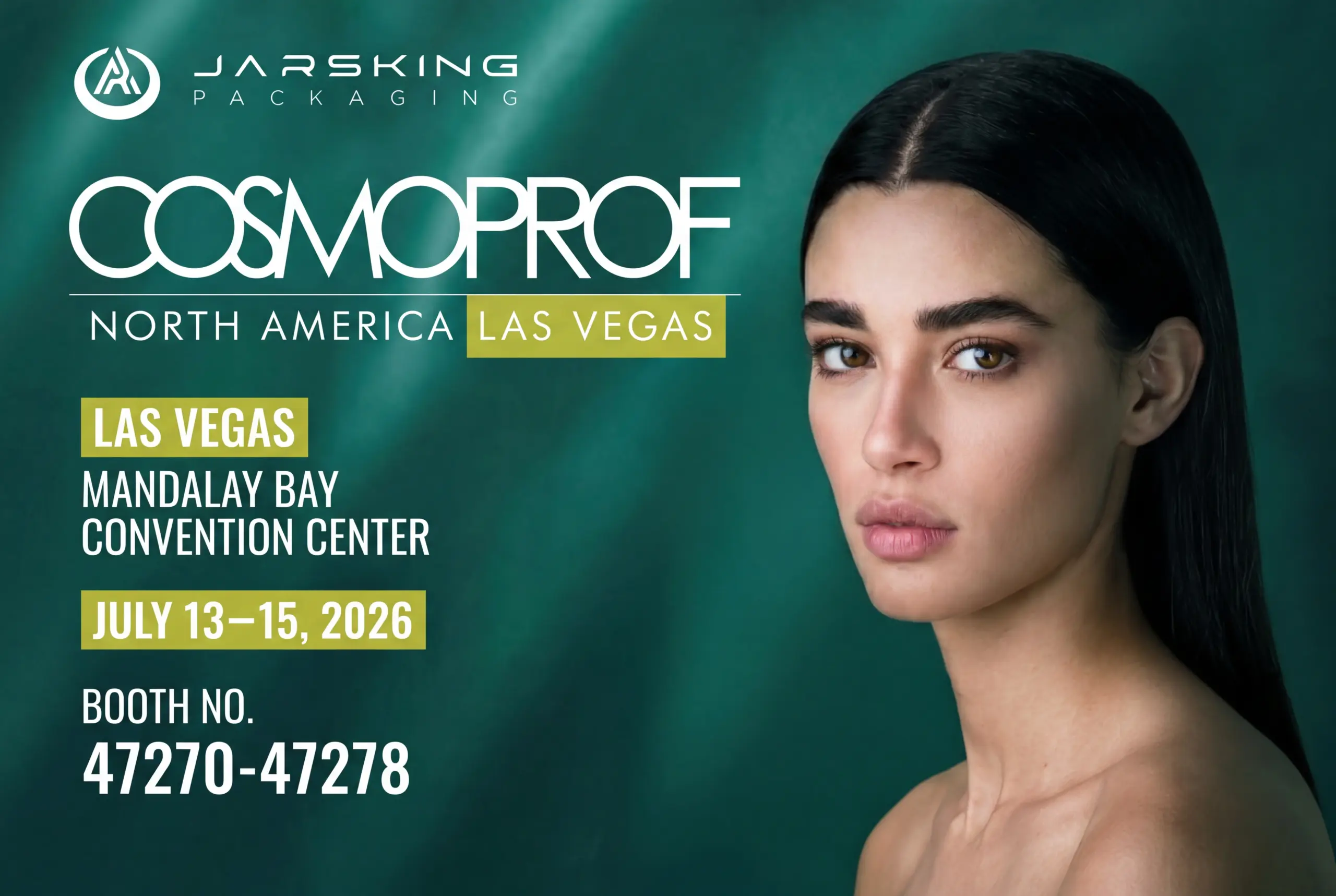

Cosmoprof North America Las Vegas 2026 will take place July 13–15 at the Mandalay Bay Convention Center, and the official event site describes the show as the 23rd edition of its leading B2B beauty exhibition in the Americas. The same official event page reports 26,000 attendee visits, 1,068 exhibitors, and 103 countries represented for the latest edition highlighted on the site. For beauty brands, that makes Cosmoprof North America one of the most concentrated sourcing environments in the region for packaging, manufacturing, and supply chain partnerships.
For years, beauty packaging discussions were led by visual design, luxury cues, speed to market, and cost control. Those priorities still matter, but the conversation has changed. In 2026, beauty brands are under increasing pressure to align packaging with sustainability expectations, retailer requirements, and emerging regulations in Europe and the United States. As the EU’s Packaging and Packaging Waste Regulation begins applying from August 12, 2026, and California SB 54 continues to drive long-term packaging reform, buyers can no longer treat packaging as a purely aesthetic or operational decision.
This is exactly why Cosmoprof North America Las Vegas 2026 matters more than ever. It is not only a show for discovering trends or networking with beauty professionals. It is also a critical checkpoint for beauty brands that need to source future-ready packaging, evaluate supplier credibility, compare innovation claims in person, and build a packaging roadmap that can survive the next regulatory cycle. The official show positioning emphasizes manufacturing, packaging, and distribution alongside product innovation, which makes the event especially relevant for procurement and product teams.
For a brand buyer, founder, procurement manager, or packaging developer, the value of the show lies in its concentration. In one place, within a few days, it becomes possible to review jars, bottles, pumps, droppers, refill systems, mono-material solutions, PCR content claims, decoration techniques, supply chain capabilities, and compliance support. A digital sourcing process can take months to create the same level of comparison. Cosmoprof compresses that process dramatically.
This article explains why the 2026 show is strategically important, how global packaging rules are changing supplier evaluation, what buyers should focus on during the exhibition, and how to turn show conversations into a structured packaging compliance strategy after the event.
1. Why Cosmoprof North America Las Vegas 2026 matters for beauty packaging
The official Cosmoprof Las Vegas page states that Cosmoprof North America is the leading B2B beauty exhibition in the Americas and presents the show as a platform for the industry to build relationships and foster collaboration. The event is also described as a launchpad for new beauty brands, product innovations, and new channels for manufacturing, packaging, and distribution. These details matter because they reflect the real value of the show for packaging buyers: it is not only a place where finished products are presented, but a place where the full beauty business ecosystem becomes visible.
This broader ecosystem is what makes the event more useful than a general trade show visit. A buyer attending Cosmoprof North America Las Vegas can move between finished beauty brands, packaging suppliers, contract manufacturers, raw material players, machinery partners, and education sessions without leaving the venue. That creates a better sourcing context because packaging is never just packaging. It is connected to formulation, product positioning, production, logistics, retail requirements, and speed to market.
The official site also notes that Cosmopack North America is the only event in the Americas fully dedicated to the entire beauty supply chain, including raw materials and ingredients, private label and contract manufacturing, primary and secondary packaging, machinery, and other beauty industry solutions. For beauty brands, this creates a major advantage. It means the show is not merely about finding a bottle or jar. It is about evaluating the wider production system behind a packaging choice.
A jar, for example, may seem suitable from a design perspective, but if the supplier lacks documentation, cannot support regional compliance, struggles with MOQ flexibility, or cannot scale for a successful reorder, the jar becomes a weak commercial decision. A better supplier may offer a slightly different visual direction but stronger technical support, better lead-time discipline, more reliable sustainability data, and a clearer path to commercialization. Those trade-offs become much easier to evaluate in person.
The show also supports a stronger buyer workflow because it combines sourcing with education and structured networking. The event features the Online Directory with My Match for discovery and meeting scheduling, and it also includes a Buyer Program designed to bring together supply and demand through pre-arranged meetings between exhibitors and buyers. That means buyers can approach the exhibition more strategically instead of walking the floor without a clear plan.
In practical terms, a brand attending Cosmoprof can use the show in three ways at once:
Explore trends and understand where beauty packaging is moving.
Evaluate suppliers and products face to face.
Build a post-show sourcing pipeline based on real conversations and real samples.
That is why the event matters so much in 2026. It offers not only inspiration, but decision-making efficiency.
2. The 2026 show experience is about more than booths
Many beauty buyers still think of trade shows mainly in terms of booths and product displays. At Cosmoprof North America Las Vegas 2026, the experience goes beyond that. The official event materials emphasize education, networking, and business development alongside sourcing. For beauty brands trying to understand where compliance, packaging, and commercialization intersect, that broader structure is valuable.
The official education page says Cosmoprof North America focuses on trends, innovation, and excellence, and offers multiple educational sessions designed to provide ideas and inspiration for the beauty industry. That language aligns closely with what many buyers now need: not only products to source, but frameworks for deciding what to source.
CosmoTalks is described by the organizer as a conference format combining creativity, inspiration, and business, with more than 10 seminars and workshops intended to be one of the widest-ranging conference series in the beauty industry. This matters because packaging strategy in 2026 requires cross-functional thinking. The right sourcing decision is rarely made on material alone. It depends on business strategy, design positioning, consumer trends, market access, and cost logic. Educational programming helps connect those pieces.
The official site also highlights Entrepreneur Academy as a one-day intensive conference built to help beauty entrepreneurs turn ideas into action, build brands, manage financials, and gain practical tools through expert-led lectures and interactive Q&A. For emerging beauty brands or founder-led teams, this type of content can be especially useful because many smaller brands do not yet have dedicated internal packaging compliance experts. They need practical guidance they can apply quickly.
For supply-chain-focused attendees, Cosmopack Education includes seminars and panels on raw materials and ingredients, private label and contract manufacturing, primary and secondary packaging, machinery, beauty tech, and other supply chain solutions. This is one of the strongest reasons the event is relevant to packaging suppliers and brand procurement teams alike. It provides not only products on display, but context for how the supply chain is evolving.
The event’s networking elements also matter. The official education page lists a Cosmoprof Happy Hour open to registered attendees and exhibitors, with networking, light appetizers, and the presentation of Cosmoprof & Cosmopack North America Awards winners. Networking may sound secondary to sourcing, but in B2B packaging it often determines whether a relationship develops into a project. Informal conversations frequently reveal as much about supplier competence and communication quality as formal booth discussions.
In other words, the show should not be seen as a three-day product catalog. It is better understood as a live business environment where innovation, supply chain planning, buyer-supplier matching, and brand growth all happen at once.
3. How global regulation is reshaping packaging decisions
The packaging conversation at Cosmoprof 2026 is happening against a very different legal backdrop than just a few years ago. Regulations are changing the criteria by which packaging is judged, and beauty brands can no longer rely only on visual appeal or current retail fit.
The EU Packaging and Packaging Waste Regulation entered into force on February 11, 2025 and begins applying from August 12, 2026. The regulation replaces the previous directive-based framework and introduces more harmonized requirements around recyclability, recycled content, labeling, minimization, and broader packaging compliance obligations. For brands targeting Europe, this means packaging must increasingly be considered not just at the design stage, but also in terms of technical files, documentation, end-of-life logic, and market readiness.
This is especially important in beauty, where packaging has traditionally relied on highly engineered aesthetics. Many premium skincare and cosmetics formats use multiple materials, metallic decoration, special coatings, secondary boxes, inserts, and non-separable components to signal luxury or create a distinct shelf presence. Under a stricter regulatory future, those same choices can become problematic if they reduce recyclability or complicate material disclosure.
The PPWR also sets January 1, 2030 as a key date for recyclability-related requirements and establishes phased recycled-content expectations for plastic packaging. For brands that are serious about Europe, waiting until 2029 to think about packaging compliance would be a major mistake. Packaging development and supplier qualification take too long for that approach.
The U.S. picture is also changing. California SB 54 requires all single-use packaging and foodware sold in the state to be recyclable or compostable by 2032, and it includes a 25 percent reduction target for covered single-use plastic packaging and foodware by 2032. It also sets a target recycling rate of 65 percent by 2032 for covered plastic packaging and food service ware.
California matters because it changes how brands think nationally. Many retailers serve California consumers, many brands want one packaging system rather than multiple regional systems, and many sustainability standards are shaped by the biggest and most influential markets first. As a result, even brands that do not see immediate legal exposure often begin adapting packaging earlier to avoid fragmented product lines.
For beauty buyers, these regulatory changes create a new sourcing logic:
Packaging must be reviewed as a technical system, not only a visual asset.
Supplier documentation matters more than ever.
Recyclability and refillability are no longer fringe topics.
Packaging simplicity can become an advantage.
Material transparency is becoming a commercial expectation, not just a compliance detail.
This is what makes Cosmoprof 2026 such a useful checkpoint. Buyers can compare how different suppliers are responding to the same pressure.
4. What buyers should focus on during the exhibition
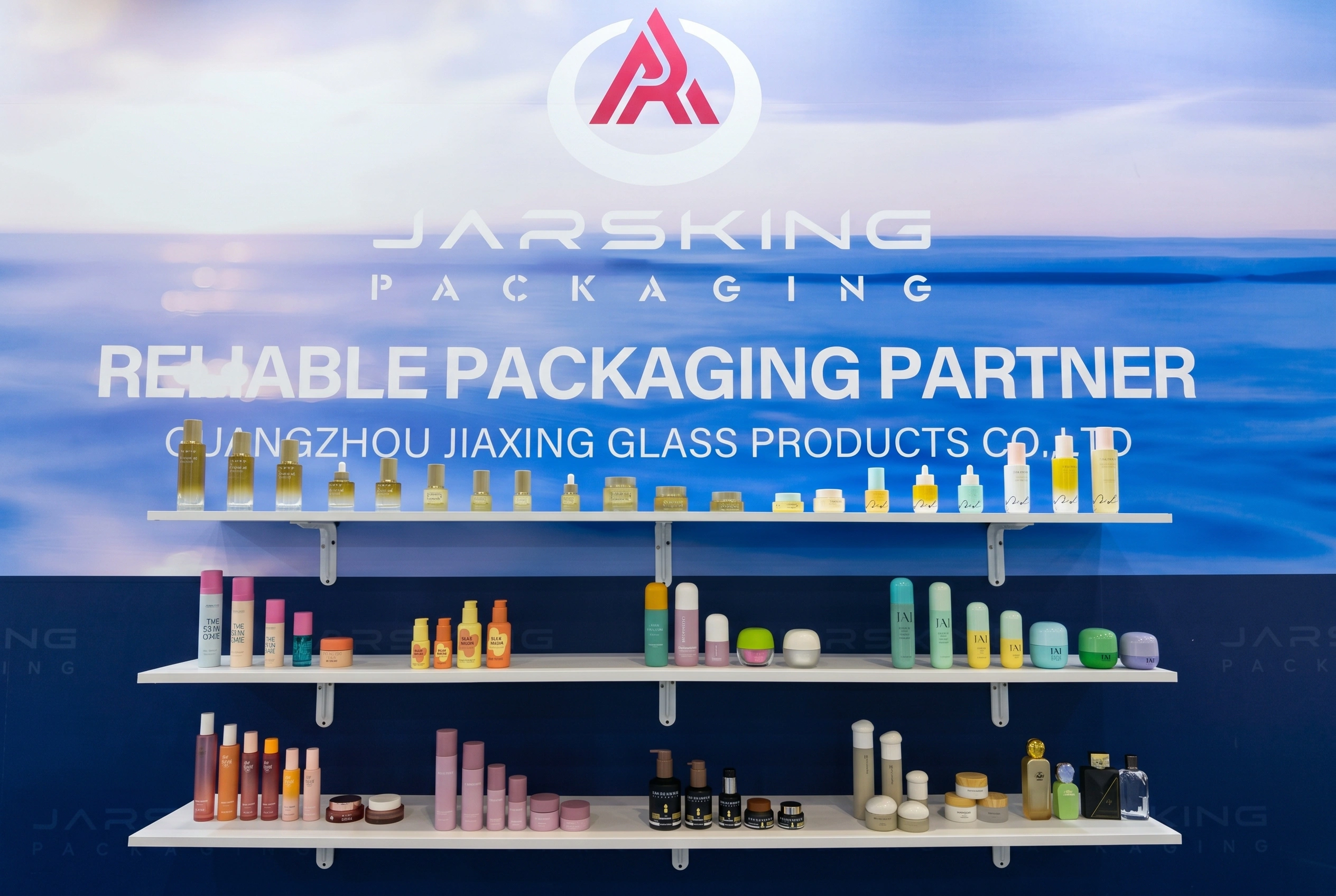
The most productive show visits are not driven only by curiosity. They are guided by a sourcing framework. Buyers who attend Cosmoprof North America Las Vegas 2026 with a clear packaging checklist are more likely to leave with qualified supplier options rather than general impressions.
Material transparency
The first thing to assess is how clearly a supplier understands and explains material structure. Strong suppliers should be able to define the composition of each packaging component, not just the overall product. This includes the primary container, cap, pump, closure, inner parts, labels, sleeves, and decorative treatments. If PCR is used, the supplier should be able to explain exactly where it is used and what documentation supports that claim.
Recyclability by design
A package should be judged as a system. Buyers should assess whether the overall structure supports better recycling outcomes or creates obvious end-of-life problems. Mixed-material assemblies, difficult-to-remove pumps, incompatible sleeves, excessive metallic effects, and decorative complexity may all affect recyclability. In a regulatory and retailer-driven market, these details are no longer minor.
Refillable systems
Refillable packaging should be evaluated carefully, not just admired conceptually. The right questions are whether the consumer experience is intuitive, whether the refill mechanism feels robust, whether the exterior pack still feels premium, and whether the commercial model is realistic in MOQ and replenishment planning. Refill only creates value when it works operationally as well as visually.
Documentation support
In 2026, beautiful packaging with weak documentation is a risk. Buyers should prioritize suppliers who can support recycled-content claims, material declarations, technical files, and broader compliance communication in a clear and structured way. Documentation quality often reveals how mature a supplier really is.
Production capability
Trade shows can create false confidence if brands focus only on samples. A strong sample does not automatically mean a strong supplier. Buyers should consider whether the supplier can handle pilot quantities, full production, repeat orders, changing forecasts, and reasonable lead times. Scale and stability remain critical.
5. Trends that make the show especially relevant in 2026
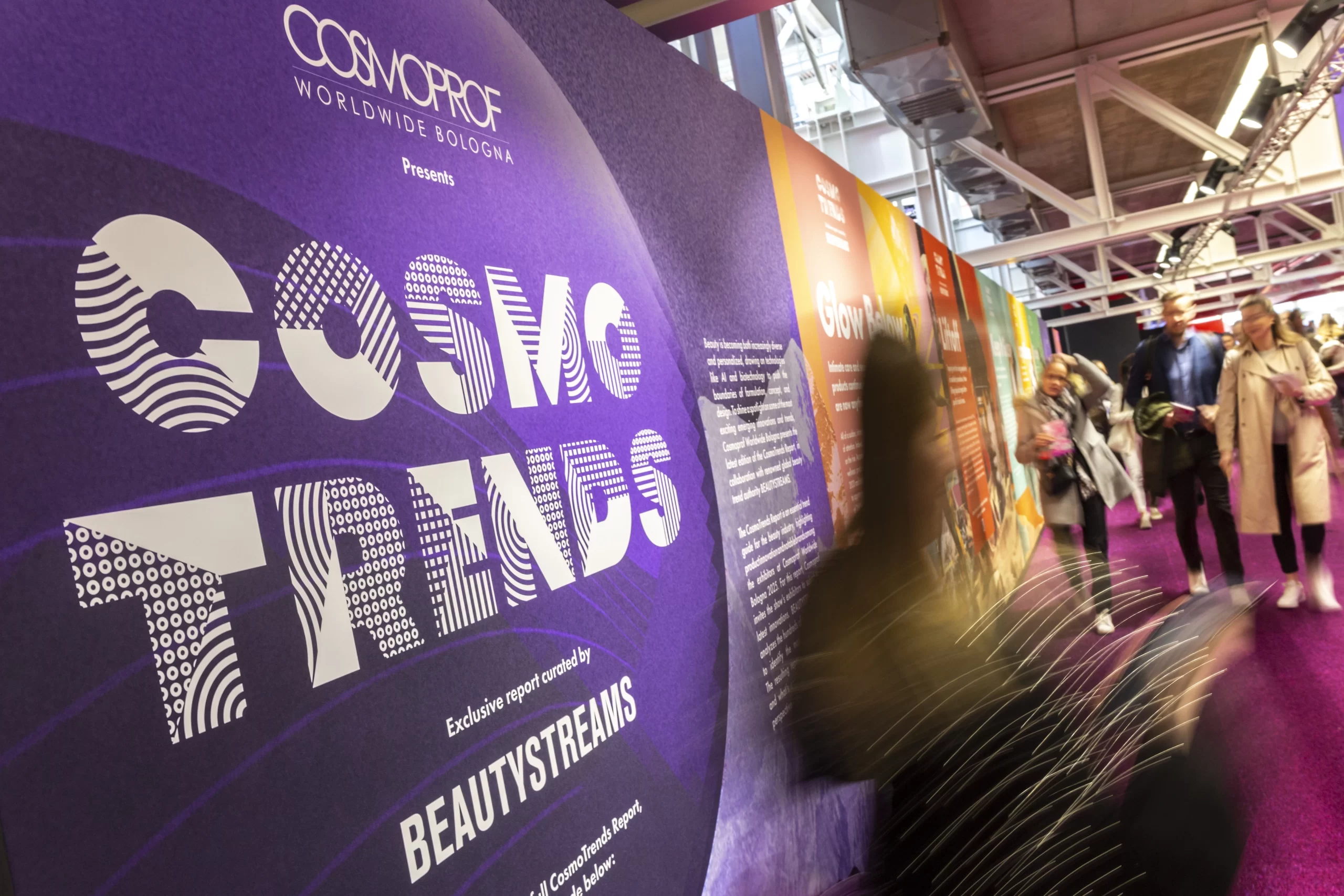
Cosmoprof is always partly about trends, and the event’s own programming reflects that. The official site describes CosmoTrends as the annual beauty trends report that showcases innovative products from Cosmoprof exhibitors. That matters because trend direction often influences what buyers expect from packaging.
The current market is moving toward a more integrated model of packaging value. Buyers want packaging that looks premium, performs reliably, aligns with sustainability expectations, and supports stronger brand storytelling. Trend reporting around 2026 beauty packaging frequently emphasizes purposeful design, sustainability, tactile quality, and packaging that balances aesthetics with function.
This is relevant because it changes how show floor conversations should happen. A supplier should not be evaluated only on whether a package looks “eco” or “luxury.” The better question is whether the packaging can express brand value while still aligning with future market requirements. That is a more sophisticated sourcing standard, and it fits the realities of beauty in 2026.
The event also supports innovation visibility through industry recognition. The Cosmoprof & Cosmopack North America Awards are presented as a competition celebrating innovation in the beauty industry among show exhibitors. Awards and trend programs do not replace technical due diligence, but they do help buyers identify where innovation energy is flowing across the show.
6. How to turn the show into a real sourcing advantage
Attending Cosmoprof can create commercial momentum, but only if the brand has a structured post-show process. Too many teams leave trade shows with samples, catalogs, and business cards, then lose clarity once daily work resumes. The brands that benefit most are the ones that translate the event into an actual decision pipeline.
The first step is supplier triage. Shortly after the show, buyers should sort suppliers into three categories: immediate follow-up, possible later review, and not currently suitable. This prevents high-potential leads from getting lost among general contacts.
The second step is internal review. Samples should be assessed not just by procurement, but by cross-functional stakeholders including product development, brand, operations, and where relevant regulatory or sustainability teams. A good package for the sourcing team may still require design compromise, filling-line adjustment, or retail claim review.
The third step is technical validation. This is where documentation, MOQ, timeline, customization feasibility, and production capacity need to be confirmed. Some suppliers perform strongly during in-person discussion but weaken during follow-up. Others become stronger once the technical conversation begins. This stage is where real supplier quality becomes visible.
The fourth step is phased implementation. Very few brands need to change every SKU at once. Often, the smarter move is to begin with hero products, launches tied to sustainability messaging, or product lines targeting stricter markets. That allows the brand to learn operationally without overcommitting too early.
The fifth step is commercial storytelling. Once the packaging shift is technically grounded, it can become part of the brand’s value proposition. Verified PCR content, reduced material complexity, or refillable packaging architecture can strengthen retailer decks, sustainability pages, product storytelling, and sales conversations. Specificity is what creates credibility.
7. Conclusion
Cosmoprof North America Las Vegas 2026 is more than a major beauty trade show; it is a practical sourcing environment for brands trying to align packaging with the next phase of beauty market expectations. With 26,000 attendee visits, 1,068 exhibitors, 103 countries represented, education formats such as CosmoTalks and Entrepreneur Academy, and a dedicated Cosmopack supply-chain platform, the event offers unusually strong conditions for packaging evaluation and supplier discovery.
At the same time, the regulatory environment is changing fast. The EU PPWR begins applying from August 12, 2026, while California SB 54 continues to shape the long-term direction of recyclable, compostable, and reduced single-use packaging in the U.S. market. That means packaging sourcing in 2026 is no longer just about what looks good now. It is about what remains viable later.
For beauty brands, this creates a clear strategic opportunity. Cosmoprof North America Las Vegas 2026 can be used not only to discover suppliers, but to build a packaging roadmap that is more compliant, more resilient, and more commercially credible. Buyers who approach the show with that mindset will be better positioned to turn packaging from a sourcing task into a long-term competitive asset.
FAQs
What is the EU PPWR and how does it affect beauty packaging?
The EU Packaging and Packaging Waste Regulation (PPWR) entered into force on February 11, 2025 and begins applying from August 12, 2026. It introduces phased requirements for recyclability, minimum recycled content in plastic packaging, packaging minimization, and labeling rules across all packaging placed on the EU market. For beauty brands, it means packaging must increasingly be designed and documented with end-of-life performance and material transparency in mind.
What does California SB 54 require from beauty brands?
California SB 54 requires all single-use packaging sold in California to be recyclable or compostable by 2032, while also targeting a 25 percent reduction in single-use plastic packaging by the same year. It sets a 65 percent recycling rate target for covered plastic packaging by 2032, and its permanent regulations were submitted for final review in March 2026. Because California is one of the largest beauty markets in the U.S., many brands treat SB 54 as a national packaging planning benchmark, not just a state-level requirement.
How should beauty brands evaluate packaging suppliers at Cosmoprof?
Buyers should evaluate packaging suppliers across five key areas: material transparency (exact composition and PCR content per component), design for recyclability (component separability, label compatibility, decoration impact), refillable and reusable system availability, documentation readiness (material declarations, compliance support, technical files), and production capability (MOQ structure, lead time, scale, and quality consistency). Strong suppliers will speak in specifics rather than general sustainability language and should be prepared to share documentation without delay.
When should a beauty brand start a packaging compliance transition?
The earlier the better. Packaging development cycles typically run 90 to 180 days from design confirmation to bulk delivery, and that timeline does not include internal alignment, retailer review, or regulatory documentation preparation. Brands targeting EU markets should be actively evaluating compliant packaging options now, given that several PPWR provisions apply from August 2026, with further requirements phasing in by 2030. Brands in or entering California should factor in SB 54 milestones alongside their product development roadmap.
How does packaging choice affect a brand's ability to enter premium retail channels?
Major beauty retailers including Sephora, Ulta Beauty, and Douglas have developed sustainability-linked product programs that influence which brands receive preferred placement, editorial support, and new brand onboarding opportunities. These programs typically require brands to demonstrate specific packaging attributes such as recycled content levels, recyclability credentials, or reduced material use. A brand with well-documented, compliance-ready packaging is easier to onboard, support, and scale within these retail environments. Packaging quality and compliance documentation have become part of the commercial conversation with retail buyers, not just the product formulation.
How can a beauty brand use Cosmoprof North America Las Vegas 2026 to build a long-term packaging strategy?
Cosmoprof North America Las Vegas 2026 offers an unusually efficient environment for building a multi-year packaging strategy rather than just solving an immediate sourcing need. Buyers can use the show to understand where packaging innovation is heading, identify two or three strong supplier partners to develop over time, assess which sustainable formats are commercially ready versus still conceptual, and calibrate packaging investment against emerging regulatory timelines in Europe and the United States. The most valuable outcome is not a single supplier transaction but a shortlist of qualified partners, a clearer understanding of compliance direction, and a post-show roadmap that connects packaging decisions to long-term brand and market goals.