

1. Introduction: The Decision Nobody Warns You About
Nobody tells you, when you start a beauty brand, how much time you’ll spend thinking about a jar.
Not the formula — you expected that. Not the branding or the pricing or the retail strategy. But the jar? That quiet, unglamorous decision about what your product actually lives in? That one sneaks up on you.
And once you’re in it, you realize quickly that it’s not a simple decision at all. Because the material you put your formula into doesn’t just affect how the jar looks. It affects whether your active ingredients stay stable for 24 months or start degrading in six. It affects whether your product arrives at your customer’s door intact or shattered at the bottom of a box. It affects what a stranger thinks about your brand in the three seconds before they’ve even opened the lid. And it affects how honestly you can answer the question every beauty consumer is asking in 2026: is this actually sustainable, or are you just saying that?
Glass, plastic, and acrylic are the three materials you’ll encounter again and again as you build your packaging strategy. Each one has a real, genuine case to be made for it. Each one has limitations that its advocates tend to gloss over. And the “right” choice is never the same for every brand — it’s always a function of your specific formula, your customer, your price point, your channel, and what you actually believe in.
This guide is going to give you the honest version of this comparison. Not the one where every material is perfect for something and you leave more confused than when you started, but the one that helps you look at your specific situation and say — clearly, confidently — that’s the jar for me.
2. Why Material Selection Matters More Than You Think
Before diving into the specifics of each material, it’s worth spending a moment on why this decision deserves the attention it rarely gets.
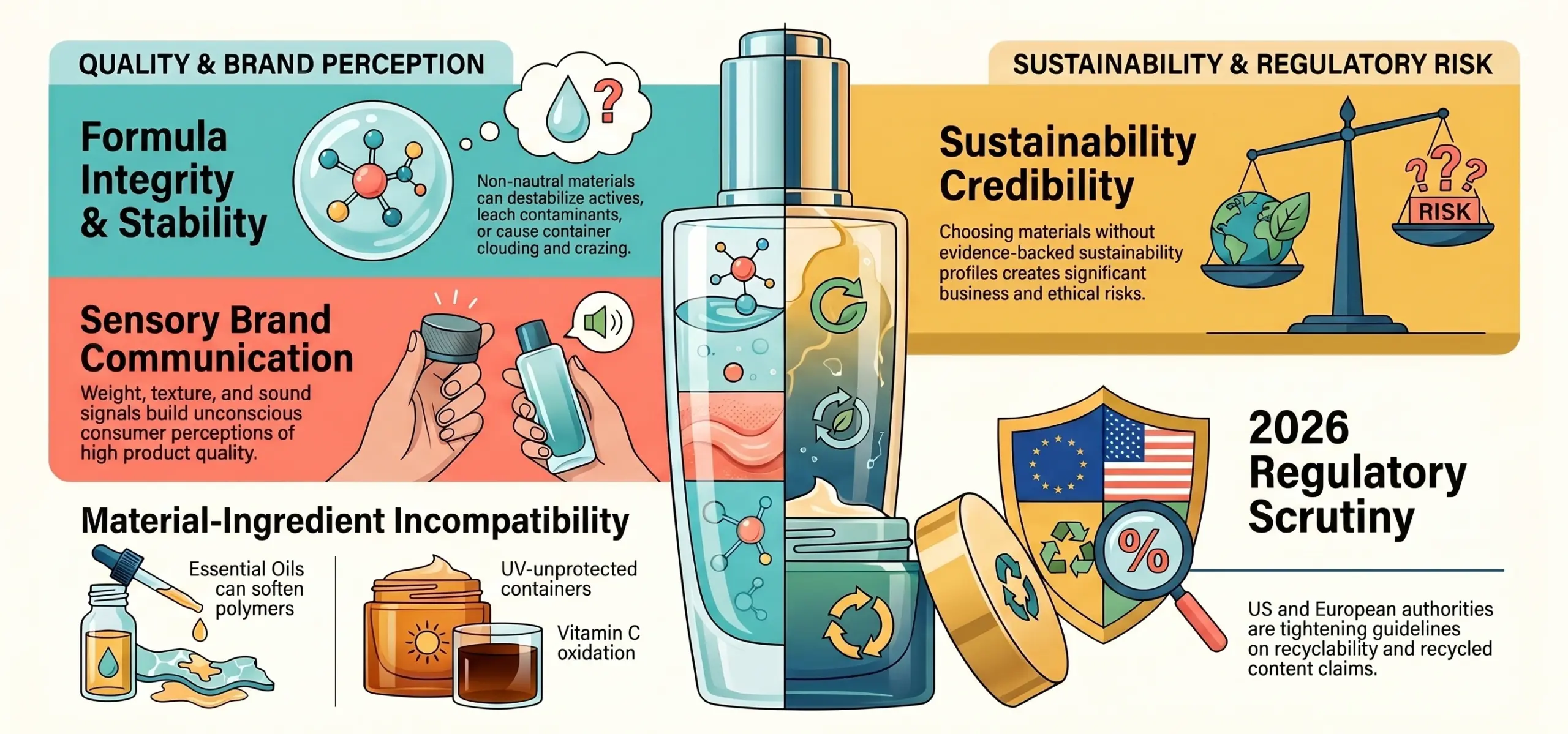
Formula integrity is the first reason. Not all packaging materials are chemically neutral. Certain plastics can interact with specific ingredients — essential oils can cause some polymers to soften or leach, high concentrations of vitamin C can accelerate oxidation if the container isn’t UV-protective, and alcohol-heavy formulations can cloud or craze acrylic over time. Choosing the wrong material for your formula doesn’t just create an aesthetic problem — it can destabilize an active ingredient, shorten shelf life, or in worst cases, introduce contaminants into the product itself. Stability testing exists precisely to catch these incompatibilities before they reach your customers, but material selection is the first line of defense.
Brand perception is the second reason. Consumers make unconscious judgments about product quality in the first few seconds of physical contact with packaging. The weight of a glass jar, the cool smoothness of its surface, the click of its lid — these sensory signals build a perception of quality and care that influences purchasing decisions, repeat purchases, and social sharing. A cheap-feeling jar undermines even the best formula, while well-chosen packaging amplifies it. In a market where the average beauty consumer is more ingredient-literate and packaging-aware than ever before, every material choice is a brand communication.
Sustainability credibility is the third reason. Environmental claims are under enormous scrutiny in 2026. Regulatory bodies in both the US and Europe are actively tightening guidelines around what brands can claim about their packaging’s recyclability, recycled content, and environmental impact. Choosing a material without understanding its true sustainability profile — and the evidence you’d need to support any claim you make about it — is a real business risk, not just an ethical one.
With all of that in mind, let’s look at each of the three main material categories in detail.
3. Glass Cosmetic Jars: The Case for the Classic
There’s a reason glass has been used to hold precious formulations for thousands of years. Long before modern cosmetics, apothecaries stored their most potent preparations in glass vessels. In 2026, the most expensive skincare products in the world — from La Mer’s Crème de la Mer to Augustinus Bader’s The Cream — still come in glass jars. That’s not nostalgia. That’s a material performing exactly as it should for products that demand the very best container.
What Makes Glass Exceptional
Chemical inertness is glass’s defining superpower. Unlike any plastic or synthetic material, glass does not interact chemically with the formulations it contains. It is completely non-reactive, which means it will not leach plasticizers, monomers, or any other compounds into your product regardless of what’s in your formula, how long the product sits, or what temperature it’s stored at. For brands formulating with complex active ingredients — retinoids, AHAs, vitamin C, niacinamide, potent botanical extracts — this is not a minor advantage. It is a fundamental assurance of formula integrity that no plastic can fully replicate.
Impermeability is the second major advantage. Glass creates a completely impermeable barrier to both oxygen and moisture. Nothing gets in, nothing gets out. For formulations sensitive to oxidation or moisture migration, this means superior preservation without over-relying on preservative systems — a meaningful selling point in the clean beauty market where consumers scrutinize preservative choices closely.
UV protection through colored glass. Amber glass — the rich brown-toned glass used in pharmacy and laboratory applications for over a century — blocks UV rays across a broad spectrum, protecting photosensitive ingredients from light-induced degradation. Cobalt blue glass filters different light wavelengths. Frosted glass reduces overall light transmission. These aren’t purely decorative choices; they’re formulation protection strategies embedded in the packaging material itself. For a retinol cream or a vitamin C serum sold in a transparent white jar, light exposure over the product’s retail life can meaningfully degrade active concentration. Colored glass solves this problem elegantly.
The sensory experience. This is the dimension that’s hardest to quantify but easiest to feel. Glass has weight. It has cool smoothness under fingertips. It has a solidity that communicates permanence and care. The sound of a glass lid closing, the heft of a glass jar being set down on a marble bathroom counter — these micro-moments of sensory interaction form a cumulative impression of quality that is deeply difficult to replicate in any other material. In a market crowded with products making similar claims about efficacy and ingredients, sensory packaging experience is a genuine differentiator.
Recyclability. Glass is infinitely recyclable without any degradation in material quality. The same glass can be melted, reformed, and used again indefinitely — a genuinely circular material story that no plastic can match. For brands building an authentic sustainability narrative, glass provides a credible foundation.
The Honest Trade-Offs
Weight and shipping cost. Glass is significantly heavier than plastic or acrylic. For brands with a high proportion of e-commerce sales, this means higher shipping costs per order, higher dimensional weight charges from carriers, and more substantial packaging requirements to protect the jar in transit. At small volumes this is manageable; at scale it becomes a meaningful line item in your cost structure.
Fragility. Glass breaks. Not often when properly packaged, but occasionally — and when it does in an e-commerce context, you’re dealing with a damaged product, a customer service issue, a refund, and a potentially negative review. Brands selling primarily through physical retail channels where the jar travels directly from a shelf to a bag to a bathroom counter face significantly less risk than those whose products spend time in fulfillment centers and delivery vans.
Carbon footprint in transport. While glass is superior on recyclability, its weight means more fuel consumed per jar shipped — a trade-off that sustainability-focused brands need to acknowledge honestly when building their environmental story.
Who Should Choose Glass?
Glass is the right material for brands positioning at the mid-to-premium tier, formulating with chemically complex or photosensitive active ingredients, selling primarily through physical retail, and whose customers place meaningful value on sensory packaging quality. It’s the right choice when your jar will sit on a bathroom counter for months and you want every interaction with it to reinforce confidence in what’s inside.
4. Plastic Cosmetic Jars: The Practical Powerhouse
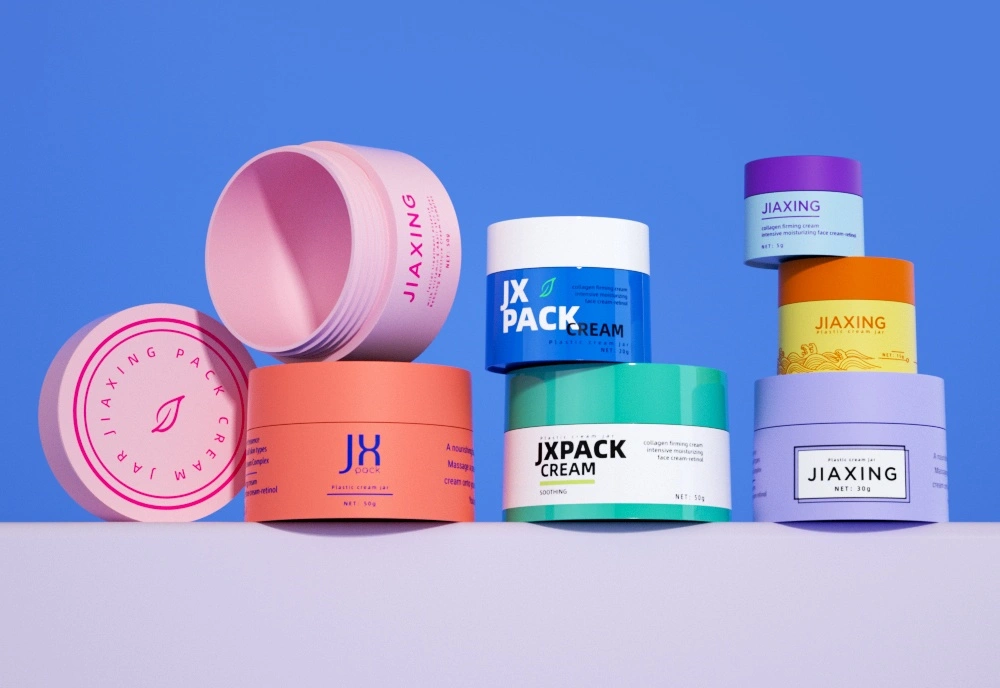
Plastic is the most widely used material in cosmetic packaging globally, and that’s not a coincidence. It earned that position through genuine versatility, accessibility, and a continuous improvement in both performance and sustainability options that has accelerated dramatically in recent years.
The conversation around plastic in beauty packaging in 2026 is more nuanced than it was five years ago. Yes, there are real environmental concerns. Yes, certain plastics have real limitations with certain formulations. But dismissing plastic as simply “bad” ignores the meaningful innovations in recycled content, biobased alternatives, and material science that have transformed what plastic packaging can mean for a brand.
PET: The Clear Choice for Clarity and Durability
Polyethylene Terephthalate — PET — is the plastic most commonly associated with beverage bottles, but it plays a significant and growing role in cosmetic jar packaging. PET is crystal clear, producing a visual appearance that is genuinely comparable to glass at a fraction of the weight. It’s shatter-resistant — this is the critical advantage over glass for e-commerce brands — and it provides a good moisture barrier for water-based formulations.
PET is also one of the most widely recycled plastics in the world. In most developed market municipal recycling systems, PET containers are accepted and processed. For brands who want to make credible recyclability claims, PET provides a more defensible foundation than most other plastics.
The limitations: PET is not the best barrier for oxygen transmission (glass is significantly better), and it’s not as chemically resistant as PP — making it less suitable for oil-heavy or high-pH formulations where PP is the better choice.
PP: The Workhorse of the Industry
Polypropylene is the most chemically resistant of the common cosmetic plastics, compatible with an extremely wide range of formulation types including heavy oils, waxes, high-concentration actives, and most preservative systems. It’s durable, lightweight, cost-effective, and available in opaque, translucent, and semi-clear finishes.
PP is the industry default for good reason: it reliably does its job across a wider range of formulation types than any other plastic. Most cosmetic jar lids — regardless of what the jar body is made from — are manufactured from PP. It’s not glamorous, but it is dependable.
The sustainability conversation around PP is evolving. It is technically recyclable, but actual recycling rates are lower than PET because collection and processing infrastructure is less developed in many markets. This is worth understanding if you intend to make recycling claims about PP packaging.
PCR Plastic: The Sustainability Upgrade
Post-consumer recycled plastic — PCR — is made from recovered consumer waste such as recycled PET water bottles and HDPE packaging. Incorporating PCR content into your cosmetic jars meaningfully reduces the demand for virgin petroleum-based materials and gives a second life to plastic that would otherwise enter a waste stream.
PCR plastic is now available from most major cosmetic packaging suppliers in 30%, 50%, and 100% recycled content options. At high PCR percentages, there can be subtle color variations (PCR plastic is rarely as perfectly clear as virgin PET) and occasionally minor performance differences, but many brands find these trade-offs more than acceptable given the genuine environmental improvement and the marketing authenticity PCR content enables.
In 2026, with FTC Green Guides enforcement increasing and the EU Green Claims Directive taking shape, brands making sustainability claims about their packaging need verified, documented recycled content percentages — not vague “eco-friendly” language. PCR plastic, properly verified, provides that foundation.
The Honest Trade-Offs of Plastic
Perception. No matter how premium the construction, plastic carries a quality perception ceiling in the minds of many consumers — particularly in the prestige skincare segment. A $150 face cream in a plastic jar faces perception challenges that the same cream in a glass jar simply doesn’t. This doesn’t mean plastic can’t be used beautifully at a premium price point, but it requires significantly more investment in secondary packaging, finish quality, and brand storytelling to overcome.
Chemical compatibility. Certain formulation types interact poorly with certain plastics. Essential oil concentrations above approximately 10% can cause some plastics to soften, swell, or leach. Solvent-heavy formulations require careful material selection. Acrylic (discussed separately) is particularly vulnerable to high-alcohol and high-pH formulations. The solution — always — is rigorous stability testing with your specific formulation before approving any plastic jar for production.
Environmental nuance. Not all plastic recyclability claims hold up equally under scrutiny. PP recyclability is genuinely lower than PET in most markets. Acrylic is generally not recyclable at all through standard streams. Mixed-material jars (a plastic body with a different plastic lid) can complicate recycling. If sustainability is a core brand pillar, understanding and being transparent about the actual end-of-life reality of your specific plastic jar is important.
Who Should Choose Plastic?
Plastic is the right material for brands at accessible to mid-range price points, for products that primarily travel through e-commerce fulfillment channels, for formulations that require exceptional chemical resistance (PP), for brands that need low MOQ flexibility, and for launches where cost efficiency is a priority. With the right PCR content and a credible sustainability narrative, plastic can serve brands with genuine environmental commitments as well.
5. Acrylic Cosmetic Jars: The Premium Plastic
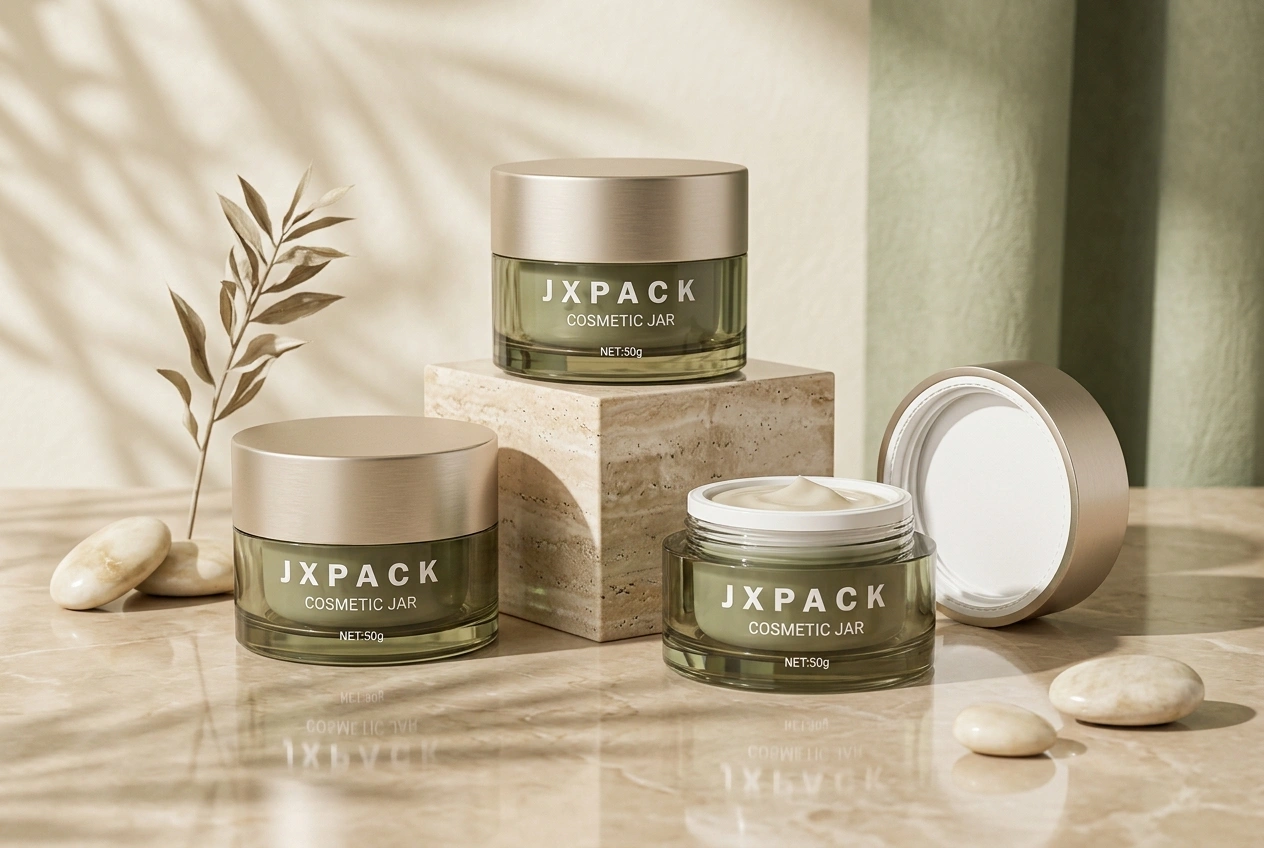
Acrylic — formally known as PMMA, or polymethyl methacrylate — occupies a fascinating middle position in the cosmetic jar landscape. It looks like glass. It feels like glass. It has a visual clarity and weight that puts it dramatically ahead of standard PET or PP. But it’s not glass, and understanding exactly where that distinction matters is the key to knowing whether acrylic is right for your brand.
What Acrylic Does Brilliantly
Visual premium at reduced weight. The defining advantage of acrylic is that it achieves glass-level visual sophistication — the depth of clarity, the refractive quality, the way it catches light — at roughly half the weight of glass. For brands that need the aesthetic of glass but are selling through e-commerce channels where weight and breakage are real concerns, acrylic represents an elegant solution.
Double-walled construction. Acrylic is the dominant material for double-walled cosmetic jars, which feature an outer decorative shell with a visible air gap around an inner product container. This construction creates a jar that feels substantially heavier and more luxurious than its actual weight suggests. It’s the go-to format for prestige eye creams, concentrated anti-aging treatments, and any product where unboxing and countertop presence are core parts of the brand experience.
Tinting, frosting, and custom effects. Acrylic can be produced in almost any color, tinted to any depth of transparency, frosted to a refined matte finish, or combined with metallic inserts and decorative elements that would be difficult or expensive to achieve in standard plastic. It’s a highly workable material from a design standpoint, which makes it a favorite with brands that invest heavily in packaging aesthetics.
Weight and tactile quality. A well-made acrylic jar has a substance and solidity in the hand that separates it clearly from commodity plastic. This tactile quality communicates care and premium positioning in a way that standard PP or PET simply cannot match.
The Honest Trade-Offs
Chemical limitations. Acrylic’s most significant functional limitation is its narrower chemical compatibility window compared to glass or PP. High-alcohol formulations can cause acrylic to cloud, craze, or become brittle over time. High-pH or strongly acidic formulations may cause surface degradation. Fragrance-heavy products can interact with the material. This means acrylic is not appropriate for every formulation type, and stability testing is not optional — it is mandatory.
Recyclability. This is acrylic’s most significant sustainability limitation, and brands should engage with it honestly. PMMA acrylic is generally not accepted in standard municipal recycling streams. Unlike glass (infinitely recyclable) or PET (widely recycled), acrylic typically ends up in landfill at end of life. For brands building a sustainability story, this is a meaningful constraint. Some specialized industrial recycling programs accept PMMA, but these are not widely accessible to consumers and cannot credibly be cited in standard recyclability claims.
Cost. Acrylic jars — particularly double-walled constructions — sit at the higher end of the per-unit cost spectrum compared to standard plastic. For brands that justify this investment with a premium retail price, the economics work. For cost-sensitive product tiers, acrylic may create margin pressure that’s difficult to absorb.
Sensitivity to harsh handling. While acrylic is less fragile than glass, it scratches more easily than glass and can develop surface marks over time from normal bathroom counter use, particularly in clear or highly polished finishes. This is worth considering for products that will be displayed openly on a countertop for months.
Who Should Choose Acrylic?
Acrylic is the right material for brands positioning in the mid-to-premium tier who want glass-level aesthetics with lighter weight and lower breakage risk. It’s particularly suited for facial serums, eye creams, concentrated anti-aging treatments, and prestige products where double-walled construction is part of the luxury experience. It’s the material that makes the most sense when aesthetics are the primary driver and the formulation chemistry is compatible.
6. Side-by-Side Comparison
Understanding each material individually is essential, but making a final decision often requires seeing the trade-offs directly against each other.
| Dimension | Glass | Plastic (PET/PP) | Acrylic |
| Visual premium | ⭐⭐⭐⭐⭐ Highest | ⭐⭐ Moderate | ⭐⭐⭐⭐ Very High |
| Formula compatibility | ⭐⭐⭐⭐⭐ Universal | ⭐⭐⭐⭐ Very broad (PP) | ⭐⭐⭐ Moderate |
| Weight | Heavy | Light | Medium-light |
| Shatter resistance | Low | High | Medium |
| Recyclability | ♻️ Infinitely recyclable | ♻️ PET widely recycled | ❌ Generally not recyclable |
| Unit cost | High | Low-medium | Medium-high |
| Sustainability story | Strong | Good (with PCR) | Weak |
| E-commerce suitability | Moderate | Excellent | Good |
| Best price tier | Premium–Prestige | Accessible–Mid | Mid–Premium |
7. Common Scenarios and What to Choose
Sometimes the cleanest way to apply a framework is through real-world scenarios. Here are some of the most common situations beauty founders face and the material logic that applies to each.
You’re launching a clean beauty face cream at $65 retail, selling primarily through your own DTC website and Instagram.
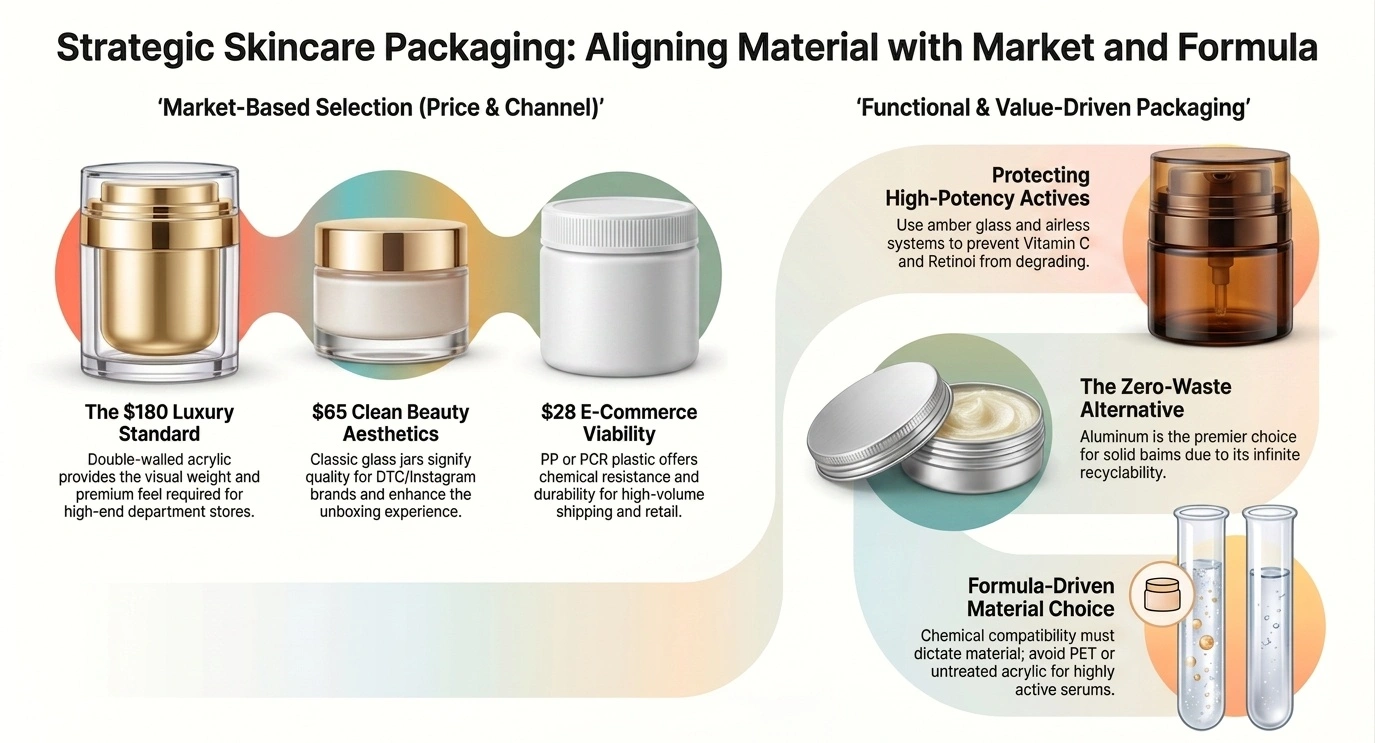
Go with a well-chosen glass jar in a stock shape that fits your aesthetic. At this price point, glass signals quality and aligns with the clean beauty positioning. Choose amber or frosted glass if your formula contains vitamin C or retinol. Invest in an inner liner disc and a dome lid with hot-stamped foil to elevate the stock jar into something that feels curated. Your packaging cost per unit will be higher than plastic, but your price point absorbs it, and the unboxing experience will drive social sharing.
You’re developing a whipped body butter at $28 retail, targeting an e-commerce-first audience aged 25 to 40.
PP or PCR plastic is your answer. The formulation is typically oil-heavy and high-viscosity, which suits PP’s chemical resilience. At this price point, plastic is commercially appropriate. Choose a wide-mouth straight-sided jar in a matte white or soft color, invest in a full-wrap sleeve label with quality printing, and specify PCR content from your supplier. The result is packaging that looks great, ships safely, and has a genuine sustainability story you can stand behind.
You’re creating a prestige eye cream at $180 retail for department store launch.
Acrylic double-walled is your most natural home. The visual weight, the glass-like clarity, the substantial feel of a double-walled acrylic jar at this price point creates the immediate premium impression your price requires. Pair it with a dome lid, an inner spatula, and hot-stamp decoration. Verify that your eye cream formula is acrylic-compatible through stability testing — most gentle, water-based eye cream formulations are — and invest in a secondary carton that reinforces the gifting experience.
You’re formulating an active serum with 15% vitamin C and 0.5% retinol.
This formula has specific requirements. Vitamin C oxidizes easily in the presence of light and air; retinol degrades with light exposure and oxygen. You need UV-protective packaging and ideally an airtight closure system. Amber glass with an airless piston system (if budget allows) or a foil-lined screw-top gives you the ingredient protection your formula demands. Acrylic without UV treatment is not appropriate. Standard clear PET is not appropriate. This is a scenario where formulation chemistry should drive the material decision clearly and non-negotiably.
You’re a zero-waste brand launching a solid face balm at $35.
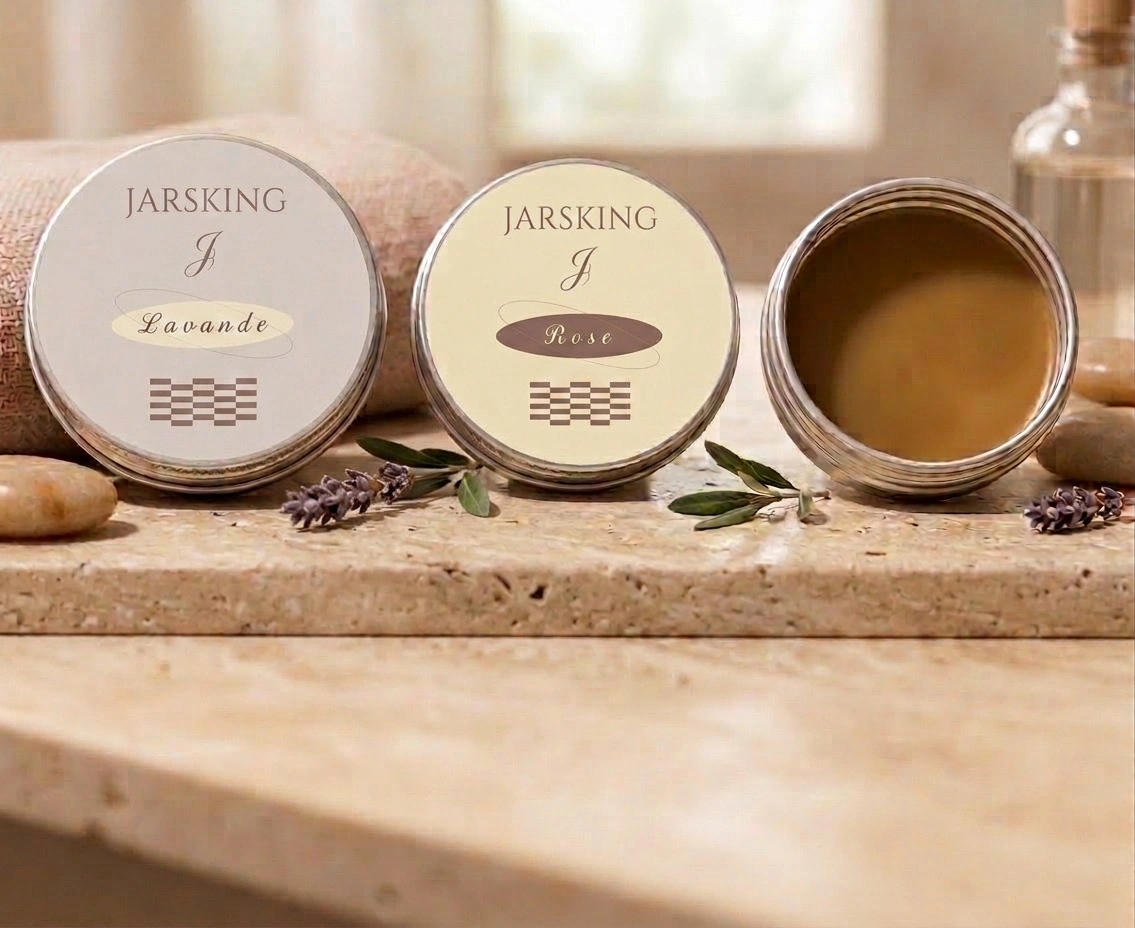
Aluminum is your strongest choice — and arguably worth considering outside the glass/plastic/acrylic comparison entirely. Its infinite recyclability, its premium tactile quality, and its complete alignment with zero-waste brand values make it the most honest material choice for this product and positioning. If aluminum isn’t available in the shape you want, amber glass with a metal lug cap is your next best option.
8. Sustainability Deep Dive: The Full Picture
Given how central environmental impact has become to both brand positioning and regulatory compliance in 2026, the sustainability dimension of this comparison deserves a thorough treatment beyond the comparison table.
Glass: Strong recyclability, honest transport footprint. Glass’s recyclability story is genuinely the strongest of the three materials — infinitely recyclable, no material degradation, well-established infrastructure in most developed markets. The honest counter to this is transport weight. A glass jar that weighs 150g empty versus a plastic jar that weighs 20g means significantly more fuel burned per unit shipped. Brands building a complete lifecycle analysis of their packaging — as increasingly required by EU regulation — need to account for both the end-of-life recyclability and the upstream transport emissions.
Plastic with PCR: A credible, improving story. Virgin plastic is difficult to defend in 2026 without a clear transition plan. But PCR plastic — particularly PCR-PET, which benefits from established recycling infrastructure — represents a meaningful step forward. Brands that can document their PCR percentage with verified supplier certification, communicate it clearly to consumers, and set improvement targets over time are building a sustainability narrative that holds up under scrutiny. The key is specificity: “made with 50% post-consumer recycled plastic” is defensible; “eco-friendly packaging” is not.
Acrylic: The honest conversation. If your brand’s packaging makes sustainability claims and your jar is acrylic, you have a problem that design choices alone cannot solve. Acrylic’s non-recyclability is a real limitation, and the right response is either to not make recyclability claims about acrylic packaging, or to acknowledge the trade-off openly while pointing to other ways the brand is reducing its environmental impact. Brands that claim “sustainable packaging” while using acrylic jars risk the kind of greenwashing scrutiny that can do lasting reputational damage, particularly with younger consumers who are increasingly adept at evaluating these claims critically.
9. The Future: Where These Materials Are Heading
The cosmetic packaging landscape is not static, and the relative position of glass, plastic, and acrylic is shifting in ways worth tracking.
Glass is being reimagined for lightweighting. Advanced glass manufacturing processes are producing thinner, lighter glass jars that maintain chemical inertness and recyclability while reducing the transport weight disadvantage. Brands at the prestige tier are actively investing in lightweight glass as a way to maintain the material’s premium story while improving its sustainability credentials in transit.
Plastic is rapidly incorporating more PCR and biobased content. The direction of travel for cosmetic plastic packaging is clearly toward higher recycled content, biobased alternatives, and mono-material design (a single plastic type throughout the entire jar and lid, to simplify recycling). Brands that position themselves ahead of this curve — transitioning to high PCR content now, before regulation requires it — are building future-proof packaging strategies.
Acrylic’s position is under pressure. As sustainability requirements tighten and consumers grow more sophisticated in evaluating packaging claims, acrylic’s non-recyclability is becoming a more significant liability. The most likely response from the industry is a gradual shift toward high-quality recycled PET as a substitute for acrylic in applications where clarity and visual premium are required — a material that offers similar aesthetic qualities with a meaningfully better end-of-life story.
Aluminum is the emerging challenger. It’s worth noting that aluminum — not discussed as a primary focus in this comparison — is emerging as a compelling alternative to all three materials for specific product categories. Its infinite recyclability, premium tactile quality, and growing design versatility are making it an increasingly competitive choice, particularly for solid cosmetics, balms, and brands with strong sustainability positioning.
10. Your Decision: Bringing It All Together
There is no single right answer to the glass vs. plastic vs. acrylic question — which is exactly why so many beauty brands get tangled up in it. The right answer is always a function of your specific circumstances: your formula, your customer, your price point, your channel, and your values.
What there is, is a right process: start with your formulation’s chemistry requirements, layer in your brand’s positioning and price tier, factor in your sales channel’s practical realities, and then align your material choice with a sustainability story you can actually back up.
The brands that build packaging they’re proud of — packaging that genuinely serves their formula, resonates with their customers, and reflects their values — are almost always the brands that treated material selection as a strategic decision rather than a procurement afterthought.
Your jar is not just a container. It’s a commitment. Make it the right one.
FAQs
What is the biggest practical difference between glass, plastic, and acrylic cosmetic jars?
The most meaningful practical difference comes down to three things: chemical compatibility, weight, and end-of-life recyclability. Glass is chemically inert and infinitely recyclable but heavy and breakable. Plastic — particularly PP and PET — is lightweight, shatter-resistant, and broadly compatible with most formulations, especially with PCR content available. Acrylic sits in the middle aesthetically, looking and feeling close to glass, but it carries a narrower chemical compatibility window and is generally not recyclable. The right material depends entirely on which of these trade-offs matters most for your specific product and brand.
Why do luxury skincare brands almost always use glass?
Because glass delivers the sensory experience that a premium price point demands. The weight, the clarity, the cool smoothness under fingertips, the sound of a heavy lid closing — these are unconscious quality signals that consumers register immediately. Beyond aesthetics, glass is also chemically inert and provides a genuinely superior preservation environment for complex, active-rich formulations. When a brand is charging $100 or more for a face cream, the packaging has to communicate that the product inside is worth it. Glass does that more convincingly than any other material currently available.
Which jar material is best for sensitive skin formulations?
Glass is the safest choice for sensitive skin formulations, precisely because it is completely non-reactive and will not leach any compounds into the product regardless of ingredient concentration or storage conditions. If you’re formulating specifically for sensitive, reactive, or allergy-prone skin — and making that a core part of your brand positioning — glass is the packaging choice that most consistently aligns with and supports that claim.
What happens if I use the wrong plastic for my formulation?
In mild cases, you might see cloudiness, discoloration, or a change in texture — signs that the material and formula are interacting in ways they shouldn’t. In more serious cases, the plastic can soften, swell, or leach compounds into the product, compromising both safety and formula stability. This is exactly why stability testing is non-negotiable. Fill your candidate jar with your actual formulation, run it through accelerated conditions for four to eight weeks, and evaluate the results before committing to a production order. Discovering incompatibility after ordering 20,000 units is a very expensive lesson.
Are there cosmetic jar materials that are better for hot-fill products?
Yes. If your formulation is filled at elevated temperatures — common for wax-based balms, anhydrous products, and certain emulsions — material heat tolerance matters. Glass handles high fill temperatures exceptionally well. PP plastic has a higher heat tolerance than PET or acrylic, making it the preferred plastic for hot-fill applications. Acrylic and PET have lower heat resistance and can warp or deform if filled above their tolerance thresholds. Always confirm the maximum fill temperature your jar can accommodate with your supplier before finalizing your filling process.
What's the single most important question to ask before choosing a jar material?
Ask: ‘what does my formula actually need?’ Not what looks best in a mood board. Not what your favorite competitor uses. Not what’s cheapest or most available right now. What does your specific formulation — its chemistry, its active ingredients, its sensitivity to light, air, and temperature — genuinely require from its container? Let that answer guide your material shortlist. Then layer in aesthetics, sustainability, cost, and channel fit. The brands that get packaging right almost always start from the formula outward, not from the aesthetics inward.