

1. When Light Becomes the Enemy
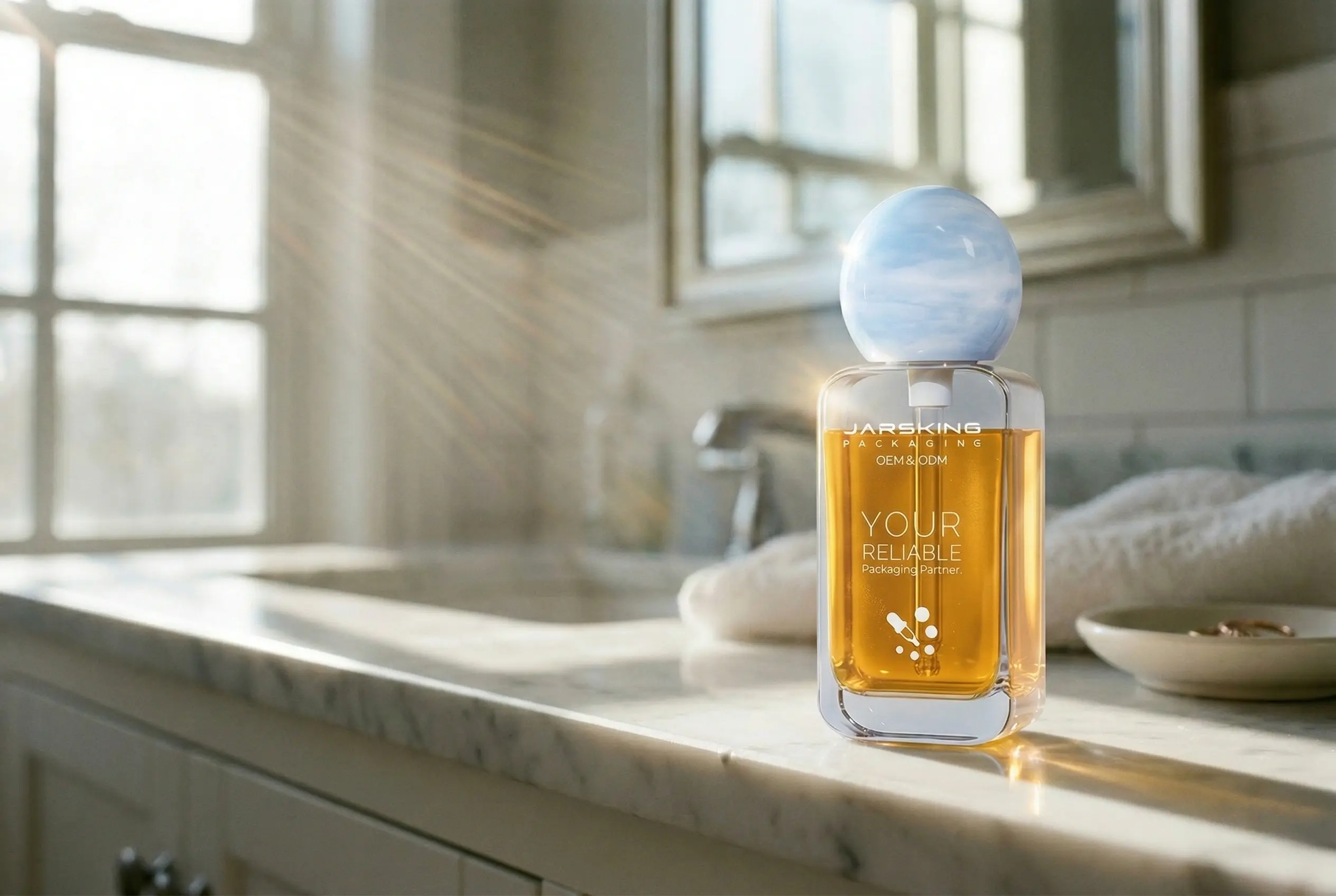
Picture this: a pristine vitamin C serum, painstakingly formulated to 20% concentration, sitting in its elegant clear bottle on a sunlit bathroom shelf. The morning light catches it beautifully. It glows. And molecule by molecule, it’s dying.
That’s not hyperbole — it’s photochemistry. The cosmetics industry pours extraordinary resources into developing precise formulations: exact pH balances, carefully calibrated concentrations, complex delivery systems engineered to produce results you can measure in a mirror. Yet one of the most reliably destructive forces acting on these products is one most brands don’t think hard enough about until a customer emails to ask why their serum turned yellow. Ultraviolet radiation carries enough energy to break chemical bonds, degrade active compounds, and render a carefully engineered formula biologically inert — sometimes within weeks of leaving the factory.
This is the argument for treating packaging as more than a container. At its most sophisticated, packaging is the first and most critical line of defense between a world-class formulation and the photochemical reactions waiting patiently to destroy it. The UV-resistant technologies available today — from amber glass and opaque polymers to surface-applied anti-UV coatings, airless dispensing architectures, and multi-layer barrier laminates — represent a genuine and rapidly evolving field of engineering. Brands that engage seriously with it are the ones whose products actually do what the label says, all the way from factory floor to the moment a customer smooths the last drop onto their skin.
2. What UV Radiation Actually Does to a Formula
To appreciate the solution, you need to feel the weight of the problem. Ultraviolet radiation divides into three bands: UVA (320–400 nm), UVB (280–320 nm), and UVC (100–280 nm). UVC is largely neutralized by the Earth’s atmosphere and isn’t a meaningful packaging concern. UVA and UVB, however, pass right through most packaging materials as though they weren’t there. UVA is the more insidious of the two — its longer wavelength gives it deeper penetrating power, meaning it doesn’t just damage the packaging surface but travels clean through the walls and into the formula inside.
The Chain Reaction Nobody Sees
The primary way UV radiation destroys cosmetic formulations is through photooxidation — a cascade process that, once started, is difficult to stop. UV photons strike molecules like retinol, ascorbic acid, or the unsaturated fatty acids in botanical oils. Those molecules absorb the energy, their electrons leap into excited states, and they immediately react with dissolved oxygen to produce free radicals. Free radicals attack neighboring molecules, those molecules generate more free radicals, and the chain reaction propagates through the formula like a slow-burning fuse.
Vitamin C is the textbook casualty. L-ascorbic acid oxidizes to dehydroascorbic acid, then further to diketogulonic acid — a compound with zero biological activity and a distinctly yellow-brown color. A consumer paying a premium for a brightening serum receives no benefit from that formula. They just don’t know it yet. Retinol follows a similar path: its photooxidation products don’t merely fail to perform, they can actively irritate skin, turning an expensive anti-aging product into a liability. Essential oils — common in natural and aromatherapy-positioned cosmetics — break down into sensitizing terpene oxidation products under UV exposure. In each case, the damage is invisible to the consumer right up until it isn’t.
The Packaging Pays a Price Too
UV radiation doesn’t stop at the formula. Pigmented polymers lose color and become brittle under prolonged UV exposure. Labels fade, printed finishes dull, and the physical integrity of the packaging gradually deteriorates. For luxury brands whose packaging is as much a product as the formula inside — where the unboxing experience is engineered as carefully as the formulation — this kind of degradation is a direct hit to brand equity. UV-cured inks offer meaningfully better photostability than conventional alternatives, their cross-linked polymer networks resisting fading far longer — but protecting the printing is only part of the job. The substrate and the product it contains both need active attention.
3. The UV Protection Toolkit
The good news is that the industry has developed a rich set of strategies for managing UV exposure, and the most effective packaging solutions layer more than one of them.
Starting With the Material Itself
The simplest defense is a material that blocks UV by its fundamental nature. High-density polyethylene (HDPE) is opaque and inherently resistant to UV penetration — which is a big part of why it remains a preferred choice for products with light-sensitive actives despite not being the most visually glamorous material available. PETG, formulated with UV-absorbing additives, offers good blocking performance while retaining some visual clarity.
The UV stabilizer chemistry built into premium polymer packaging falls into three broad classes that work best together: UV absorbers convert UV radiation into harmless heat; free radical scavengers interrupt the oxidative chain reaction before it can propagate; and hindered amine light stabilizers — HALS — work catalytically alongside UV absorbers, scavenging the free radicals generated as the absorbers themselves degrade, effectively regenerating their protective capacity over time. Premium cosmetic packaging blends all three classes, building a layered protection system directly into the material rather than relying entirely on surface treatments.
The Elegant Simplicity of Opacity
Sometimes the most architecturally straightforward solution is also the most reliable. A material that transmits no light allows no UV photons to reach the product — full stop. Opaque white, black, and heavily pigmented plastics block essentially all UV transmission, and they’re a natural fit for sunscreen products where the brand messaging (protective, outdoorsy, clinical) and the functional requirement align seamlessly.
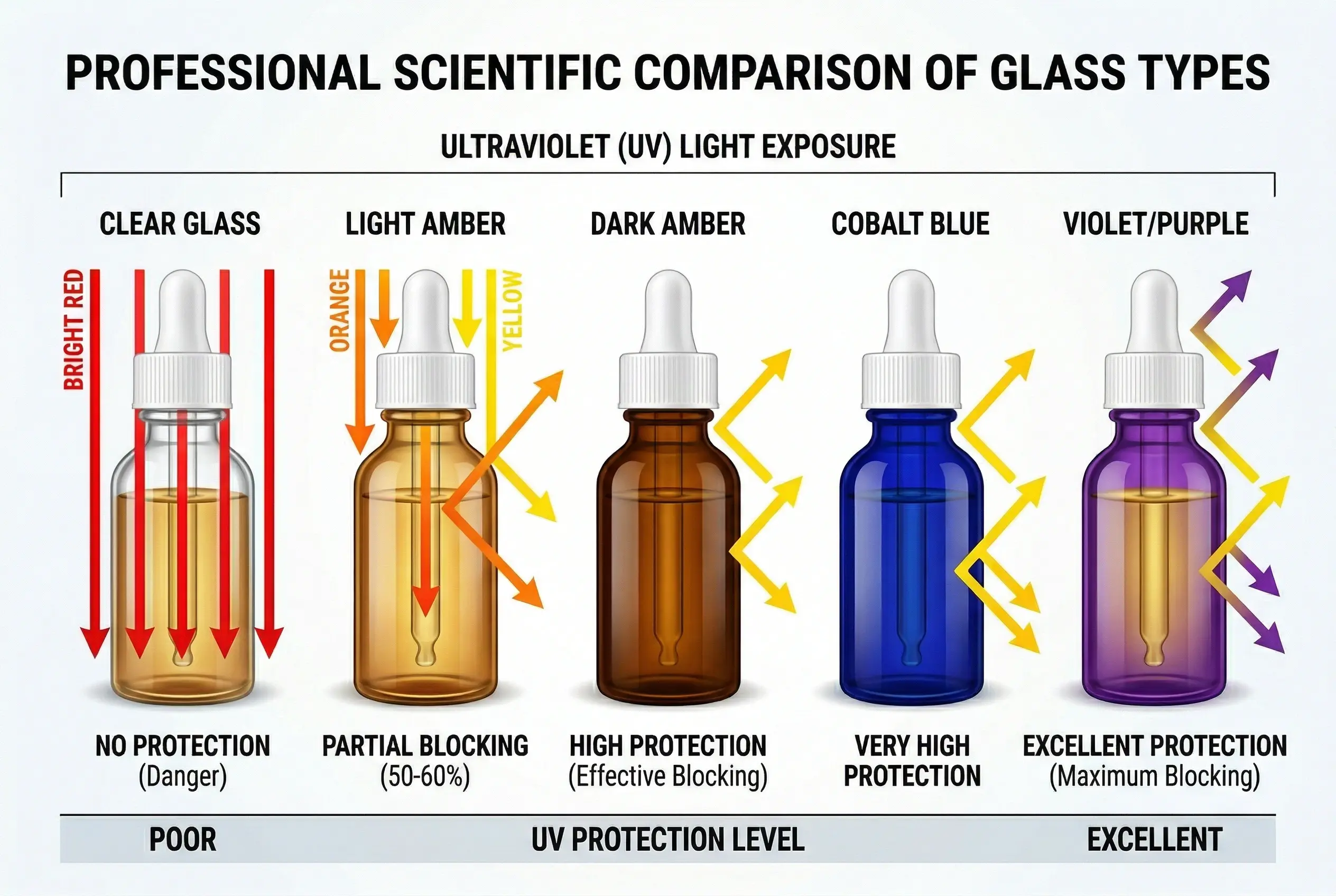
Pigmented glass is where this principle becomes genuinely beautiful, and where the science gets usefully specific. Amber glass, formed by iron-sulfur complexes in the glass matrix, blocks virtually all UV radiation below 450 nm and provides strong attenuation well into the visible spectrum — the most comprehensive UV protection available from a glass color. Green glass, produced by iron oxide, offers moderate protection and communicates natural, botanical brand values. Clear glass provides almost no UV protection at all. And blue glass — here’s the counterintuitive part — also offers limited protection despite its rich visual color, because its transmittance window overlaps considerably with the UVA band. Glass color selection, then, is a precision engineering decision with real formulation consequences, not merely an aesthetic preference.
Othilapak’s glass packaging range is built around this science. Their amber and frosted glass bottles are specifically recommended for formulations containing vitamin C, retinol, and essential oils — the most photosensitive categories of cosmetic actives — because those are precisely the formulations that amber’s iron-sulfur matrix chemistry is best equipped to protect.
4. Engineering the Invisible Shield: Anti-UV Coatings
Now we arrive at the most technically compelling chapter in UV-resistant packaging — the one that confronts the central tension in modern packaging design head-on.
Brands want consumers to see their products. The jewel tone of a well-formulated active serum, the cloud-white clarity of a premium SPF emulsion — these visual qualities communicate purity and invite purchase. Transparency is a language of trust in cosmetics. Yet a clear bottle in sunlight is, at the molecular level, an open window: UVA radiation passes through unmodified glass or acrylic largely unimpeded, reaching the formula inside and setting off the photooxidative cascade described above.7
The conventional answer — go opaque — works perfectly well, but it closes off the entire visual vocabulary of transparent packaging. Brands whose identity rests on communicating luminosity, hydration, and clinical clarity have historically had to choose between aesthetics and protection. Anti-UV coating technology is precisely the innovation that dissolves that trade-off.
The Chemistry Behind the Coating
An anti-UV coating is not a tinted lacquer. It is a formulated system containing UV-absorbing chromophores — molecules with aromatic ring structures, typically benzophenone or triazine derivatives — dispersed within a polymer binder that cures into a hard, optically clear film on the outer surface of the packaging. When UV photons strike the coated surface, the chromophore molecules absorb that energy and re-emit it as heat through internal conversion, before it can penetrate the substrate or reach the product. The engineering precision required here is considerable: the chromophores must cover the full UVA and UVB range (280–400 nm) without absorbing into the visible spectrum above 400 nm, because any visible-range absorption would introduce unwanted color into an otherwise transparent coating.
Long-term chromophore stability is equally critical. Some UV absorbers undergo their own photodegradation — UV absorber bleaching — and lose protective capacity as a product ages through its 12–24 month shelf life. This is where HALS earn their place: rather than absorbing UV themselves, they scavenge the free radicals produced as UV absorbers begin to break down, regenerating the absorber’s protective function and extending the operational life of the coating significantly beyond what UV absorbers alone could maintain.
The Othilapak Anti-UV Painting Flat Round Bottle Series
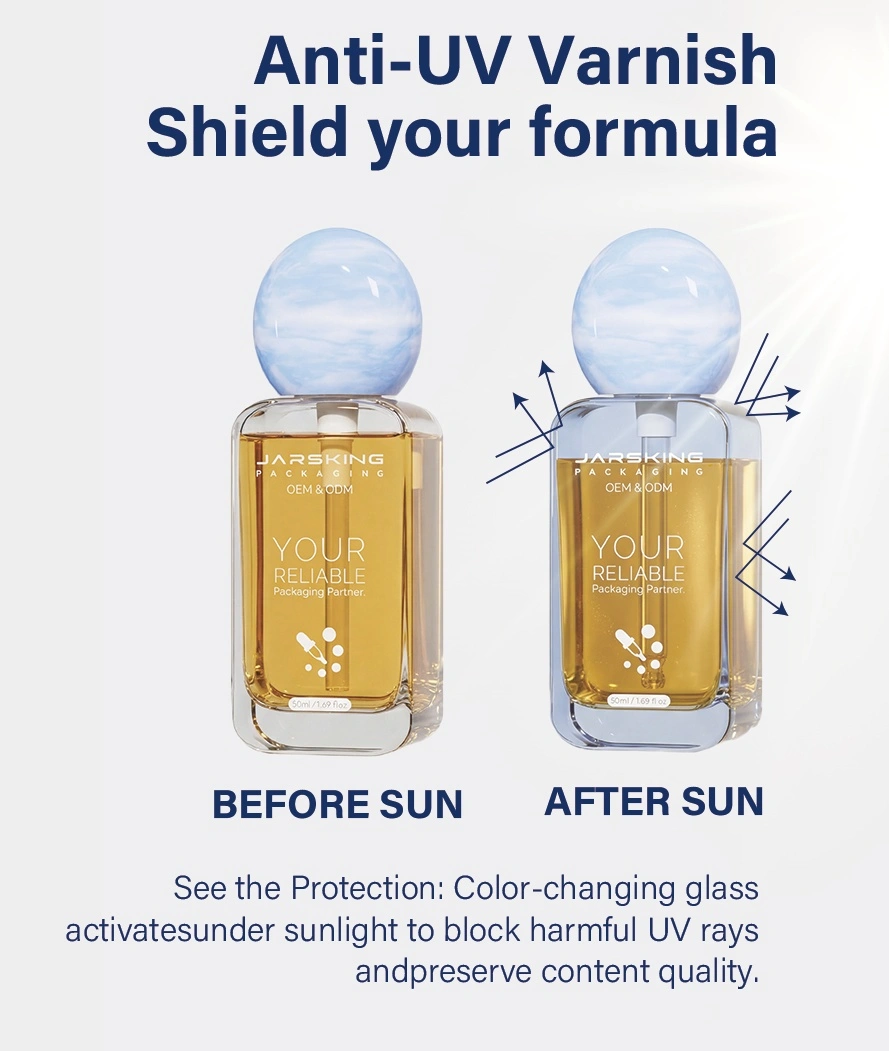
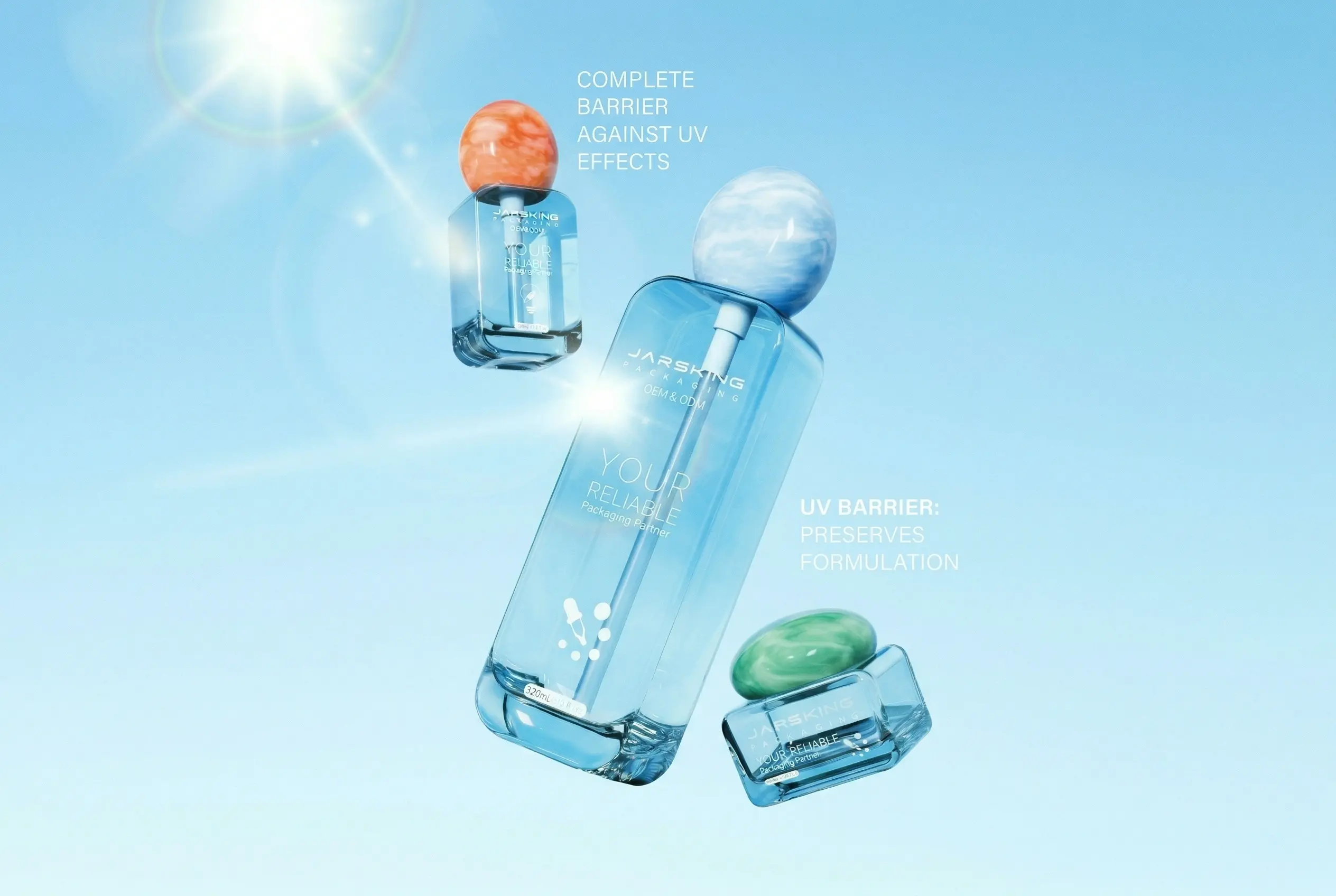
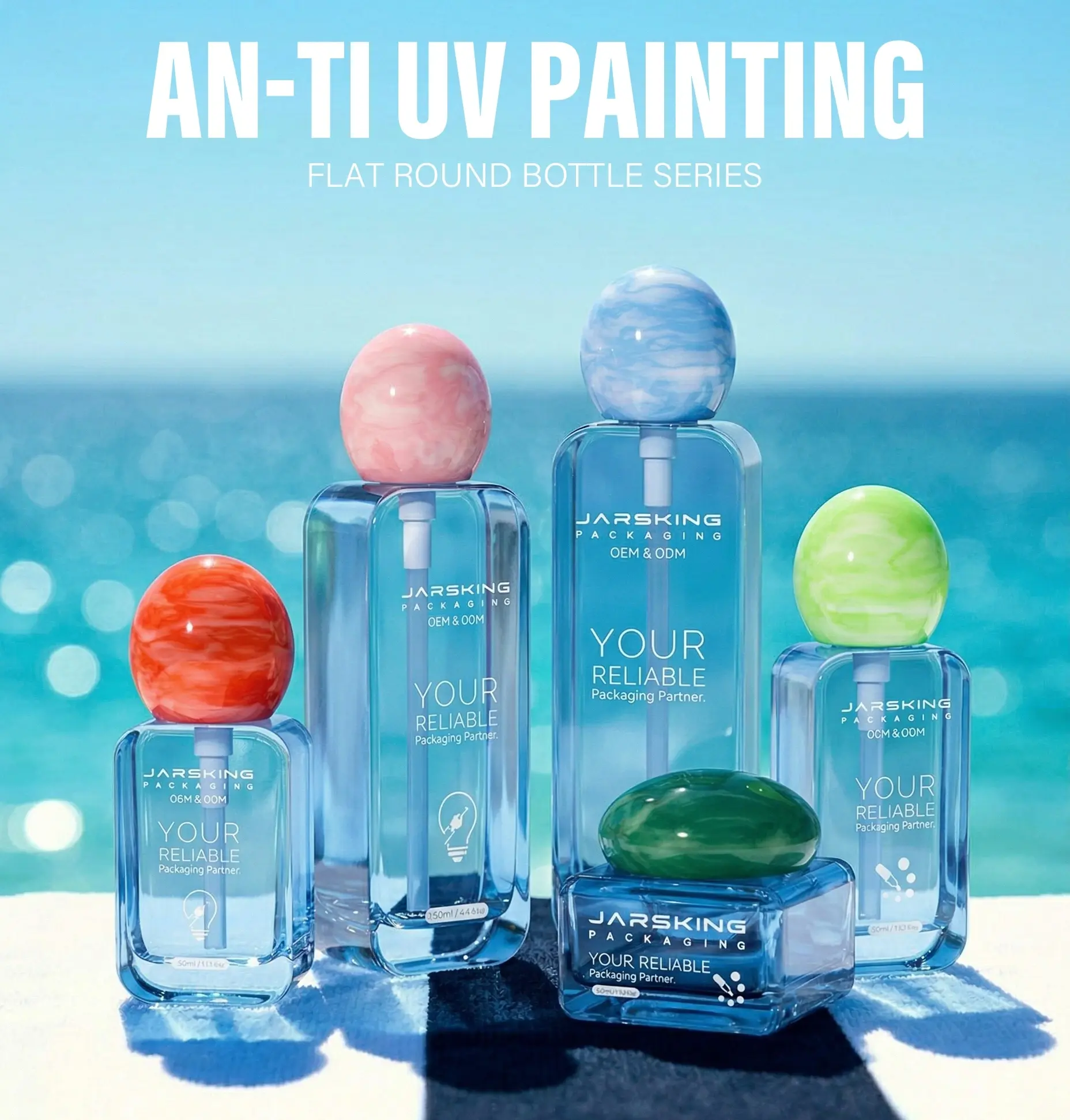
Othilapak’s Anti-UV Painting Flat Round Bottle Series puts this chemistry into vivid commercial practice. The bottles — available across a range of sizes, with a matching cream jar completing the collection — are built on a fully transparent substrate, with a proprietary anti-UV painting applied to the outer surface. The result is a two-stage attenuation system: the anti-UV coating handles the primary UVA and UVB barrier function at the surface, while the transparent substrate allows the formula’s color and clarity to remain fully visible inside.
This is the design challenge at its most direct — a bottle that looks completely open to the eye while being functionally closed to UV radiation. The coating must carry the full protective burden without any color or opacity assist from the substrate, which demands chromophore selection and coating thickness precision that a tinted substrate would make easier to achieve. That the series achieves genuine UV attenuation while maintaining perfect visual transparency is a demonstration of how far coating formulation science has advanced.
The formulation categories this series is designed for are precisely those most vulnerable to UV degradation: toners, essences, serums, and treatment mists. These products frequently contain niacinamide, ascorbyl glucoside, gallic acid, and other polyphenolic or hydroxyl-bearing actives whose antioxidant efficacy depends on maintaining reduced chemical states — states that UV radiation readily disrupts. A serum in an uncoated clear bottle, sitting in indirect natural light for eight hours a day, can lose a measurable fraction of its active potency within weeks. Invisible to the consumer, but chemically real, and commercially damaging to the brand’s efficacy narrative.
There is a satisfying conceptual elegance to this: the molecular mechanisms of organic UV absorbers in sunscreen formulations and in anti-UV packaging coatings are chemically identical. The same chromophore classes, the same photostability challenges, the same HALS co-stabilization solutions — shared between the two fields. The bottle is wearing SPF so the formula inside doesn’t have to. That’s not a marketing line. It’s a precise description of the underlying chemistry.
5. Advanced Packaging Architectures
Surface coatings are one powerful layer of the UV protection story. Structural packaging architectures provide another, and the most robust solutions use both.
Airless Pump Systems: Blocking Two Threats at Once
Airless pump technology was developed primarily to prevent oxidation — to stop product from contacting atmospheric oxygen through conventional dip-tube pump mechanisms. The UV protection benefit is a compelling bonus: by enclosing the product in an opaque reservoir with no transparent viewing window, airless systems eliminate the UV radiation pathway entirely. The piston-based dispensing mechanism means the product is never exposed to either air or light during use, making airless the natural architecture for formulations with the dual vulnerability profile of vitamin C and retinol products.
Othilapak’s airless packaging range addresses precisely this dual challenge — protecting active ingredients from both UV exposure and oxidation simultaneously in a single integrated solution. Their double-layered airless pump bottles add a further level of UV attenuation while communicating the premium aesthetic that prestige skincare brands require. For a retinol serum or a vitamin C treatment oil, this isn’t overengineering — it’s exactly the right level of protection.
Multi-Layer Laminates
In flexible packaging — tubes, sachets, stand-up pouches — multi-layer laminate films stack barrier layers to achieve protection that no single material delivers alone. A well-designed UV-protective laminate combines a metallized or aluminum foil layer (completely opaque to UV radiation) with structural polymer layers for durability and an outer printed surface for brand expression. When properly laminated, the metallic barrier approaches 100% UV attenuation, outperforming even the best polymer UV-absorber systems.
Double-Walled Acrylic
Double-walled acrylic has become a favored architecture for premium skincare brands that want both visual elegance and real protection. The outer wall handles aesthetics and brand identity; the inner wall — typically opaque or UV-absorbing — does the protective work. The air gap between them adds thermal insulation, buffering against temperature fluctuations that can also accelerate chemical degradation. For a prestige serum positioned at the intersection of luxury and clinical efficacy, it’s a compelling combination.
6. Othilapak’s UV-Resistant Packaging Portfolio
Othilapak has built its entire product range around the premise that packaging should be engineered to the photostability requirements of the formula it houses — not selected on aesthetics and then hoped to be adequate.
Sunscreen Bottles: The Ultimate Photostability Challenge
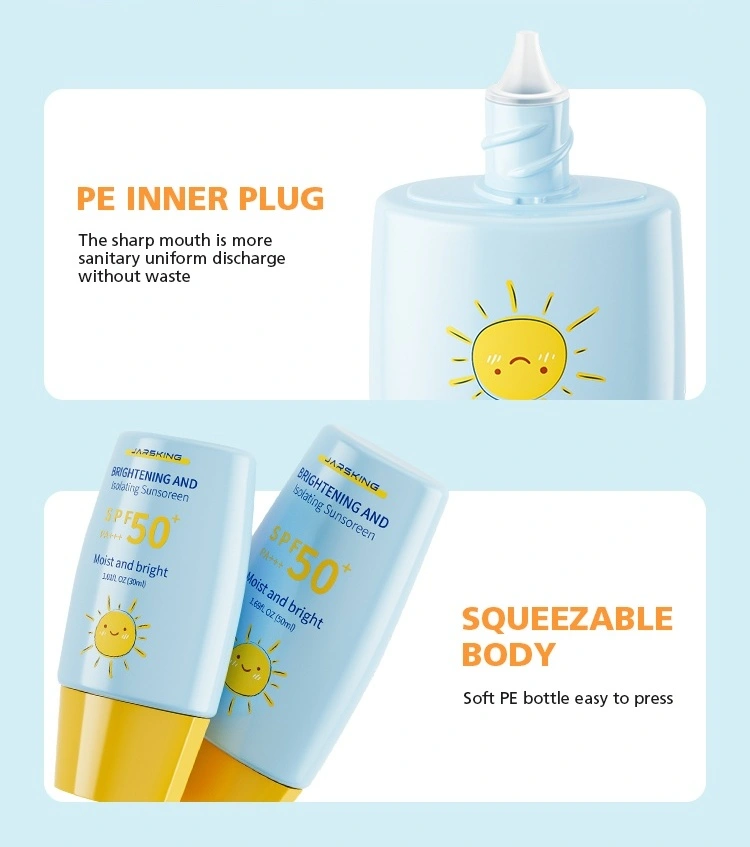
Sunscreen is perhaps the most irony-laden formulation challenge in all of cosmetics. The active molecules — avobenzone, oxybenzone, zinc oxide, titanium dioxide — are specifically designed to absorb and scatter UV radiation. And those same molecules can be degraded by UV radiation during storage, before the product ever reaches a consumer’s skin. Avobenzone is particularly photo-unstable without photostabilizers, and even a well-photostabilized formula begins to degrade if the packaging doesn’t provide adequate UV shielding.
Othilapak’s sunscreen bottle range meets this challenge with a portfolio spanning HDPE bottles (leveraging HDPE’s inherent opacity for comprehensive UV blocking), PP formats for travel sizes, and custom PET constructions with UV-protective treatments. All materials are BPA-free, odor-free — an important detail for fragrance-containing sunscreens — non-toxic, and engineered to resist warping in high-temperature outdoor conditions.
Serum Bottles: Protecting the Active That Makes the Promise
The vitamin C and retinol treatment categories are the proving ground for UV-resistant serum packaging. Othilapak’s response is amber and frosted glass, each serving a distinct function. Amber glass — its UV-blocking properties arising from iron-sulfur complexes in the glass matrix — blocks virtually all radiation below 450 nm, providing comprehensive protection against the UVA and UVB wavelengths that drive L-ascorbic acid and retinoid degradation.
Frosted glass works differently and serves a subtly different purpose. Rather than absorbing UV, it scatters both UV and visible light at the surface, reducing total transmission while delivering a distinctive diffuse aesthetic that many prestige brands associate with clinical credibility. It’s a choice that lets the packaging communicate the premium character of the active formulation while genuinely protecting it — form and function reinforcing each other rather than competing.
Airless Cosmetic Tubes: Function and Sustainability Together
Othilapak’s eco-friendly airless tube is one of the clearest examples of UV protection and sustainability functioning as co-design objectives rather than trade-offs. The tube composition — 60% plastic, 40% paper — reduces total plastic consumption by 40%, while the paper component’s inherent opacity contributes directly to UV blocking. The airless mechanism preserves product freshness, ensures precise dosing, and delivers hygienic application for formulations used near the eyes or on sensitized skin. For a brand formulating with peptide complexes, vitamin C derivatives, or sensitive botanicals, this is a genuinely comprehensive answer — addressing UV exposure, oxidation, hygiene, and environmental impact in a single architecture.
Glass: Ancient Material, Precise Performance
Glass has protected formulations for centuries, and for good reason: it is chemically inert, impermeable to gases, infinitely recyclable, and in the right colors, an excellent UV barrier. Othilapak’s luxury glass collection covers bottles and jars designed for premium skincare, fragrance, and wellness — with amber and frosted options for the most photosensitive formulations and green glass for brands whose natural positioning benefits from that visual reinforcement. The recyclable character of all glass options makes it not just a UV protection technology but a sustainability credential — relevant in a market where 85% of consumers report actively prioritizing eco-friendly beauty products.
HDPE and PCR: Pragmatic Protection
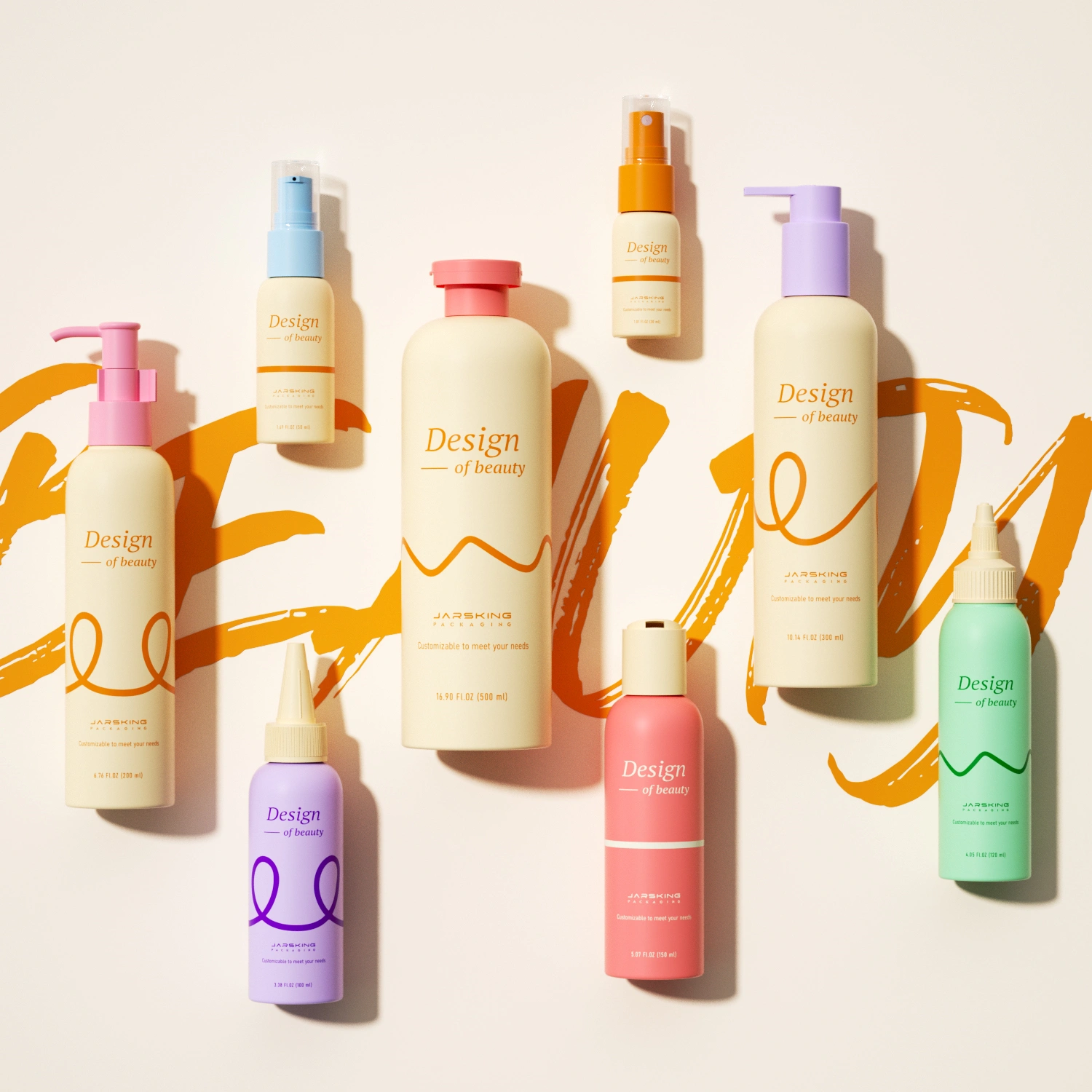
HDPE bottles do a straightforward and effective job: their inherent opacity blocks UV across the board without requiring additional coatings or additives. Othilapak’s range covers the full spread from shampoo and conditioner to body lotion and sunscreen formats, with lotion pumps providing efficient dispensing that keeps the product sealed between uses. Their PCR (Post-Consumer Recycled) packaging extends this protection to a sustainable material base — recycled polymer maintains the UV-blocking properties of virgin material while diverting plastic waste from landfill. For brands with meaningful sustainability commitments, this isn’t a compromise. It’s simply the better answer.
7. The Regulatory and Sustainability Landscape
UV-resistant packaging sits at a productive intersection of materials science, formulation chemistry, and regulatory compliance. In the US, the FDA classifies sunscreens as OTC drugs — a designation that subjects sunscreen packaging to stricter requirements around labeling, child resistance, and material compatibility than standard cosmetics face. With the FDA expected to issue substantive updates to sunscreen rules in 2026, including potentially new approved UV filter ingredients, packaging decisions made now will need to accommodate those changes.
On sustainability, the trajectory of UV-resistant packaging technology is encouraging. Modern spray-based UV coating systems have reduced paint consumption by up to 70% compared to conventional methods; the UV curing process uses approximately 20 kW of energy versus 100 kW for conventional thermal ovens — a significant reduction in carbon per unit produced. Refillable packaging formats with UV-protective outer shells are emerging as a premium sustainability strategy, extending the useful life of high-quality UV-protective packaging across multiple product cycles while reducing single-use waste. The industry is learning that UV protection and sustainability don’t have to pull against each other — they can, and increasingly do, pull in the same direction.
8. The Near Future: Packaging That Thinks
The next frontier in UV-resistant cosmetic packaging goes beyond passive protection. Photochromic materials — compounds that change color in response to UV exposure — can be built into packaging to create real-time UV indicators, alerting users when a product has been exposed to potentially damaging radiation levels. SR Packaging has already commercialized UV-alarm tubes, bottles, and jars that change color to signal when sunscreen should be reapplied or kept out of direct light. This transforms UV protection from a silent background engineering function into a visible, communicable product feature — something a brand can demonstrate, and a consumer can respond to.
Digital integration extends this further still: QR codes linked to UV exposure tracking apps, embedded sensors logging cumulative UV dose across a product’s lifetime. For cosmeceutical and clinical skincare brands where active ingredient potency is a measurable, clinical claim, real-time integrity monitoring is not a gimmick — it’s a meaningful quality assurance tool.
9. Choosing the Right UV-Resistant Packaging
There is no single correct answer to UV-resistant packaging selection — the right choice sits at the intersection of formulation vulnerability, brand aesthetic, commercial context, and sustainability commitment. A few guiding principles help navigate the decision:
- Match the protection level to the photosensitivity: Vitamin C, retinol, and avobenzone-based sunscreens need maximum protection; emollients and preservatives need far less. Don’t over-engineer — but absolutely don’t under-engineer where the active is the whole value proposition
- Don’t sacrifice brand identity unnecessarily: Anti-UV coatings on clear bottles exist precisely because the choice between aesthetic and protection is a false one. Use the technology that dissolves the trade-off
- Think carefully about the use environment: A sunscreen for beach use faces temperature, physical abrasion, and intense UV simultaneously. A serum for nighttime bathroom use faces a different profile. The packaging should be designed for the actual conditions of use
- Align packaging with sustainability commitments from the start: PCR materials, composite paper-plastic constructions, and refillable formats can deliver equivalent UV protection at meaningfully reduced environmental cost — and consumers notice
- Build for regulatory compliance by design: Particularly for sunscreen, designing to FDA OTC and EU Cosmetics Regulation requirements from the packaging stage avoids costly redesigns when rules change
10. Packaging as an Active Ingredient
The most important reframe in modern cosmetics packaging science is this: packaging is not passive. Every material, every coating, every glass color, every dispensing architecture is an active decision about how much UV radiation will reach the formula inside and how quickly active ingredients will degrade. Done well, UV-resistant packaging is itself an active ingredient — one that extends shelf life, preserves the efficacy that justifies a product’s price point, protects consumer investment, and guards the brand’s credibility against the quiet erosion of photochemistry.
The technologies available to achieve this — HALS-stabilized anti-UV coatings on transparent bottles, amber and frosted glass, airless dispensing systems, composite paper-plastic laminates, PCR substrates — represent a mature and rapidly advancing engineering discipline. Othilapak has built its portfolio around exactly this discipline, engineering each product category to the photostability requirements of the formulations it is designed to house.
The brands that take this seriously will be the ones whose vitamin C serums actually brighten skin three months after purchase, whose sunscreens deliver the SPF on the label through a full summer, whose retinol treatments deliver anti-aging results without sensitizing reactions from degradation products. In a market where consumer trust is earned one reliable result at a time, that is not a marginal advantage. It is, genuinely, the whole game.
FAQs
Why does UV radiation damage cosmetic formulations?
UV photons carry enough energy to excite the electrons in active molecules like vitamin C, retinol, and botanical oils, triggering photooxidation — a chain reaction where free radicals propagate through the formula, breaking down the very compounds responsible for efficacy. The damage is often invisible until the formula yellows, separates, or noticeably loses potency.
Which cosmetic ingredients are most vulnerable to UV degradation?
L-ascorbic acid (vitamin C), retinol, avobenzone, essential oils, and polyphenolic actives like gallic acid and niacinamide derivatives are among the most photosensitive. These are also some of the most commercially important actives in modern skincare, which is precisely why UV-resistant packaging matters so much for brands that build their identity around ingredient efficacy.
Does clear packaging always mean inadequate UV protection?
Not necessarily. Anti-UV coatings — formulated with UV-absorbing chromophores and HALS stabilizers — can be applied to the outer surface of clear or transparent packaging, intercepting UV radiation before it penetrates the substrate. This allows brands to maintain the visual transparency that communicates product purity and premium positioning while still providing meaningful UV barrier performance.
What is the difference between UVA and UVB in terms of packaging risk?
Both UVA (320–400 nm) and UVB (280–320 nm) penetrate most unprotected packaging materials and degrade cosmetic actives. UVA is the more concerning of the two for packaging engineers because its longer wavelength gives it greater penetrating depth — it passes not just through the packaging surface but deep into the product contents, causing systemic photochemical damage rather than surface-level degradation.
What is HALS, and why does it matter in UV-protective coatings?
Hindered amine light stabilizers (HALS) are catalytic molecules added to UV-protective coatings alongside primary UV absorbers. As UV absorbers degrade over time through a process called UV absorber bleaching, HALS scavenge the resulting free radicals and regenerate the absorber’s protective function. Without HALS, a coating’s UV protection can diminish significantly over a product’s shelf life; with them, the performance remains meaningful from manufacture through to the consumer’s last use.
Can packaging really affect whether a sunscreen maintains its SPF?
Yes — and this is one of the most important and underappreciated facts in cosmetic formulation. Organic UV filters like avobenzone are inherently photo-unstable and can begin to degrade during storage if packaging provides inadequate UV shielding. A sunscreen that is photostabilized at the formulation level still requires UV-protective packaging to guarantee that the SPF value on the label reflects what the consumer is actually applying to their skin.